Whether a Havanese Needs Fish Oil for Its Coat
One of the most common questions I get from Havanese parents, myself included, is how to keep that glorious, flowing coat looking its absolute best. It’s a constant battle against mats, dullness, and dryness, and it often leaves us wondering if we’re missing some secret ingredient. This guide is here to demystify whether fish oil is the magic bullet your Havanese’s coat truly needs, and what else you can do to ensure their fur is the envy of every dog park.
Understanding Your Havanese's Unique Coat Needs
Our Havanese companions are known for their stunning, luxurious coats. It's one of their most defining features, and let's be honest, part of why we fell in love with them! But with great beauty comes great responsibility, and their coat certainly demands a specific kind of care. If you've ever found yourself battling a stubborn mat or noticing a lack of luster, you're definitely not alone. It's a journey, not a destination, when it comes to Havanese grooming.
The Marvel of the Havanese Double Coat
Unlike some breeds, the Havanese boasts a distinctive double coat. This isn't just one layer of fur; it's a soft, downy undercoat beneath a longer, silky outer coat. This combination gives them that incredible texture and flow, but it also means there's a lot going on beneath the surface. This double layer is designed to protect them from both heat and cold, acting like a natural insulator. However, this beautiful complexity is also precisely why their coats can be prone to matting and require consistent attention. It’s a delicate balance to maintain its integrity, preventing it from becoming a tangled mess, especially during the coat change phase. You'll want to remember this unique characteristic when considering any supplements or grooming routines. The goal is always to enhance, not disrupt, this natural marvel. The Silky Double Coat a Havanese Grows to the Floor delves deeper into what makes this coat so special.
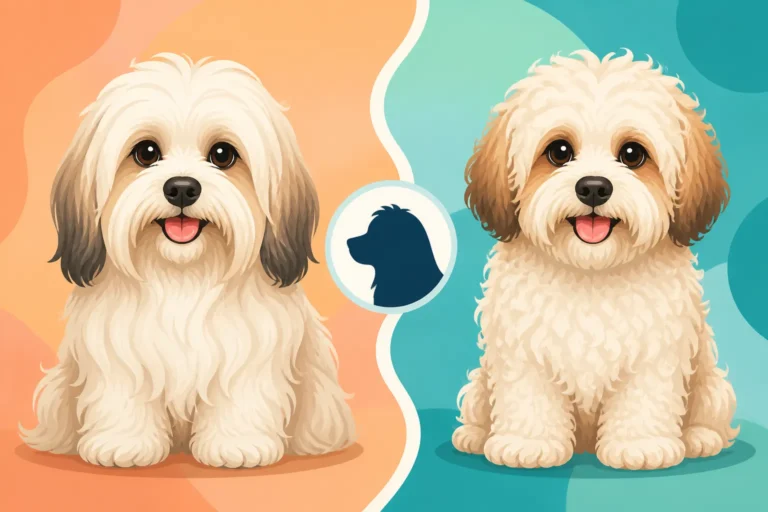
It’s also interesting to note that while some Havanese have a truly silky texture, others might have a slightly wavier or even a bit more cottony feel. This variation can sometimes influence how easily their coat mats and how it responds to different care routines. Regardless of the exact texture, the underlying structure of the double coat remains, demanding that meticulous care. Many owners are surprised by how much dedication it truly takes to keep that coat looking its best, especially during growth spurts or seasonal changes.
Common Coat Challenges Havanese Owners Face
If you own a Havanese, you've likely experienced the frustration of mats. It's a rite of passage for many of us! These little tangles seem to appear out of nowhere, often behind the ears, in the armpits, or where a harness rubs. The puppy coat changing into an adult coat around eight months is a particularly challenging time, as the softer puppy fur gets caught up with the incoming adult hairs, creating a perfect storm for tangles. Why a Havanese Mats at Eight Months and Not Before explains this phenomenon perfectly. Beyond matting, we sometimes see dullness, dryness, or even a bit of flakiness on their skin, which can indicate that something isn't quite right internally or externally. It can be disheartening when you put so much effort into brushing, only to feel like the coat isn't as vibrant as it should be.
These coat issues aren't just cosmetic; severe matting can be painful for your dog, pulling on their skin and even leading to skin infections. Dry, itchy skin can make your Havanese uncomfortable and prone to scratching, which further damages the coat and skin. It’s a vicious cycle that we all want to avoid. We want our pups to be comfortable and happy, and a healthy coat is a big part of that. So, addressing these common challenges effectively is not just about aesthetics; it's about their overall well-being and comfort.
Diving Deep into Fish Oil: What It Is and How It Works
So, you've heard the buzz about fish oil and its potential benefits for a dog's coat. It’s often touted as a miracle supplement for everything from shiny fur to joint health. But what exactly is it, and how does it actually interact with your Havanese’s unique physiology to potentially improve their coat? Let's break down the science behind this popular supplement.
Omega-3s: The Powerhouses in Fish Oil
At the heart of fish oil's benefits are Omega-3 fatty acids. The two most important ones for our furry friends are EPA (eicosapentaenoic acid) and DHA (docosahexaenoic acid). These aren't just any fats; they're essential fatty acids, meaning your Havanese's body can't produce them on its own. They have to get them from their diet. Think of them like vital building blocks for various bodily functions, including maintaining healthy cell membranes, supporting brain function, and yes, promoting skin and coat health.
These Omega-3s are primarily found in fatty fish like salmon, mackerel, and sardines. While some plant-based sources like flaxseed oil contain alpha-linolenic acid (ALA), a precursor to EPA and DHA, dogs aren't very efficient at converting ALA into the more readily usable EPA and DHA. This is why direct fish oil supplementation is often recommended if you're specifically looking for the benefits of EPA and DHA. It’s about getting the most bioavailable form for your Havanese.
How Omega-3s Might Benefit a Havanese Coat
Now, let's connect those Omega-3s directly to that gorgeous Havanese coat. The primary way fish oil helps is through its anti-inflammatory properties. Many skin and coat issues, such as dryness, itchiness, and even excessive shedding, are rooted in inflammation. By reducing this inflammation, Omega-3s can soothe irritated skin, leading to less scratching and a healthier environment for hair follicles to thrive. When the skin is healthy and calm, the hair that grows from it tends to be stronger, shinier, and less prone to breakage.
Beyond inflammation, Omega-3s also play a role in maintaining the skin's natural barrier function. A strong skin barrier helps to lock in moisture, preventing dryness and flakiness. This hydration is crucial for the elasticity and overall health of both the skin and the hair shafts. Imagine a well-oiled machine versus one that's rusty and squeaky; well-nourished skin and hair act like that well-oiled machine. While fish oil isn't a substitute for regular grooming or a balanced diet, it can certainly be a powerful ally in the quest for a truly lustrous Havanese coat.
Deciding if Fish Oil is Right for Your Havanese
It's easy to get caught up in the excitement of a potential coat enhancer, but deciding whether to add fish oil to your Havanese's routine requires a thoughtful approach. Not every dog needs supplementation, and sometimes, a dull coat can be a symptom of a deeper issue that fish oil alone won't fix. It's always a good idea to chat with your vet first, but here are some pointers to help you evaluate if fish oil might be a beneficial addition for your particular pup.
Signs Your Havanese Might Benefit from Supplementation
Before you reach for the fish oil bottle, take a close look at your Havanese’s skin and coat. Are you seeing any of these common indicators that might suggest a need for Omega-3 support?
| Symptom | Description | Potential Link to Omega-3 Deficiency |
|---|---|---|
| Dull, Lifeless Coat | The fur lacks shine and appears dry, rather than having its characteristic silky sheen. | Lack of healthy oils for hair follicles. |
| Excessive Shedding | Noticeably more hair loss than typical, especially outside of seasonal coat blows. | Weak hair follicles, inflamed skin. |
| Dry, Flaky Skin | Visible dandruff or dry patches when you part the fur. | Compromised skin barrier, dehydration. |
| Itchiness/Scratching | Your Havanese is frequently scratching, licking, or chewing their skin, even without visible parasites. | Inflammatory skin conditions. |
| Brittle Hair | The individual hairs break easily, leading to a "frazzled" appearance or difficulty with brushing. | Weakened hair structure. |
If you're noticing one or more of these signs, especially persistent itchiness or a dull coat that doesn't improve with regular grooming and a high-quality diet, then discussing fish oil with your veterinarian is a very sensible next step. They can help rule out other underlying health issues, like allergies or Skin Trouble Under a Havanese Coat, that might be contributing to the problem.
Choosing the Right Fish Oil Supplement (and What to Look For)
Once you've decided to explore fish oil, the sheer number of options on the market can be overwhelming. It's not as simple as grabbing any bottle off the shelf. You want to choose a high-quality product to ensure effectiveness and safety for your Havanese. First and foremost, look for a supplement specifically formulated for pets. Human supplements can sometimes contain ingredients that aren't safe for dogs, or they might not have the correct concentration of EPA and DHA.
When reading labels, pay close attention to the source of the fish oil. Wild-caught small fish like anchovies, sardines, and mackerel are generally preferred because they have a lower risk of mercury contamination compared to larger, longer-lived fish. The label should also clearly state the amounts of EPA and DHA per serving. You’re looking for a good ratio of these two crucial Omega-3s. Additionally, check for third-party testing for purity and potency, often indicated by seals from organizations that verify ingredient quality and absence of contaminants. Brands like Zesty Paws or Nordic Naturals are often well-regarded in the pet supplement space and are available from retailers like Chewy or Amazon. Remember, quality truly matters when it comes to supplements that go into your beloved Havanese's body.
Administering Fish Oil Safely and Effectively
Starting your Havanese on fish oil requires a gradual approach. Always follow your veterinarian's dosage recommendations, as they will factor in your dog's weight, age, and specific health needs. Over-supplementation can lead to adverse effects, so more isn't always better. Usually, fish oil comes in liquid form or softgel capsules. Some Havanese will happily lick the liquid from their food, while others might need it mixed in thoroughly with something enticing like a dollop of plain yogurt or a bit of their regular meal. If using capsules, you might be able to hide them in a small treat or a piece of cheese.
Start with a lower dose and gradually increase it over a week or two to the recommended amount. This helps your Havanese's digestive system adjust and minimizes the chance of an upset stomach, which can sometimes occur if introduced too quickly. Store the fish oil according to the manufacturer's instructions, typically in a cool, dark place or even refrigerated, to prevent it from going rancid. Rancid fish oil not only loses its benefits but can also be harmful. Consistency is key with supplements, so aim to give it at the same time each day. It might take several weeks, or even a couple of months, before you start noticing a significant improvement in your Havanese's coat, so patience is definitely a virtue here!
Beyond Fish Oil: A Holistic Approach to Havanese Coat Health
While fish oil can be a valuable tool, it's never a standalone solution. The truth is, a truly magnificent Havanese coat is the result of a multifaceted approach that encompasses proper nutrition, consistent grooming, and a healthy lifestyle. Think of it like building a beautiful house – you need a strong foundation before you start adding the decorative flourishes. Ignoring these fundamental aspects and relying solely on a supplement is like trying to paint over a cracked wall. It just won't give you the lasting, vibrant results you're hoping for.
The Foundation: High-Quality Nutrition
Everything starts from within, and your Havanese’s diet is the bedrock of their overall health, including the health of their skin and coat. A diet rich in high-quality protein, healthy fats (including some naturally occurring Omega-3s and Omega-6s), and essential vitamins and minerals is non-negotiable. Look for dog foods where meat is the first ingredient, and avoid fillers, artificial colors, and excessive preservatives. Brands like Orijen, Acana, or even fresh food options like Ollie, often found on platforms like Chewy, are known for their commitment to quality ingredients.
If your Havanese is eating a diet that's lacking in essential nutrients, even the best fish oil supplement won't be able to fully compensate. Their body simply won't have the building blocks it needs to produce strong, healthy hair and maintain supple skin. Remember to feed an appropriate amount for their weight and activity level; Feeding a Havanese That Weighs Twelve Pounds provides excellent guidance. Hydration is also incredibly important. Ensure your Havanese always has access to fresh, clean water, as dehydration can quickly lead to dry skin and a dull coat.
Grooming Practices for a Lustrous Havanese Coat
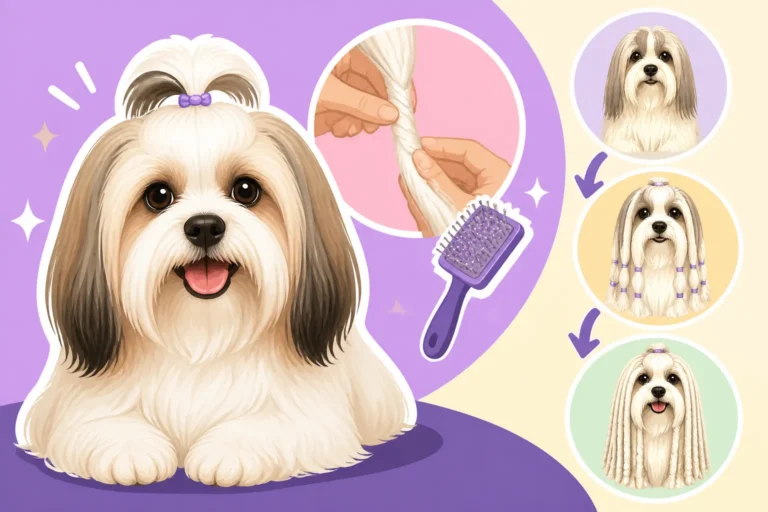
No discussion of Havanese coat health would be complete without emphasizing the absolute necessity of a diligent grooming routine. This breed's coat simply demands it. Regular brushing, ideally daily or every other day, is crucial to prevent mats, distribute natural oils, and remove loose hair and debris. Using the right tools, like a good pin brush and a metal comb, will make all the difference. How Often a Havanese Must Be Brushed covers this in detail, but let me tell you, it's more than just a quick run-through! You need to line brush down to the skin to truly be effective.
Bathing your Havanese every 2-4 weeks with a high-quality, moisturizing shampoo and conditioner designed for dogs will help keep their skin clean and their coat soft. Make sure to thoroughly rinse out all products to prevent skin irritation. And don't forget those regular trims around their eyes, paws, and sanitary areas to keep them comfortable and prevent matting in those sensitive spots. You might choose to keep your Havanese in a The Puppy Cut Most Havanese Owners End Up Choosing for easier maintenance, but even a shorter coat requires consistent care.
Lifestyle Factors That Influence Coat Quality
Beyond diet and grooming, several lifestyle factors play a significant role in the condition of your Havanese’s coat. Stress, for example, can negatively impact a dog's overall health, which often manifests in a dull coat or even excessive shedding. Providing a calm, stable environment and plenty of positive reinforcement can contribute to their well-being. Regular, moderate exercise is also beneficial, as it promotes good circulation, which helps nourish the skin and hair follicles. Even just a couple of walks a day can make a difference. What a Havanese Needs Every Day provides more ideas for keeping your Havanese active and engaged.
Protecting your Havanese from harsh environmental elements is another key consideration. Excessive sun exposure can dry out their skin and damage their coat, just like it does ours. In colder, drier climates, indoor heating can strip moisture from their skin, so considering a humidifier might be helpful. If your Havanese spends a lot of time outdoors, ensure they have shade and protection. Ultimately, a healthy Havanese is a happy Havanese, and that happiness often shines through in a vibrant, healthy coat.
Disclaimer
This article is for general informational purposes only and does not constitute professional advice. Laws, prices and regulations vary by location and change over time. Consult a qualified professional for guidance on your specific situation.