Whether a Havanese’s Ear Hair Should Be Plucked
One of the most common dilemmas Havanese owners face, especially when it comes to grooming, is what to do about the hair that grows inside their adorable, floppy ears. You want to keep your furry friend comfortable and healthy, but conflicting advice can leave you wondering if plucking, trimming, or leaving it alone is the right choice. This guide is here to untangle that confusion, offering a realistic look at the pros and cons, and helping you make an informed decision about managing your Havanese's ear hair.
Understanding Your Havanese's Unique Ears and Coat
Your Havanese is a special breed, celebrated for that magnificent, flowing coat and those endearing drop ears. But these very characteristics, while beautiful, also create a specific set of challenges when it comes to ear health. It’s not just about aesthetics; it's about understanding the biology of their ears and how it impacts hygiene.
The Double Coat and Ear Hair Growth
Unlike some breeds with sparse ear hair, a Havanese truly lives up to its "Havana Silk Dog" moniker, right down to the hair inside its ears. Your Havanese has a double coat – a soft undercoat and a longer, silky outer coat – which continues its growth even within the ear canal. This isn't just a few stray hairs; it can be quite a dense jungle in there.
This dense hair acts like a natural filter, trapping dust, debris, and even moisture. While on the outside, their long coat can protect them from the elements, inside the ear canal, it can become a breeding ground for problems. Imagine trying to air out a humid room when the windows are covered with heavy drapes – that's somewhat what's happening in your Havanese's ear. This constant growth is why you might feel like you're battling a never-ending fuzz invasion in those cute ears, and it’s a valid concern for any diligent owner. The Silky Double Coat a Havanese Grows to the Floor explains more about their coat's unique characteristics.
Why Havanese Ears Are Prone to Issues
Those beautiful, floppy ears that frame your Havanese's sweet face are a key factor in why they can be more susceptible to certain ear conditions. Their drop ears hang down, effectively covering the ear canal opening. This creates a warm, dark, and often moist environment – precisely the kind of place yeast and bacteria love to call home. When you combine this enclosed, humid space with a thick growth of hair inside the canal, you've got a recipe for potential trouble.
The hair prevents proper air circulation, making it harder for moisture to evaporate after a bath, a romp in dewy grass, or even just from natural ear wax production. This dampness, combined with trapped debris, can lead to inflammation and, eventually, infection. Many Havanese owners find themselves asking Whether a Havanese Gets Ear Infections or Whether Hair in a Havanese's Ear Canal Causes Infection precisely because of these anatomical realities. It’s not a reflection of poor care, but rather a characteristic of the breed that requires proactive attention.
The Great Debate: To Pluck or Not to Pluck?
For years, many groomers and vets advocated for routine ear plucking in breeds like the Havanese with hairy ear canals. The reasoning seemed sound: remove the hair, improve air circulation, prevent infections. However, modern veterinary science and grooming practices have started to challenge this blanket recommendation, leading to a real debate among professionals and owners alike. It’s a nuanced issue, and what might be right for one Havanese might not be ideal for another.
Arguments for Plucking Ear Hair
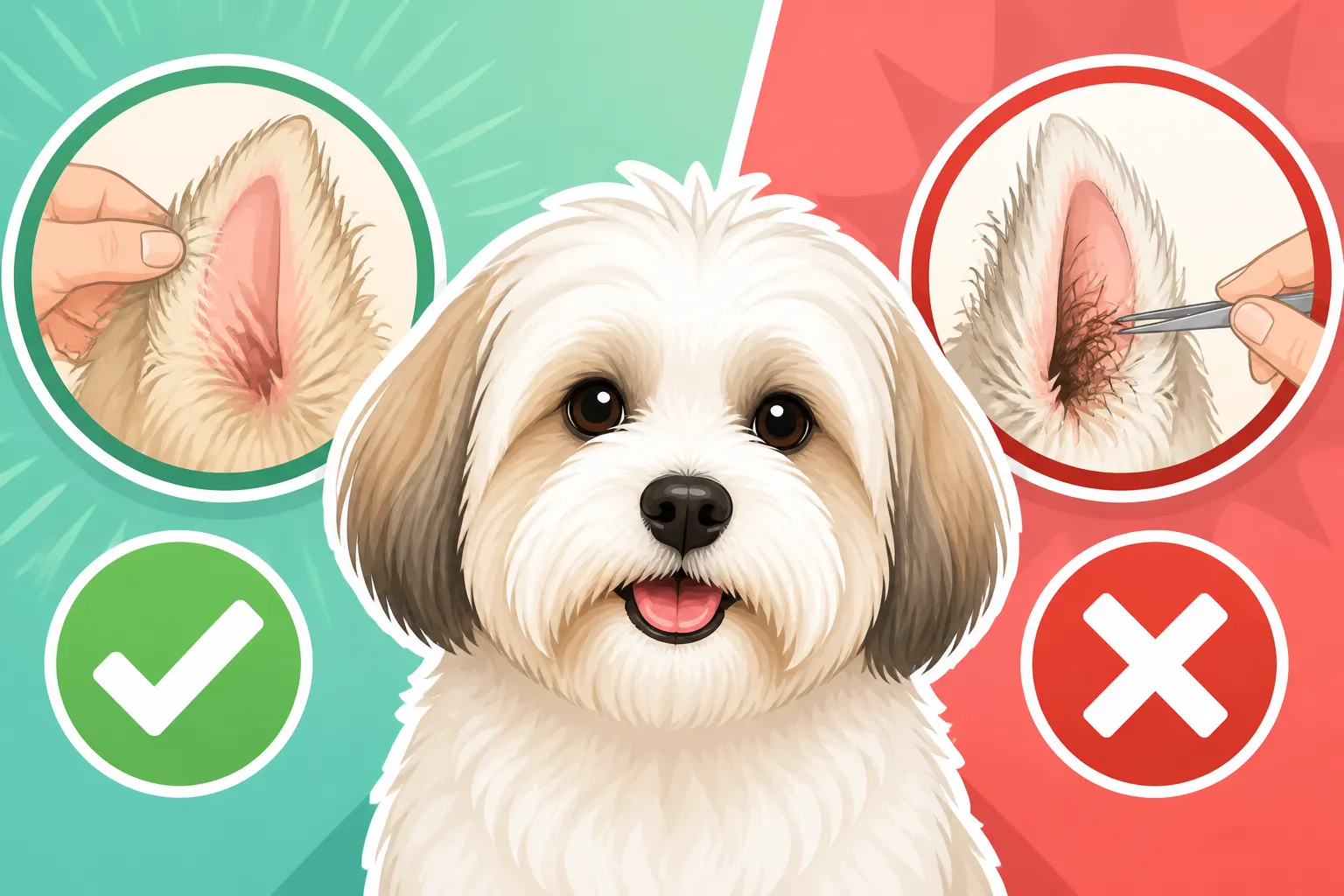
The traditional argument for plucking is quite straightforward: removing the excess hair from the ear canal improves air circulation. This, in theory, helps to keep the ear canal dry and reduces the warm, moist environment where bacteria and yeast thrive. When a Havanese has a dense mat of hair deep inside the canal, it can act like a dam, trapping wax, debris, and moisture, leading to a build-up that's hard to clean out.
Proponents also argue that plucking makes it easier for owners to clean the ear canal effectively. With less hair obstructing the view and path, cleaning solutions can reach deeper, and you can more easily wipe away accumulated gunk. For some Havanese with chronically waxy or infected ears, a vet might still recommend careful plucking to help manage the condition, allowing topical medications to penetrate better. It's often seen as a preventative measure to reduce the frequency of uncomfortable and costly ear infections.
Arguments Against Plucking Ear Hair
On the other side of the fence, there's a growing body of evidence and professional opinion suggesting that routine ear plucking might actually do more harm than good for many dogs. The primary concern is that plucking, by its very nature, can cause micro-trauma to the delicate skin lining the ear canal. Each hair follicle, when yanked, can leave a tiny open wound, creating an entry point for bacteria and inflammation. Imagine constantly pulling hairs from your own nose or ear – it's not a pleasant experience, and it can certainly irritate the skin.
Furthermore, some argue that plucking can stimulate thicker hair growth over time, making the problem worse in the long run. The process itself can be painful and traumatic for the dog, making future ear cleanings and inspections much more difficult. A Havanese that associates ear care with pain will naturally resist, turning a routine task into a wrestling match. This can make owners hesitant to clean or inspect their dog's ears as often as they should, indirectly leading to ear health issues. It really brings up the question of Whether a Havanese Struggles With Ear Cleaning if they've had painful plucking experiences.
The Professional Groomer's Perspective
Most reputable professional groomers today take a more cautious and individualized approach to ear hair management. They understand the differing opinions and the potential risks of indiscriminate plucking. Rather than automatically plucking every Havanese's ears, a good groomer will assess your dog's specific ear health, coat density, and previous experiences.
Many groomers now prefer a "less is more" approach. They might opt for trimming the hair at the entrance of the ear canal to open it up for airflow, or gently plucking only a few loose hairs that are clearly contributing to a blockage or matting. They'll also often rely on your feedback about your Havanese's history with ear infections and sensitivities. If your Havanese has never had an ear infection and doesn't have excessively dense hair, many groomers will advise against routine plucking. If you're wondering What a Full Havanese Groom Costs, discuss their ear care policy with them beforehand. They can also recommend appropriate ear cleansers, many of which can be found on sites like Chewy or Amazon.
Here's a quick comparison of the two main approaches:
| Feature | Plucking | Trimming |
|---|---|---|
| Method | Hairs pulled from the root | Hairs cut short at the entrance of canal |
| Pain Level | Can be painful, causes micro-trauma | Generally pain-free, less invasive |
| Risk of Infection | Increased if micro-trauma occurs | Minimal, if done carefully |
| Air Circulation | Potentially improves in dense ears | Improves at ear canal opening |
| Maintenance | Less frequent, but can be traumatic | More frequent, but less stressful |
| Proponents | Traditional view, some chronic cases | Modern vet/groomer preference for most dogs |
Alternative Ear Care Strategies for Havanese
Given the ongoing debate, it's reassuring to know there are effective alternative strategies for keeping your Havanese's ears healthy without resorting to potentially painful or harmful plucking. These methods focus on prevention, gentle cleaning, and careful hair management. The goal is always to create an environment where moisture and debris don't linger, and infections don't get a chance to take hold.
Regular Cleaning and Inspection
Regardless of whether you pluck or trim, regular ear cleaning and inspection are absolutely paramount for a Havanese. Those floppy ears and furry canals mean you need to be vigilant. Aim to check your Havanese's ears at least weekly, looking for any redness, swelling, unusual discharge, or a foul odor. Early detection is key to preventing minor irritation from escalating into a full-blown infection.
When it comes to cleaning, a good quality, vet-approved ear cleanser is your best friend. Many brands are available on Amazon or Chewy, and your vet can recommend one that's gentle and effective. Simply apply the solution into the ear canal, gently massage the base of the ear for 30 seconds to help break up wax and debris, and then let your Havanese shake their head. After they shake, use a soft cotton ball or gauze (never a Q-tip, which can push debris deeper) to wipe away any visible gunk from the outer ear and the entrance of the canal. How Often a Havanese's Ears Should Be Cleaned is a great resource for developing a routine. Always make sure the ears are completely dry after cleaning to prevent moisture build-up.
Trimming vs. Plucking
For many Havanese, trimming the hair at the entrance of the ear canal is a far gentler and often more effective approach than plucking. Instead of pulling hairs from the root, which can cause irritation and inflammation, trimming simply shortens the hair, allowing for better airflow and easier cleaning, without traumatizing the delicate skin.
You can use small, blunt-nosed scissors specifically designed for pet grooming or a small electric trimmer with a very fine blade. The key is to be extremely careful and only trim the hair that is visible at the very opening of the ear canal, or just inside it, without going deep. A professional groomer can demonstrate the best technique if you're unsure. This method keeps the air flowing and reduces the "curtain" effect of dense hair at the ear opening, making it much harder for yeast and bacteria to thrive in the warm, moist environment of a closed-up ear. It's a win-win: less discomfort for your dog and better hygiene. Many owners who opt for The Puppy Cut Most Havanese Owners End Up Choosing also find that their groomers routinely trim ear hair as part of that style.
Proactive Measures to Maintain Ear Health
Beyond cleaning and hair management, there are other proactive steps you can take to maintain excellent ear health for your Havanese. Firstly, always dry your Havanese's ears thoroughly after baths or swimming. Use a soft towel to absorb as much moisture as possible from the outer ear and a cotton ball to gently dab inside the ear canal entrance. A low-setting hairdryer, held at a safe distance, can also help ensure the ear canal is completely dry.
Consider adding probiotics to your Havanese's diet. A healthy gut microbiome can positively impact overall immune function, potentially making your dog less susceptible to yeast and bacterial overgrowth in various parts of the body, including the ears. Brands like Ollie often focus on whole foods that support overall health. Monitor for allergies, as environmental or food allergies can often manifest as ear infections. If your Havanese is prone to recurring ear issues, discuss potential allergies with your vet. Ensuring proper nutrition and a strong immune system are crucial for holistic ear health.
When to Seek Professional Advice
Even with the most diligent home care, a Havanese can occasionally develop ear issues. Knowing when to simply ramp up your cleaning routine and when to call in the professionals (your vet or an experienced groomer) is vital. Don't let a minor problem fester, as ear infections can become quite painful and more difficult to treat if left unchecked.
Recognizing Signs of Ear Trouble
Your Havanese can't tell you in words when their ears hurt, so it's up to you to be their advocate. Keep a close eye on their behavior and the appearance of their ears. Common signs of ear trouble include:
- Frequent head shaking: This is often the first and most obvious sign something is irritating their ears.
- Ear scratching: They might paw at their ears or rub them along furniture or the floor.
- Redness or swelling: A healthy ear canal should be pale pink. Any redness, inflammation, or swelling, especially on the inner flap or canal opening, is a red flag.
- Discharge: A healthy ear has minimal, light-colored wax. Look for excessive dark, waxy, or pus-like discharge.
- Odor: A strong, yeasty, or foul smell coming from the ear is a definite indicator of a problem.
- Pain or sensitivity: If your Havanese yelps, recoils, or acts aggressively when you touch their ears, they are likely in pain.
- Changes in behavior: Lethargy, loss of appetite, or an unwillingness to play might also indicate discomfort from an ear infection.
If you observe any of these symptoms, don't delay. Prompt action can save your Havanese a lot of discomfort.
Consulting Your Veterinarian or Groomer
When in doubt, always err on the side of caution and consult a professional. Your veterinarian is the best resource for diagnosing and treating ear infections. They can use an otoscope to look deep into the ear canal, identify the type of infection (bacterial, yeast, or mites), and prescribe appropriate medication. Never try to treat a suspected ear infection with home remedies without a vet's diagnosis, as you could worsen the problem or use the wrong type of treatment.
If your Havanese is particularly sensitive about their ears, or you find grooming them challenging, a professional groomer can also be a wonderful ally. They have the experience and specialized tools to handle ear hair safely and effectively, whether that means gentle trimming or selective plucking if truly necessary. They can also offer advice on specific ear-cleaning techniques or products. Don't be shy about asking your groomer or vet for a demonstration on How Often a Havanese's Ears Should Be Cleaned or how to manage ear hair. Building a good relationship with both your vet and groomer is a cornerstone of responsible Havanese ownership, ensuring those sweet, expressive ears stay happy and healthy for years to come.
Disclaimer
This article is for general informational purposes only and does not constitute professional advice. Laws, prices and regulations vary by location and change over time. Consult a qualified professional for guidance on your specific situation.