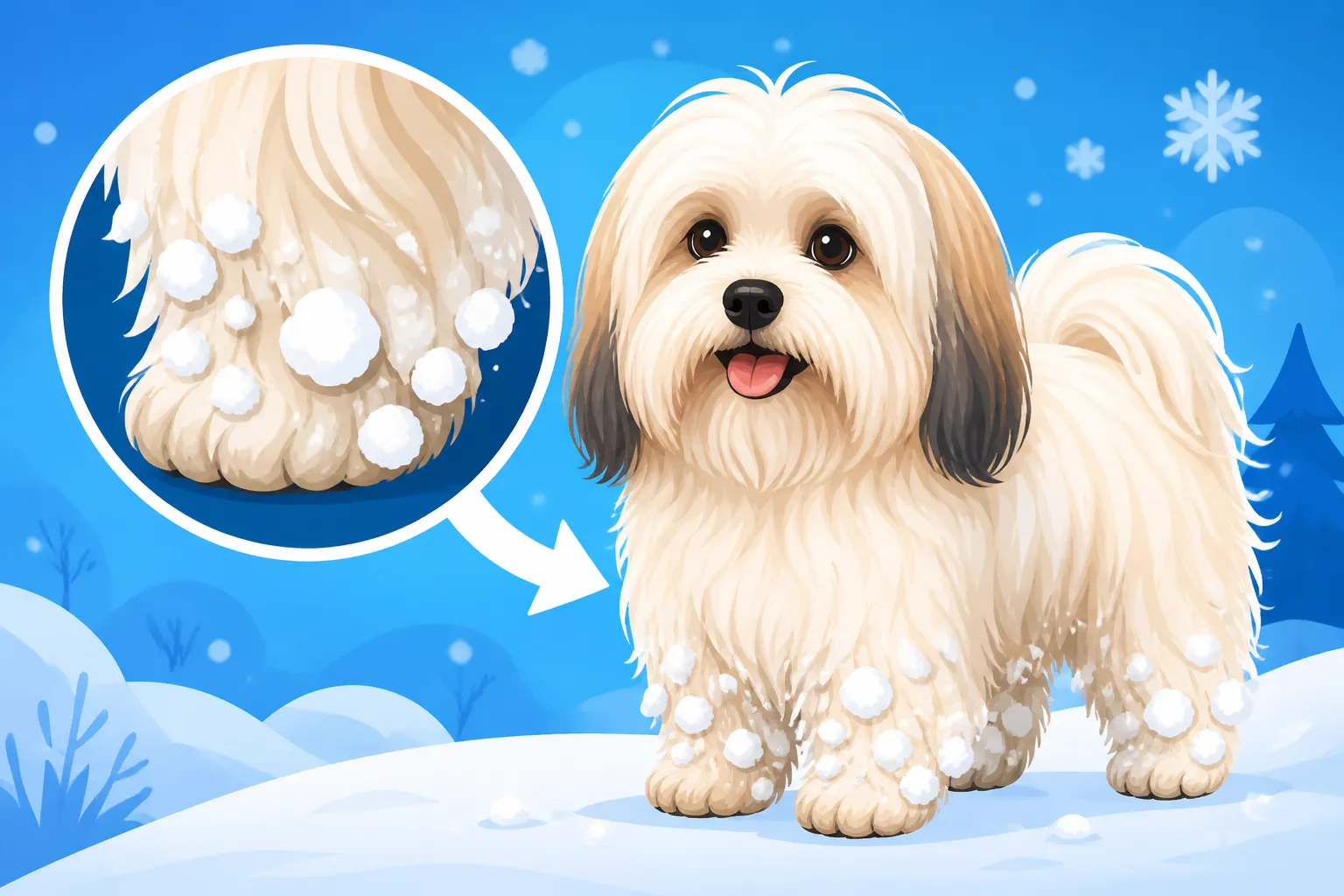
Whether Snow Balls Up in a Havanese’s Coat
Oh, the joy and dread of a fresh snowfall when you have a long-coated Havanese! You picture your adorable fluffball frolicking in a winter wonderland, only for reality to hit when they come back inside looking like they've rolled through a blizzard of cotton balls. Snowballs in a Havanese's coat aren't just a minor inconvenience; they can be incredibly frustrating, painful for your dog, and turn a fun outing into a wrestling match with frozen clumps of snow. This guide is here to walk you through exactly why this happens, how to prevent it, and the best ways to deal with those icy invaders safely and effectively.
The Reality of Snowballs in a Havanese Coat
If you've ever had your Havanese come in from a snowy walk looking like a walking snow sculpture, you know exactly what I'm talking about. It's not just a messy aesthetic; those snowballs can pull on their skin, cause discomfort, and even lead to matting if not handled properly. Understanding why they form is the first step to conquering this winter challenge.
Why Snow Clings to the Havanese Coat
The Havanese coat, in all its glorious silky, double-layered splendor, is a double-edged sword when it comes to snow. It's designed to protect them, providing insulation in both warm and cool climates, but its very structure makes it a magnet for snow. Think about it: a Havanese has a fine, often wavy or slightly curly outer coat and a softer undercoat. This creates countless opportunities for tiny snow crystals to latch onto individual hairs. As your Havanese moves, these small ice particles get packed together, warmed slightly by their body heat, and then refreeze into larger, harder balls. It’s a bit like how a snowball forms when you pack loose snow in your hands – the friction and slight warmth contribute to solidifying it. The texture of their coat, which can be Whether a Havanese Coat Is Silky or Wiry, plays a big role here. A silkier coat might seem less prone, but the fine strands still offer plenty of surface area for snow to cling to.
What further compounds the issue is the inherent static electricity that can build up in a Havanese's long coat, especially in dry winter air. This static acts like a magnet, drawing even more fine snow particles directly to their fur. Once those initial particles adhere, it's a domino effect, leading to bigger and bigger clumps. You might notice this more after they've been running or rolling, as the movement increases friction and static. It’s a frustrating cycle where their beautiful protective coat becomes an unintentional snow-collecting device.
Common Areas for Snowball Formation
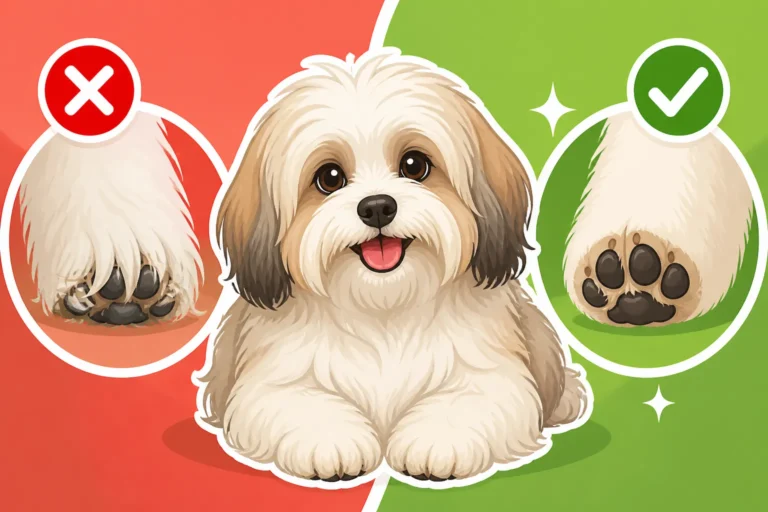
You'll quickly learn that snowballs don't just appear randomly across your Havanese. They tend to form in predictable trouble spots where the coat is longest, finest, or experiences the most friction and contact with the snow. The most notorious areas are almost always the legs, belly, and chest. Your Havanese's little legs, especially the "feathers" of hair on the back of their thighs and the long hair around their paws, are constantly sifting through the snow. This motion is perfect for packing snow into dense balls. The hair between their toes is particularly vulnerable, as it collects snow that then freezes into uncomfortable ice chunks, making walking painful. Whether a Havanese's Paw Hair Needs Trimming is a valid consideration here.
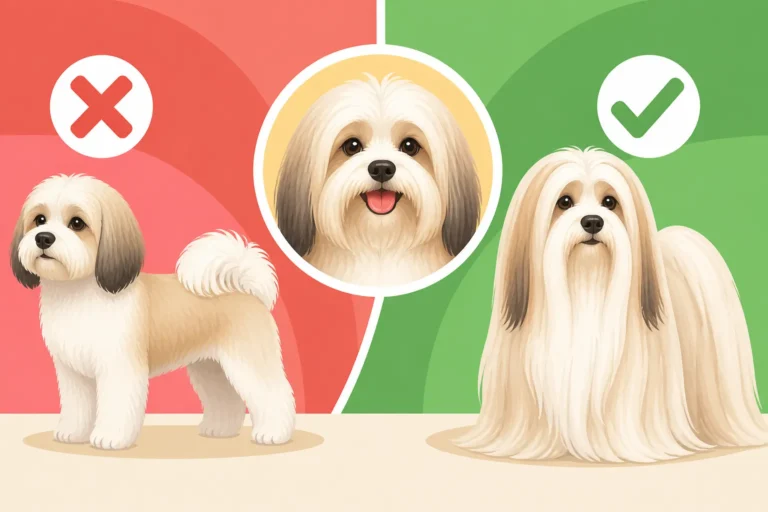
The belly and chest are other prime targets because of their proximity to the ground. As your Havanese trots through the snow, their underside acts like a giant snowplow, sweeping up loose flakes. The fine, soft hair on their belly can quickly become matted with hard, icy clumps. For Havanese with longer "skirts" or those who aren't kept in a shorter trim like a Whether a Puppy Cut Suits a Havanese, the snow can accumulate quite extensively. Don't forget their delightful little beards and the hair around their ears, too! If they dip their face in the snow, these areas can also collect smaller, icy bits, which while not as large as leg snowballs, can still be annoying and wet.
Preventing Snowball Formation
The best offense is a good defense, right? When it comes to snowballs in your Havanese's coat, proactive prevention is truly key. It saves both of you a lot of discomfort and hassle after a snowy adventure. A little preparation before heading out can make a world of difference.
Proactive Grooming Before Snow Exposure
Preparing your Havanese's coat before they step foot in the snow is your secret weapon. The smoother and less tangled their coat is, the fewer anchor points there are for snow to cling to. Start with a thorough brushing session. Use a good slicker brush and a metal comb to ensure their coat is completely free of mats and tangles. Mats are particularly insidious because they provide a perfect foundation for snow to build upon, turning a small clump into a painful, frozen brick. If you're wondering How Often a Havanese Must Be Brushed, daily is often ideal, especially in winter.
Beyond just brushing, consider applying a protective barrier to their coat. Many owners swear by a light mist of a silicone-based grooming spray or even a touch of cornstarch. These create a slicker surface that makes it harder for snow to adhere. Think of it like a non-stick coating for their fur! You can find a variety of grooming sprays on sites like Chewy or Amazon. Pay special attention to their legs, belly, and the hair between their paw pads. Some people even use a thin layer of petroleum jelly or a specialized paw wax on the long hair of their legs and belly, creating a greasy barrier that snow struggles to stick to. Just be mindful not to overdo it, as you don't want to make their coat feel heavy or greasy, and ensure any product used is safe for dogs.
Protective Gear and Barrier Methods
Sometimes, a bit of external help goes a long way. Investing in appropriate protective gear can significantly reduce snowball formation. Dog booties are often the first line of defense, especially for preventing snow and ice from clinging to the delicate hair between their paw pads. It might take a bit of convincing for your Havanese to get used to them – a lot of dogs do the "bootie dance" at first! – but once they adapt, their paws will thank you. Look for booties that are comfortable, stay on well, and provide good traction.
For their body, a well-fitting dog coat or sweater can cover a large portion of their back, chest, and belly, effectively preventing snow from reaching their most vulnerable areas. While a Havanese does have a natural insulating coat, Whether a Havanese Needs a Coat in Winter often depends on the temperature and their activity level. Choose one that offers good coverage without restricting movement. If your Havanese has a longer skirt or belly hair, look for coats with integrated belly protectors. For short-legged breeds like the Havanese, some companies even make full-body "snowsuits" that cover all four legs and the torso, providing comprehensive protection. While these might seem a bit over-the-top, they are incredibly effective at keeping snow out and coats dry. You can find a great selection of these on online retailers like Amazon, often with reviews from other small dog owners.
| Prevention Method | Description | Best For | Pros | Cons |
|---|---|---|---|---|
| Thorough Brushing | Removing all tangles and mats before snow exposure | All areas of the coat | Reduces surface area for snow to cling, prevents matting | Requires daily commitment, not a complete solution |
| Silicone Grooming Spray | Creates a slick, non-stick surface on the coat | Legs, belly, longer body hair | Effective barrier, easy to apply | Can make coat feel temporarily different, needs reapplication |
| Paw Wax/Petroleum Jelly | Forms a greasy barrier on paw pads and leg feathers | Paw pads, lower leg hair, belly | Excellent for icy prevention, also protects from road salt | Can be messy, needs careful application and removal |
| Dog Booties | Covers paws to prevent snow accumulation between toes and pads | Paws, lower legs | Highly effective for paw protection | Many dogs dislike them initially, can be tricky to size and keep on |
| Dog Coat/Snowsuit | Covers torso, chest, and sometimes legs | Back, chest, belly, legs | Physical barrier against snow, adds warmth | May restrict some movement, dog may need time to adjust, can be bulky |
Removing Snowballs Safely
Despite your best efforts, some snowballs might still form. It happens! The key is to remove them safely and gently, avoiding pain or damage to your Havanese's delicate skin and coat. Resist the urge to yank them out, as this can be incredibly painful and tear their fur.
Gentle Removal Techniques
Once your Havanese is back inside, it’s snowball removal time. The most effective method is a gentle approach, often with the help of lukewarm water or a force dryer set to cool. First, try to gently break up the larger clumps with your fingers. If they're soft enough, they might just crumble away. For harder, icier balls, bring your Havanese into a warm bathroom or utility sink. Use lukewarm (not hot!) water to rinse the affected areas. The warmth will help melt the ice, allowing the snowballs to detach without pulling on the fur. You can gently squeeze the snowballs under the running water, helping them dissolve.
If you have a force dryer (like those professional groomers use, often available on Amazon or Chewy), set it to the lowest, cool-air setting. The gentle airflow can help dislodge the snow and melt the ice without wetting your dog completely or shocking them with heat. Hold the dryer a safe distance away and move it continuously. This is also excellent for drying out their coat afterward to prevent further matting. Remember, patience is key. This isn't a race, and a calm, reassuring demeanor from you will help your Havanese tolerate the process much better. Keep a towel handy to blot away excess water as the snow melts. Many owners find Whether a Force Dryer Is Worth It for a Havanese for various grooming tasks, and snowball removal is definitely one of them.
What Not to Do When Removing Snowballs
Just as important as knowing what to do is knowing what not to do. The biggest no-no is trying to simply pull or yank the frozen snowballs out of your Havanese's coat. This is not only painful for your dog but can also cause skin irritation, hair breakage, and even pull out chunks of their fur. Imagine having frozen gum yanked from your hair – it’s similar for them. Avoid using scissors to cut the snowballs out unless absolutely necessary and only if you can clearly see the skin and are confident you won't cut it. This is incredibly risky, especially on a squirming dog with fine, matted fur, and could lead to serious injury.
Also, never use hot water or excessive heat to try and melt the snowballs faster. Hot water can burn their skin, which is much more sensitive than ours, and it can also dry out their coat, leading to further issues like static and matting. Always stick to lukewarm water. If you're struggling with a particularly stubborn, frozen clump that seems to be pulling on the skin, it's better to let it melt naturally in a warm room or gently rinse it multiple times with lukewarm water than to resort to aggressive removal methods. Your Havanese might be a bit uncomfortable for a few minutes, but it's far better than causing pain or injury.
Aftercare and Winter Coat Maintenance
Once the snowballs are gone, your work isn't quite finished. Proper aftercare ensures your Havanese is comfortable, dry, and ready for their next adventure. Plus, maintaining their coat throughout the winter is crucial for their overall well-being and to minimize future snowball woes.
Post-Snow Routine for Your Havanese
After successfully removing all the snowballs and melting any lingering ice, it's important to thoroughly dry your Havanese's coat. A damp coat, especially in cold weather, can lead to chills and make them more susceptible to illness. Use absorbent towels to blot away as much moisture as possible, then finish with a dog-specific hairdryer or a force dryer on a cool setting. Ensure their fur, especially on their legs, belly, and between their paw pads, is completely dry. A damp undercoat can quickly become a breeding ground for skin issues or lead to uncomfortable matting.
Once dry, give their coat another light brush-through. This helps fluff the hair, remove any remaining loose snow particles you might have missed, and check for any minor tangles that might have formed during the melting process. You might find a quick spritz of a detangling spray helpful at this stage to prevent new knots from forming as the coat dries fully. Offer them a treat and plenty of praise for being such a good sport during their "de-snowing" session. This positive reinforcement will make them more cooperative for future winter coat care. Remember, How Long Home Grooming a Havanese Takes can vary, but these routines are vital.
General Winter Coat Care Tips
Winter itself presents unique challenges for the Havanese coat, even beyond snowballs. The dry air, both indoors and out, can lead to increased static and brittleness, making their beautiful silky fur more prone to tangles and mats. Regular, consistent brushing is paramount during these months. Aim for daily brushing, paying extra attention to the areas where mats typically form, such as behind the ears, in the armpits, and on the legs. A good quality slicker brush and a steel comb are essential tools. You can find excellent options for Which Brush Suits a Havanese on Chewy or other pet supply stores.
Consider incorporating a leave-in conditioner or a hydrating spray into your winter grooming routine. These products can help combat dryness and static, keeping the coat moisturized and more manageable. Bathing frequency might also need adjustment. While it's tempting to bathe them more if they're getting messy from snow, too frequent bathing can strip their coat of natural oils, leading to dryness. When you do bathe them, use a moisturizing dog shampoo and conditioner, and always ensure they are completely dry afterward. Keep their paw pads well-maintained by trimming excess hair between them and regularly checking for cracks or dryness, which can be exacerbated by cold weather and road salt. A little extra effort in winter keeps your Havanese comfortable and their coat looking its best.
Disclaimer
This article is for general informational purposes only and does not constitute professional advice. Laws, prices and regulations vary by location and change over time. Consult a qualified professional for guidance on your specific situation.