Whether Havanese Were Kept by Cuban Sugar Families
Many Havanese owners today find themselves utterly charmed by their playful, affectionate companions, often wondering about the breed's storied past. It's a natural curiosity to trace back the lineage of these wonderful little dogs, and one question that frequently pops up is whether these delightful creatures were once the cherished pets of Cuba's prominent sugar families. You might imagine them gracing opulent homes, and you wouldn't be wrong; this guide will dive into the rich history of the Havanese, confirming their esteemed place within the island's most affluent households and exploring how this luxurious past shaped the breed we adore today.
The Roots of the Havanese in Cuban Society
The history of the Havanese is as vibrant and rich as the culture from which they emerged. Far from being working dogs or strays, these charming canines were meticulously bred and maintained, holding a special place in the hearts and homes of Cuba's elite. Understanding their beginnings helps us appreciate why they are such devoted and engaging companions even now.
From Tenerife to Havana's Elite
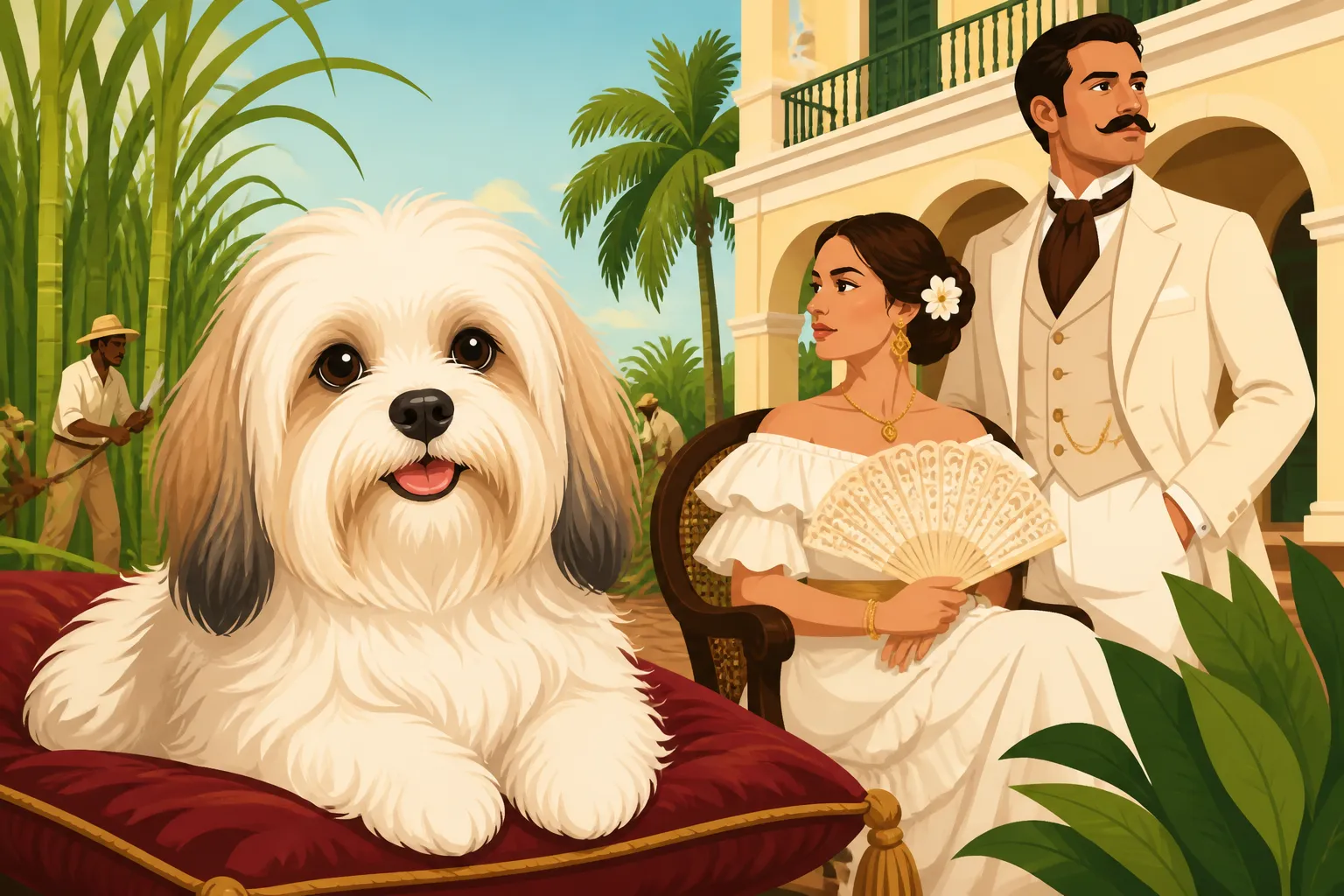
The ancestors of the Havanese, often referred to as the "Blanquito de la Habana" (little white dog of Havana), arrived in Cuba with Spanish traders and settlers, likely from the Canary Islands' Tenerife region. These small, elegant dogs quickly adapted to the tropical climate and the lavish lifestyles of their new owners. Cuba, during its colonial era and later as a burgeoning independent nation, was a hub of trade and prosperity, largely fueled by its sugar industry. The families who owned vast sugar plantations, or were involved in other successful mercantile ventures, lived lives of considerable luxury.
These affluent families weren't looking for dogs to guard their estates or herd livestock; they sought companionship, beauty, and a reflection of their sophisticated status. The small, intelligent, and affectionate Blanquito fit this role perfectly. They were ideal lapdogs, capable of amusing their owners with their antics and providing endless affection. They were not merely pets, but living adornments, a testament to the family's wealth and refinement. Over generations, these dogs evolved, becoming distinctly Cuban, setting them apart from their European ancestors. You can learn more about their original lineage in The Blanquito de la Habana the Havanese Came From.
A Symbol of Status and Affection
In a society often stratified by wealth and class, owning a Havanese became a subtle yet clear indicator of one's standing. These dogs were expensive to acquire and maintain, requiring attention, good food, and often, the care of servants. They were typically found within the grandest homes, enjoying privileges that common dogs could only dream of. Imagine elegant ladies strolling through meticulously manicured gardens, a tiny Havanese trotting faithfully beside them or nestled comfortably in a carriage.
Their primary role was to be loved and to love in return. This constant interaction with people, often within a bustling yet attentive household, fostered the breed's characteristic desire for human companionship and its exceptionally social nature. They were truly integrated into family life, participating in the daily routines and social gatherings of their owners. This early history instilled in the Havanese a deep-seated need to be part of the family, a trait that endears them to owners worldwide today. This unique position meant the Havanese became much more than just a pet; it was a cherished member of the family, often seen as an extension of the family's identity. Indeed, the question of Whether the Havanese Was a Dog of the Cuban Aristocracy is met with a resounding yes.
The Life of a Havanese in a Sugar Plantation Household
The lives these dogs led were far removed from the struggles of everyday existence. They were creatures of comfort, surrounded by opulence and attention, which inevitably shaped their temperament and expectations.
Pampered Pets in Grand Surroundings
Picture a sprawling Cuban estate, a grand house with high ceilings and cool, tiled floors, surrounded by lush gardens and perhaps the scent of sugar cane in the air. This was often the backdrop for the Havanese. These dogs wouldn't have known hardship. Their meals would have been prepared, their sleeping quarters comfortable, and their days filled with gentle play and quiet companionship. They were not tasked with duties; their "job" was simply to be delightful.
Servants would have attended to their needs, from feeding them special tidbits to grooming their long, flowing coats. The Havanese's distinctive silky coat, which can grow to floor-length, would have been a point of pride for their owners, meticulously cared for to maintain its beauty. This hands-on grooming, even in historical times, would have accustomed them to being handled and fussed over, contributing to their generally placid nature during grooming sessions today. This pampered upbringing contributed to their naturally sweet and trusting disposition, as they rarely encountered harshness or neglect.
Companionship, Not Utility
Unlike many breeds developed for specific tasks like hunting, herding, or guarding, the Havanese was purely a companion dog. Their value lay in their ability to charm, to entertain, and to provide comfort. They would sit on laps, follow their owners from room to room, and often be included in social events. Their small size made them easy to carry, and their robust, intelligent nature made them resilient travelers, whether by carriage across the estate or even on sea voyages.
This focus on companionship meant they developed an exceptional bond with humans. They learned to read cues, respond to affection, and engage in playful interactions that cemented their place as beloved family members. They were often referred to as "Velcro dogs" even then, constantly seeking proximity to their humans – a trait many modern Havanese owners recognize instantly. This strong attachment to their people is a direct legacy of their historical role, emphasizing that their greatest joy comes from being near you. For a deeper dive into their nature, consider reading Why a Havanese Follows You Into Every Room.
| Aspect | Historical Havanese (Sugar Family) | Modern Havanese (Today's Family) |
|---|---|---|
| Primary Role | Companion, status symbol, source of joy | Companion, family member, source of joy |
| Environment | Grand estates, wealthy urban homes | Apartments, suburban homes, any loving home |
| Diet | Table scraps, specially prepared meals | Premium kibble, fresh food, specific treats |
| Grooming | Attended by servants, manual care | Owner or professional groomer, specialized tools |
| Exercise | Gentle walks in gardens, indoor play | Daily walks, indoor play, dog parks, structured activities |
| Socialization | Constant interaction with family/staff | Puppy classes, varied experiences, consistent family time |
| Health Care | Limited veterinary knowledge | Advanced veterinary care, preventative health |
The Enduring Legacy of the "Sugar Baron's Dog"
While the grand estates and sugar fortunes of old Cuba might be a thing of the past, the essence of the Havanese breed, shaped by those very circumstances, lives on. Their history is not just a quaint anecdote; it's fundamental to understanding their personality and needs today.
Shaping the Breed's Temperament and Traits
The pampered existence the Havanese enjoyed in sugar families instilled in them an indelible desire for close human contact. This isn't just a preference; it's woven into their very DNA. They thrive on being involved in family activities, whether it's snuggling on the couch during a movie night or "helping" you with chores around the house. Their intelligence, too, was honed by constant interaction and the need to adapt to a social, human-centric world. They were, and still are, quick learners, eager to please, and highly responsive to positive reinforcement. This is why many Havanese excel in dog sports like agility and obedience, and why they're such popular therapy dogs.
Their charming, often playful demeanor is also a direct result of being bred solely for companionship and entertainment. They have a natural inclination to be happy and engaging, often performing silly antics to get a laugh or a cuddle. They rarely display aggression and are generally quite tolerant, making them wonderful family pets. This history of comfort also meant they weren't exposed to harsh outdoor elements or dangerous situations, which contributes to their typically docile and trusting nature. For an understanding of their exceptional trainability, you might be interested in The Circus Dog Brain Inside a Havanese.
From Cuban Estates to Global Households
The Cuban Revolution in 1959 drastically changed life on the island, and with it, the fate of the Havanese. Many wealthy families fled, often unable to take their beloved pets with them. The breed teetered on the brink of extinction. However, a handful of refugee families did manage to bring their Havanese to the United States, and from these precious few dogs, dedicated breeders began the monumental task of rebuilding the breed. How the Havanese Nearly Died Out After 1959 tells a compelling story of their survival.
The modern Havanese, therefore, carries the genetic legacy of those few surviving dogs, which means they also carry the temperament and traits fostered during their heyday in Cuban society. When you welcome a Havanese into your home, you're not just getting a dog; you're adopting a piece of history, a living connection to a bygone era of elegance and companionship. Their need for family, their intelligence, and their joyful spirit are direct echoes of their time as the "sugar baron's dog."
Modern Care Reflecting Ancient Affection
Today, while the context has changed, the underlying principle of caring for a Havanese remains strikingly similar to how they were cherished centuries ago: with devotion, attention, and a commitment to their well-being.
Providing for a Havanese Today
Just as the Cuban sugar families ensured their Havanese had the best of everything available at the time, modern Havanese owners strive to provide excellent care. This means focusing on their physical health through proper nutrition, regular veterinary check-ups, and appropriate exercise. Their distinctive coat, which was a symbol of elegance, still requires diligent care. Without the daily attention it received from household staff, it's easy for their silky fur to become matted. This makes regular brushing and professional grooming appointments essential to keep them comfortable and looking their best.
When it comes to feeding, ensuring a high-quality diet is paramount. You might find a wide variety of excellent small-breed formulas tailored to their needs. Resources like Chewy offer an incredible selection of premium dog foods, from kibble to fresh options, catering to every Havanese's dietary requirements and preferences. Finding the right shampoo, conditioner, or a cozy new bed from Chewy makes all the difference in their comfort and appearance. A well-groomed Havanese is a happy Havanese, and proper tools, easily sourced from Chewy, can make home grooming a much more pleasant experience for both of you.
The Importance of Mental and Physical Well-being
While their ancestors might have spent their days lounging or gently playing in grand homes, modern Havanese still benefit immensely from both physical and mental stimulation. They are intelligent dogs, and they need activities that engage their minds, beyond just physical walks. Puzzle toys, short training sessions, and interactive games keep them sharp and prevent boredom. A regular supply of engaging toys, easily ordered from Chewy, helps fulfill their natural desire for play and exploration. Even treats, also available from Chewy, can be part of their balanced diet and used effectively in positive reinforcement training.
Despite their small size, Havanese are quite robust and enjoy their daily walks and opportunities to explore. They aren't content to be couch potatoes all the time; they need to sniff, see new sights, and interact with their world. However, their physical activity needs are moderate, fitting well into most lifestyles. The key, as it was for their historical counterparts, is providing a consistent, loving environment where they feel secure, cherished, and integral to the family's daily life. This blend of historical appreciation and modern care ensures that the Havanese continues to thrive as the ultimate companion dog. You might also want to read What a Havanese Needs Every Day for a complete picture of their care.
Disclaimer
This article is for general informational purposes only and does not constitute professional advice. Laws, prices and regulations vary by location and change over time. Consult a qualified professional for guidance on your specific situation.