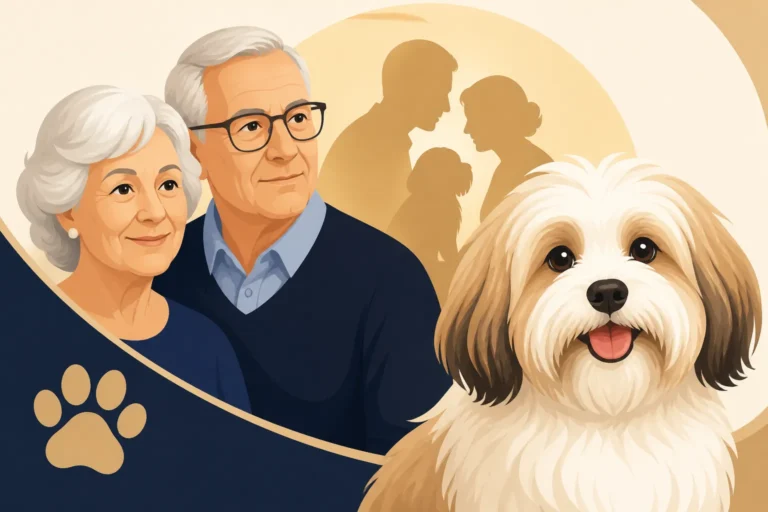
Whether the Havanese Standard Has Changed
As a Havanese parent, it's easy to wonder if the "look" of our beloved little companions has shifted over the years. You might see old photos or read historical descriptions and feel a little disconnect, asking yourself if the breed standard, the official blueprint, has actually changed. This can be a real source of confusion for new and experienced owners alike, trying to understand what defines a "true" Havanese. This guide will dive deep into the world of Havanese breed standards, exploring their history, their purpose, and whether they've undergone significant alterations, helping you understand the enduring essence of this charming Cuban dog.
What Exactly Is a Breed Standard, Anyway?
Before we talk about changes, let's get on the same page about what a breed standard truly is. It's not just a suggestion; it's the detailed written description of the ideal specimen of a breed, a living document created and maintained by a parent club and recognized by major kennel organizations. Think of it as the ultimate guide for what a Havanese should look like, how it should move, and even its characteristic temperament.
The Blueprint for the Ideal Havanese
Every single physical characteristic, from the shape of their eyes to the set of their tail, the texture of their coat, and their overall proportions, is meticulously described. It outlines the acceptable size range, weight, the structure of their bones, the way their legs are set, and how they carry themselves. Even the springy gait that makes a Havanese so distinctive is part of this description. For instance, the standard might specify that the Havanese should be slightly longer than tall, giving them that rectangular silhouette. It also describes The Silky Double Coat a Havanese Grows to the Floor, detailing its texture (silky, not coarse), its length, and even Every Color a Havanese Is Allowed to Be. These descriptions are what judges use in the show ring to evaluate dogs, and what responsible breeders strive for when making breeding decisions. It's their north star, guiding them to preserve the unique qualities of the breed.
Who Writes and Maintains These Standards?
Breed standards are typically developed and upheld by the national breed club, often referred to as the "parent club" for that specific breed. For the Havanese in the United States, that's the Havanese Club of America. Once established, these standards are then recognized and often published by larger national kennel clubs, like the American Kennel Club (AKC). Internationally, organizations like the Fédération Cynologique Internationale (FCI) also publish standards for various breeds, including the Havanese (which they typically refer to as the Bichon Havanais).
The process of creating or modifying a standard is not taken lightly. It involves extensive discussion, research into the breed's history and original purpose, and careful consideration of health and temperament. Any proposed changes go through a rigorous review process, often requiring votes from the parent club members and approval from the overarching kennel club. This ensures that the standard evolves thoughtfully, if at all, and always with the long-term health and integrity of the breed in mind. It’s a slow, deliberate process, which inherently means radical, frequent changes are extremely rare.
The Havanese: A History of Enduring Traits Through Times of Turmoil
To understand whether the Havanese standard has changed, we really need to look at the breed's unique and rather dramatic history. This isn't just about dates and names; it's about how the breed itself survived, which in turn protected its essential characteristics.
From Cuban Aristocracy to Near Extinction
The Havanese is renowned as The Havanese Is the Only Breed Cuba Ever Produced, a true jewel from the island nation. Its ancestors, likely smaller Bichon-type dogs, arrived in Cuba with Spanish traders centuries ago. Over time, these dogs adapted and evolved, possibly with some influence from other breeds like Poodles, leading to the development of The Blanquito de la Habana the Havanese Came From. These charming little dogs became beloved companions of the Cuban aristocracy, living lives of luxury, their long, flowing coats and vivacious personalities making them prized pets. They were often referred to as "Havana Silk Dogs" due to their luxurious coats. This era cemented many of the physical and temperamental traits we associate with the Havanese today: their small size, their silky hair, and their outgoing, affectionate nature, often described as having The Circus Dog Brain Inside a Havanese.
However, this idyllic existence was shattered by the Cuban Revolution in 1959. As many affluent families fled the island, their precious Havanese dogs were often left behind or scattered. The breed faced a genuine crisis, a period where it nearly vanished entirely. How the Havanese Nearly Died Out After 1959 is not an exaggeration; it was a very real threat, and only a handful of individuals managed to bring their dogs with them as they sought new lives abroad.
The Resurgence and Rebuilding of the Breed
Thankfully, the story didn't end there. A few dedicated individuals in the United States, notably Dorothy Goodale, embarked on a monumental effort to save the breed. Dorothy Goodale and the Rebuilding of the Havanese is a testament to passion and perseverance. She, along with a handful of others, sought out the descendants of those original Cuban dogs brought to America by refugees, slowly piecing together a breeding program from a very limited gene pool. It's an incredible thought that The Refugee Dogs Every American Havanese Descends From can be traced back to just a small group of dogs.
Because the re-establishment of the breed began with such a small number of foundation dogs, there was a profound need to be incredibly consistent in breeding. The goal was to recreate the Havanese as it was known in Cuba, using the few examples they had. This meant that the defining characteristics – the size, the coat, the temperament, the structure – were intensely focused upon to ensure the breed's survival and recognition. While there might have been slight variations among those early foundation dogs, the push was always to define and adhere to a unified ideal. This period was not about changing the standard, but about re-establishing it based on historical precedent and the available gene pool, aiming for the most authentic representation possible.
Examining the Major Havanese Standards Today
When we talk about whether the Havanese standard has changed, we're typically looking at the official documents from major kennel clubs. These are the definitive texts that guide breeders and judges.
The American Kennel Club AKC Perspective
The American Kennel Club (AKC) recognized the Havanese relatively recently, in 1996. Their standard is a comprehensive document that meticulously describes the ideal Havanese. It covers everything from their general appearance – a sturdy, compact little dog with a lively gait – to specific details about their head, eyes, ears, body, tail, coat, and color. For example, it specifies that the Havanese should have a scissors bite, dark almond-shaped eyes, and ears that fold to the side of the head. It emphasizes a unique springy gait that is characteristic of the breed.
The AKC standard has been remarkably consistent since its adoption. Any modifications over the years have been minor clarifications or enhancements, never a radical overhaul that would fundamentally change the breed's core appearance or temperament. The purpose of the standard is to preserve the breed, not to redefine it every few years. Breeders adhering to this standard spend significant resources on health testing for conditions like The Eye Diseases a Havanese Inherits and The Kneecaps a Havanese Slips, ensuring that while they maintain type, they also prioritize the dog's well-being.
The Federation Cynologique Internationale FCI View
Globally, many other kennel clubs follow the standard set by the Fédération Cynologique Internationale (FCI). The FCI standard for the Havanese, often referred to as the Bichon Havanais, is very similar to the AKC's. The FCI standard also describes a cheerful, intelligent companion dog, with a long, abundant coat. It details the same general proportions, head shape, and eye characteristics. It, too, emphasizes the lively temperament and the distinctive springy gait.
Historically, the FCI standard has also shown great stability. While there might be slight differences in phrasing or emphasis between the AKC and FCI versions – for instance, one might elaborate more on certain coat textures than the other – these are typically nuances rather than fundamental disagreements on what a Havanese is. The core characteristics that make a Havanese unique remain constant across these major international standards.
How These Standards Have or Haven't Shifted
So, have the written standards significantly changed? The straightforward answer is: not fundamentally. The essence of the Havanese – its size, its unique silky double coat, its sturdy yet elegant build, its intelligent and outgoing temperament – has remained remarkably consistent in the official breed standards of major kennel clubs. This stability is a testament to the dedication of the early breed founders and the parent clubs committed to preserving the breed's integrity.
Any "changes" you might perceive are usually not within the written standard itself, but rather in the interpretation, the emphasis, or the popular "type" that wins in the show ring at any given moment. For example, some might prefer a slightly heavier coat, while others a more compact body. These are subtle shifts within the acceptable parameters of the standard, not a rewriting of the standard itself. The Whether a Havanese From a Small Gene Pool Is Riskier article touches on how the limited founding population shaped the breed, reinforcing the need for careful adherence to established type to avoid further genetic drift.
Why It Might Seem Like the Havanese Standard Has Changed
Despite the remarkable stability of the written breed standards, many people still feel like the Havanese they see today looks different from pictures of Havanese from decades past, or even from one breeder to another. This perception of change often stems from factors outside the official text.
The Evolving "Look" and Popularity Trends
Like many popular breeds, the Havanese has seen its fair share of fads and preferences in the show ring and among pet owners. Sometimes, certain traits within the acceptable range of the standard become more emphasized or fashionable. For instance, a very abundant, flowing coat might be particularly prized in one decade, leading breeders to select for that trait, while in another, a slightly more compact body might catch a judge's eye. These aren't changes to the standard itself, which still allows for a range of variations, but rather shifts in what is considered the "ideal" within that range. It's like fashion; the basic components of a suit remain the same, but the cut or fabric might trend differently over time.
Additionally, as the breed has grown in popularity, more people have become interested in owning Havanese, which naturally introduces more variety into the general population, not all of whom are bred to strict show standards. A Havanese puppy you might find advertised in a local newspaper might look different from a champion show dog, but both could still fall within the broad umbrella of what constitutes a Havanese. You'll find a vast array of products for all Havanese on sites like Chewy, from specialized shampoos for their delicate coats to small-breed-specific food.
Breeder Interpretation and Ethical Considerations
Another significant factor is the individual interpretation of the standard by breeders. While the standard is a detailed document, there's always a degree of subjectivity in how breeders apply it. One breeder might prioritize coat volume, another might focus intensely on gait, and yet another might place greater emphasis on bone structure. All could still be striving for the ideal Havanese within the standard, but their individual focus points might lead to slight differences in the dogs they produce. This is why it's so important to Whether an Untested Havanese Litter Is Worth Buying from a reputable breeder who understands and adheres to the standard comprehensively.
Ethical considerations also play a role. A responsible breeder will not just breed for "prettiness" but will also consider health and temperament, ensuring that the dogs they produce are not only beautiful but also sound and well-adjusted. Sometimes, making choices that promote health, like avoiding extreme features that might lead to breathing difficulties or eye problems, means prioritizing a healthy interpretation of the standard over a potentially exaggerated one that might win in the show ring but could compromise the dog's welfare.
Health and Structure: Always a Balancing Act
While breed standards aim for perfection, the reality of living creatures means that health and structural soundness are paramount. The standard describes an ideal, but breeders must also contend with genetic predispositions common in certain lines or breeds. For example, while the standard defines perfect kneecaps, Havanese are prone to conditions like The Kneecaps a Havanese Slips, also known as luxating patella. A breeder might focus on ensuring good patella health in their lines, which might indirectly influence the overall structure of the hindquarters, even if the written standard hasn't changed.
It's a delicate balancing act to breed for type, health, and temperament. Organizations like the Orthopedic Foundation for Animals (OFA) and the Canine Health Information Center (CHIC) provide health clearances for breeding dogs, ensuring that breeders are testing for common issues. The emphasis on these health certifications means that while the written standard might not change, the practice of breeding has evolved to incorporate more rigorous health screening, indirectly shaping the health profile and structural integrity of the Havanese being produced today. Owners often turn to trusted brands on Chewy for specialized diets or supplements recommended for joint health to support their Havanese.
What the Standard Means for You and Your Havanese
Understanding the breed standard isn't just for show enthusiasts; it's valuable for any Havanese owner or aspiring owner. It helps you appreciate the unique qualities of your dog and make informed decisions.
Choosing a Havanese That Embodies the Standard
When you're looking for a Havanese puppy, knowing about the breed standard empowers you to make a more informed choice. A responsible breeder will be intimately familiar with the standard and be able to discuss how their dogs measure up. They should be transparent about their breeding goals and how they select parents to maintain the ideal Havanese type, temperament, and health. They will often share information about the health tests performed on their breeding dogs, which is directly related to the soundness described in the standard.
For example, if the standard calls for a sturdy, compact dog with a lively gait, you'll want to ask the breeder about the parents' structure and movement. If the standard emphasizes a silky double coat, you can ask about the coat types in their lines. It's not about finding a "perfect" dog, but about understanding what the breed is supposed to be and seeking a puppy that reflects those core characteristics. This knowledge helps you avoid breeders who might be breeding for exaggerated features or who don't prioritize the comprehensive health and structural integrity outlined in the standard. The Health Tests Both Havanese Parents Should Have is an excellent resource for discussing with a prospective breeder.
Living with a Havanese, Standard or Not
For most Havanese owners, their furry companion isn't destined for the show ring, and that's perfectly okay! Your Havanese might have a slightly shorter coat than described in the standard (especially if you opt for The Puppy Cut Most Havanese Owners End Up Choosing), or they might be a pound or two outside the ideal weight range. These deviations don't make them any less of a wonderful Havanese companion. The beauty of a pet Havanese is that they bring joy, affection, and endless entertainment into your life, regardless of how closely they adhere to every line of the breed standard.
The most important takeaways from understanding the standard are appreciating the breed's historical traits, understanding why certain characteristics are valued, and recognizing the efforts of ethical breeders to preserve those qualities. It helps you care for your Havanese better, too. For instance, knowing about their coat type from the standard helps you understand Why a Havanese Mats at Eight Months and Not Before and the importance of regular grooming. Understanding their lively, intelligent nature (a key part of their temperament standard) helps you engage them with appropriate mental and physical stimulation, whether through walks, training, or interactive toys available on Chewy. Ultimately, the standard is a guide, but the love and bond you share with your Havanese are what truly matter.
| Standard Aspect | AKC Havanese Standard | FCI Bichon Havanais Standard | Historical Havanese (Pre-1959) |
|---|---|---|---|
| General Appearance | Sturdy, compact, small dog. Lively, springy gait. | Lively, intelligent, small dog. Characteristic springy gait. | Companion of aristocracy, lively, small. |
| Size (Height) | 8.5 to 11.5 inches (21.5 – 29 cm) | 9 to 10.5 inches (23 – 27 cm), up to 11.5 in (29 cm) tolerated | Small companion, varied slightly but generally within this range. |
| Weight | Typically 7-13 pounds (3-6 kg) | No specific weight stated, but proportional to size. | Lightweight, suited for laps and indoor living. |
| Coat Type | Long, silky double coat. Wavy, not curly. | Very long, soft, silky, wavy (not curled), double coat. | Luxurious, flowing, silky (hence "Havana Silk Dog"). |
| Colors | All colors and patterns allowed. | All colors, often with markings. | Wide variety of colors, common for companion dogs. |
| Temperament | Affectionate, outgoing, intelligent, mischievous. | Exceptionally clever, easy to train, playful. | Cheerful, intelligent, good with families. |
| Eyes | Dark, almond-shaped. | Quite large, almond-shaped, dark brown. | Dark, expressive, conveying intelligence. |
| Tail Set | Carried over the back, plumy. | Carried high over the back in a plume. | Carried proudly over the back, curled. |
Disclaimer
This article is for general informational purposes only and does not constitute professional advice. Laws, prices and regulations vary by location and change over time. Consult a qualified professional for guidance on your specific situation.