Whether a Havanese Gets Disc Disease
It’s a truly frightening moment when your sweet Havanese suddenly yelps in pain, becomes reluctant to move, or starts dragging their back legs. The thought of something serious affecting their spine, like disc disease, can send any devoted pet parent into a tailspin of worry. You might wonder if your beloved companion, with their typically sturdy and playful nature, is truly susceptible to such a debilitating condition. This guide is here to shed light on intervertebral disc disease (IVDD) in Havanese, explaining what it is, how it affects them, and how you can best protect and care for your furry family member.
Understanding Intervertebral Disc Disease IVDD in Dogs
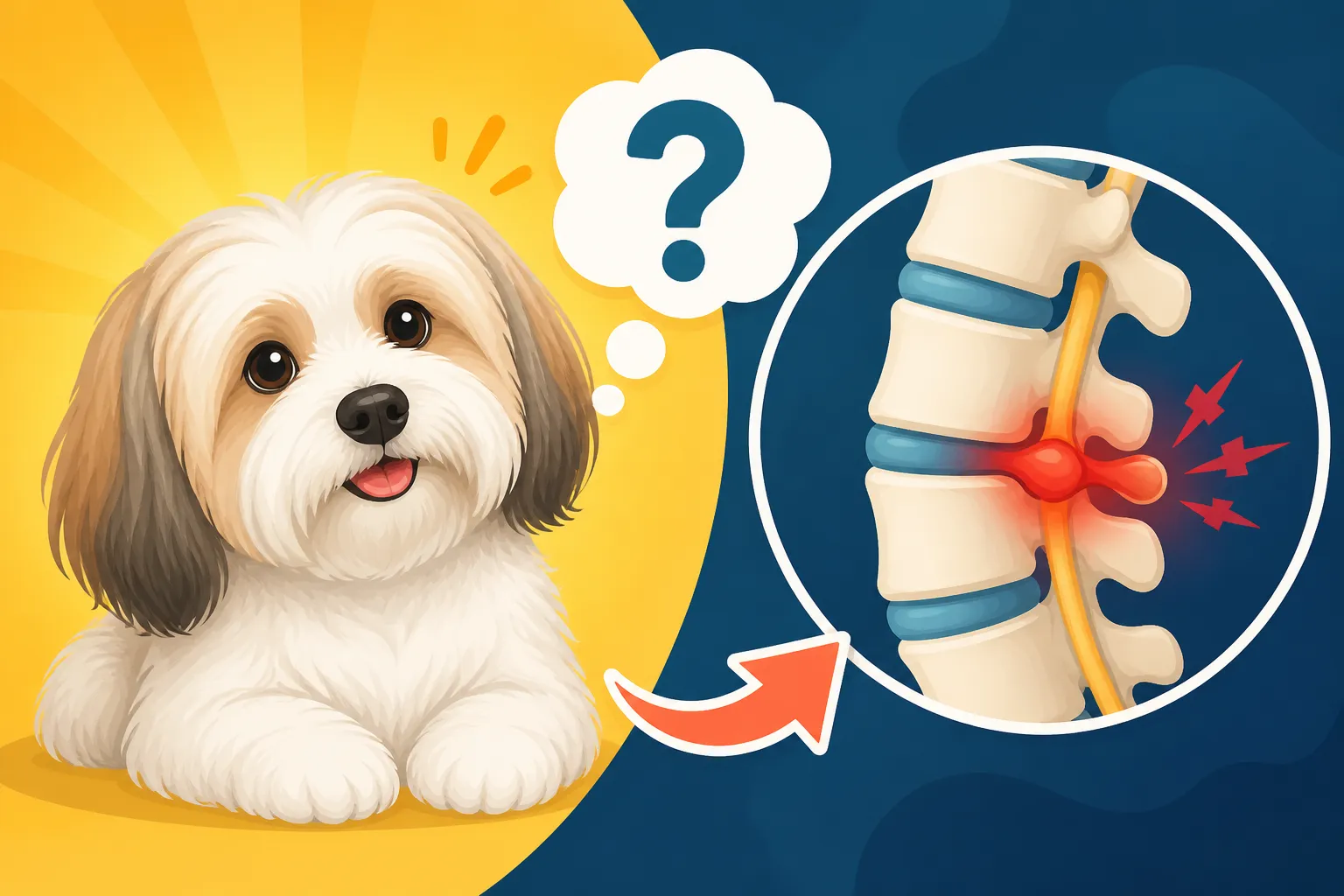
Intervertebral Disc Disease, or IVDD, is a common spinal condition in dogs that can range from mild discomfort to severe pain and even paralysis. It occurs when the cushions between the vertebrae in a dog's spine, known as intervertebral discs, either bulge or rupture, pressing on the spinal cord. This compression can cause a whole host of neurological problems, and it’s something many dog owners, especially of certain breeds, dread.
What is IVDD?
Imagine your dog's spine as a series of bony blocks (vertebrae) stacked on top of each other, and in between each block, there’s a soft, jelly-filled cushion (the disc). These discs act as shock absorbers, allowing for flexibility and protecting the spinal cord from impact. With IVDD, these discs begin to degenerate, losing their elasticity and ability to absorb shock.
There are two main types of IVDD. Type I IVDD is often acute and more dramatic. It occurs when the outer fibrous layer of the disc ruptures, and the soft, jelly-like center suddenly herniates or bursts into the spinal canal, violently compressing the spinal cord. This is most common in chondrodystrophic breeds – those genetically predisposed to abnormal cartilage development, which often manifests as shorter legs. This type of rupture is usually seen in younger to middle-aged dogs.
Type II IVDD, on the other hand, is a slower, more chronic process. In this form, the disc material protrudes gradually over time, slowly compressing the spinal cord. It's more like a bulging disc in humans. This type is typically seen in older, larger breed dogs, but can affect any breed, including Havanese, as they age. Both types can cause significant pain and neurological deficits, but the onset and progression often differ.
Common Symptoms and Progression
Recognizing the signs of IVDD early can make a huge difference in your Havanese's prognosis. Symptoms can vary greatly depending on the location and severity of the disc herniation. You might notice subtle changes at first, which can then escalate quickly.
One of the earliest and most common signs is pain. Your Havanese might yelp when picked up, be reluctant to jump on or off furniture, or show signs of tenderness when you touch their back or neck. They might hold their head in an unusual position or have difficulty turning it. You might see them shivering or trembling, even when it's not cold, which can be a sign of intense pain.
As the condition progresses and the spinal cord compression becomes more severe, you might start to observe neurological deficits. This could include weakness in their hind legs, leading to an unsteady gait or a drunken appearance, often described as ataxia. They might drag their paws or stumble. In more severe cases, you could see partial or complete paralysis of one or more limbs. You might notice that they have trouble controlling their bladder or bowels, which is a critical sign that requires immediate veterinary attention. Some dogs might even lose the ability to feel pain in their affected limbs. The progression can be sudden with Type I, or gradual and intermittent with Type II, with good days and bad days.
Is the Havanese Particularly Prone to Disc Disease?
When considering spinal health, it's natural to think of breeds like Dachshunds or Basset Hounds, which are famously prone to IVDD due to their elongated backs and chondrodystrophic genetics. So, where do Havanese fit in?
Chondrodystrophic Breeds and the Havanese
Havanese are not typically classified as a classic chondrodystrophic breed in the same vein as a Dachshund, whose disproportionately short, bowed legs are a direct result of the specific FGF4 retrogene. However, they are a small breed with a relatively longer back compared to some other toy breeds, which inherently carries some degree of risk when it comes to spinal issues. While their legs aren't excessively short or bowed in the manner of a true chondrodystrophic breed, their overall body conformation means their spine can still be under stress, especially with certain activities.
It's a nuanced distinction. While not as high-risk as the archetypal chondrodystrophic breeds, Havanese are not entirely immune to disc problems. Their smaller size and general activity level mean they can still experience disc degeneration and herniation, especially as they get older. Understanding Whether a Havanese Is Meant to Have Short Legs helps clarify that while they are small, their conformation isn't typically one of severe disproportion that would put them in the highest risk category for Type I IVDD like a Dachshund. However, any breed with a longer back relative to its height can experience issues, and a Havanese is no exception, albeit at a lower statistical incidence than those extreme breeds.
Factors That Increase Risk
Beyond genetic predispositions, several factors can increase a Havanese's risk of developing IVDD. These are often things you, as a loving owner, have some control over.
One of the biggest culprits is obesity. Carrying extra weight puts additional strain on your dog's spine and discs, making them more susceptible to injury and degeneration. Just a few extra pounds on a small Havanese can be like a human carrying a heavy backpack all day, every day – it takes its toll. This is why Whether a Havanese Should Be Kept Slim for Its Joints is such an important consideration.
High-impact activities and repetitive motions can also contribute. Frequent jumping on and off furniture, repetitive stair climbing, or rough play that involves twisting and jarring can stress the discs over time. While Havanese love to play and are quite agile, they aren't built for extreme acrobatics. Accidents, like a bad fall, can also trigger a disc herniation. This highlights why practices like Keeping a Havanese Off Furniture It Should Not Jump From or providing steps, as discussed in Whether a Havanese Should Use Steps to the Couch, are so important for their long-term spinal health.
Age is another significant factor, particularly for Type II IVDD. As dogs get older, their discs naturally lose some of their elasticity and become more brittle. Just like us, older dogs are more prone to wear and tear. Therefore, a senior Havanese, which you might start considering around The Age a Havanese Counts as Senior, will naturally have a slightly higher risk simply due to the aging process.
Diagnosing and Managing IVDD in Your Havanese
If you suspect your Havanese is showing signs of disc disease, don't delay in seeking veterinary attention. Early diagnosis and intervention can dramatically improve the outcome for your dog.
The Diagnostic Process
When you bring your Havanese to the vet with suspected IVDD, the first step will be a thorough physical and neurological examination. Your veterinarian will check their reflexes, assess their gait, test for pain response, and carefully palpate their spine to pinpoint areas of tenderness. They’ll also observe how your dog moves and reacts to different stimuli. This initial examination helps the vet understand the severity and likely location of the problem.
To confirm the diagnosis and determine the exact location and extent of the disc compression, advanced imaging is often required. While X-rays can show general spinal alignment and rule out other issues, they don't provide a clear picture of the soft discs or the spinal cord itself. For definitive diagnosis, your vet will likely recommend a Myelogram, CT scan, or, ideally, an MRI. An MRI (Magnetic Resonance Imaging) is considered the gold standard as it provides detailed images of the spinal cord and discs, allowing the veterinary neurologist to see exactly where the compression is occurring and how severe it is. This precise information is crucial for planning the most effective treatment.
Treatment Options: Conservative vs. Surgical
Once IVDD is diagnosed, your vet will discuss the best course of action, which typically falls into two categories: conservative management or surgery.
Conservative management is often the first approach for dogs with mild to moderate pain, those with intact deep pain sensation, or if surgery isn't an option for medical or financial reasons. This involves strict crate rest, often for 2-6 weeks. This isn’t just lounging in a crate; it means no jumping, running, playing, or stairs – only out for potty breaks on a leash. Alongside rest, your vet will prescribe anti-inflammatory medications (like NSAIDs), muscle relaxants, and pain relievers to reduce inflammation and manage discomfort. The goal here is to allow the disc to heal, or the bulging disc to retract, thereby reducing pressure on the spinal cord. It requires immense dedication from the owner to ensure compliance, as a single jump can undo weeks of progress.
Surgical intervention is typically recommended for dogs with severe pain, significant neurological deficits (like hind leg weakness or paralysis), or those who haven't responded to conservative treatment. The most common surgical procedure for IVDD is a hemilaminectomy, where a portion of the vertebral bone is removed to access and remove the herniated disc material, relieving pressure on the spinal cord. This is a delicate procedure, and its success largely depends on the severity of the spinal cord damage and how quickly it's performed after the injury occurs. The costs associated with such surgery can be substantial, which is why many pet parents find a reliable pet insurance provider, like Healthy Paws, invaluable for covering unexpected medical emergencies.
Post-Treatment Care and Long-Term Outlook
Regardless of whether your Havanese undergoes conservative treatment or surgery, the recovery period is critical and demands significant commitment.
For both approaches, rehabilitation therapy (physiotherapy) plays a huge role in recovery. This might include hydrotherapy (swimming), therapeutic exercises, massage, laser therapy, and electrical stimulation. These therapies help restore muscle strength, improve coordination, reduce pain, and encourage nerve regeneration. Knowing Whether a Havanese Needs Physiotherapy After Surgery can guide your expectations for recovery.
You’ll also need to make home modifications to support your Havanese. This means eliminating opportunities for jumping – perhaps using ramps or dog steps to get on and off furniture, blocking off stairs, and providing non-slip rugs on hard floors. Limiting intense play and ensuring a calm environment are essential for preventing re-injury. You might even find yourself looking into specialized slings or carts if your Havanese has significant mobility issues.
The long-term outlook for Havanese with IVDD varies. Many dogs make a full or significant recovery, especially with early and appropriate treatment. However, some may have residual weakness, an altered gait, or require lifelong management. There's also a risk of recurrence, either at the same site or in a different disc, which highlights the importance of continued preventive care. Regular check-ups with your vet are essential to monitor their progress and address any new concerns, especially as they enter their senior years, which involves Caring for a Havanese Past Twelve.
Preventing Disc Disease in Your Havanese
While some factors like genetics and age are out of our control, there's a lot you can do as a Havanese owner to minimize the risk of disc disease and promote a healthy spine.
Lifestyle Adjustments for Spinal Health
Proactive lifestyle management is your best defense. The primary goal is to minimize stress on your Havanese's spine. This means avoiding activities that involve excessive jumping, twisting, or repetitive impacts. For instance, discourage them from jumping off beds, sofas, or car seats. Instead, train them to use ramps or dog stairs. This isn't about curbing their natural exuberance entirely but channeling it safely.
Ensure their exercise is appropriate for their size and build. While Havanese enjoy playtime and walks, intense agility jumps or rough wrestling matches with larger dogs might be too much. Opt for controlled walks, gentle games of fetch, and puzzle toys that engage their minds without straining their bodies. Remember, a tired Havanese is often a well-behaved Havanese, but fatigue shouldn't come at the cost of spinal health.
Keeping your Havanese at a healthy weight is paramount. Obesity significantly increases the load on their spine and joints. Work with your vet to determine the ideal weight for your individual dog and stick to a balanced diet and portion control. It's much easier to maintain a healthy weight than to take it off once it's gained.
Nutrition and Supplements
While no magic food can prevent IVDD, a high-quality, balanced diet supports overall health, including bone and joint integrity. If your Havanese is prone to weight gain, your vet might recommend a specific diet formulated for weight management or small breeds.
For some Havanese, particularly as they age or if they have a family history of joint issues, joint supplements might be beneficial. Ingredients like glucosamine, chondroitin, MSM, and Omega-3 fatty acids are commonly used to support cartilage health and reduce inflammation. However, it's crucial to discuss any supplements with your veterinarian before adding them to your dog's regimen. They can advise on the right type and dosage, and whether Whether Joint Supplements Help a Havanese is appropriate for your specific dog's needs and health status.
The Role of Regular Vet Check-ups
Never underestimate the power of routine veterinary care. Regular check-ups allow your vet to monitor your Havanese's overall health, including their weight, gait, and any early signs of spinal discomfort that you might miss. Early detection of subtle changes can lead to earlier intervention, potentially preventing a more severe disc incident.
Your vet can also offer personalized advice on appropriate exercise, diet, and preventive measures tailored to your Havanese's age, weight, and individual health profile. They can assess if your Havanese puppy should be checked for a murmur, for example, as part of a comprehensive health screening. Don't hesitate to bring up any concerns about your Havanese's mobility, pain, or behavior during these visits. Being proactive and having an open dialogue with your veterinarian is one of the best ways to ensure your Havanese enjoys a long, healthy, and happy life, free from the debilitating effects of disc disease.
| Symptom Severity | Description | Typical Treatment Approach |
|---|---|---|
| Grade 1 | Mild pain, slight stiffness, reluctant to jump. No neurological deficits. | Conservative: strict rest, pain meds |
| Grade 2 | Moderate pain, wobbling gait (ataxia), weakness in limbs, abnormal posture. | Conservative, potentially surgery if no improvement |
| Grade 3 | Significant weakness, inability to walk without assistance (paresis), loss of coordination. | Surgery often recommended |
| Grade 4 | Paralysis of limbs, but still has deep pain sensation. | Urgent surgery recommended |
| Grade 5 | Complete paralysis and loss of deep pain sensation. | Urgent surgery (prognosis guarded) |
Disclaimer
The information provided in this guide is for general informational purposes only and does not constitute veterinary medical advice. Always consult with a qualified veterinarian for any health concerns or before making any decisions about your pet's health care.