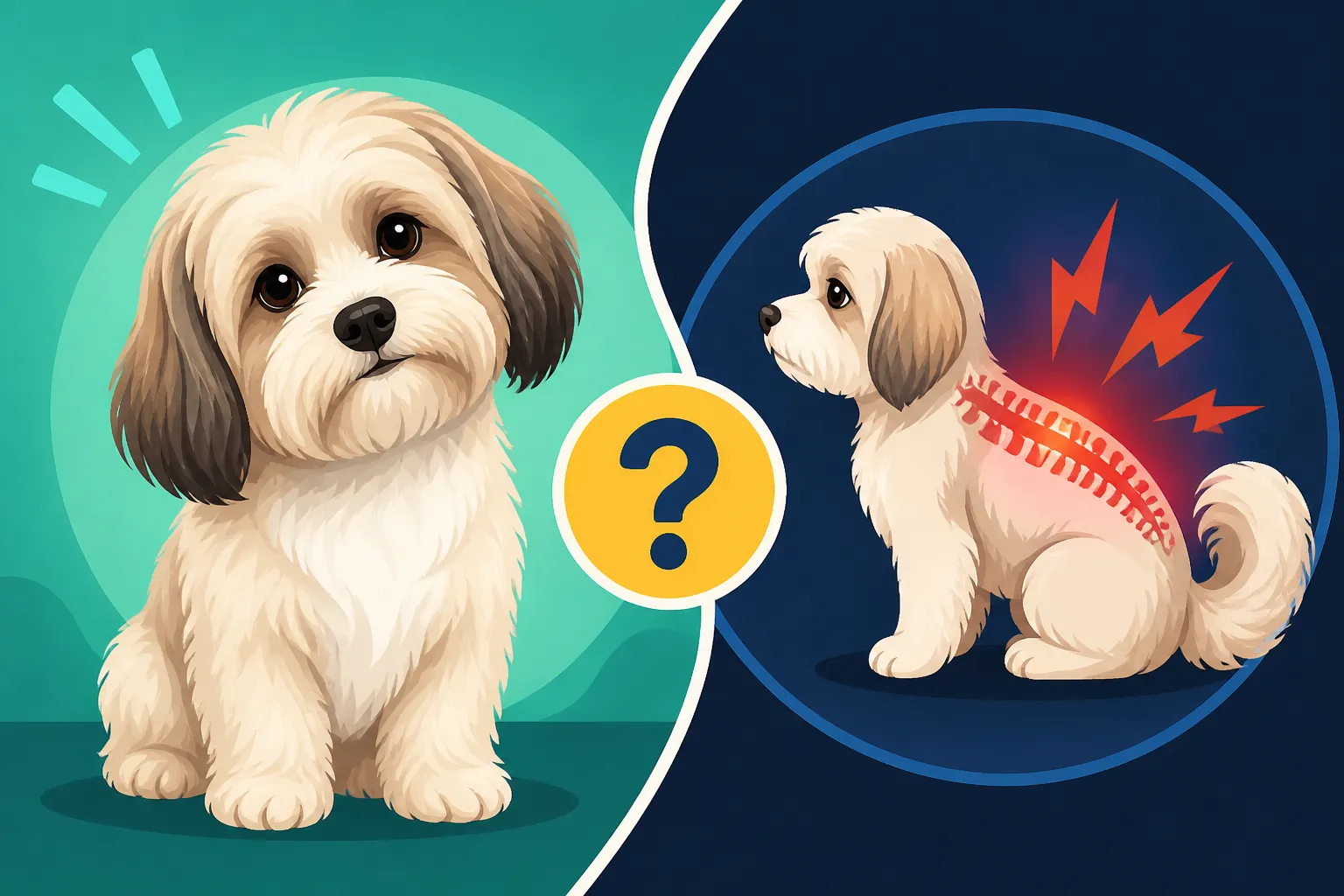
Whether Chondrodysplasia Affects a Havanese’s Back
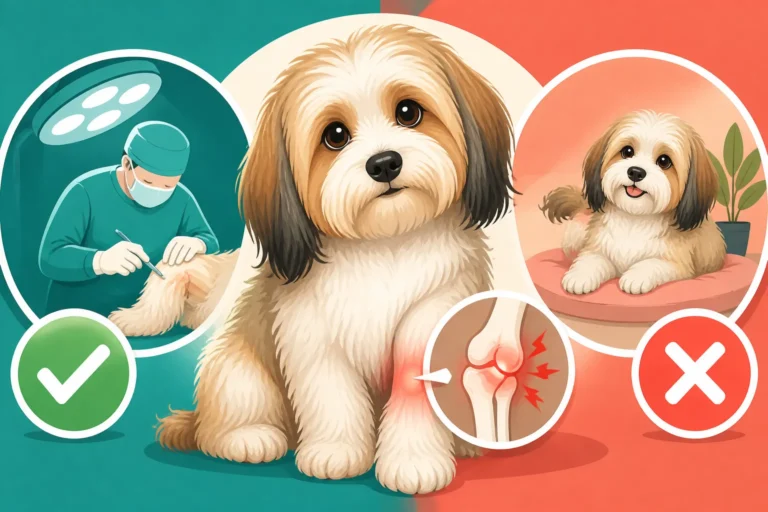
It’s a common worry for Havanese owners, especially when you start noticing a slightly different gait or even just thinking about the unique conformation of this delightful breed: Does chondrodysplasia, that condition often linked to their charming short legs, also bring with it a higher risk of back problems? It’s a valid concern, and navigating the complexities of canine genetics and health can be downright confusing. This comprehensive guide is here to shed light on how chondrodysplasia can, in fact, influence your Havanese's spinal health, what to look for, and most importantly, how to keep your furry friend comfortable and happy.
Understanding Chondrodysplasia in Havanese
Before we dive into the specifics of back issues, it’s crucial to understand what chondrodysplasia actually means for a Havanese. It’s not just a fancy term; it's a genetic condition that affects cartilage and bone development. While often associated with breeds like Dachshunds or Basset Hounds, who have famously exaggerated short legs, it manifests a bit differently, and often more subtly, in Havanese.
What is Chondrodysplasia?
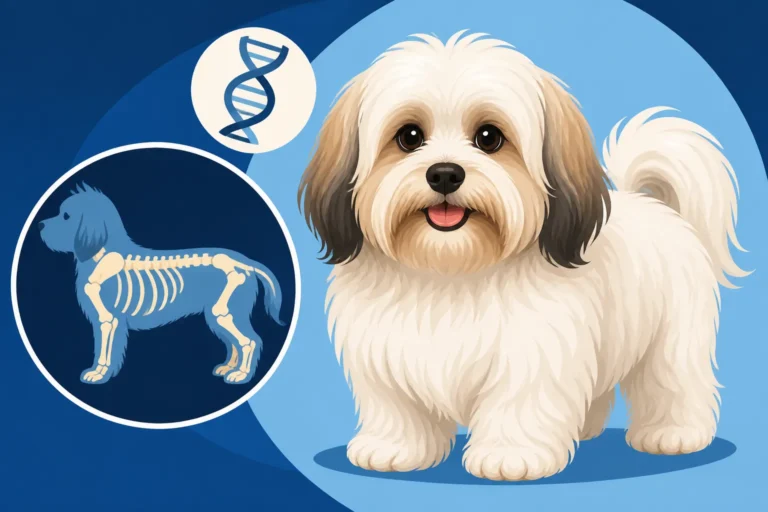
Chondrodysplasia refers to a group of genetic disorders that cause abnormal development of cartilage and bone. In simpler terms, it impacts the way bones grow, particularly the long bones in the legs. For dogs, this typically results in disproportionately short limbs, often with some degree of bowing or curvature. It’s important to clarify that not all short-legged dogs have chondrodysplasia in the same problematic way; some breeds are simply chondrodystrophic, meaning short-limbed, but others have the specific genetic mutation that can predispose them to health issues.
In the Havanese, this particular form of skeletal dysplasia, often referred to as "short-leg gene" or "dwarfism," has been identified. It’s one of those things that can run in certain lines of the breed, contributing to their distinctive, sturdy, yet small stature. Many Havanese carry this gene, and it's what often gives them their characteristic slightly shorter leg appearance compared to other Bichon-type breeds. However, it's not always just an aesthetic trait; it can sometimes have functional implications, and that’s where the back comes into play. For more insight into this condition, you might want to read about The Chondrodysplasia That Runs in Certain Havanese Lines.
How it Manifests in Havanese
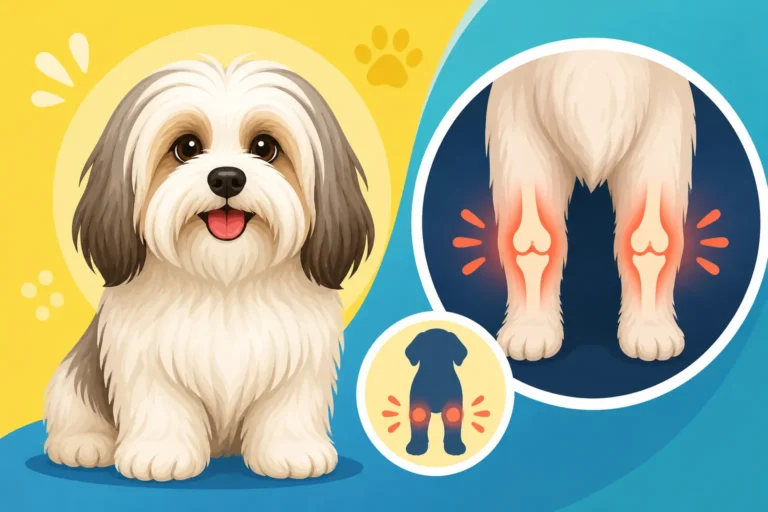
Unlike the extreme shortening seen in some other breeds, chondrodysplasia in Havanese usually presents as a more moderate form. You might notice that your Havanese has slightly shorter, sometimes slightly bowed front legs, giving them a lower-to-the-ground appearance. While many Havanese with this trait live perfectly normal, active lives, the underlying changes in bone and joint structure are what we need to pay attention to.
The impact isn't just confined to the legs. Because the long bones are shorter, the entire skeletal structure compensates. This can subtly alter the way joints align, how muscles develop, and ultimately, how the spine is supported. Imagine a building where the foundational pillars are shorter than planned – the entire structure above has to adjust. This adjustment can place unusual stresses on other parts of the body, including the vertebral column. Breeders who are dedicated to the health of the breed often screen for these conditions, as it can be helpful to know What Chondrodysplasia Does to a Havanese beyond just appearance. This genetic predisposition means we, as owners, need to be extra vigilant about their musculoskeletal well-being.
The Direct Impact on a Havanese's Back and Spine
This is where the core of our concern lies. While chondrodysplasia primarily affects the limbs, the interconnectedness of the canine skeletal system means that alterations in one area can ripple through to others. The spine, being the central support structure, is particularly vulnerable to these compensatory changes.
Spinal Alignment and Vertebral Changes
Dogs affected by chondrodysplasia can have changes in their vertebral bodies as well, not just their limbs. The way the spine forms and aligns can be slightly different, leading to potential areas of increased stress. The intervertebral discs, which act as shock absorbers between the vertebrae, might experience uneven pressure distribution. When the legs are shorter and sometimes less straight, the dog's gait can also be affected, altering how forces are transmitted up through the limbs to the spine.
Consider a Havanese with slightly bowed front legs. This conformation can cause them to carry their weight differently, perhaps placing more strain on their neck and lower back as they move. Over years, these subtle, continuous stresses can contribute to degenerative changes in the spine. Think of it like wearing ill-fitting shoes for a long time – eventually, your knees, hips, and back start to feel it. For a Havanese, these developmental differences, even if mild, can make their back more susceptible to issues down the line. It's not about whether a Havanese is meant to have short legs, but understanding the implications of that conformation.
Increased Risk of Intervertebral Disc Disease (IVDD)
One of the most significant concerns for dogs with chondrodystrophic conditions, even mild ones like in the Havanese, is an elevated risk of Intervertebral Disc Disease (IVDD). IVDD occurs when the discs between the vertebrae harden and become less pliable, making them prone to herniation or bulging. When a disc ruptures or slips, it can press on the spinal cord, leading to pain, neurological deficits, and in severe cases, paralysis.
While IVDD is multifactorial and can affect any dog, breeds with chondrodysplasia are genetically predisposed because their discs tend to degenerate earlier in life. The altered spinal mechanics due to shorter, sometimes bowed legs can exacerbate this predisposition. Imagine a disc already under stress from a slightly compromised spinal alignment; a sudden jump, twist, or even just age-related wear and tear can be enough to cause a problem. This is a big reason why owners of Havanese need to be particularly mindful of their dog's back health. Understanding Whether a Havanese Gets Disc Disease is crucial for preventative care and early intervention. Pet insurance plans, such as those offered by Healthy Paws, often cover expensive conditions like IVDD if it's not a pre-existing condition, making it a wise consideration for Havanese owners.
Recognizing Back Pain and Mobility Issues
Identifying back pain in dogs can be tricky because they often hide discomfort. Havanese, with their cheerful and resilient personalities, might mask pain until it becomes severe. Knowing what to look for and when to act is key to helping your furry companion.
Subtle Signs of Discomfort
Back pain isn't always obvious. It doesn't always present as a sudden yelp or an inability to walk. Often, it begins with subtle changes in behavior or movement that can be easy to miss if you're not paying close attention. One of the first things you might notice is a reluctance to perform certain actions they once enjoyed. Perhaps your Havanese hesitates before jumping onto the couch, or they struggle to go up or down stairs, even if they used to bound up them effortlessly. A stiff or altered gait, where they seem to be walking more cautiously or rigidly, can also be a sign. They might arch their back, or conversely, carry it in a more hunched position.
Other indicators can include a change in appetite, becoming withdrawn, or being unusually irritable when touched, especially along their spine. Some dogs might shiver or pant excessively, even when not hot or exercising, indicating pain. If your Havanese typically loves to be petted, but suddenly flinches or pulls away when you reach for their back, that's a red flag. Pay attention during playtime; are they as agile as before, or do they seem to tire more quickly or refuse to engage in certain movements? These small shifts are your Havanese’s way of communicating discomfort.
When to Seek Veterinary Attention
Any persistent or worsening signs of back pain or changes in mobility warrant a trip to the vet. Don't wait until your Havanese is in obvious agony or unable to walk. Early intervention can make a huge difference in managing and even preventing the progression of spinal issues. If you observe any of the subtle signs mentioned above, or if your Havanese suddenly experiences severe pain, lameness, dragging of limbs, or an inability to stand, it's an emergency.
Your veterinarian will perform a thorough physical and neurological examination. They might gently palpate your dog's spine to pinpoint areas of tenderness. Often, X-rays are the first diagnostic tool, which can reveal changes in vertebral spacing, bone spurs, or other skeletal abnormalities. In some cases, more advanced imaging like an MRI or CT scan may be recommended to get a detailed look at the spinal cord and discs, especially if IVDD is suspected. Remember, delaying veterinary care can lead to more severe outcomes and potentially permanent damage. Having a good pet insurance plan from providers like Healthy Paws can also ease the financial burden of diagnostic imaging and potential treatments for spinal issues.
Proactive Management and Prevention Strategies
While you can't change your Havanese's genetics, you can absolutely take proactive steps to support their spinal health and minimize the risk of back problems, especially if they have chondrodysplasia. Prevention and careful management are key to ensuring a long, comfortable life.
Environmental Modifications for Back Health
Making your home a back-friendly environment for your Havanese is one of the most effective preventative measures. The biggest culprits for spinal injuries in small dogs are jumps and falls. Think about all the places your Havanese jumps from: beds, couches, chairs, stairs. Providing ramps or dog-friendly steps to these elevated surfaces can significantly reduce the impact and stress on their spine. This is especially true for senior Havanese or those already showing signs of stiffness. You should read more about Keeping a Havanese Off Furniture It Should Not Jump From.
Slippery floors are another hazard. Hardwood, tile, or laminate floors can cause your Havanese to slip and slide, leading to sudden twists or falls that can injure their back. Placing rugs or runners in high-traffic areas can provide better traction. Additionally, ensure their bedding is supportive and comfortable. Orthopedic beds can be a godsend, especially for older dogs, distributing weight evenly and reducing pressure on joints and the spine. While a little jump might seem harmless, repeated strain adds up, particularly with a predisposed condition.
Weight Management and Supplements
Maintaining an ideal body weight is paramount for spinal health in any dog, but it's even more critical for a Havanese with chondrodysplasia. Every extra pound puts additional stress on their joints and spine, accelerating degenerative changes and increasing the risk of disc problems. Work with your vet to determine the ideal weight for your individual Havanese and stick to a feeding plan that helps them maintain it.
Joint supplements can also play a supportive role. Ingredients like glucosamine, chondroitin sulfate, and MSM are often recommended to support cartilage health and reduce inflammation. Omega-3 fatty acids, like those found in fish oil, also have anti-inflammatory properties that can benefit joint and spinal health. While supplements aren't a magic bullet or a cure, they can contribute to overall joint wellness and potentially slow the progression of degenerative changes. Always consult your veterinarian before starting any new supplements to ensure they are appropriate for your dog and won't interact with any other medications. For more information, check out Whether Joint Supplements Help a Havanese.
Regular Veterinary Care and Monitoring
Consistent veterinary check-ups are essential. During these visits, your vet can assess your Havanese's gait, posture, and spinal flexibility. They can also monitor for any subtle changes in their musculoskeletal system that might indicate an emerging issue. Discussing your Havanese's daily activities and any observations you've made about their movement or behavior can provide valuable insights for your vet.
In some cases, especially if your Havanese is showing early signs of spinal issues, your vet might recommend specific exercises or physical therapy to strengthen core muscles that support the spine. Hydrotherapy, for instance, allows for low-impact exercise that builds muscle without stressing joints. A comprehensive care plan, which might involve medication for pain management or anti-inflammatory purposes if needed, will be tailored to your Havanese’s specific needs. Being proactive with routine care ensures that any potential issues related to chondrodysplasia and its effect on the back are caught and addressed as early as possible. Remember, a pet insurance policy from a company like Healthy Paws can provide crucial financial assistance for ongoing therapies and treatments.
Table: Common Back Issues and Their Signs
Here's a quick reference table to help you identify common back issues in your Havanese and what signs to look out for:
| Back Issue | Common Signs to Watch For | Severity & Urgency |
|---|---|---|
| Intervertebral Disc Disease (IVDD) | Reluctance to jump/use stairs, arched back, hind leg weakness/dragging, yelping in pain, loss of bladder/bowel control, paralysis. | Can range from mild to severe, often urgent. |
| Spondylosis Deformans | Stiffness, reduced flexibility, mild pain, especially after rest. Often asymptomatic. May worsen with age. | Generally mild, but can lead to chronic discomfort. |
| Lumbar Sacral Stenosis | Difficulty rising, weakness in hind legs, pain when tail is lifted, incontinence. | Can be moderate to severe, progressive. |
| Muscle Strains/Sprains | Sudden onset of pain, lameness, reluctance to move, sensitivity to touch. | Usually acute, resolves with rest and medication. |
| Arthritis (Spinal) | General stiffness, difficulty getting up, reduced activity, discomfort in cold weather. | Chronic, progressive, requires ongoing management. |
It's important to remember that this table is for informational purposes only and does not substitute professional veterinary advice. If you suspect your Havanese is experiencing any of these issues, please contact your veterinarian immediately. Early diagnosis and treatment are always best.
Disclaimer
The information provided in this article is for general informational purposes only and does not constitute veterinary advice. Always consult with a qualified veterinarian for any health concerns or before making any decisions about your Havanese's care.