Whether a Havanese Recovers Fully From Hip Surgery
It's incredibly frightening when your beloved Havanese faces a health crisis, especially one as daunting as hip surgery. The thought of your small, lively companion undergoing such an invasive procedure, and the uncertainty of their future mobility, can be overwhelming. This comprehensive guide is here to walk you through the recovery process after hip surgery for your Havanese, helping you understand what "full recovery" truly means and how you can best support your furry friend every step of the way.
Understanding Hip Challenges in Your Havanese
Havanese, while generally a robust breed, aren't entirely immune to orthopedic issues, and sometimes, hip surgery becomes a necessary intervention. It’s a huge decision, one filled with anxiety about the outcome. Understanding the "why" behind the surgery can help set the stage for understanding the recovery.
Common Hip Conditions in Havanese
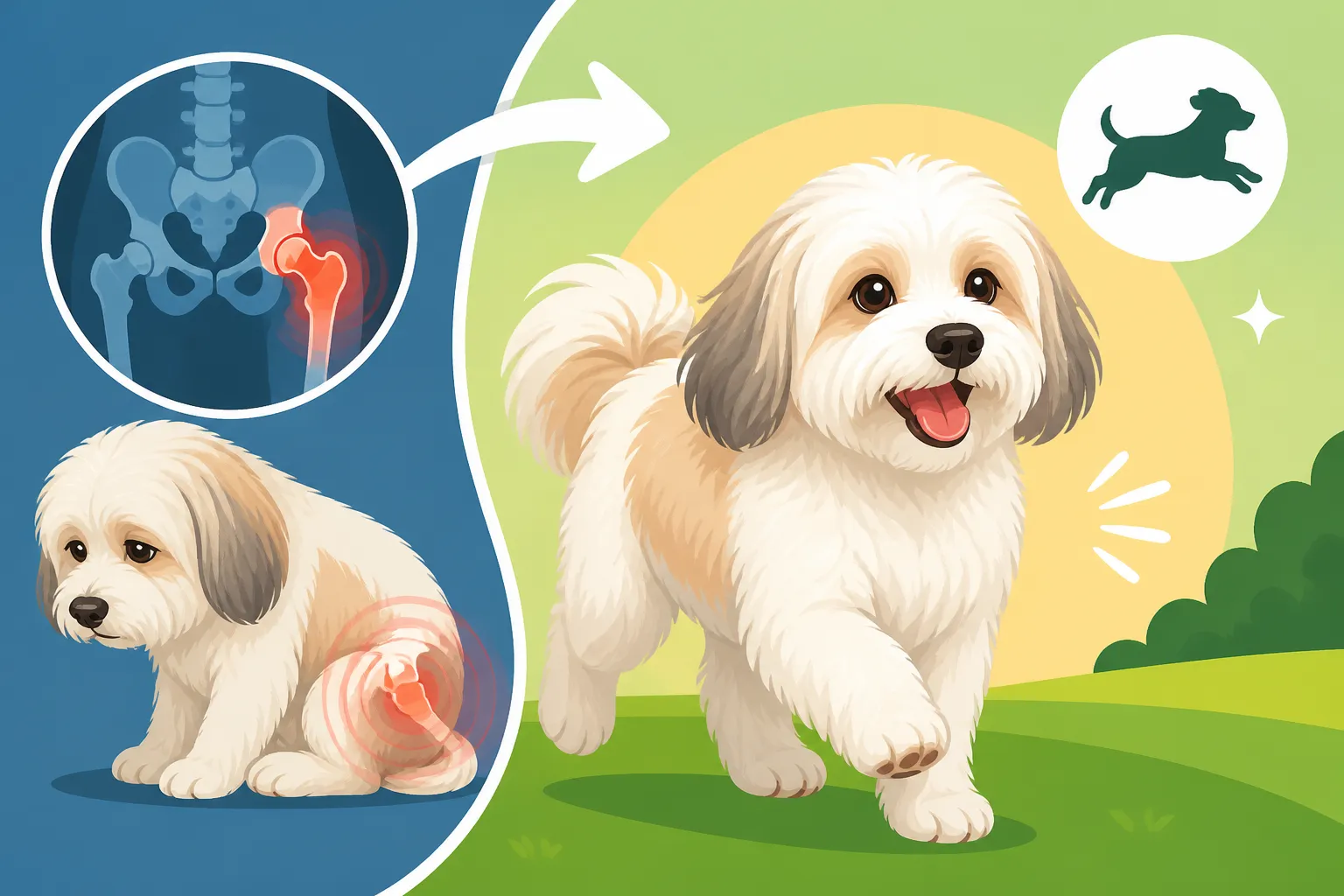
When we talk about hip surgery in a small breed like the Havanese, we're usually referring to a few specific conditions. The most common culprit in many small breeds, including our fluffy Havanese, is Legg-Calve-Perthes disease (LCPD). This isn't your typical hip dysplasia, which is more prevalent in larger breeds. Instead, LCPD is a condition where the blood supply to the head of the femur (the ball part of the hip joint) temporarily diminishes, causing the bone to die and eventually collapse. It's often seen in puppies or young adult Havanese, and you might notice your puppy starting to show signs of Legg Calve Perthes and the Limping Havanese Puppy around 4 to 12 months of age.
Another less common, but equally serious, reason for hip surgery could be a traumatic injury, such as a fracture or dislocation caused by an accident. While Havanese are sturdy, their small size can make them vulnerable to falls or impacts if they jump off high furniture or have an unfortunate run-in with a larger dog. Sometimes, severe cases of luxating patella (slipping kneecap) can indirectly affect hip mechanics over time, although direct hip surgery is rare for this, it highlights the interconnectedness of their delicate joint structures. If you've ever wondered about The Age a Havanese Shows Hip Pain, it can vary wildly depending on the underlying cause, from puppyhood for LCPD to later years for arthritis related to joint wear.
The Surgical Process: What to Expect from Your Vet
The decision for hip surgery, often a Femoral Head Ostectomy (FHO) for Havanese, usually comes after careful diagnosis by your veterinarian, which might include X-rays and a physical examination. An FHO involves removing the head and neck of the femur, essentially eliminating the painful bone-on-bone friction that occurs in conditions like LCPD. The body then forms a "false joint" made of scar tissue. It sounds drastic, but for a small dog, it can be incredibly effective at restoring pain-free mobility. You might be asking yourself Whether a Havanese Needs Femoral Head Surgery and your vet will guide you through this, considering your dog's age, severity of the condition, and overall health.
Before the surgery, your vet will conduct pre-operative blood work to ensure your Havanese is healthy enough for anesthesia. On the day of the procedure, your little one will typically be admitted in the morning. The surgery itself usually takes a couple of hours. Afterward, your Havanese will be kept in recovery, closely monitored for pain and complications. Most Havanese will stay overnight for at least one night, sometimes two, depending on how they're recovering and how well their pain is managed. This initial period is crucial, and your vet team will be vigilant about their comfort and stability.
The Immediate Post-Operative Journey
Bringing your Havanese home after hip surgery can feel like a huge relief, but it's also when the real work of recovery begins. The first few weeks are critical, requiring unwavering dedication and a keen eye for your dog's comfort and progress. It’s a demanding time, both emotionally and practically, but it’s absolutely essential for a successful outcome.
Managing Pain and Discomfort
Your Havanese will come home with pain medication, and adhering strictly to the prescribed schedule is paramount. This isn't just about comfort; it allows them to start using the leg gently, which is vital for building muscle and preventing stiffness. Medications typically include anti-inflammatories and often a pain reliever. Don't skip doses, even if your Havanese seems comfortable, as the medication is working to keep them comfortable.
Beyond medication, creating a soothing environment helps immensely. A soft, comfortable bed in a quiet area where they won't be disturbed is ideal. Some Havanese might appreciate a little extra warmth from a blanket or a soft heated pad (always ensure it's not too hot and has a low setting). Watching for subtle signs of pain – a reluctance to move, whimpering, panting, or changes in appetite – is your job. If you notice anything concerning, don't hesitate to call your vet. They are your partners in this journey and can adjust medication or offer advice.
Activity Restriction: The Hardest Part
This is often the most challenging aspect for a spirited Havanese! Immediately after surgery, strict rest is non-negotiable. This means no jumping, no running, no playing, and no stairs for several weeks. Your Havanese will need to be leash-walked for bathroom breaks only, and even then, kept on a very short leash to prevent sudden movements. Imagine trying to explain this to a lively little Havanese who just wants to zoom around!
A crate or a small, enclosed pen becomes their best friend during this period. It provides a safe, confined space where they can't overdo it. If your Havanese is a jumper, you’ll need to be extra vigilant about Keeping a Havanese Off Furniture It Should Not Jump From even after they've recovered, but especially now. Ramps or steps can be introduced later to allow them access to their favorite spots without strain. This is a time for calm, quiet companionship, not energetic play. My little Bella, after a different orthopedic surgery, spent weeks in her pen, and while I felt awful, it truly made all the difference in her healing.
Monitoring for Complications
While complications are rare with proper post-operative care, it’s crucial to know what to look for. Keep a close eye on the incision site. It should be clean and dry. Report any excessive redness, swelling, discharge, or foul odor to your vet immediately. Also, watch for any signs of infection, such as fever, lethargy, or loss of appetite.
Beyond the incision, monitor their general demeanor and mobility. Is your Havanese putting any weight on the operated leg, even just toe-touching? Is their appetite normal? Are they drinking water? Any drastic change could be a sign of an issue. Remember that the recovery period is not linear; there will be good days and perhaps some days that feel like a step backward. Patience and consistent communication with your veterinary team are your strongest tools during this phase. This intensive care can be financially demanding, highlighting why many prudent Havanese owners consider comprehensive pet insurance, such as plans from Healthy Paws, early on to help mitigate unexpected veterinary expenses.
Comprehensive Rehabilitation: Key to Full Recovery
True recovery after hip surgery for a Havanese extends far beyond the initial healing of the incision. It's an active, ongoing process of rebuilding muscle, restoring range of motion, and re-educating the limb to function correctly. This is where dedicated rehabilitation becomes the absolute cornerstone of achieving a full and functional recovery.
The Role of Physical Therapy
Think of canine physical therapy (PT) for your Havanese just like human physical therapy. It’s not just about letting the leg heal; it’s about making it strong and functional again. Your vet will likely recommend a structured rehabilitation program, and for good reason. Early, controlled movement is essential for preventing scar tissue from becoming restrictive and for stimulating muscle regrowth. For a small dog that has undergone a Femoral Head Ostectomy (FHO), the surrounding muscles need to strengthen significantly to compensate for the missing femoral head and stabilize the newly formed false joint.
A certified canine rehabilitation therapist will design a tailored program for your Havanese. This might include gentle range-of-motion exercises, therapeutic exercises to build muscle, balance work, and even hydrotherapy (underwater treadmill) which is fantastic for low-impact strengthening. These sessions are invaluable, as therapists can assess your Havanese's progress, adjust exercises, and teach you techniques to continue at home. Don't underestimate Whether a Havanese Needs Physiotherapy After Surgery; it's often the single biggest factor in determining how well they recover. Without it, muscles can atrophy, and stiffness can persist, leading to a less than ideal outcome.
Home Exercise Programs and Environmental Modifications
While professional physical therapy sessions are crucial, the bulk of the rehabilitation happens at home, under your careful supervision. Your therapist will provide you with a detailed home exercise program (HEP) to perform daily. This might involve gentle massages, passive range of motion exercises where you carefully move the limb, short, controlled walks on soft surfaces, and simple balance exercises. It’s a commitment, requiring patience and consistency, but every little bit helps in restoring strength and flexibility to the hip.
Beyond exercises, you'll need to continue making environmental modifications to support your Havanese's healing. Keep slippery rugs or runners on hard floors to provide traction and prevent slips that could reinjure the hip. Continue to prevent jumping onto or off furniture, perhaps using doggy steps or ramps if they absolutely must access certain areas. This might also mean carrying them up and down stairs for a longer period than you initially anticipated. Remember, preventing re-injury is just as important as the rehabilitation itself.
Nutrition and Weight Management
Good nutrition plays a supportive role in healing. A balanced diet appropriate for your Havanese's age and activity level will provide the necessary building blocks for tissue repair and muscle development. Your vet might recommend specific supplements, such as omega-3 fatty acids or joint-supporting ingredients like glucosamine and chondroitin, to aid in joint health and reduce inflammation, especially during the recovery phase.
Critically, maintaining a healthy weight is absolutely essential for joint health, both during recovery and for the rest of your Havanese's life. Even a few extra pounds can put significant strain on their joints, especially a healing or surgically repaired hip. If you've been wondering Whether a Havanese Should Be Kept Slim for Its Joints, the answer is an emphatic yes, always, but particularly after hip surgery. Work with your vet to determine the ideal weight for your Havanese and adjust their diet and exercise regime accordingly. Keeping them lean will significantly reduce the load on their new false joint, promoting comfort and longevity.
Long-Term Outlook and Life Beyond Surgery
The question on every Havanese owner's mind is, "Will my dog fully recover?" The answer, happily, is often a resounding yes, but it’s important to define what "full recovery" truly means for a small breed post-hip surgery. It might not mean anatomical perfection, but it certainly means a high quality of life.
Defining "Full Recovery" for a Havanese
For a Havanese undergoing FHO surgery, "full recovery" typically means regaining excellent functional use of the operated limb. This means they can run, play, jump (appropriately, with prevention measures in place!), and enjoy their normal activities without significant pain or lameness. Their gait might have a slight difference compared to before surgery or compared to their other limb, but it should be largely unnoticeable in their everyday movements. The goal isn't necessarily to restore the hip to its pre-injury state (which, in cases like LCPD, was already compromised), but to create a pain-free, stable, and functional joint.
Many Havanese, especially with dedicated rehabilitation, go on to live completely normal, active lives. They can chase squirrels, romp in the park, and snuggle on the couch just as before. It's a testament to their resilience and the effectiveness of modern veterinary medicine and rehabilitation techniques. The determination of these little dogs is truly inspiring during their recovery journey!
Potential Lingering Effects and Ongoing Care
While functional recovery is typically excellent, it's wise to acknowledge that the operated hip may not be exactly the same as an unoperated one. Some Havanese might experience a slight decrease in full range of motion, or a tendency for the leg to be held slightly differently. Most importantly, as they age, they might be more predisposed to Arthritis in a Havanese at Twelve in the operated hip, just like any joint that has undergone significant trauma or surgery.
This means ongoing, proactive care is important. Regular veterinary check-ups are key to monitor joint health. Your vet might recommend continuing joint supplements long-term, and maintaining a healthy weight remains crucial to minimize stress on all joints. Regular, moderate exercise is good for muscle tone and flexibility, but avoiding high-impact activities or excessive strain on the hip will help protect it over the years. This isn't about limiting their joy, but about smart, thoughtful care to support their long-term well-being. Keeping a vigilant eye on any changes in their gait or comfort levels is also a wise practice, allowing you to address any issues promptly.
Embracing a New Normal and a Long, Happy Life
Ultimately, the vast majority of Havanese dogs who undergo hip surgery, particularly FHO for conditions like Legg-Calve-Perthes, recover wonderfully and go on to live long, happy, and pain-free lives. The journey might be challenging, filled with careful management, diligent physical therapy, and a whole lot of love, but the outcome is incredibly rewarding. Witnessing your Havanese regain their playful spirit and comfortable mobility makes every effort worthwhile.
Focus on celebrating their progress, no matter how small. A few steps without a limp, a wagging tail during exercises, a comfortable night's sleep – these are all victories. With your commitment, your vet's expertise, and potentially the financial support from pet insurance like Healthy Paws for those unforeseen medical needs, your Havanese can absolutely thrive. They have the potential to enjoy The Fourteen to Sixteen Years a Havanese Lives to the fullest, a long, joyful life full of cuddles, games, and companionship, even after facing such a significant medical challenge.
Here’s a look at the typical rehabilitation phases for your Havanese:
| Phase | Duration | Primary Focus | Key Activities & Goals |
|---|---|---|---|
| Phase 1: Acute Post-Op | Weeks 1-2 | Pain Management & Incision Healing | Strict rest, leash walks for potty, cold/warm compresses, gentle massage, passive range of motion (PROM) |
| Phase 2: Early Rehab | Weeks 3-6 | Controlled Mobility & Muscle Activation | Longer, controlled leash walks, introduction of therapeutic exercises (e.g., controlled squats, balance), hydrotherapy (if available) |
| Phase 3: Intermediate | Weeks 7-12 | Strength Building & Proprioception | Progressive increase in exercise intensity, incline walking, weaving, light play on soft surfaces, introduction of stairs (controlled) |
| Phase 4: Advanced/Return to Activity | Month 3-6+ | Endurance & Full Function | Gradual return to normal activity, agility exercises, hiking, continued maintenance exercises, weight management |
Remember, this is a general guideline, and your Havanese's specific recovery plan will be tailored by your veterinary team and rehabilitation therapist. Always prioritize their comfort and never push them too hard. Planning for such extensive care also highlights the value of good financial preparation, perhaps even Setting Money Aside for a Havanese's Vet Bills or investing in a reliable pet insurance plan.
Disclaimer
The information provided in this article is for general informational purposes only and does not constitute veterinary advice. Always consult with a qualified veterinarian for any health concerns or before making any decisions about your pet's medical care.