Whether a Havanese Reacts Badly to Anesthesia
It’s a moment every Havanese parent dreads: the vet tells you your beloved fluffball needs a procedure requiring anesthesia. Immediately, your mind races. You’ve heard whispers, perhaps seen posts online, about tiny dogs and anesthesia risks. The worry is real and completely valid; you just want to know if your Havanese is particularly vulnerable and what you can do to keep them safe. This guide will walk you through everything you need to know about Havanese and anesthesia, easing your fears with practical, detailed insights.
Understanding Anesthesia and Small Breed Concerns
Bringing your Havanese to the vet for a procedure, whether it's a routine dental cleaning or something more involved, often means facing the reality of anesthesia. It’s natural to feel anxious, especially since toy breeds like our Havanese can sometimes respond differently to medications than their larger counterparts. It's not about being inherently "bad" at anesthesia, but rather about their unique physiology requiring a more tailored approach.
Why Small Dogs Can Be Different Under Anesthesia
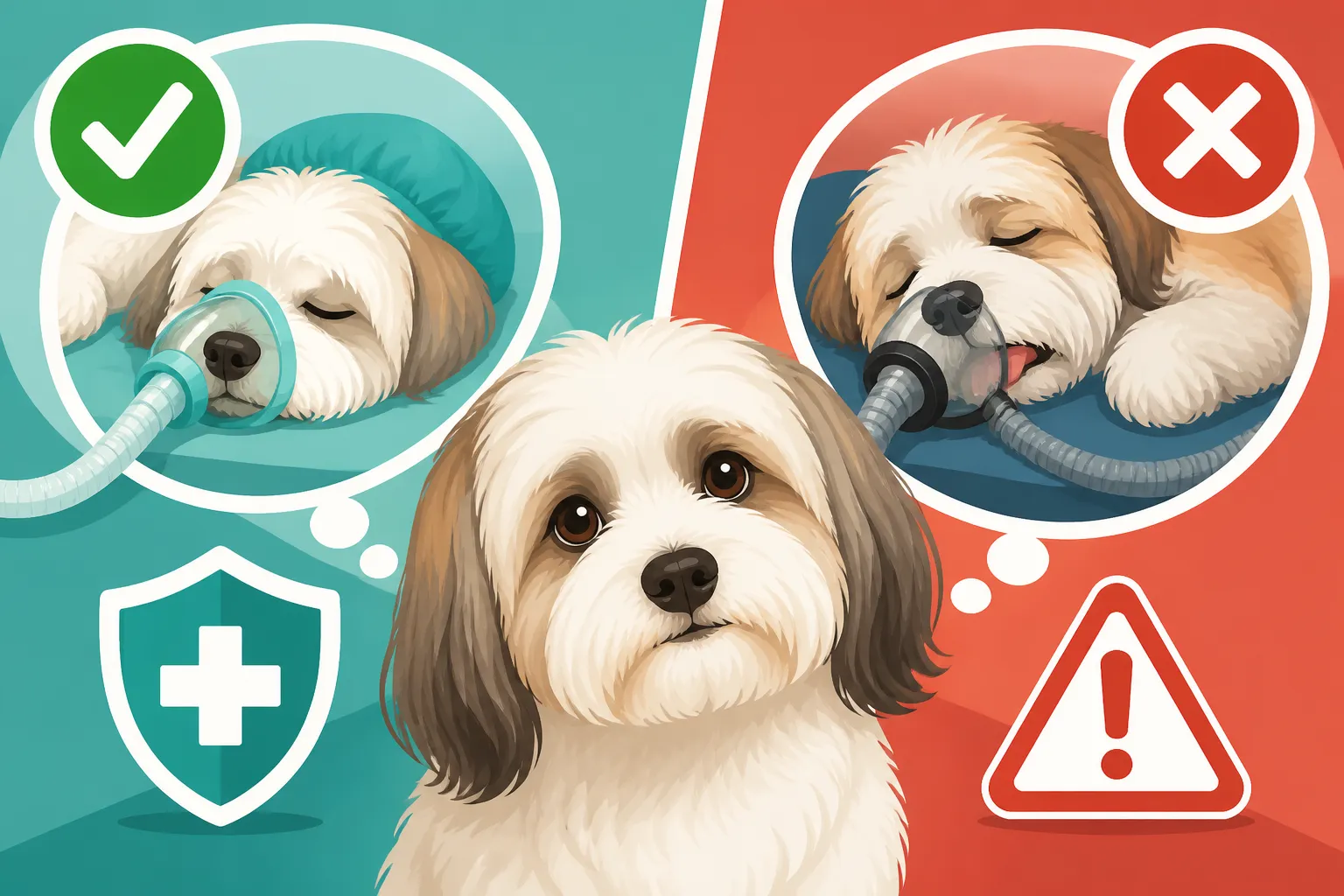
Havanese, with their charming personalities and small stature, have some physiological characteristics that vets take into account when planning anesthesia. One of the primary concerns is their surface area to volume ratio. Simply put, smaller dogs lose heat much faster than larger dogs, making them prone to hypothermia during surgery. Maintaining a stable body temperature is absolutely critical, as a significant drop can slow down metabolism, delay recovery, and increase the risk of complications. That's why you'll often see warming blankets, forced-air warming systems like Bair Huggers, or even warm IV fluids being used during and after your Havanese's procedure.
Beyond temperature, small dogs can also have different metabolic rates, meaning how quickly their bodies process drugs. Anesthetic dosages aren't just scaled down proportionally from a large dog's dose; they need careful calculation based on lean body mass, age, and overall health. Overdosing or underdosing can have serious consequences. Their smaller blood volume also makes careful monitoring of blood pressure paramount, as even minor blood loss can be more impactful for them. Additionally, their delicate tracheas require precise endotracheal tube placement to ensure a clear airway without causing irritation or damage.
General Anesthesia vs. Sedation in Havanese Procedures
When your Havanese needs a procedure, your vet might discuss either sedation or general anesthesia. It’s important to understand the distinction, though both carry some level of risk and require careful monitoring. Sedation typically involves using lighter drugs to calm and relax your dog, making them drowsy but often still somewhat aware of their surroundings. This might be used for quick procedures like X-rays, minor wound cleaning, or sometimes for calming an anxious dog during a simple exam. While less profound than general anesthesia, it's not without its risks. Sedation can still affect cardiovascular and respiratory function, and proper monitoring is still essential.
General anesthesia, on the other hand, means your Havanese will be completely unconscious, pain-free, and immobile, requiring an endotracheal tube to maintain an airway and deliver anesthetic gas. This is necessary for any surgical procedure, dental cleanings, or anything that involves significant discomfort or requires your dog to be absolutely still for an extended period. For instance, procedures to address issues like The Kneecaps a Havanese Slips or complex dental work will always require general anesthesia. The goal is to induce a state where your Havanese is unaware of what's happening, while simultaneously supporting their vital functions throughout the process.
Common Anesthesia Risks and How to Mitigate Them
No matter how routine a procedure may seem, anesthesia always carries some inherent risks. For Havanese owners, understanding these risks and, more importantly, how modern veterinary medicine works to mitigate them, can provide a great deal of comfort. It's all about preparation, vigilance, and skilled care.
Identifying Pre-Existing Conditions
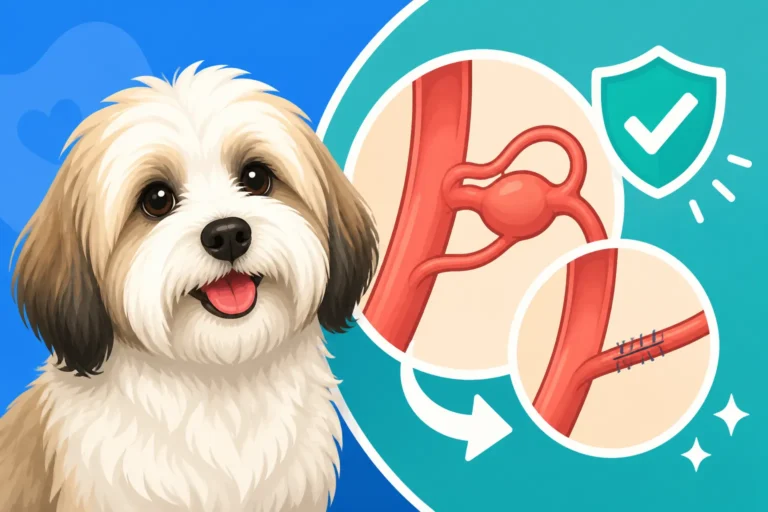
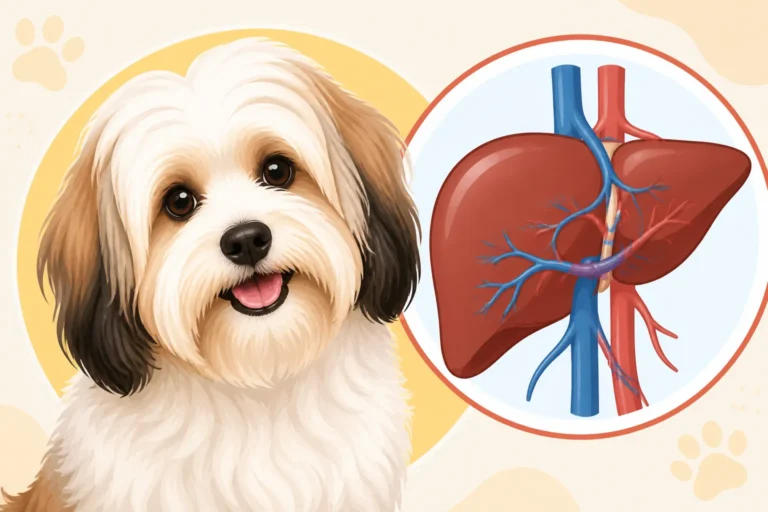
One of the most crucial steps in ensuring a safe anesthetic experience for your Havanese is a thorough pre-anesthetic screening. This isn't just a formality; it's a deep dive into your dog's current health status to identify any underlying issues that could increase anesthetic risk. For Havanese, common concerns might include cardiac issues like The Heart Murmur an Older Havanese Develops, which could progress to Whether a Havanese Gets Heart Failure, or congenital problems such as The Liver Shunt a Havanese Puppy Shows Before Six Months. A puppy, for example, might be screened for a murmur before a spay/neuter surgery, and an older Havanese should absolutely have their heart checked before any significant procedure.
Pre-anesthetic blood work is standard practice and provides a snapshot of organ function, especially the liver and kidneys, which are responsible for processing and eliminating anesthetic drugs. If these organs aren't functioning optimally, specific anesthetic agents might need to be avoided or dosages adjusted. An electrocardiogram (EKG) can detect heart rhythm abnormalities, and chest X-rays might be recommended to assess lung health or detect an enlarged heart. Your vet might even suggest a bile acid test if a liver shunt is suspected in a young Havanese. Don't hesitate to ask your vet about the specific tests they recommend and why, ensuring that every possible precaution is taken to understand your Havanese's unique health profile.
The Role of the Veterinary Team and Monitoring
The success and safety of anesthesia for your Havanese don't just depend on the drugs used; they heavily rely on the expertise of the veterinary team and the quality of monitoring throughout the procedure. A dedicated and experienced veterinary technician should be assigned solely to monitor your Havanese during anesthesia, constantly tracking vital signs. This isn't a task to be taken lightly; it requires continuous, focused attention.
Key vital signs that are typically monitored include heart rate and rhythm (using an EKG), respiratory rate and depth, blood pressure (especially important for small dogs), oxygen saturation (pulse oximetry), and end-tidal CO2 (capnography), which measures the carbon dioxide in exhaled breath, giving an indication of ventilation effectiveness. Maintaining body temperature, as mentioned earlier, is paramount, so sophisticated warming devices are also critical. Intravenous fluids are almost always administered during general anesthesia to maintain hydration, support blood pressure, and help organ perfusion. This comprehensive, real-time monitoring allows the veterinary team to make immediate adjustments to anesthetic depth or provide supportive care if any parameters start to drift outside the safe range. It's a symphony of continuous observation and intervention.
Anesthetic Protocols Tailored for Havanese
Modern veterinary medicine has made significant strides in developing anesthetic protocols that are safer, especially for small and toy breeds like the Havanese. There's no one-size-fits-all approach; a good vet will tailor the anesthetic plan to your individual Havanese, considering their age, health status, and the type of procedure being performed. This often involves a multi-modal approach, using several different drugs at lower doses, rather than a single high dose of one drug.
For instance, many vets use pre-medications – sedatives and pain medications given before the main anesthetic. These drugs not only help to calm your Havanese, making the induction of anesthesia smoother, but they also allow for a reduced dose of the general anesthetic agent, thereby lowering overall risk. Propofol and Alfaxalone are commonly used induction agents for small dogs due to their rapid action and quick metabolism, allowing for faster recovery. Isoflurane or Sevoflurane are popular inhalant anesthetics because their depth can be precisely controlled and they are primarily eliminated via the lungs, putting less strain on the liver and kidneys. Post-operative pain management is also a critical part of the protocol, ensuring your Havanese is comfortable as they wake up, which also aids in a smoother recovery. Discussing these specific choices with your vet can help alleviate concerns.
Preparing Your Havanese for a Safe Anesthetic Experience
As a Havanese owner, you're an integral part of ensuring your furry companion's safety during an anesthetic procedure. Your role begins even before you arrive at the vet's office and continues through their recovery at home. Thoughtful preparation and clear communication are key to a smooth and worry-free experience.
Pre-Anesthetic Fasting and Medication Guidelines
One of the most important instructions you'll receive from your vet is about pre-anesthetic fasting. It might seem counterintuitive to withhold food and water from your sweet Havanese, especially if they're used to regular meals, but it's a critical safety measure. Typically, adult dogs are instructed to fast from food for 8-12 hours before anesthesia, and water is often withheld for a few hours as well. The reason? To prevent aspiration. If a dog vomits during or after anesthesia, they can inhale stomach contents into their lungs, leading to severe pneumonia or even death. A small breed like a Havanese can be particularly vulnerable to this.
It is absolutely crucial to follow these instructions precisely. If your Havanese accidentally eats or drinks something, no matter how small, you must inform your vet immediately. They might need to postpone the procedure for safety. Regarding medications, discuss all your Havanese's current prescriptions and supplements with your vet well in advance. Some medications, like certain anti-inflammatories or blood thinners, might need to be stopped a few days prior, while others, like heart medications, may need to be given with a tiny bit of food on the morning of the procedure. Always err on the side of caution and ask for specific, written instructions.
Open Communication with Your Veterinarian
You are your Havanese's strongest advocate, and open, honest communication with your veterinary team is paramount. Don't be afraid to ask questions, no matter how small they seem. Before the day of the procedure, schedule a time to talk with your vet about the specific anesthetic protocol they plan to use. Ask about the pre-anesthetic testing they recommend – this might include a yearly blood panel if it hasn't been done recently, to give them the most up-to-date picture of your Havanese's internal health.
Pre-Anesthetic Screening for Your Havanese
| Test Type | What It Checks For | Why It's Important for Anesthesia |
|---|---|---|
| Complete Blood Count (CBC) | Red & white blood cell counts, platelets | Anemia, infection, clotting ability |
| Chemistry Panel | Organ function (liver, kidney), blood sugar, electrolytes | Ability to metabolize drugs, overall organ health |
| Urinalysis | Kidney function, presence of infection | Complements blood work for kidney health |
| EKG (Electrocardiogram) | Heart rhythm and electrical activity | Detects arrhythmias, assessing heart health |
| Chest X-rays | Heart size, lung condition, presence of masses | Assesses respiratory & cardiovascular system |
| Echocardiogram | Detailed heart structure and function (if murmur present) | Diagnoses specific cardiac issues like valve disease |
| Bile Acid Test | Liver function (if shunt suspected, especially in puppies) | Assesses liver's ability to process toxins/drugs |
Discuss any anxieties you have, your Havanese's past reactions to medications, or any subtle changes in behavior or health you've noticed recently. Your observations are incredibly valuable. Understand the monitoring equipment they use, who will be monitoring your dog, and what the recovery process will look like. A good vet and their team will appreciate your engagement and take the time to address all your concerns, providing reassurance and clarity. This collaborative approach builds trust and helps ensure the safest possible outcome.
Post-Anesthetic Care at Home
The care your Havanese receives after anesthesia is just as important as the care they receive during the procedure. Your vet will provide specific discharge instructions, and it’s vital to follow them to the letter. When you pick up your Havanese, they might still be a bit groggy, disoriented, or even nauseous. This is normal. Create a quiet, warm, and comfortable space for them to rest, away from other pets or boisterous children.
Monitor their breathing, gum color, and overall demeanor. It's not uncommon for them to skip their first meal or have a small, bland meal like boiled chicken and rice if they are feeling up to it, in small portions, to prevent an upset stomach. Keep them on a leash for potty breaks to prevent falls, as their coordination might be off for a while. Watch for signs of complications such as excessive lethargy, persistent vomiting, pale gums, difficulty breathing, or swelling at the incision site (if applicable). Know who to call and what to do if you have concerns, even after hours. A smooth recovery at home significantly contributes to the overall success of the anesthetic experience, and your gentle care is absolutely vital during this period.
Financial Considerations and Peace of Mind
Let's be realistic: veterinary care, especially procedures involving anesthesia, can be a significant financial investment. When you're making decisions about your Havanese's health, the cost should ideally be secondary to their well-being, but for many, it's a very real concern. Understanding the financial aspects can help you plan and make informed choices for your cherished pet.
The Cost of Comprehensive Anesthesia Care
It's tempting to look at the total bill for a procedure and think, "Wow, that's a lot just for anesthesia!" But when you break down what goes into truly safe anesthetic care, the costs become clearer. It's not just the drugs themselves, which can be expensive, especially the safer, newer generation ones. A significant portion of the cost covers the comprehensive pre-anesthetic screening we discussed earlier—blood work, EKG, X-rays—all essential for identifying risks. Then there's the highly skilled labor: the veterinarian performing the procedure and, critically, the dedicated, certified veterinary technician whose sole job is to monitor your Havanese's vital signs from induction through recovery.
Furthermore, consider the state-of-the-art monitoring equipment (EKG, pulse oximeter, capnograph, blood pressure monitor), the intravenous fluids, warming devices, and the specialized anesthetic machines themselves. All of this equipment requires regular maintenance and calibration. Opting for a cheaper vet office might mean cutting corners on some of these vital safety measures. When it comes to anesthesia for your precious Havanese, investing in a veterinary practice that prioritizes these layers of safety is an investment in their health and your peace of mind. For example, procedures like What Neutering a Havanese Costs or even a routine dental can become more expensive but safer with these protocols.
How Pet Insurance Can Help
This is where pet insurance can truly be a lifesaver, transforming a moment of financial panic into a manageable situation. Unexpected accidents or illnesses that require surgery and anesthesia can easily run into thousands of dollars, leaving owners with difficult choices. Pet insurance plans, such as those offered by Healthy Paws, are designed to reimburse you for a significant portion of these veterinary expenses, including emergency care, surgeries, hospitalizations, and the anesthesia necessary for these procedures. When you have a policy like Insuring a Havanese Against Knees and Heart, it helps you say "yes" to the best possible care without crippling your budget.
For instance, if your Havanese suddenly develops a condition that requires surgical intervention, or needs extensive dental work beyond routine cleaning, the costs associated with anesthesia, surgery, and post-operative care can quickly add up. Having pet insurance means you can focus on your Havanese's recovery, rather than agonizing over how to pay for it. While it won't cover pre-existing conditions (so it's best to get it when your Havanese is young and healthy), it provides invaluable protection against unforeseen circumstances, making those scary anesthetic moments a little less daunting.
Specific Concerns for Havanese and Anesthesia
When we talk about anesthesia for our Havanese, it’s not always about dire emergencies. Often, it's for very common, essential procedures that are crucial for their long-term health and well-being. Knowing how anesthesia plays into these routine scenarios can help you feel more prepared and less anxious.
Dental Procedures and Anesthesia Risk
If there's one thing almost every Havanese owner will face, it's the need for professional dental care, which inevitably involves anesthesia. Havanese, like many small breeds, are notoriously prone to dental issues, including dental crowding in their tiny mouths and rapid plaque and tartar buildup. This can lead to periodontal disease, pain, infection, and even systemic health problems affecting the heart, liver, and kidneys. Your vet might suggest The Dental Work Every Havanese Needs by Six, recognizing that early intervention is key.
Many owners express concern about putting their Havanese under anesthesia for "just a dental." However, the truth is that a thorough dental cleaning and examination can only be performed safely and effectively when a dog is completely still and pain-free under general anesthesia. Without it, the vet can't properly scale under the gum line, take full mouth X-rays, or perform necessary extractions. Delaying necessary dental care due to anesthetic fear can actually expose your Havanese to far greater health risks from unchecked infection and chronic pain than the carefully managed risks of anesthesia. Regular dental care, including professional scaling, is an essential part of your Havanese's overall health strategy, and knowing How Often a Havanese's Teeth Need Scaling is important.
Elective Surgeries and Anesthesia
Beyond dental work, elective surgeries like spaying or neutering are common procedures that involve anesthesia for young, healthy Havanese. It’s normal to feel apprehensive about subjecting your seemingly perfectly healthy puppy to anesthesia. However, these procedures are fundamental for population control, preventing certain health issues (like mammary tumors in females or prostate problems in males), and can also influence behavior.
Similarly, other non-emergency surgeries might arise, such as the repair of a luxating patella, a condition where the kneecap slips out of place. This is a common orthopedic issue in toy breeds, and addressing it often requires surgery and, by extension, anesthesia. While these procedures are "elective" in the sense that they aren't immediate life-or-death situations, they are often medically recommended to improve your Havanese's quality of life and prevent more severe problems down the line. The protocols for these elective surgeries are often even more stringent, with comprehensive pre-anesthetic screening to ensure that even healthy animals are at their lowest possible risk.
Disclaimer
The information provided in this article is for general informational purposes only and is not a substitute for professional veterinary advice. Always consult with a qualified veterinarian regarding your Havanese's health and any medical concerns or before making any decisions related to their care, including anesthesia.