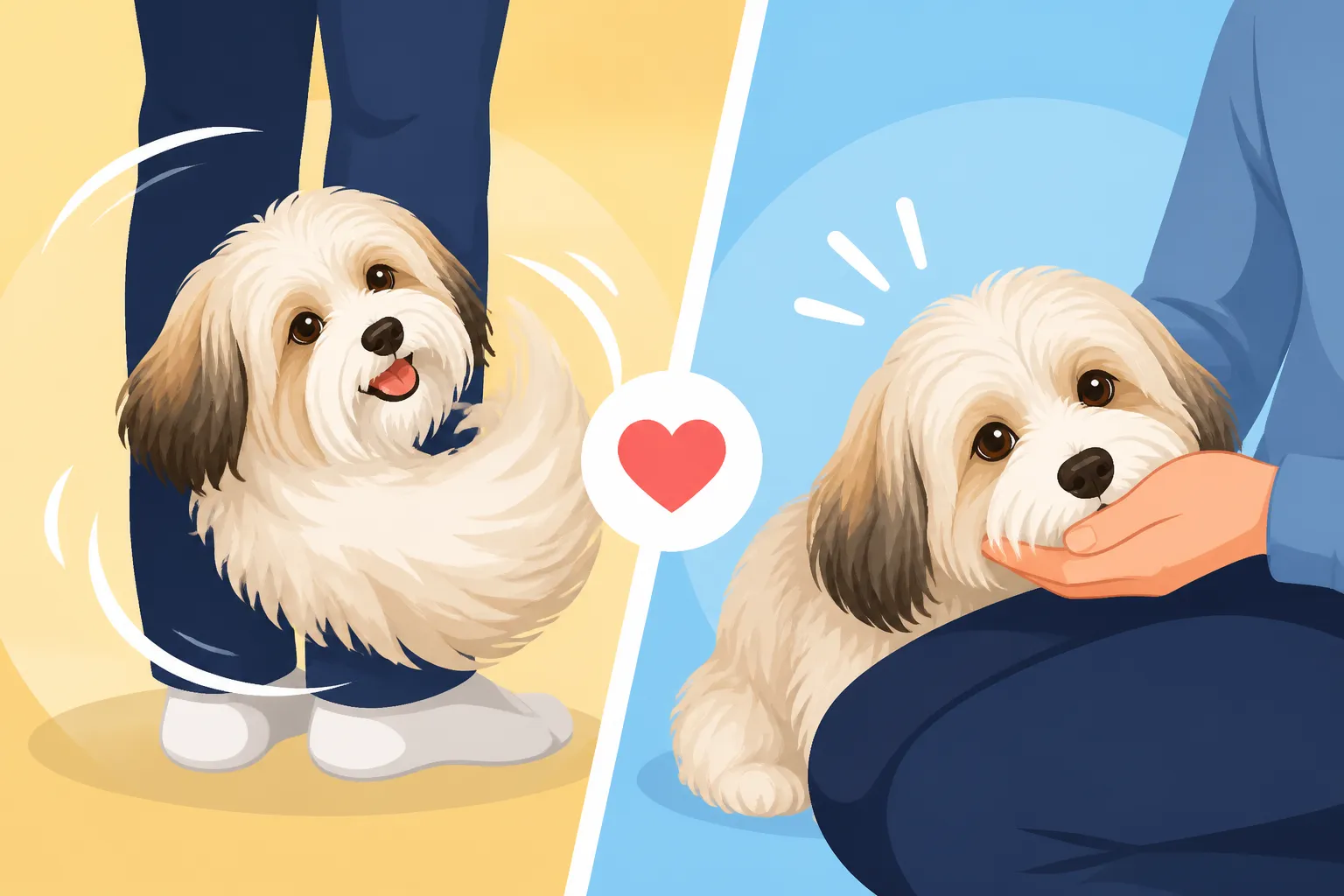
Whether a Havanese Circles or Presses Its Head
It's incredibly unsettling and often downright terrifying for any Havanese owner to witness their beloved companion exhibit unusual behaviors like head pressing or persistent circling. These aren't just quirky habits; they are often urgent indicators that something serious is happening inside your dog's body, particularly concerning their neurological health. This guide will walk you through what these behaviors look like, what they might signify, and crucially, when to drop everything and head straight to your veterinarian.
Understanding Head Pressing in Havanese
When your Havanese starts pressing their head against a wall, furniture, or even your leg, it’s a behavior that should immediately send chills down your spine. This isn't your average, affectionate head rub; it’s a compulsive, sustained act of pushing their head firmly into an inanimate object, often appearing disoriented or unresponsive while doing so. It’s a classic symptom of prosencephalic disease, which essentially means there's an issue with the forebrain (the front part of the brain).
What Head Pressing Looks Like
Imagine your Havanese, usually so full of bounce and curiosity, suddenly walking up to a solid object – perhaps the corner of a coffee table or a wall – and just pushing their forehead into it. They might stand there for several minutes, seemingly lost in thought or unable to pull away. Sometimes, they might even seem to be trying to push through the object. This isn't a brief rub of their face against a cushion to scratch an itch; it's an insistent, almost trance-like behavior. You might notice their eyes seem glazed over, or they might not respond to their name or familiar commands while engaged in head pressing. It's a clear sign of neurological distress and should never be ignored.
It’s crucial to observe the duration and intensity. A fleeting rub might be benign, but persistent, forceful pressing, especially if accompanied by other changes in behavior like lethargy, changes in appetite, or disorientation, demands immediate attention. This particular behavior is distinct because it doesn't appear to be voluntary or part of their normal repertoire. It's almost as if they are seeking relief from an internal pressure or discomfort they cannot express in any other way.
Serious Medical Causes for Head Pressing
There's a whole host of serious conditions that can manifest as head pressing in a Havanese, and many of them require swift veterinary intervention. One of the more common and concerning causes, especially in puppies and young adults, is a portosystemic shunt, often referred to simply as a liver shunt. This is a congenital condition where blood bypasses the liver, preventing toxins from being filtered out of the bloodstream. These toxins then travel to the brain, causing neurological symptoms. If you're seeing signs like this in a young Havanese, it's vital to consider The Liver Shunt a Havanese Puppy Shows Before Six Months.
Beyond liver shunts, other serious culprits include inflammatory brain diseases (like encephalitis or meningitis), brain tumors, and hydrocephalus (an accumulation of cerebrospinal fluid in the brain, often seen in toy breeds). Metabolic disorders, particularly severe imbalances in electrolytes or blood sugar, can also affect brain function and lead to head pressing. Exposure to certain toxins or poisons, even common household items, can trigger neurological distress. Head trauma, even a bump that seemed minor at the time, could also lead to internal swelling or bleeding that causes these symptoms. Given the potential severity, a prompt diagnosis is paramount to determine What a Congenital Liver Shunt Does to a Havanese or any other underlying condition.
Decoding Circling Behavior in Havanese
Circling, much like head pressing, can be a symptom that ranges from completely harmless to profoundly serious. The key is to differentiate between normal, playful circling and persistent, disoriented circling that indicates a problem. Our Havanese companions are naturally energetic and expressive, so a little spin now and then is often part of their charm.
Distinguishing Normal Circling from Concerning Behavior
Normal circling is typically playful, enthusiastic, and often comes with a wagging tail. Your Havanese might spin in circles when they’re excited to see you, anticipating a treat, or before settling down for a nap. It’s usually symmetrical, meaning they circle in both directions with equal ease, and they remain aware of their surroundings. They're engaging with you, responsive to their environment, and generally appear happy. This kind of circling is part of their normal, vibrant personality and nothing to worry about.
However, concerning circling is quite different. It’s often repetitive, involuntary, and consistently in one direction. Your Havanese might seem disoriented or unaware of where they are or what’s happening around them. They might bump into objects, struggle with coordination, or show a head tilt along with the circling. This kind of circling is often coupled with other neurological signs such as stumbling, changes in their gait, difficulty balancing, or even a blank stare. If your Havanese is circling without apparent purpose, particularly if they appear agitated, confused, or unresponsive to their name, it's a red flag that warrants immediate veterinary attention. This isn't a game; it's a sign of a neurological problem that needs to be addressed quickly.
Potential Causes of Persistent Circling
Persistent, disoriented circling is another strong indicator of neurological dysfunction. The causes can overlap with those of head pressing, particularly issues affecting the brain. Brain tumors, inflammatory brain diseases, and strokes are significant concerns. In older Havanese, this kind of circling can also be a symptom of Canine Cognitive Dysfunction (CCD), akin to Alzheimer's in humans. As our furry friends reach The Age a Havanese Counts as Senior, they might start showing signs of disorientation, changes in sleep patterns, and repetitive behaviors like circling.
Another common cause of persistent circling, especially if accompanied by a head tilt, is vestibular disease. This condition affects the vestibular system, which is responsible for balance and coordination. While often startling, it can sometimes resolve on its own, but it's crucial to rule out more serious causes. Inner ear infections, which can also affect balance, might also lead to circling. Less commonly, severe systemic illnesses or certain toxic exposures can also cause disorientation and circling. If your Havanese is displaying these signs, it's not the time to wait and see; swift action can often make a significant difference in outcomes.
When to Seek Veterinary Attention Immediately
It's natural to hesitate, to wonder if you're overreacting, but when it comes to neurological symptoms like head pressing or persistent circling, time is often of the essence. Don't second-guess yourself if you observe these behaviors. Early diagnosis and treatment can significantly improve your Havanese's prognosis and quality of life.
Recognizing Urgent Symptoms
If your Havanese is head pressing or circling persistently, especially if these behaviors are new, worsening, or accompanied by other alarming signs, it's time for an emergency vet visit. Look out for a combination of symptoms such as seizures (which can sometimes be a sign of a liver shunt – see Whether a Havanese Seizures From a Shunt), disorientation, lethargy, loss of appetite, vomiting, changes in vision, or difficulty walking. Any sudden change in their mental state, responsiveness, or coordination should be treated as an urgent matter.
Other red flags include weakness, unsteadiness, or a sudden loss of balance. If your Havanese seems to be experiencing pain, crying out, or showing unusual aggression, these are also signs that require immediate professional help. Remember, your Havanese cannot tell you what's wrong, so it’s up to us as their guardians to recognize these critical signals and act quickly. When you're dealing with such serious and potentially expensive issues, having pet insurance from providers like Healthy Paws can truly alleviate the financial burden of emergency care and advanced diagnostics.
The Diagnostic Process at the Vet
When you arrive at the vet with a Havanese exhibiting these symptoms, they'll perform a thorough neurological exam. This isn't just a quick check; they'll assess their gait, coordination, reflexes, and mental status. They'll ask you a lot of questions about when the symptoms started, how frequently they occur, and any other changes you've noticed. It’s really helpful if you can provide a detailed history, and even better if you have a video of the behavior, as it can give the vet crucial insights.
To pinpoint the cause, your vet will likely recommend a series of diagnostic tests. This could include blood work to check for metabolic issues like The Signs a Havanese Puppy Has a Shunt if a liver shunt is suspected, or to assess organ function. Urinalysis might also be part of the initial workup. For more definitive neurological diagnoses, they might suggest advanced imaging like an MRI or CT scan of the brain. While these can be costly, they are often essential for identifying issues like tumors, hydrocephalus, or inflammation. In some cases, a cerebrospinal fluid (CSF) tap might be needed to check for infections or inflammatory conditions. Understanding what to expect and the potential costs involved, from a standard What a Havanese's Yearly Checkup Costs to specialized diagnostics, can help you prepare.
| Symptom | Potential Causes | Urgency Level |
|---|---|---|
| Head Pressing | Liver shunt, Brain tumor, Hydrocephalus, Encephalitis, Toxin exposure, Severe metabolic disease | Emergency |
| Persistent Circling | Brain tumor, Vestibular disease, Stroke, Canine Cognitive Dysfunction, Severe ear infection | Urgent |
| Seizures | Liver shunt, Epilepsy, Brain tumor, Toxin exposure | Emergency |
| Disorientation | Brain tumor, Liver shunt, Cognitive dysfunction, Stroke, Metabolic issues | Urgent |
| Lethargy/Weakness | Any serious illness, organ failure, anemia, neurological issues | Urgent |
| Head Tilt | Vestibular disease, Ear infection, Brain lesion | Urgent |
Managing and Supporting a Havanese with Neurological Issues
A diagnosis of a neurological condition can be frightening, but with the right treatment and supportive care, many Havanese can still lead fulfilling lives. The specific approach will, of course, depend entirely on the underlying cause.
Treatment Approaches Based on Diagnosis
If a liver shunt is diagnosed, treatment might involve dietary changes to reduce toxin buildup, medications to manage symptoms, or in many cases, surgery to correct the shunt. Surgical correction can often lead to a dramatic improvement in symptoms and a good long-term prognosis. However, it's important to remember that Whether Anesthesia Is Riskier on a Small Havanese, so discussions with your vet are crucial. For inflammatory brain diseases, steroids or other immunosuppressants might be prescribed. Brain tumors could be managed with surgery, radiation, or palliative care depending on the type and location.
For conditions like vestibular disease, if the cause is an inner ear infection, antibiotics will be used. If it's idiopathic (meaning no known cause), supportive care to manage nausea and dizziness is often key, and many dogs recover within a few weeks. For Havanese dealing with Canine Cognitive Dysfunction, treatment focuses on supportive measures like specific diets, supplements, and medications to improve brain function, along with environmental enrichment. The goal is always to improve their comfort and quality of life, allowing them to enjoy their golden years, as outlined in Caring for a Havanese Past Twelve.
Long-Term Care and Prognosis
The long-term outlook for a Havanese with head pressing or circling depends entirely on the root cause and how early it was identified and treated. For some conditions like a successfully repaired liver shunt, the prognosis can be excellent. For others, such as advanced brain tumors, the focus might shift to palliative care, ensuring comfort and managing symptoms. This could involve regular medication, specialized diets, or even adjustments to their home environment to make it safer and easier for them to navigate.
Living with a Havanese who has a neurological condition often means regular vet visits, consistent medication schedules, and a keen eye for any changes in their behavior or condition. Owners might need to baby-proof their homes, preventing falls or bumps, especially if their dog's balance is affected. Providing a stable routine and gentle enrichment, perhaps with puzzle toys or short, structured play sessions as discussed in What a Havanese Needs Beyond a Walk, can be incredibly beneficial. Throughout their journey, from diagnosis to long-term management, a reliable pet insurance plan, such as those offered by Healthy Paws, can be an invaluable partner in ensuring you can provide the best possible care without constant financial worry. It allows you to focus on your Havanese’s well-being, whether they live The Fourteen to Sixteen Years a Havanese Lives or need extra support along the way.
Disclaimer
This guide is intended for informational purposes only and does not constitute medical advice. If your Havanese exhibits any of the symptoms described, please consult a qualified veterinary professional immediately. Only a veterinarian can accurately diagnose and recommend appropriate treatment for your pet.