Whether a Havanese’s Shunt Can Be Closed Surgically
Receiving the news that your sweet Havanese puppy has been diagnosed with a liver shunt can feel like a punch to the gut. The confusion, the fear, and the overwhelming concern for your beloved companion are completely understandable. You’re likely desperate for answers, wondering if there's truly a way to fix this complex condition and give your furry friend a long, healthy life. This comprehensive guide is here to shed light on exactly that, exploring in detail whether a Havanese’s liver shunt can be closed surgically and what that journey entails.
Understanding Liver Shunts in Havanese
Before we dive into the nitty-gritty of surgical correction, it's really important to grasp what a liver shunt is and how it impacts your Havanese. It’s a condition that, while serious, can often be managed with the right knowledge and veterinary care.
What Exactly is a Liver Shunt?
At its heart, a liver shunt, or more formally, a portosystemic shunt (PSS), is an abnormal blood vessel that bypasses the liver. Think of it like a shortcut in the body's plumbing system. Normally, blood from the digestive organs flows directly to the liver, where it gets filtered of toxins, processed for nutrients, and generally cleaned up before being sent out to the rest of the body. With a shunt, this blood takes a detour, completely bypassing the liver or only partially passing through it.
For Havanese, the vast majority of shunts are congenital, meaning your puppy was born with it. These are usually a single, extrahepatic (outside the liver) vessel. In some cases, dogs can develop acquired shunts later in life, often due to severe liver disease or high blood pressure in the portal vein, but these are less common in young Havanese. This abnormal blood flow means that toxins, which the liver would normally neutralize, continue to circulate throughout the body. These toxins can affect various organ systems, particularly the brain, leading to a range of alarming symptoms. If you want to dive deeper into the mechanics, we have a detailed article on What a Congenital Liver Shunt Does to a Havanese.
Recognizing the Signs of a Shunt in Your Havanese Puppy
One of the most frustrating aspects of liver shunts is that the signs can be incredibly varied and sometimes quite subtle, especially in a tiny Havanese puppy. Owners often describe their puppy as being a "failure to thrive" – smaller than its littermates, less energetic, and generally not as robust. You might notice your Havanese puppy is small, even for the breed, which can be a key indicator. They might also appear lethargic or just not as playful as you'd expect.
More concerning symptoms often involve neurological changes, because those circulating toxins particularly impact the brain. You might see your Havanese exhibiting strange behaviors like head pressing (pushing their head against a wall or furniture), circling endlessly, or even experiencing seizures. These neurological signs can be incredibly frightening for any pet parent. Gastrointestinal issues such as intermittent vomiting, diarrhea, or a poor appetite are also common. Sometimes, you might notice increased thirst and urination, or even a tendency to stare blankly. For a more comprehensive look at these symptoms, check out The Signs a Havanese Puppy Has a Shunt. These signs usually appear early in life, typically when a Havanese shunt shows up before six months of age, often between eight weeks and six months old.
Diagnosing a Liver Shunt in Havanese
If you suspect a liver shunt, getting a prompt and accurate diagnosis is critical. Your veterinarian will likely start with blood tests, with a specific focus on bile acid levels. After a meal, bile acids normally increase significantly as the liver processes fats; a shunt prevents this normal processing, so the bile acid levels remain abnormal. This is why a bile acid test belongs on a Havanese puppy if a shunt is suspected. Elevated bile acids, especially post-prandially (after eating), are a strong indicator.
However, blood tests only point to a problem; they don't confirm a shunt or its exact location. For that, imaging is necessary. An ultrasound can often identify the abnormal vessel, but for precise mapping and surgical planning, advanced imaging like CT angiography is often recommended. This gives the surgical team a clear "roadmap" of the shunt, allowing them to formulate the best plan for intervention. Given how common liver shunts are in Havanese compared to some other breeds, prompt and thorough diagnostic work-up is crucial.
The Surgical Approach to Closing a Havanese's Shunt
Once a liver shunt is definitively diagnosed in your Havanese, surgery is often considered the gold standard treatment. While it might sound daunting, surgical correction offers the best long-term prognosis for many affected dogs.
The Goal and Types of Surgical Correction
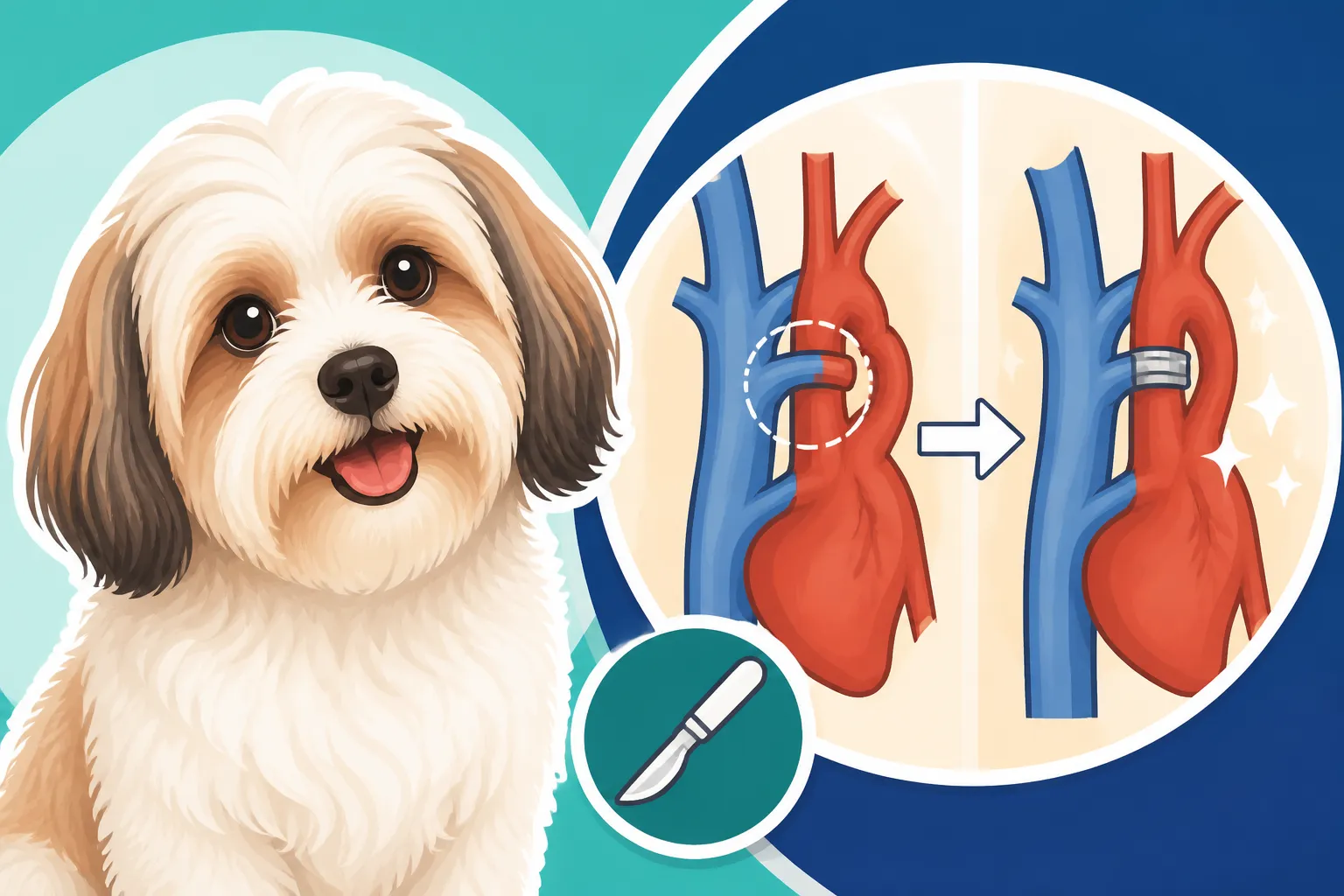
The primary goal of surgical intervention for a congenital liver shunt is to redirect the blood flow through the liver as it should naturally be. This means either completely closing off the abnormal vessel or, more commonly, gradually restricting it so that the liver can slowly adapt to the increased blood flow.
There are two main surgical strategies:
- Complete Ligation (Direct Closure): In some very specific cases, a surgeon might be able to fully tie off the shunt vessel during the surgery. However, this is quite risky if the liver isn't prepared for the sudden surge in blood pressure. If the shunt is immediately closed, it can lead to a potentially fatal condition called portal hypertension, where blood backs up into the abdominal organs.
- Gradual Occlusion: This is the most common and often safest approach, especially for smaller breeds like Havanese. It involves placing a device around the shunt vessel that slowly closes it over time. The two main types of devices are:
- Ameroid Constrictors: These are rings made of casein, a milk protein, within a stainless steel or plastic casing. When implanted around the shunt, the casein slowly absorbs bodily fluids and swells over a period of 2-4 weeks. This gradual swelling slowly constricts the shunt, allowing the liver to adapt and new, tiny vessels (called collateral circulation) to develop to handle the redirected blood flow.
- Cellophane Bands: A piece of cellophane (a sterile, medical-grade film) is placed around the shunt. Over several weeks or months, the body reacts to the cellophane by forming scar tissue (fibrosis), which gradually constricts the vessel. This method also provides a slow, controlled closure.
Gradual occlusion is generally preferred for Havanese and other small breeds because their delicate systems often can't handle the sudden pressure changes from immediate ligation. This slow closure minimizes the risk of portal hypertension and allows the liver time to grow and resume its normal function.
The Surgical Procedure for Congenital Shunts
The surgery itself is a highly specialized procedure, best performed by a board-certified veterinary surgeon with experience in portosystemic shunts. Here's a general overview of what typically happens:
- Pre-Surgical Stabilization: Before surgery, your Havanese will likely undergo a period of medical management. This involves a special low-protein diet and medications like lactulose and antibiotics to reduce the amount of toxins accumulating in their system. The goal is to get your dog as stable and healthy as possible before anesthesia.
- Anesthesia: Anesthesia for a Havanese with a liver shunt is more complex than for a routine procedure. These dogs have compromised liver function, which affects how they metabolize anesthetic drugs. The veterinary team will use specific protocols and drugs that are safer for their condition and will meticulously monitor them throughout the procedure. It's worth noting that Havanese with liver shunts can react badly to anesthesia, so careful planning is paramount.
- Laparotomy: The surgeon will make an incision in the abdomen (a laparotomy) to gain access to the abdominal cavity. They then carefully explore to locate the abnormal shunt vessel. This can sometimes be challenging, as these vessels can vary in size and location.
- Device Placement: Once the shunt is identified, the chosen device (ameroid constrictor or cellophane band) is carefully placed around the vessel. The surgeon ensures it's snug enough to begin the gradual constriction process but not so tight that it causes immediate issues. If multiple shunts are present, the primary, largest shunt is usually targeted.
- Closure: The abdomen is then carefully closed. Your Havanese will be moved to a recovery area for close monitoring.
This procedure is complex, and the expertise of the veterinary team is paramount. Having a robust pet insurance plan, like those offered by Healthy Paws, can significantly alleviate the financial burden of such specialized surgeries, allowing you to prioritize the best care for your Havanese without added stress.
Post-Surgical Care and Prognosis for Your Havanese
Surgery is a significant step, but the journey doesn't end there. Post-operative care is just as crucial for a successful outcome and ensuring your Havanese makes a full recovery.
Immediate Post-Operative Period
The first few days after shunt surgery are critical. Your Havanese will remain hospitalized, typically in an intensive care unit (ICU) setting where they can receive around-the-clock monitoring. The veterinary team will be diligently watching for any signs of complications, especially portal hypertension, which, though rare with gradual occlusion, is still a risk. Symptoms like abdominal pain, distension, or collapse would indicate an issue. They'll also monitor for neurological problems like seizures, which can sometimes occur as the brain adjusts to the sudden rush of filtered blood.
Pain management is a high priority, with appropriate analgesics administered to keep your Havanese comfortable. Intravenous fluids will ensure they stay hydrated, and any necessary medications will be given. It's a tough time for both you and your little one, but trust that they are in the best hands during this intensive recovery phase.
Long-Term Management and Recovery at Home
Once your Havanese is cleared to go home, your role in their recovery becomes paramount. You'll receive detailed instructions for their care, which will typically include:
- Dietary Management: Initially, your Havanese will likely continue on a specialized low-protein diet to help minimize toxin production while their liver heals and adapts. Over time, as their liver function improves, many Havanese can gradually transition back to a normal, high-quality commercial diet. Regular blood tests will guide this transition.
- Medication: Medications like lactulose (to help bind toxins in the gut) and possibly antibiotics (to reduce toxin-producing bacteria) may continue for a period. Your vet will advise you on the duration.
- Activity Restrictions: Your Havanese will need to take it easy for several weeks post-surgery. No jumping, no rough play, and limited leash walks to allow the incision to heal and prevent strain.
- Follow-Up Care: Regular veterinary check-ups are essential to monitor their progress. This will include repeat bile acid tests and potentially other blood work or imaging to ensure the shunt is closing appropriately and liver function is normalizing. These follow-up appointments are vital, and knowing that a plan from Healthy Paws can help cover these ongoing costs can provide immense peace of mind.
The good news is that many Havanese will go on to live normally after shunt surgery. Their energy levels will likely increase, their appetite will improve, and those concerning neurological symptoms should resolve.
Potential Complications and What to Watch For
While surgical closure of a liver shunt has a good success rate, it's important to be aware of potential complications:
- Portal Hypertension: As mentioned, this is the most severe risk, usually occurring if the shunt is closed too quickly. While less common with gradual methods, it still needs to be monitored.
- Seizures: Even if not related to portal hypertension, some dogs can experience seizures in the post-operative period as their brain adjusts to the detoxification process.
- Infection: As with any surgery, there's a risk of infection at the incision site or internally.
- Recurrence/Incomplete Closure: While rare with devices like ameroid constrictors, sometimes the shunt doesn't fully close, or new, smaller shunts (acquired) can develop later if the underlying liver issues persist.
- Other Liver Issues: In a small percentage of cases, dogs might develop other liver complications, such as microvascular dysplasia, which can lead to ongoing issues despite shunt closure.
It’s crucial to contact your vet immediately if you notice any signs of discomfort, lethargy, vomiting, seizures, or any other concerning symptoms once your Havanese is home.
Prognosis and Quality of Life After Surgery
For Havanese with a single, congenital extrahepatic liver shunt, the prognosis after successful surgical correction is generally excellent to good. Many dogs experience a complete resolution of symptoms and go on to live a full, normal life. It's truly a transformative procedure for many of these puppies. Their overall lifespan can extend to the typical The Fourteen to Sixteen Years a Havanese Lives expected for the breed.
In contrast, Havanese managed solely with medical therapy (diet and medication) often have a poorer long-term prognosis. While medical management can control symptoms for a time, it doesn't address the underlying anatomical problem. These dogs often require lifelong strict dietary restrictions and medication, and their quality of life, as well as their lifespan, can be significantly compromised. Surgery offers the best chance for a truly normal life, often allowing the dog to eventually come off all medications and eat a regular diet.
Making the Decision: Is Surgery Right for Your Havanese?
Deciding whether to proceed with surgery for your Havanese's liver shunt is a deeply personal and often difficult choice. There are many factors to weigh, and it's essential to have open and honest discussions with your veterinary team.
Factors to Consider Before Surgery
Several important considerations come into play when making this significant decision:
- Age and Overall Health: Generally, younger Havanese puppies tend to recover better from surgery. Their livers are more adaptable, and they have less accumulated toxin damage. However, even older dogs can be candidates if their overall health permits.
- Type and Location of the Shunt: The specific characteristics of the shunt – whether it's extrahepatic or intrahepatic, single or multiple – will influence the surgical approach and prognosis. Extrahepatic shunts (outside the liver) are typically more amenable to surgical correction than intrahepatic shunts (inside the liver), though specialized techniques exist for those as well.
- Financial Commitment: Liver shunt surgery, including diagnostics, specialist fees, hospitalization, and post-operative care, represents a significant financial investment. The costs can easily run into thousands of dollars, making it a major consideration for many families. This is where pet insurance, such as a plan from Healthy Paws, can be a true lifeline, covering a substantial portion of these unexpected and often emergency-level expenses. We have a detailed article on What Shunt Surgery Costs a Havanese Owner if you need more information on the financial aspects.
- Access to Specialist Care: Liver shunt surgery requires specialized skills and equipment, meaning it's typically performed at a veterinary specialty hospital or university teaching hospital. Ensure you have access to a qualified veterinary surgeon and a team experienced in these complex cases.
- Emotional Toll: The entire process, from diagnosis to recovery, can be incredibly stressful and emotionally draining for pet owners. It's vital to have a support system and to be prepared for the emotional rollercoaster.
The Importance of a Specialist Consultation
Given the complexity of liver shunts and the intricate nature of the surgery, consulting with a board-certified veterinary internal medicine specialist and/or a board-certified veterinary surgeon is not just recommended, it's essential. These specialists have advanced training and experience in diagnosing and treating such conditions. They can accurately interpret diagnostic tests, discuss the pros and cons of surgery versus medical management for your specific Havanese, and provide a realistic prognosis. Don't hesitate to seek a second opinion if it helps you feel more confident in your decision.
The Emotional Journey of a Havanese Owner
Adopting a Havanese brings so much joy, and then facing a diagnosis like a liver shunt can feel incredibly unfair. It’s completely normal to feel overwhelmed, heartbroken, and even guilty, wondering if you missed something. Please know that this isn't your fault. Congenital shunts are developmental anomalies. The decisions you make are out of love and a desire to give your Havanese the best possible life. Lean on your veterinary team for support and information, and take the time you need to process everything. This is a journey, and you're not alone in it.
| Feature | Surgical Management (Gradual Occlusion) | Medical Management (Diet & Meds) |
|---|---|---|
| Goal | Permanent correction of the abnormal blood flow | Symptom control and toxin reduction |
| Prognosis | Generally good to excellent; potential for normal lifespan | Fair to poor; often palliative; shorter lifespan |
| Cost | High initial cost (surgery, diagnostics, hospitalization) | Lower initial cost, but ongoing expenses for special diet & meds |
| Complexity | High (specialized surgery, critical post-op care) | Moderate (strict adherence to diet/medication schedule) |
| Long-Term Care | Often minimal after full recovery; many dogs transition to normal diet | Lifelong strict diet and medication regiment |
| Quality of Life | High, often full resolution of symptoms, normal activity levels | Variable, persistent symptoms possible, activity may be limited |
| Risks | Surgical complications (portal hypertension, seizures), anesthesia risks | Progression of disease, inadequate symptom control, liver damage |
| Havanese Suitability | Often highly recommended for congenital extrahepatic shunts | Considered for poor surgical candidates or as a temporary measure |
Disclaimer
The information provided in this guide is intended for educational purposes only and should not be considered a substitute for professional veterinary advice. Always consult with a qualified veterinarian regarding any health concerns or before making any decisions about your pet's medical care.