The Age Cataracts Appear in a Havanese
It’s a heartbreaking moment when you start noticing a cloudy haze in your beloved Havanese's eyes, and your mind immediately jumps to the dreaded "C" word: cataracts. The thought of your furry companion losing their precious sight can be incredibly daunting and leave you with a whirlwind of questions about what's happening and when. This comprehensive guide will walk you through everything you need to know about cataracts in Havanese, particularly focusing on the ages they typically appear, what signs to look for, and how you can support your dog through this change.
Understanding Cataracts in Your Havanese
When we talk about cataracts in dogs, it's easy to feel overwhelmed by medical jargon. But at its heart, a cataract is simply an opacity or cloudiness within the lens of the eye. Imagine looking through a frosted window – that's somewhat what a dog with cataracts experiences. It’s a common eye condition, and unfortunately, our sweet Havanese can be more susceptible due to their genetic predispositions.
What Exactly is a Cataract in a Dog's Eye?
A cataract forms when the proteins within the lens of the eye start to clump together. Normally, the lens is perfectly clear, allowing light to pass through it directly to the retina, where images are formed. When these proteins degenerate and become opaque, they block light, causing blurred vision or, in severe cases, complete blindness. It's not just a superficial cloudiness; it's a structural change within the eye's lens itself. This progressive clouding can be subtle at first, often going unnoticed by owners until it becomes more pronounced, which is why regular eye check-ups are so important.
Different Types of Havanese Cataracts
Cataracts aren't a one-size-fits-all condition; they can manifest in various forms, each with its own characteristics and typical onset. Understanding these types can help you, along with your veterinarian, better grasp what might be affecting your Havanese.
- Incipient Cataracts: These are small, localized opacities that cover less than 15% of the lens. They usually don't impair vision significantly, but they are a warning sign that the condition could progress.
- Immature Cataracts: These affect more than 15% of the lens but still allow some light to pass through. Vision is partially impaired, but your Havanese can often still navigate fairly well.
- Mature Cataracts: Here, the entire lens is opaque, and your Havanese is functionally blind in the affected eye. This is typically when vision loss becomes very apparent.
- Hypermature Cataracts: Over time, a mature cataract can shrink and wrinkle as the lens proteins and fluid leak out. This can lead to other complications, like lens-induced uveitis (inflammation inside the eye), which is painful and can be sight-threatening.
Knowing these distinctions helps veterinarians classify the severity and potential progression, which in turn informs the best course of action for your Havanese.
Why Certain Breeds, Like Havanese, Are Prone
The Havanese, like many purebred dogs, has a genetic predisposition to certain health conditions, and eye issues are definitely on that list. Specifically, hereditary cataracts are a concern. This means that if a Havanese carries certain genes, they might be more likely to develop cataracts, sometimes even at a younger age. Responsible breeders will often screen their breeding dogs for such genetic conditions to try and minimize their occurrence in future generations. You can learn more about other common issues in The Eye Diseases a Havanese Inherits. It’s not about blaming the breed, but rather understanding their unique health landscape so we can be better advocates for their well-being.
Pinpointing When Cataracts Usually Emerge
This is often the burning question for Havanese owners: when should I be worried about cataracts? While there's no single answer that fits every dog, we can look at typical age ranges and contributing factors that might influence when these eye changes start to show up. It’s important to remember that every dog is an individual, but patterns do exist.
Congenital and Juvenile Cataracts: The Early Years
It can be truly shocking to hear about a young puppy developing cataracts, but it does happen. Congenital cataracts are present at birth, meaning the puppy is born with them. These are relatively rare but can impact a Havanese puppy's vision from day one. Juvenile cataracts, on the other hand, develop in young dogs, typically between one and six years of age. This is often linked to inherited traits. If your Havanese starts showing signs of cataracts in these early years, it's highly likely to be hereditary.
For instance, you might notice a subtle cloudiness in a Havanese's eye when they're just a year or two old. At first, you might dismiss it as dust or an odd reflection, but if it persists or seems to grow, it warrants immediate veterinary attention. Catching these early can sometimes prevent further complications and allow you to explore management options sooner. Breeders who conduct thorough health screenings for their Havanese parents are doing a great service in trying to reduce the incidence of these early-onset hereditary conditions.
Age-Related Cataracts: The Senior Havanese
Just like humans, dogs can develop cataracts as they age. Senile cataracts, or age-related cataracts, are the most common type and typically appear in Havanese dogs starting around six to eight years old, sometimes even later. These develop gradually over time, as the lens naturally hardens and becomes less flexible. Often, you'll first notice a faint bluish-grey haze, which can progress to a denser, whiter opacity.
It’s easy to confuse this with something called nuclear sclerosis, a very common and normal age-related change where the lens also gets a hazy, bluish appearance. However, nuclear sclerosis usually doesn't significantly impair vision, whereas cataracts do. Your vet can easily tell the difference during an eye exam. If your Havanese is heading into their senior years, which generally starts around age seven for smaller breeds, keep an eye out for any changes. This is also the time when other health issues like Mitral Valve Disease in an Older Havanese or The Heart Murmur an Older Havanese Develops might start to appear, so a thorough vet check is always a good idea.
Factors That Can Influence Cataract Development
While genetics and age are the primary drivers for cataracts in Havanese, other factors can play a role or accelerate their development:
- Diabetes Mellitus: This is a major cause of rapidly developing cataracts in dogs. Diabetic cataracts can form very quickly, sometimes within days or weeks of the onset of uncontrolled diabetes. If your Havanese is diagnosed with diabetes, regular eye checks become even more crucial.
- Trauma to the Eye: An injury to the eye can sometimes result in a localized cataract forming in the damaged area of the lens.
- Inflammation in the Eye (Uveitis): Chronic or severe inflammation inside the eye can also lead to cataract formation as a secondary complication.
- Nutritional Deficiencies or Toxins: While less common than genetic or age-related causes, certain nutritional imbalances or exposure to specific toxins have been linked to cataract development in some cases.
It’s a good idea to discuss your Havanese’s overall health, diet, and any medications with your vet, especially if you notice any changes in their vision or eye appearance. Early detection and management of underlying conditions can sometimes slow progression or prevent secondary issues. Investing in comprehensive pet insurance like Healthy Paws can also provide peace of mind for unexpected health issues, including eye conditions.
Recognizing the Early Signs of Cataracts
As a Havanese owner, you're probably pretty tuned into your dog's quirks and habits. That keen observation skill will be your best asset when it comes to spotting the early indicators of cataracts. It’s not just about looking directly into their eyes; sometimes, their behavior will tell you more than a direct glance.
Visual Cues in Your Havanese's Eyes
The most obvious signs are, of course, visual changes in the eyes themselves. Here’s what to look for:
- Cloudiness or Opacity: This is the hallmark sign. You might start seeing a grayish, bluish, or whitish haze developing in the pupil area (the center of the eye). It can begin as a small spot and gradually spread across the lens. Sometimes it's easier to see in certain lighting conditions, like when your Havanese is looking towards a light source.
- Changes in Eye Color Perception: While not a direct sign for owners, cataracts affect how light enters the eye, which can subtly change the appearance of the iris or pupil in different lights.
- Difficulty Seeing in Dim Light: Dogs with early cataracts might struggle more in low-light environments. You might notice them bumping into furniture in the evening, or being more hesitant to navigate a dimly lit hallway.
- Shine or Reflection from the Eye: Sometimes, the opaque lens can reflect light differently, giving the eye a distinct "shine" or an almost glow-like appearance when light hits it at a certain angle.
It’s crucial not to panic if you see a slight cloudiness. As mentioned, nuclear sclerosis is very common in older dogs and appears similar but is generally benign. Only a veterinary ophthalmologist can truly differentiate between the two and give you a definitive diagnosis. This is why Whether a Havanese Needs a Yearly Eye Exam is so important, especially as they get older.
Behavioral Changes That Signal Vision Issues
Sometimes, your Havanese's behavior will tell you something is up even before you notice a cloudy eye. Dogs are incredibly adaptable, but even they can't hide significant vision loss forever.
- Clumsiness and Bumping into Objects: This is a pretty clear indicator. Your Havanese might start bumping into familiar furniture, misjudging steps, or having trouble catching toys.
- Hesitation in New Environments: Dogs rely heavily on their vision to explore new places. If your Havanese suddenly becomes hesitant, unwilling to go down stairs they used to brave, or seems disoriented in an unfamiliar park, it could be vision-related.
- Changes in Play or Activity Levels: A Havanese that loved to chase toys might stop playing as enthusiastically if they can't see the toy as well. They might also be less confident exploring their yard.
- Increased Anxiety or Startling: If your Havanese is having trouble seeing, they might become more easily startled by sudden movements or noises, as they can't anticipate things as well visually. They might also stick closer to you, following your scent and sound more than usual.
- Trouble with Stairs or Jumping: They might hesitate before jumping off the couch or refuse to go up or down stairs because they can’t see the depth or steps clearly.
If you observe these changes, especially if they appear suddenly or progressively worsen, it’s time to schedule a visit with your veterinarian. They can perform an initial eye exam and, if necessary, refer you to a veterinary ophthalmologist.
Differentiating Cataracts from Nuclear Sclerosis
This is a point of confusion for many Havanese owners, and for good reason! Both conditions result in a hazy, bluish-grey appearance in an older dog's eyes.
- Nuclear Sclerosis: This is a normal, non-pathological aging change in the lens of the eye. As dogs age, the fibers in the center of the lens become compressed and harden, causing a bluish-grey haze. Crucially, it typically does not significantly affect vision. Dogs with nuclear sclerosis can usually see quite well. It's often compared to presbyopia in humans, where the lens loses its ability to focus up close.
- Cataracts: As we've discussed, cataracts are opacities that do block light from reaching the retina, leading to impaired vision or blindness. They can appear as whiter, denser opacities than nuclear sclerosis.
The key difference lies in the impact on vision and the nature of the opacity. A general practice veterinarian can usually differentiate between the two with an ophthalmoscope. They might shine a light into your Havanese's eye to see how much light passes through. If they have any doubt, or if there's significant vision loss, they will recommend a specialist. You might be wondering Whether a Havanese Goes Blind From Cataracts – it's a valid concern that a specialist can address.
Managing and Treating Havanese Cataracts
Discovering your Havanese has cataracts can be concerning, but thankfully, there are avenues for diagnosis, treatment, and support. The goal is always to improve their quality of life, whether that means restoring vision or helping them adapt to vision loss.
Veterinary Diagnosis and Eye Specialist Consultation
The first step when you suspect cataracts is always a visit to your regular veterinarian. They can conduct a preliminary eye exam, which includes checking pupillary light reflexes, assessing ocular pressure, and examining the lens with an ophthalmoscope. If cataracts are present, or if there's any uncertainty, your vet will likely recommend a consultation with a board-certified veterinary ophthalmologist.
A specialist has advanced equipment and expertise to thoroughly examine your Havanese's eyes. This will involve dilating the pupils to get a better view of the lens and retina. They will determine the type, maturity, and extent of the cataracts, and look for any other concurrent eye conditions, such as Progressive Retinal Atrophy in a Havanese. This comprehensive evaluation is crucial for determining if your Havanese is a candidate for surgery and what the potential prognosis might be. This specialist visit is part of What a Havanese's Eye Care Costs over their lifetime, and it's an investment in their comfort and well-being.
Surgical Intervention and Post-Operative Care
For many dogs with visually impairing cataracts, surgical removal is the most effective treatment. The procedure, called phacoemulsification, is very similar to cataract surgery in humans. It involves using ultrasound waves to break up the cloudy lens, which is then aspirated out. An artificial intraocular lens (IOL) is then usually implanted to restore focusing ability.
Not every Havanese is a candidate for surgery. The ophthalmologist will consider factors like the dog's overall health, the presence of other eye diseases, and the potential for complications. For instance, if your Havanese has severe retinal damage, cataract surgery might not improve vision, as the retina is still unable to process light correctly.
If your Havanese does undergo surgery, post-operative care is critical. This typically involves:
- Strict Medication Schedule: Eye drops (anti-inflammatory and antibiotic) will need to be administered frequently for several weeks or months. Missing doses can lead to complications.
- E-Collar (Cone): Your Havanese will need to wear an Elizabethan collar to prevent them from rubbing or scratching their eyes, which could dislodge the implanted lens or cause infection.
- Limited Activity: Restricting strenuous exercise and jumping is important to prevent increasing eye pressure or causing injury during the initial healing phase.
- Follow-up Appointments: Regular check-ups with the ophthalmologist are vital to monitor healing and address any issues.
The success rate for cataract surgery in dogs is generally high, with many dogs regaining excellent vision. However, it's a significant undertaking and a decision that should be made in close consultation with your veterinary team. You might be asking Whether Cataract Surgery Suits a Havanese, and your ophthalmologist is the best person to answer that based on your dog's specific case. Pet insurance, such as Healthy Paws, can be incredibly helpful in offsetting the significant costs associated with this specialized surgery and the necessary follow-up care.
Life with a Havanese with Impaired Vision
For Havanese who aren't surgical candidates, or whose owners opt against surgery, adapting to vision loss is absolutely possible. Dogs are remarkably resilient, and with a little help from their human companions, they can continue to lead happy, fulfilling lives.
Here are some tips for living with a Havanese with impaired vision:
- Maintain a Consistent Environment: Avoid moving furniture or dog bowls around too much. Familiarity helps them navigate their space confidently.
- Use Scent Cues: Place scent markers (like essential oils or air fresheners) near important areas like their bed, water bowl, or the dog door to help them locate things.
- Verbal Cues and Sound: Talk to your Havanese often as you approach them to avoid startling them. Use consistent verbal cues for steps, obstacles, or when you're about to pick them up. Jingling bells on your shoes can also help them track your location.
- Safe Outdoor Exploration: Keep them on a leash in unfamiliar outdoor areas. Create a safe, enclosed, and familiar outdoor space in your yard where they can explore freely without bumping into hazards.
- Provide Sensory Stimulation: Engage their other senses! Scent games, puzzle toys that dispense treats, and textured toys can keep them mentally stimulated.
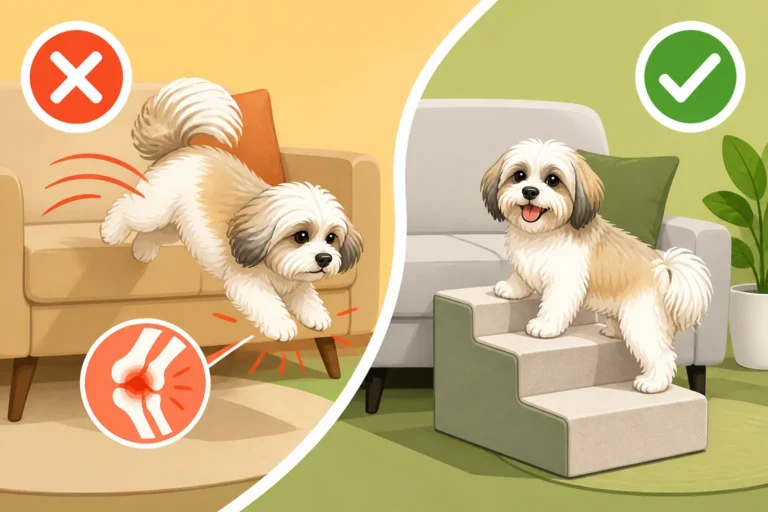
- Ramps and Steps: If your Havanese struggles with jumping on and off furniture, consider providing ramps or pet steps to help them access their favorite spots safely. This also helps protect their joints, which is especially important as you start Caring for a Havanese Past Twelve.
- Emotional Support: Give them extra cuddles and reassurance. Vision loss can be confusing and a little scary for them, so your calm presence is paramount.
Many Havanese with significant vision loss or even total blindness continue to thrive, enjoying walks, playtime, and snuggle sessions. It simply requires a little more patience and thoughtfulness from us, their devoted companions. It's a journey, but one that strengthens the bond you share.
The Average Age a Havanese Reaches
Understanding common health challenges like cataracts often makes you wonder about your Havanese's overall longevity. The good news is that Havanese are generally a robust breed with a respectable lifespan. On average, a Havanese can live anywhere from 14 to 16 years, with many individuals happily surpassing that range given good care and a bit of luck. Some even stretch to 18 years! This makes them one of the longer-lived toy breeds, a true testament to their good health and hardy nature, as highlighted in Why the Havanese Is a Healthy Toy Breed Anyway.
Of course, this is an average, and individual lifespans can vary widely based on genetics, diet, exercise, and the presence of any chronic health conditions. Responsible breeding practices, which include health testing for genetic diseases like certain eye conditions, play a significant role in promoting a longer, healthier life for future generations. Regular veterinary check-ups throughout their life, particularly as they enter their senior years, are crucial for managing age-related conditions, ensuring any issues are caught early, and maintaining their quality of life for as long as possible.
| Cataract Type | Typical Onset Age | Vision Impact | Common Cause | Treatment Focus |
|---|---|---|---|---|
| Congenital | At birth | Variable, often severe | Inherited, developmental anomalies | Early veterinary assessment, potential surgery |
| Juvenile/Hereditary | 1-6 years | Progressive, can lead to blindness | Inherited predisposition | Monitoring, potential surgery as vision declines |
| Age-Related (Senile) | 6-8+ years | Gradual decline, often severe | Natural aging process of the lens | Monitoring, surgery if vision significantly impaired |
| Diabetic | Any age (often rapid onset) | Rapid and severe | Uncontrolled diabetes mellitus | Diabetes management, surgery once stable |
| Traumatic | Any age (post-injury) | Localized to severe | Injury to the eye | Monitoring, surgery if affecting vision |
Disclaimer
The information provided in this article is for general educational purposes only and is not intended to be a substitute for professional veterinary advice, diagnosis, or treatment. Always seek the advice of your veterinarian or other qualified animal health provider with any questions you may have regarding a medical condition or the health and well-being of your Havanese.