Whether a Havanese Gets Bladder Stones
There's nothing quite as alarming as seeing your sweet Havanese struggling to urinate, or worse, noticing blood in their urine. It's a gut-wrenching moment for any dog parent, and it often points to a problem many small breeds, including our beloved Havanese, can face: bladder stones. This guide is here to walk you through what bladder stones are, why your Havanese might be susceptible, how to spot the signs, and what you can do to treat and prevent them, so you can help keep your furry friend comfortable and healthy.
Understanding Bladder Stones in Havanese
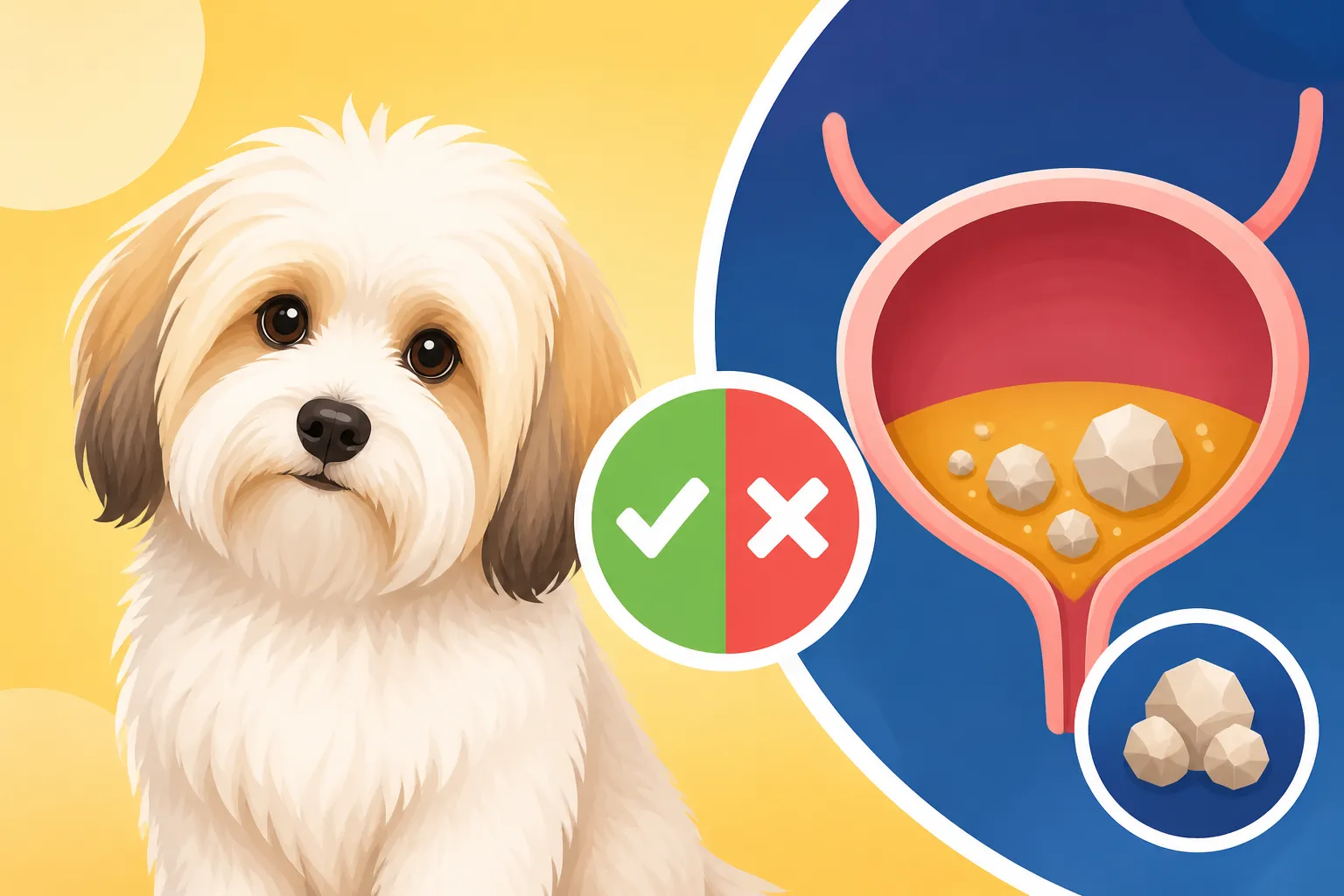
Bladder stones, also known as uroliths or calculi, are mineral formations that develop in a dog's urinary bladder. Think of them like tiny, or sometimes not-so-tiny, pebbles that form when certain minerals in the urine become too concentrated and crystallize. It's not just a minor inconvenience; these stones can cause significant pain, inflammation, and even blockages that can be life-threatening if not addressed promptly. For Havanese owners, this is a particular concern because our little companions, like many small breeds, seem to have a predisposition to developing these irritating intruders.
What Exactly Are Bladder Stones?
At their core, bladder stones are aggregates of minerals. Your dog’s urine contains various minerals, salts, and waste products that are usually dissolved and excreted without a hitch. However, if the balance is off—perhaps due to diet, genetics, infection, or urine pH—these minerals can start to clump together. Over time, these microscopic crystals can grow larger, forming stones that range from grains of sand to marbles, or even larger in severe cases. The bladder is a common place for them to form, but they can also be found in the kidneys or urethra.
Imagine tiny irritants scraping against the delicate lining of your Havanese’s bladder. That's essentially what happens with bladder stones, leading to inflammation and discomfort. It’s no wonder they cause such distress when they occur.
Common Types of Bladder Stones in Havanese
While many types of bladder stones can affect dogs, Havanese are primarily prone to two specific kinds: struvite and calcium oxalate. Understanding which type your Havanese has is crucial, as the treatment and prevention strategies differ significantly.
- Struvite Stones: These are typically formed in alkaline (high pH) urine and are often, though not always, associated with bacterial urinary tract infections (UTIs). The bacteria produce an enzyme that breaks down urea, making the urine more alkaline and creating the perfect environment for struvite crystals to form. They can grow quite rapidly.
- Calcium Oxalate Stones: These stones tend to form in acidic (low pH) or neutral urine and are generally not linked to bacterial infections. Their formation is more often tied to genetic predisposition, dietary factors, or metabolic issues that lead to an excess of calcium or oxalate in the urine. Unlike struvite stones, calcium oxalate stones cannot be dissolved through diet alone once they’ve formed.
It's common to feel overwhelmed by the science behind it all. As pet parents, we just want to know what's wrong and how to fix it for our little ones. Knowing the type of stone is the first critical step in figuring out the best path forward.
Why Havanese Might Be Predisposed
You might wonder why your Havanese, specifically, seems more susceptible to bladder stones. It's not just bad luck; there are a few factors that play into this breed's increased risk.
Firstly, genetics is a significant player. Many small breeds, including Havanese, Miniature Schnauzers, Shih Tzus, and Bichon Frise, show a higher incidence of calcium oxalate stones, suggesting a hereditary component. This means some Havanese are simply born with a genetic predisposition that makes their urine more concentrated with the necessary minerals or less able to keep them dissolved. Responsible breeders often strive to minimize these hereditary risks, and it’s always worth investigating Whether an Untested Havanese Litter Is Worth Buying before bringing a puppy home.
Secondly, dietary factors can contribute. Certain commercial dog foods, especially those high in protein, sodium, or oxalates, can influence urine pH and mineral concentration. While a balanced diet is essential for What a Havanese Needs Every Day, an improper one can unintentionally create an environment ripe for stone formation.
Lastly, their small size itself can sometimes be a factor. Smaller bladders and narrower urethras can mean that even small stones cause significant problems, including blockages, much faster than in larger breeds. Plus, general health issues like Whether a Havanese Gets Hypothyroidism or other metabolic imbalances can sometimes indirectly affect urinary health.
Recognizing the Signs and Getting a Diagnosis
The signs of bladder stones can be subtle at first, often mimicking a simple urinary tract infection. However, given the potential for severe complications, it’s imperative to recognize these symptoms early and seek veterinary attention without delay. No Havanese owner wants to see their dog in pain, and early detection is truly the best defense.
Common Symptoms to Watch For
Our Havanese are usually so vibrant and full of life, so any change in their bathroom habits or demeanor should raise a red flag. Here are the common signs that might indicate bladder stones:
- Straining to urinate (Dysuria): You might see your Havanese squatting or lifting a leg repeatedly, but only producing a small amount of urine, or nothing at all. They might look uncomfortable or even cry out during the attempt. This is perhaps the most obvious and distressing symptom.
- Frequent urination (Pollakiuria): Your dog might ask to go outside much more often than usual, or they might start having accidents indoors, even if they are perfectly housetrained. This isn't necessarily a behavioral issue; it's often a physical one.
- Blood in the urine (Hematuria): This can range from a faint pink tint to overtly red urine. It's caused by the stones irritating and scraping the bladder lining, causing bleeding. This is always a serious sign that warrants immediate veterinary attention.
- Inappropriate urination: Suddenly, your Havanese might be urinating in unusual places inside the house. They aren't being naughty; they're likely experiencing urgency and pain that they can no longer control.
- Licking the urinary opening: Excessive licking around the genital area is often a sign of irritation or pain.
- Pain or tenderness in the abdomen: Your Havanese might resist being picked up or touched around their belly area, or they may become more withdrawn.
- Changes in urine stream: A weak, dribbling, or interrupted urine stream can indicate a partial blockage. A complete inability to urinate is an emergency.
If you observe any of these symptoms, especially straining or blood in the urine, don't wait. A quick vet visit could make all the difference.
When to See the Vet and Diagnostic Process
As soon as you notice any of the symptoms mentioned above, it's time to call your veterinarian. In cases of complete inability to urinate, this is a medical emergency that requires immediate care, as it can lead to kidney failure and be fatal within a day or two.
When you bring your Havanese to the vet, they will conduct a thorough physical examination and likely recommend a series of diagnostic tests to pinpoint the problem.
- Urinalysis and Urine Culture: A urine sample will be analyzed to check for blood, protein, white blood cells, crystals, and bacteria, as well as to determine the urine's pH. If bacteria are present, a urine culture will identify the specific type and determine which antibiotics will be most effective.
- X-rays (Radiographs): This is often the first imaging step. Many types of bladder stones, particularly struvite and calcium oxalate, are "radiopaque," meaning they show up clearly on X-rays. The X-ray can reveal the size, shape, number, and location of the stones.
- Ultrasound: For stones that aren't visible on X-rays (these are called "radiolucent" stones, like urate or cystine, though less common in Havanese), or to get a clearer picture of the bladder wall and surrounding structures, an ultrasound is invaluable. It provides a real-time view and can also help rule out other abdominal issues, such as Lumps Worth Checking on a Havanese.
Your vet might also suggest a blood panel, which can give an overall picture of your Havanese's health and kidney function, especially if there's any concern about a blockage or related systemic issues. These routine checks are a part of What a Havanese's Yearly Checkup Costs and are vital for comprehensive care.
Treatment Options and Management Strategies
Once bladder stones are diagnosed and their type identified, your vet will discuss the best course of action. Treatment can vary widely depending on the type of stone, its size, and the severity of your Havanese's symptoms. It’s a moment where you'll really appreciate having a compassionate and knowledgeable vet by your side.
Dietary Management and Medications
For struvite stones, the good news is that they can often be dissolved through a specially formulated prescription diet and antibiotics if a bacterial infection is present. These diets are designed to create acidic, dilute urine, which helps to break down the struvite crystals. This process can take several weeks to a few months, and regular rechecks, including urinalysis and X-rays, are necessary to monitor progress. It's a non-invasive approach that many owners prefer, and it certainly minimizes the stress on your Havanese.
When dealing with a bladder infection that often accompanies struvite stones, your vet will prescribe antibiotics. It's crucial to give the full course of medication, even if your dog seems to feel better, to ensure the infection is completely cleared.
For calcium oxalate stones, dietary dissolution is generally not effective. Once formed, these stones typically need to be physically removed. However, specific prescription diets can be instrumental in preventing their recurrence after removal. These diets typically aim to decrease the concentration of calcium and oxalate in the urine and modify urine pH to make it less hospitable for stone formation.
For pain and inflammation, your vet may also prescribe anti-inflammatory medications.
Surgical Removal
When dietary dissolution isn't an option, or if the stones are causing an immediate blockage or severe discomfort, surgery (cystotomy) is the most common and effective treatment for removing bladder stones. This involves opening the abdomen and then the bladder to physically remove the stones. While any surgery carries risks, a cystotomy is a routine procedure performed by experienced veterinarians.
Your Havanese will require general anesthesia, and the recovery period typically involves a few weeks of restricted activity and pain management. After surgery, your vet will usually send the removed stones to a laboratory for analysis to confirm their composition. This is an essential step because it guides future prevention strategies.
Alternative, less invasive procedures like urohydropropulsion (flushing small stones out) or lithotripsy (using shock waves to break up stones) might be considered in specific cases, but their suitability depends on the stone size, location, and the dog's individual condition. For a Havanese, with their smaller anatomy, surgical removal is often the most direct path.
The cost of diagnosis and treatment, especially surgery, can be substantial. This is where having pet insurance, such as through a provider like Healthy Paws, can be an absolute lifesaver. Policies can help cover a significant portion of veterinary expenses, from diagnostic tests like X-rays and ultrasounds to emergency surgery and follow-up care. Knowing you have that safety net can alleviate a huge financial burden during an already stressful time.
Post-Treatment Care
Regardless of the treatment method, post-treatment care is crucial. This often includes:
- Antibiotics: To clear any infection and prevent new ones.
- Pain management: To ensure your Havanese is comfortable during recovery.
- Strict adherence to diet: If a prescription diet is part of the plan, it must be followed precisely.
- Increased water intake: Encouraging your Havanese to drink more water helps dilute urine and flush out any remaining crystals.
- Regular follow-up appointments: Your vet will likely want to perform repeat urinalyses and imaging to ensure the stones are gone and not reforming. These follow-ups are just as important as the initial treatment.
Preventing Bladder Stones and Long-Term Care
Prevention is truly key when it comes to bladder stones, especially for breeds like the Havanese that may be predisposed. Once your Havanese has experienced bladder stones, the goal becomes preventing recurrence, which can sometimes be more challenging than the initial treatment.
Dietary Considerations for Prevention
Diet plays a monumental role in preventing bladder stone recurrence. Your veterinarian will likely recommend a specific prescription diet tailored to the type of stone your Havanese had.
- For struvite stone prevention: The diet will maintain an acidic urine pH and limit ingredients like magnesium and phosphorus. These foods also often encourage water intake to keep urine dilute.
- For calcium oxalate stone prevention: The diet will be designed to promote a neutral or slightly alkaline urine pH, reduce calcium and oxalate levels, and minimize protein and sodium. Think low-oxalate vegetables and foods that don't increase urinary calcium.
It’s tempting to supplement with regular food or treats, but it’s vital to stick exclusively to the prescribed diet and vet-approved treats. Even small amounts of "off-diet" food can counteract the benefits of the specialized diet and potentially lead to stone formation again. Always discuss any dietary changes or additions with your vet.
Increasing your Havanese's water intake is also paramount. Dilute urine means minerals are less likely to crystallize. You can encourage drinking by:
- Providing multiple water bowls around the house.
- Using a pet water fountain, which many dogs prefer.
- Adding a little water to their food.
- Feeding wet food if appropriate, as it has higher moisture content.
Regular Vet Check-ups and Monitoring
Ongoing vigilance with your veterinarian is critical for long-term prevention. This isn't a "one-and-done" situation.
- Regular Urinalysis: Your vet will likely recommend routine urinalysis appointments, perhaps every 3-6 months. This allows them to monitor your Havanese's urine pH, check for any crystals or bacteria, and ensure the preventative diet is working effectively. This routine monitoring is a small investment in preventing a much larger problem down the road. It ties into why annual check-ups are so vital for dogs, often including a discussion of Whether a Havanese Needs a Yearly Blood Panel.
- Imaging: Periodically, your vet might recommend follow-up X-rays or ultrasounds, even if symptoms aren't present, especially for dogs prone to calcium oxalate stones, which don't dissolve. This helps catch any new stone formation while they are still small and easier to manage.
- Monitoring Urine pH at Home: In some cases, your vet might even recommend purchasing pH test strips so you can monitor your Havanese’s urine pH at home. This provides valuable insights into whether the diet is maintaining the desired urine acidity or alkalinity, allowing for proactive adjustments.
These proactive measures can make a world of difference in your Havanese’s overall health and comfort, contributing to The Fourteen to Sixteen Years a Havanese Lives.
The Role of Genetics and Responsible Breeding
While diet and vet care are crucial for current stone management, understanding the genetic component is vital for the future of the Havanese breed. As mentioned, calcium oxalate stones often have a genetic link. Responsible breeders are diligent about the health of their lines and strive to breed away from known predispositions. If you're considering a Havanese puppy, ask breeders about the health history of the parents and their lines, especially regarding urinary issues.
While bladder stones can be a worrying health concern, with proper understanding, vigilant monitoring, and close collaboration with your veterinarian, you can significantly reduce the risk of recurrence and ensure your Havanese enjoys a happy, healthy life, free from the discomfort these stones can cause. Having a plan in place, and possibly pet insurance like Healthy Paws, can give you peace of mind knowing you're prepared for whatever comes your way.
Disclaimer
The information provided in this article is for general informational purposes only and is not a substitute for professional veterinary advice, diagnosis, or treatment. Always seek the advice of your veterinarian or other qualified pet health provider with any questions you may have regarding a medical condition.