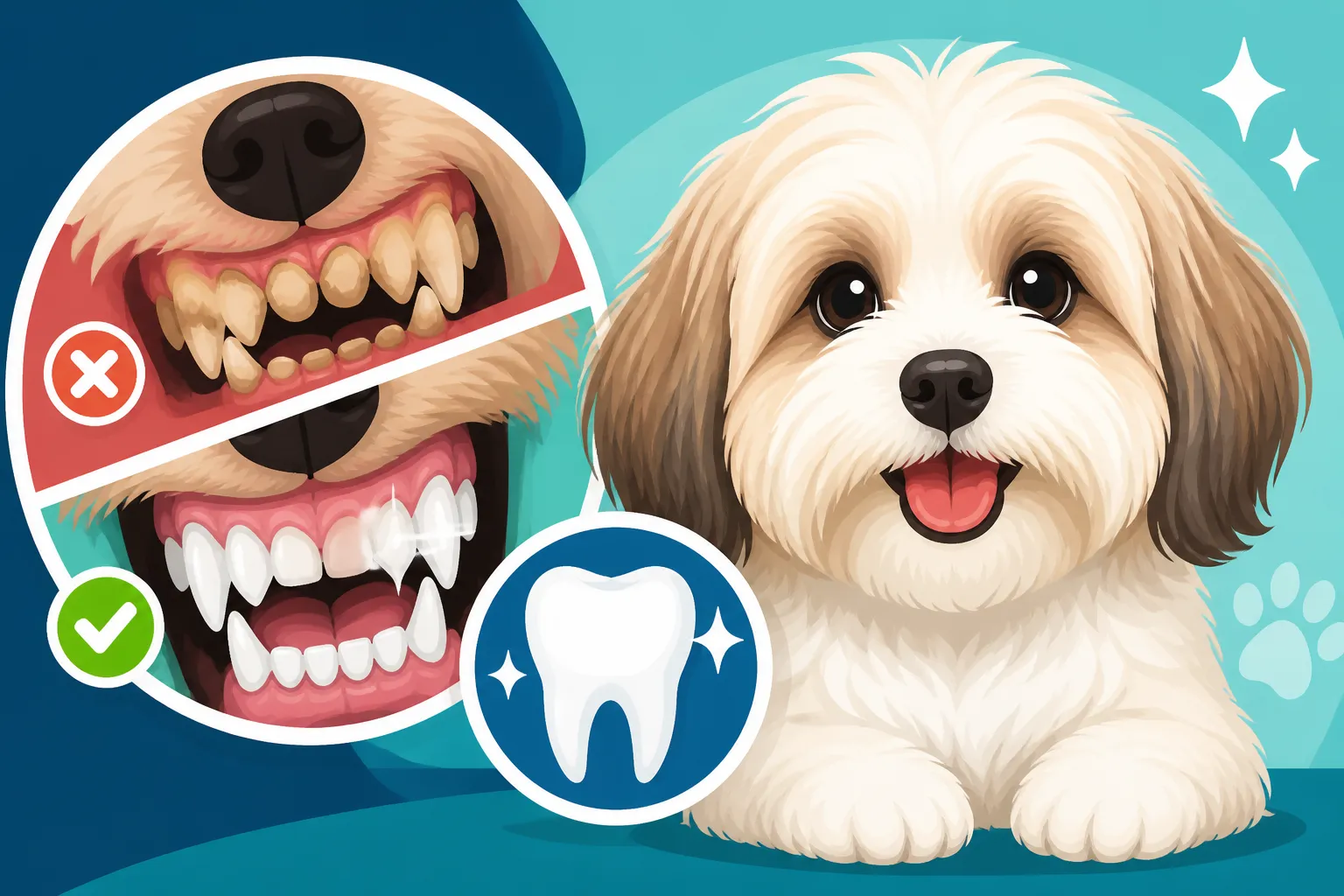
Why a Havanese Needs Dental Work Young
It’s a common surprise for new Havanese parents: you bring home this adorable, fluffy puppy, full of life and charm, only to learn that their tiny mouth might need professional dental attention sooner than you ever imagined. While we often think of dental issues as something that plagues older dogs, our sweet Havanese can face significant oral health challenges from a very young age. This guide will walk you through why your Havanese puppy might need early dental work and how you can support their precious smile for a lifetime.
The Unique Dental Challenges of Your Little Havanese
Havanese, with their charming small stature and delightful personalities, come with a few anatomical quirks that make them predisposed to dental problems, sometimes even before their first birthday. It’s not about poor breeding or neglect; it’s simply part of their genetic makeup as a toy breed. Understanding these inherent challenges is the first step in providing the best preventative care for your furry family member.
The Crowded Confines of a Small Mouth
One of the primary reasons Havanese are susceptible to early dental issues is the simple fact that they have small mouths. Think about it: they have the same number of teeth as a much larger dog, often packed into a significantly smaller jaw. This lack of space can lead to a host of problems. When teeth are jammed together, they can rotate, overlap, or erupt in unusual positions. This creates tiny nooks and crannies that are perfect breeding grounds for plaque and tartar. It's incredibly difficult for even the most diligent tooth-brushing owner to reach these areas effectively, and natural chewing, which helps clean teeth in dogs, becomes less efficient when the teeth aren't properly aligned. This often leads to Dental Crowding in a Havanese Mouth.
Beyond the immediate issues of plaque buildup, severely crowded teeth can also cause discomfort, rubbing against gums or other teeth. In some cases, teeth might even grow into the soft tissues of the mouth, causing painful sores or ulcers. This structural issue is something breeders and vets are well aware of, and it’s a constant battle for owners to manage proactively.
Genetic Predisposition to Early Tartar and Gum Disease
It's not just the size of their mouth; Havanese, like many small breeds, also seem to have a genetic predisposition to developing plaque and tartar at an accelerated rate. What might take years to build up on a larger dog's teeth can appear in a Havanese within months. This isn't just an aesthetic problem; tartar is a hardened form of plaque that irritates the gums, leading to gingivitis – the first stage of gum disease. If left unchecked, gingivitis can quickly progress to periodontitis, a much more severe and painful condition that destroys the tissues supporting the teeth.
This accelerated timeline means that a Havanese puppy can show signs of significant dental disease much earlier than a larger breed. By the time they are one or two years old, many Havanese might already have plaque and tartar levels that warrant a professional dental cleaning, which for other breeds might not be necessary until they are much older. This inherent vulnerability underscores why understanding and implementing early dental care is so critical for Havanese owners.
Understanding Early Dental Problems in Havanese Puppies
As we’ve established, it’s not just about waiting for an older dog to develop bad breath. Havanese puppies can exhibit specific dental problems that require prompt attention. These aren’t just minor inconveniences; they can lead to pain, infection, and long-term health complications if ignored.
Retained Deciduous Teeth: The Double Row Dilemma
One of the most common issues seen in young Havanese is retained deciduous teeth, more commonly known as retained puppy teeth. Just like human children, puppies are born with a set of "baby" teeth that are meant to fall out as their permanent adult teeth erupt. This usually happens between four and six months of age. However, in small breeds like the Havanese, it's very common for these baby teeth not to fall out on their own. Instead, the adult tooth tries to emerge right alongside the retained baby tooth, creating a "double row" of teeth. This is particularly frequent with the canine teeth (the fangs) but can happen with incisors and premolars too.
When puppy teeth don't fall out, they can cause a cascade of problems. The most immediate is severe crowding, which we discussed earlier, making it even harder to keep the mouth clean. Food particles and bacteria get trapped between the two teeth, accelerating plaque and tartar buildup and leading to early gingivitis. Furthermore, the retained puppy tooth can deflect the adult tooth, causing it to grow in an abnormal position. This malocclusion can lead to a painful bite, where teeth rub against soft tissues or other teeth. Often, if your Havanese still has puppy teeth at six or seven months, your vet will recommend that Whether a Havanese's Baby Teeth Need Pulling at the same time they are spayed or neutered.
Crowded Dentition: A Breeding Ground for Bacteria
Even without retained puppy teeth, the natural crowding in a Havanese’s mouth can cause significant problems. When teeth are too close together, or even overlapping, it creates an environment where bacteria thrive. These tight spaces are difficult for a toothbrush to reach, and normal chewing action often can't dislodge food particles that get stuck. This makes it almost inevitable that plaque will accumulate quickly, leading to tartar formation.
Imagine trying to clean between your own teeth if they were all slightly rotated and pressed against each other – it would be a nightmare, even with flossing. For a Havanese, it's an even greater challenge, as they can't effectively brush or floss themselves. This constant buildup of plaque and tartar leads directly to inflammation of the gums (gingivitis), which, if left unaddressed, will progress to painful and destructive periodontal disease. The more severe the crowding, the faster these issues tend to develop, often making early professional cleaning a necessity rather than a luxury.
Rapid Plaque and Tartar Buildup: The Silent Threat
Beyond structural issues, Havanese simply seem to accumulate plaque and tartar at an alarming rate compared to many larger breeds. This means that even with diligent home care, many Havanese will develop significant buildup by the time they are one or two years old. This rapid accumulation isn't just about aesthetics; it's a silent threat to their overall health. Plaque, a sticky film of bacteria, hardens into tartar within days. Tartar then acts like a rough surface, encouraging even more plaque to adhere and grow, creating a vicious cycle.
This swift progression means that without intervention, a Havanese can develop painful gum inflammation and early signs of periodontal disease well before they reach maturity. The bacteria from these dental issues can also enter the bloodstream, potentially affecting organs like the heart, kidneys, and liver over time. This makes understanding How Often a Havanese's Teeth Need Scaling an important part of your Havanese care routine. This rapid development is why vets often recommend that The Age a Havanese Needs Its First Dental is surprisingly young, sometimes as early as one year old, even if you’ve been doing your best at home.
Why Early Intervention is Key for Havanese Dental Health
It might seem daunting to consider dental procedures for such a young dog, but early intervention is truly the cornerstone of long-term oral health for your Havanese. Proactive care can save your dog from significant pain, extensive procedures, and much higher costs down the line.
Preventing Future Pain and More Extensive Procedures
Addressing dental issues when your Havanese is young is about proactive pain management. A retained puppy tooth, if extracted early, prevents the adult tooth from growing in crooked, which in turn prevents years of painful rubbing against gums or other teeth. Similarly, removing early tartar build-up before it progresses to severe periodontitis means avoiding the pain of exposed tooth roots, gum recession, and even bone loss.
Consider a human analogy: it's far easier and less painful to have a cavity filled when it's small than to wait until it becomes a root canal. The same principle applies to your Havanese. Catching and treating issues early means simpler, less invasive procedures. This can prevent the need for multiple extractions later in life, which are more complicated, more costly, and require longer recovery times for your precious companion. Investing in pet insurance, perhaps through providers like Healthy Paws, can be a wise decision to help manage these often unexpected, but critical, vet expenses.
Impact on Overall Health and Lifespan
The mouth is not an isolated system; it's intricately connected to the rest of the body. Poor dental health, particularly periodontal disease, has a direct impact on your Havanese's overall well-being and can even affect their lifespan. The bacteria thriving in an unhealthy mouth don't just stay there. They can easily enter the bloodstream, traveling to vital organs like the heart, kidneys, and liver.
Over time, this constant systemic bacterial load can contribute to inflammation and damage in these organs, potentially leading to serious conditions such as heart disease or kidney failure. By addressing dental issues early, you reduce this risk significantly. A healthy mouth contributes to a healthier body, allowing your Havanese to live a more comfortable, active, and potentially longer life. It allows them to enjoy their meals without discomfort and engage in play without the distraction of oral pain, contributing to The Fourteen to Sixteen Years a Havanese Lives.
Spotting the Signs of Dental Trouble in Your Young Havanese
As a diligent Havanese owner, you are your dog’s first line of defense against dental disease. Knowing what to look for can help you identify problems early and seek veterinary attention before they escalate. Don’t wait for obvious signs of pain; subtle cues can tell you a lot.
Bad Breath: More Than Just "Doggy Breath"
While many dog owners resign themselves to "doggy breath," it's actually one of the clearest indicators of an underlying dental problem, even in young Havanese. A healthy dog's breath should be relatively neutral, certainly not foul or offensive. If your Havanese puppy or young adult has persistent bad breath, also known as halitosis, it's a strong sign that bacteria are building up in their mouth, likely due to plaque and tartar accumulation or gingivitis.
This isn't just an unpleasant odor for you; it means there's an active bacterial infection. Imagine how unpleasant it would be if your own breath always smelled terrible—it would indicate something serious. Don't ignore bad breath in your Havanese, especially if they are young; it’s a red flag waving vigorously that their mouth needs attention.
Difficulty Eating or Chewing on One Side
Dogs are incredibly stoic, often hiding pain remarkably well. However, dental pain can manifest as changes in eating habits. If your Havanese suddenly seems hesitant to eat, drops food, or prefers to chew only on one side of their mouth, it could indicate discomfort. They might turn their head at an odd angle when chewing or refuse harder foods or treats they once loved.
Sometimes, they might seem ravenously hungry but then approach their bowl and pull back, as if the thought of eating is painful. This difficulty isn't always obvious; it can be subtle, like them taking longer to finish meals or becoming pickier about textures. Pay close attention to these nuances, as they are often a quiet plea for help.
Pawing at the Mouth or Rubbing Face
If your Havanese frequently paws at their mouth, rubs their face along the carpet or furniture, or shows increased drooling, these are all signs that something is irritating them or causing pain in their oral cavity. This can be anything from a sore gum, a loose tooth, or something stuck between their teeth. While occasional pawing is normal, persistent or frantic pawing warrants investigation.
Excessive drooling, especially if it's thicker or tinged with blood, is another serious sign that needs immediate veterinary attention. They might also become withdrawn, less playful, or irritable if you try to touch their face or mouth. Any sudden change in their normal behavior, especially around meal times or when handling their head, should be investigated by your veterinarian.
Visible Tartar, Red Gums, or Missing Teeth
A visual inspection of your Havanese’s mouth, if they'll allow it, can reveal a lot. Lift their lips gently and look at their teeth and gums. You might spot a yellowish-brown crust (tartar) building up, particularly on the back teeth or along the gum line. Their gums might appear red, inflamed, or even bleed slightly when touched, indicating gingivitis. Healthy gums are typically a pale pink, snug around the teeth.
In young Havanese, you might also notice those retained puppy teeth we discussed, creating a double row, or even a missing tooth where a puppy tooth should have been replaced by an adult one. If you see any of these signs, don't delay. Your vet can provide a more thorough examination and determine the best course of action. This is often an indicator that What a Havanese Dental Cleaning Costs is a necessary expense sooner rather than later.
Navigating a Professional Dental Cleaning for Your Havanese
When your veterinarian recommends a professional dental cleaning, it’s natural to feel a bit apprehensive, especially about anesthesia for your small Havanese. However, modern veterinary dentistry has made these procedures incredibly safe and effective, and they are often crucial for maintaining your dog’s health.
The Importance of Pre-Anesthetic Bloodwork and Exam
Before any dental procedure that requires anesthesia, your vet will perform a thorough physical examination and typically recommend pre-anesthetic bloodwork. This isn't just a formality; it's a critical step to ensure your Havanese is healthy enough to undergo anesthesia safely. The blood tests help assess organ function, particularly the liver and kidneys, which are responsible for processing anesthetic drugs. They also check for underlying infections or other health issues that might complicate the procedure.
For small breeds like Havanese, monitoring vital signs during anesthesia is paramount. Many owners worry Whether Anesthesia Is Riskier on a Small Havanese. While all anesthesia carries some risk, modern protocols, including careful monitoring of heart rate, breathing, blood pressure, and oxygen levels, significantly minimize these risks. Your vet will discuss these safety measures with you, ensuring you understand the steps taken to protect your beloved pet.
What Happens During the Dental Procedure
A professional dental cleaning for your Havanese is a much more thorough process than what can be achieved at home. Once safely under anesthesia, the veterinary team will perform a comprehensive oral examination, often including dental X-rays. These X-rays are invaluable because they allow the vet to see below the gum line, identifying issues like bone loss, abscesses, or problems with tooth roots that are invisible to the naked eye.
Next, special ultrasonic and hand scalers are used to meticulously remove plaque and tartar from every tooth surface, both above and below the gum line. This subgingival cleaning is crucial because that's where much of the destructive periodontal disease occurs. Any retained puppy teeth will be extracted, and any adult teeth that are severely diseased or compromised may also be removed to prevent further pain or infection. Finally, the teeth are polished to smooth the enamel, making it harder for plaque to adhere quickly again. Your Havanese will be closely monitored throughout the procedure and during recovery, often wrapped in warm blankets to maintain body temperature until they are fully awake.
Your Daily Arsenal for a Healthy Havanese Smile
While professional dental cleanings are essential, they are just one piece of the puzzle. The real battle against dental disease is fought at home, every single day. Establishing a consistent daily oral hygiene routine for your Havanese is the most effective way to slow down plaque and tartar buildup and keep their mouth healthy between vet visits.
Daily Tooth Brushing: The Gold Standard
Daily tooth brushing is, without a doubt, the single most effective thing you can do to maintain your Havanese's oral health. Just like humans, mechanical removal of plaque is key. You'll need a toothbrush designed for dogs (or a very soft child's brush) and enzymatic dog toothpaste – never use human toothpaste, as it can contain ingredients toxic to dogs.
Start slowly when your Havanese is a puppy. Let them lick the toothpaste off your finger, then introduce the brush for short periods. Gradually increase the duration and coverage, focusing on the outside surfaces of the teeth, especially the molars and canines. Aim for at least once a day, if not twice. It might seem like a chore at first, but with patience, positive reinforcement (lots of praise and treats!), and consistency, most Havanese learn to tolerate and even enjoy their brushing sessions. It makes a tremendous difference in reducing the need for extensive dental work.
Dental Chews and Special Diets
While brushing is the gold standard, dental chews and specialized dental diets can be valuable additions to your Havanese's oral hygiene routine, especially on days when brushing isn't feasible or as an extra layer of defense. Look for dental chews that are specifically formulated to reduce plaque and tartar, and have the Veterinary Oral Health Council (VOHC) seal of acceptance, which indicates they have met specific standards for effectiveness. Many products are available through retailers like Chewy. These chews work by providing a mild abrasive action or containing ingredients that help break down plaque.
Some premium dog foods are also designed with dental health in mind. These often feature larger, specially shaped kibble that encourages chewing and provides a scrubbing action on the tooth surfaces. Some even contain additives that help prevent plaque from mineralizing into tartar. Discuss with your vet if a dental diet might be beneficial for your Havanese. While not a substitute for brushing, they can certainly play a supportive role in overall oral health management. For some Havanese owners, exploring fresh food options from services like Ollie can be part of a holistic health approach, though dental benefits should always be discussed with your vet. Just be mindful of How Much an Adult Havanese Eats Daily if you're introducing new items.
Regular Oral Examinations at Home
Beyond brushing, make it a habit to regularly inspect your Havanese's mouth at home. This doesn't need to be a formal exam every day, but simply taking a moment to lift their lips, smell their breath, and look for any changes. Check for:
- Red or swollen gums
- Tartar buildup (yellow or brown crust)
- Broken or loose teeth
- Retained puppy teeth (a double row of teeth)
- Any unusual growths or sores
- Discomfort when you touch their mouth
The more familiar you become with what a healthy Havanese mouth looks and smells like, the quicker you'll be able to spot any emerging problems. If you notice anything concerning, don't hesitate to contact your veterinarian. Early detection and intervention are always better for your Havanese's health and your peace of mind.
Here's a quick reference table for common dental issues in young Havanese:
| Dental Issue | Description | Common Age Range (Havanese) | Signs to Look For | Veterinary Recommendation |
|---|---|---|---|---|
| Retained Puppy Teeth | Baby teeth that fail to fall out as adult teeth erupt. | 4-7 months | Double row of teeth, crowding, food trapping. | Extraction (often with spay/neuter). |
| Crowded Dentition | Adult teeth packed too closely, overlapping, or rotated in the small jaw. | 6 months onwards | Rapid plaque/tartar buildup, red gums, bad breath. | Professional cleaning, possible extractions. |
| Gingivitis | Inflammation of the gums due to plaque and tartar buildup. | 1-2 years onwards | Red, swollen gums; bad breath; mild bleeding when brushed. | Professional cleaning, improved home care. |
| Early Periodontal Disease | Progression of gingivitis, leading to destruction of tooth-supporting structures. | 1.5-3 years onwards | Receding gums, loose teeth, pain, pus, very bad breath. | Professional cleaning, extractions, antibiotics. |
Disclaimer
This article is for general informational purposes only and does not constitute professional advice. Laws, prices and regulations vary by location and change over time. Consult a qualified professional for guidance on your specific situation.