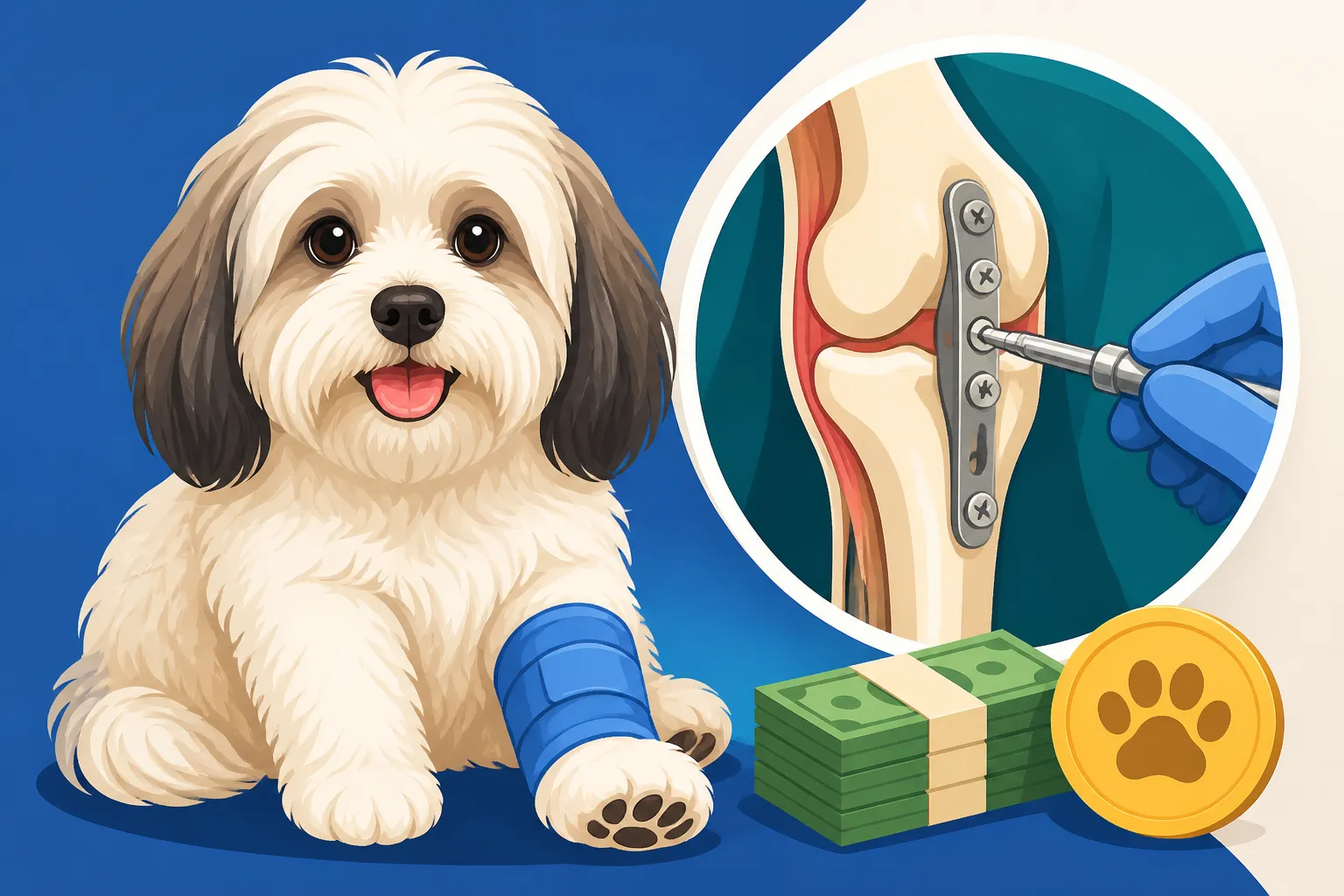
What Knee Surgery Costs a Havanese Owner
One of the most heart-wrenching concerns for any Havanese owner is when their beloved companion starts limping, skipping, or showing signs of discomfort in their back legs. Often, this can lead to the dreaded diagnosis of luxating patella, or "slipping kneecaps," a condition that frequently requires surgical intervention. The thought of your little Havanese going through surgery is stressful enough, but then the financial worry kicks in. This guide aims to shed light on what knee surgery for a Havanese entails, breaking down the various costs involved so you can better prepare for this challenging time.
Understanding Luxating Patella in Havanese
Before we dive into the numbers, it's crucial to understand what luxating patella actually is and why it's such a common issue in our charming Havanese companions. This condition is far from rare in small breeds, and knowing the basics can help you grasp the necessity and complexity of the surgery.
What is Luxating Patella?
Luxating patella simply means a dislocating kneecap. The patella, or kneecap, is a small bone that normally rides in a groove at the end of the femur (thigh bone). It's held in place by tendons and ligaments, allowing the knee joint to extend and flex smoothly. In dogs with luxating patella, this kneecap slips out of its groove, either to the inside (medial luxation) or outside (lateral luxation) of the leg. This slipping can be intermittent or constant, leading to pain, lameness, and potential long-term joint damage.
It's a condition often attributed to genetics and the specific conformation of smaller dogs, including our Havanese. You might notice your Havanese "skipping" a step, holding a back leg up for a few strides, and then putting it down as if nothing happened. This is a classic sign of the kneecap slipping out and then popping back into place. Over time, this constant movement can wear down the bone and cartilage, making the problem worse and increasing the likelihood of arthritis. For more detail on the mechanics of the condition, you might find The Kneecaps a Havanese Slips to be a helpful read.
Grading the Severity of Luxating Patella
Veterinarians classify luxating patella into grades from 1 to 4, which helps determine the severity and the recommended course of action. This grading also plays a significant role in estimating the complexity and thus the cost of potential surgery.
- Grade 1: The patella can be manually luxated (pushed out of place) but easily returns to its normal position. Your Havanese might show only occasional skipping or no symptoms at all.
- Grade 2: The patella luxates frequently, either spontaneously or when the leg is flexed, but it can still return to its normal position. This is where you'll more consistently notice that tell-tale skip or bunny hop in their gait.
- Grade 3: The patella is luxated most of the time but can be manually reduced (put back into place). The dog is usually quite lame and may have difficulty extending the knee.
- Grade 4: The patella is permanently luxated and cannot be manually reduced. The femur and tibia bones might be significantly deformed, and the dog often walks with a severely crouched or abnormal gait. This is the most severe and debilitating form.
As you can imagine, a higher grade generally means more significant anatomical issues and a more complex surgical correction. Understanding these grades is critical when discussing Grading a Havanese's Luxating Patella with your vet and considering surgical options.
When is Surgery Recommended for a Havanese's Knee?
Deciding on surgery isn't always straightforward. For Grade 1 luxation, many vets might recommend conservative management, focusing on weight control, joint supplements, and controlled exercise. However, for Grade 2 and higher, surgery is often the best long-term solution to alleviate pain, restore mobility, and prevent further joint degeneration and the onset of debilitating arthritis.
If your Havanese is consistently showing pain, lameness, or if the luxation is becoming more frequent and impacting their quality of life, your veterinarian will likely discuss surgical options. It's not just about correcting the immediate issue but also about safeguarding their future mobility. Ignoring the problem, especially at higher grades, can lead to chronic pain and irreversible damage. Many owners wonder whether a Havanese's kneecap needs operating, and the answer often lies in the severity of the luxation and its impact on the dog's well-being.
Components of Knee Surgery Costs for Havanese
When you receive an estimate for Havanese knee surgery, it's rarely a single, flat fee. Instead, it's a breakdown of multiple services, consultations, and medications. Understanding each component can help you prepare for the financial commitment involved.
Pre-Surgical Diagnostics and Consultations
Before your Havanese even goes under the knife, there's a significant amount of preparatory work that needs to happen. This phase is crucial for ensuring your dog is a good candidate for surgery and for the veterinary team to plan the procedure meticulously.
- Initial Consultations: You'll have several appointments with your regular vet, and potentially with a board-certified veterinary orthopedic surgeon, to diagnose the condition, discuss treatment options, and get their professional opinion. These consultations involve examinations, gait analysis, and a thorough medical history review.
- Radiographs (X-rays): X-rays are essential to assess the bone structure of the knee, hip, and sometimes the entire leg. They help determine the degree of bone deformation, identify any concurrent conditions like hip dysplasia or arthritis, and guide the surgeon in planning the precise corrections needed. Sometimes, these X-rays are taken under sedation to get the most accurate views.
- Blood Work: Comprehensive pre-anesthetic blood tests are mandatory to ensure your Havanese is healthy enough for anesthesia. These tests check organ function (liver and kidneys), blood cell counts, and clotting abilities, minimizing risks during the procedure. Small breeds, like Havanese, can sometimes have sensitivities or underlying conditions that these tests help identify.
- Other Diagnostics: Depending on your Havanese's overall health and age, additional tests might be recommended, such as an electrocardiogram (ECG) to assess heart function, especially if a heart murmur has been detected.
These diagnostic steps, while seemingly numerous, are vital for a safe and successful outcome. They form the foundation upon which the entire surgical plan is built.
The Surgical Procedure Itself
This is often the largest single portion of the bill, encompassing the actual surgery and the resources required to perform it safely and effectively.
- Anesthesia and Monitoring: Administering anesthesia to a small breed like a Havanese requires precision and constant vigilance. This cost includes the anesthetic drugs, the time of the veterinary anesthetist (or dedicated veterinary technician), and sophisticated monitoring equipment (for heart rate, blood pressure, oxygen levels, temperature). Ensuring your Havanese's safety during anesthesia is paramount.
- Surgeon's Fees: This covers the orthopedic surgeon's expertise, time, and skill in performing the complex surgical corrections. Luxating patella surgery typically involves several techniques to stabilize the kneecap, such as deepening the trochlear groove, repositioning the patellar ligament attachment (tibial tuberosity transposition), and tightening or releasing joint capsules. The more severe the luxation, the more intricate the repair.
- Facility and Operating Room Costs: This accounts for the use of the sterile operating room, surgical instruments, drapes, gowns, gloves, and other consumables. It covers the overhead of maintaining a clean and equipped surgical environment crucial for preventing infection.
- Hospitalization: Most Havanese will require at least one night of hospitalization following knee surgery for pain management, close monitoring, and initial recovery. This cost includes their stay in a comfortable, supervised environment, food, and nursing care.
Post-Surgical Care and Medication
The care doesn't stop once your Havanese leaves the operating room. The post-operative period is critical for healing and ensuring a smooth recovery.
- Pain Management and Anti-Inflammatories: Your Havanese will be sent home with a course of pain medication and anti-inflammatory drugs to keep them comfortable and reduce swelling during the initial healing phase. These are vital for their well-being and to encourage gentle movement.
- Antibiotics: To prevent post-surgical infections, a course of antibiotics is often prescribed.
- Bandages and Wound Care Supplies: You might receive special bandages or instructions for wound care, including cleaning solutions and protective cones (e-collars) to prevent your Havanese from licking or chewing at the incision site.
- Follow-up Appointments: Several follow-up visits will be necessary to check the incision, remove sutures, and assess healing and progress. These appointments are crucial for ensuring proper recovery and addressing any complications early.
- Rehabilitation Consultations: While not always included in the initial surgical quote, a consultation with a veterinary rehabilitation specialist might be recommended early on to discuss a tailored exercise plan, which can be a game-changer for recovery.
Here's a simplified table illustrating these typical cost components:
| Cost Component | Description |
|---|---|
| Pre-Surgical | Consultations, X-rays (often under sedation), blood work, sometimes ECG. |
| Surgical Procedure | Anesthesia, monitoring, surgeon's fees, operating room use, surgical supplies, hospitalization (1-2 nights). |
| Post-Surgical Medications | Pain relievers, anti-inflammatories, antibiotics, E-collar. |
| Post-Surgical Follow-ups | Incision checks, suture removal, re-examinations to monitor healing. |
| Rehabilitation (Optional) | Initial consultation with a physical therapist, potential hydrotherapy or specialized exercises. |
Factors Influencing the Total Cost of Havanese Knee Surgery
It's natural to wonder why costs can vary so widely for the same procedure. Several key factors contribute to the overall bill you'll face for your Havanese's knee surgery.
Geographic Location and Clinic Type
Just like human healthcare, veterinary costs are significantly influenced by where you live. A procedure performed in a major metropolitan area or a high-cost-of-living region will almost always be more expensive than the same procedure in a rural area. The cost of living impacts everything from staff salaries to facility rent and equipment maintenance, all of which are factored into clinic pricing.
Furthermore, the type of veterinary clinic plays a role. A general veterinary practice might offer a lower price point for simpler surgeries, but for complex orthopedic issues like advanced luxating patella, a specialized veterinary surgical center or a university veterinary teaching hospital will often be recommended. These facilities typically employ board-certified orthopedic surgeons with advanced training and state-of-the-art equipment, which comes with a higher price tag but often offers a greater depth of expertise and resources. It's a trade-off between cost and specialized care.
Severity and Complexity of the Case
As we discussed with the grading system, the severity of your Havanese's luxating patella directly impacts the complexity of the surgery, which in turn affects the cost.
- Grade 1-2: Simpler cases might require less extensive reconstruction, potentially leading to a lower surgical fee. The bones might not be significantly deformed, and the groove might only need minor deepening.
- Grade 3-4: More severe luxations often involve significant bone reshaping (osteotomy procedures), extensive soft tissue reconstruction, and potentially addressing other concurrent issues that have developed due to chronic instability. These procedures take longer, require more specialized surgical techniques, and demand more of the surgeon's time and skill, driving up the cost.
- Unilateral vs. Bilateral: If your Havanese has luxating patella in both knees, this is known as bilateral luxation. While surgery on both knees might sometimes be performed in stages, or even simultaneously in certain situations, the overall cost will essentially double compared to a single knee repair. This is a common scenario, as How Common Slipping Kneecaps Are in a Havanese highlights, meaning many owners face this decision.
- Concurrent Conditions: If your Havanese also has existing arthritis, hip dysplasia, or other orthopedic issues complicating the knee problem, the surgical plan and subsequent recovery might become more intricate, potentially adding to the cost.
Specialist vs. General Practitioner
While your trusted general veterinarian can diagnose luxating patella, for most surgical corrections, especially beyond Grade 1, they will likely recommend a referral to a board-certified veterinary orthopedic surgeon.
- General Practitioner: A general vet might perform simpler patella surgeries, but their primary focus is broad veterinary care. Their training is not specialized in complex orthopedic procedures.
- Board-Certified Orthopedic Surgeon: These specialists have completed years of additional training (residency) after veterinary school, followed by rigorous examinations to become certified in veterinary surgery. They possess an in-depth understanding of musculoskeletal anatomy, advanced surgical techniques, and post-operative care for orthopedic conditions. Their expertise significantly reduces the risk of complications and improves long-term outcomes. The higher fees charged by specialists reflect this advanced training, specialized equipment, and greater experience in handling complex cases. Choosing a specialist is often an investment in the best possible outcome for your Havanese's mobility.
Managing and Reducing the Financial Burden
Facing the cost of knee surgery for your Havanese can feel overwhelming. However, there are several avenues to explore that can help make this necessary procedure more manageable financially.
Pet Insurance Coverage
Pet insurance can be a literal lifesaver when unexpected veterinary bills arise. If you have pet insurance, this is the first place you should look for financial relief.
- Policy Coverage: Most comprehensive pet insurance policies cover accidents and illnesses, which typically include luxating patella surgery, as long as it's not a pre-existing condition. It's crucial to review your policy details carefully or speak directly with your provider to understand what percentage of the costs they will reimburse. Companies like Healthy Paws are well-known for their comprehensive coverage, which often includes surgical procedures, diagnostics, and rehabilitation therapies.
- Deductibles and Reimbursement Rates: Be aware of your deductible (the amount you pay before coverage kicks in) and your reimbursement rate (the percentage of the remaining bill the insurer pays). These factors significantly impact your out-of-pocket expenses.
- Waiting Periods: Remember that most policies have waiting periods before coverage for certain conditions begins. This is why it's always best to enroll your Havanese in pet insurance when they are young and healthy, ideally before any conditions like luxating patella develop or are diagnosed. If your Havanese has already been diagnosed, the condition might be considered pre-existing and therefore excluded from coverage, though some policies might offer limited coverage after a certain waiting period or if the condition hasn't recurred for a specified time. Considering Insuring a Havanese Against Knees and Heart from an early age is a smart move.
Payment Plans and Financial Aid
Even without insurance, you have options to explore to ease the financial strain.
- Veterinary Clinic Payment Plans: Many veterinary hospitals understand the high cost of specialized care and offer in-house payment plans or work with third-party medical financing companies. These programs allow you to pay off the balance in monthly installments, often with low or no interest for a promotional period. Always ask your clinic about their payment options.
- CareCredit and Similar Programs: Companies like CareCredit act like a credit card specifically for healthcare expenses. They often provide promotional financing options that can defer interest for a period, making large medical bills more manageable.
- Veterinary Assistance Programs: There are various non-profit organizations and foundations dedicated to helping pet owners afford essential veterinary care. These programs often have specific eligibility requirements, but they are worth researching. Examples include RedRover, The Pet Fund, and specific breed-specific rescue groups that might offer grants or assistance for common health issues in Havanese.
- Crowdfunding: Platforms like GoFundMe have become popular for pet owners to raise funds from their communities for expensive treatments.
- Negotiate with your Vet: Sometimes, a frank conversation with your veterinary team about your financial limitations can lead to suggestions for slightly less expensive alternatives for certain aspects of care, or they might be able to offer a small discount if paid in full. It never hurts to ask respectfully.
Preventative Measures
While luxating patella is often genetic, there are proactive steps you can take that might help manage symptoms or potentially delay progression, which indirectly reduces costs in the long run by maintaining overall joint health.
- Weight Management: Keeping your Havanese at an ideal body weight is paramount for joint health. Excess weight puts additional strain on all joints, including the knees, exacerbating the symptoms of luxating patella and speeding up joint degeneration. A healthy weight can sometimes keep a Grade 1 or 2 luxation from worsening. You can discuss What an Adult Havanese Weighs with your vet to determine their ideal healthy weight. Finding the right food and portion control is vital, and services like Ollie, offering fresh, pre-portioned meals, or a trusted brand like those available on Chewy, can be helpful in this regard.
- Controlled Exercise: Regular, moderate exercise that builds muscle strength around the knee joint can provide better support for the patella. Avoid high-impact activities like excessive jumping or sudden turns, especially on slippery surfaces. Consistent, leash walks are often better than intense, sporadic play.
- Joint Supplements: Many Havanese owners choose to give their dogs joint supplements containing ingredients like glucosamine, chondroitin, and MSM. While these won't "cure" luxating patella, they can support joint health, reduce inflammation, and potentially slow down the progression of arthritis. Always consult your vet before starting any supplements to ensure they are appropriate for your Havanese. Whether Joint Supplements Help a Havanese is a common question, and for many, they are a valuable part of a proactive care plan. Chewy offers a wide selection of quality joint supplements.
- Environmental Adjustments: Minimizing activities that stress the knees can also help. This includes using ramps or steps for furniture your Havanese likes to jump on and covering slippery floors with rugs to provide better traction. Understanding Keeping a Havanese Off Furniture It Should Not Jump From can significantly protect their joints.
Life After Surgery: Ongoing Costs and Care
Surgery is a major step, but it's just one part of your Havanese's journey back to full health. The post-operative period involves ongoing care, which also contributes to the total cost picture.
Rehabilitation and Physical Therapy
Just like humans recovering from knee surgery, rehabilitation and physical therapy are often crucial for dogs. This isn't just about passive recovery; it's about actively rebuilding strength, flexibility, and proper gait.
- Hydrotherapy: Underwater treadmill sessions can be incredibly beneficial. The buoyancy of the water reduces weight-bearing stress on the recovering knee while allowing for full range of motion exercises to strengthen muscles. This gentle resistance builds muscle without impact.
- Therapeutic Exercises: A certified canine rehabilitation therapist will design a personalized exercise program, which might include controlled leash walks, balance exercises on wobble boards, passive range of motion stretches, and specific exercises to target muscle groups around the knee. These exercises are often demonstrated to you, so you can continue them at home.
- Laser Therapy and Massage: Cold laser therapy can help reduce inflammation and pain, promoting faster healing. Therapeutic massage can also improve circulation and reduce muscle stiffness.
- Cost and Duration: Rehabilitation typically involves a series of sessions over several weeks or months. Each session can be an additional cost, and the total cost will depend on the duration and intensity of the therapy needed. While it adds to the expense, many owners find it invaluable for ensuring a complete and robust recovery, helping their Havanese regain full function and preventing secondary issues.
Long-Term Medications and Supplements
Even after the initial recovery, your Havanese might require ongoing support for their joint health.
- Anti-Inflammatories/Pain Relief (as needed): While the surgery aims to resolve the underlying issue, some Havanese, especially those who had higher-grade luxation or developed arthritis prior to surgery, might need occasional or long-term medication to manage residual pain or inflammation. This might include NSAIDs (non-steroidal anti-inflammatory drugs) or other pain relievers, particularly as they age.
- Joint Supplements: Continuing joint supplements like glucosamine and chondroitin is often recommended for the rest of your Havanese's life. These help maintain cartilage health and support the joint, potentially delaying the onset or progression of arthritis. Many high-quality options are available through retailers like Chewy.
- Weight Management: As mentioned before, maintaining an ideal weight remains critical. This often means careful portion control and choosing appropriate, high-quality dog food. Brands like Ollie can provide a precisely portioned fresh diet, which is excellent for weight control and overall health. Monitoring their weight as they enter their senior years, as discussed in Caring for a Havanese Past Twelve, becomes even more important.
Preventing Recurrence or Issues in the Other Knee
Unfortunately, having luxating patella in one knee means there's a higher chance of it developing in the other. Careful management and observation are key.
- Monitoring the Other Knee: Your vet will advise you on how to monitor your Havanese for any signs of luxation in the "good" knee. Regular check-ups are important.
- Continued Preventative Care: All the preventative measures mentioned earlier—weight management, controlled exercise, and joint supplements—become even more important for life to support overall joint health and minimize the risk of new problems or recurrence.
- Regular Veterinary Check-ups: Consistent annual or semi-annual check-ups with your veterinarian will allow them to assess your Havanese's mobility, joint health, and overall well-being, catching any potential issues early. This proactive approach can lead to earlier intervention and potentially less costly treatments in the long run. Even an older Havanese can benefit greatly from diligent monitoring to address Arthritis in a Havanese at Twelve.
The journey with a Havanese after knee surgery is one of careful rehabilitation and ongoing support. While the initial surgical cost is significant, budgeting for these post-operative and long-term care components is essential for your furry friend's comfort and long-term quality of life. Knowing What a Havanese Needs Every Day includes attention to their physical well-being and mobility, especially after such an important procedure.
Disclaimer
This article is for general informational purposes only and does not constitute professional advice. Laws, prices and regulations vary by location and change over time. Consult a qualified professional for guidance on your specific situation.