What a Havanese Groom Costs in 2026
Many Havanese owners quickly discover that maintaining their beloved companion's beautiful coat involves a significant ongoing expense, often far more than they initially anticipated. It’s not just the purchase price of the puppy; the true cost of ownership often reveals itself in the recurring need for professional grooming to keep that gorgeous silky hair from becoming a matted mess. This guide aims to demystify the various factors influencing Havanese grooming costs, helping you understand what you're paying for and how different choices can impact your budget.
The Many Variables That Influence Havanese Grooming Prices
When you walk into a grooming salon with your Havanese, the price quoted isn't just pulled out of thin air. It's a complex calculation based on several factors, all designed to ensure your pup gets the best care possible. Understanding these can help you manage your expectations and your wallet.
Geographic Location and Local Market Rates
Just like pretty much everything else, the cost of professional grooming for your Havanese can vary wildly depending on where you live. Think about it: a groomer running a salon in a bustling city like New York or Los Angeles faces vastly different overhead costs – rent, utilities, staff wages – compared to someone operating in a quiet suburban town or a rural community. These higher operating costs translate directly into higher prices for services. It's simply the economics of doing business in different areas. You might find a full groom in a high-demand urban area is significantly more substantial than the same service in a more affordable region. It's always a good idea to call a few local salons and ask for their current rates to get a feel for the going price in your specific locale.
Beyond the baseline operating costs, the demand for skilled groomers in a particular area can also play a role. If there are only a few highly regarded Havanese specialists in your town, their prices might reflect that exclusivity and the wait list they likely have.
Groomer Experience and Reputation
This is a big one. You wouldn't expect to pay the same for a haircut from a brand-new stylist fresh out of beauty school as you would for a cut from a seasoned master stylist with a decade of experience and a loyal clientele. The same principle applies to dog groomers, especially when dealing with a breed like the Havanese with its unique coat requirements. A groomer who specializes in Havanese or has extensive experience with long-coated breeds understands the nuances of their hair texture, potential matting spots, and breed-specific styling. They know how to handle the delicate facial hair, the feathering on the legs, and how to create that iconic Havanese look.
A highly reputable groomer, perhaps one known for their gentle approach or their ability to work with anxious dogs, will often command higher fees. You're paying not just for the service, but for their expertise, their ability to deliver a consistent, high-quality result, and the peace of mind that comes from knowing your cherished Havanese is in capable hands. If your Havanese is destined for the show ring, finding a groomer with experience in What a Havanese Show Coat Costs to Maintain will be an investment in a specific skill set.
Your Havanese's Coat Condition and Temperament
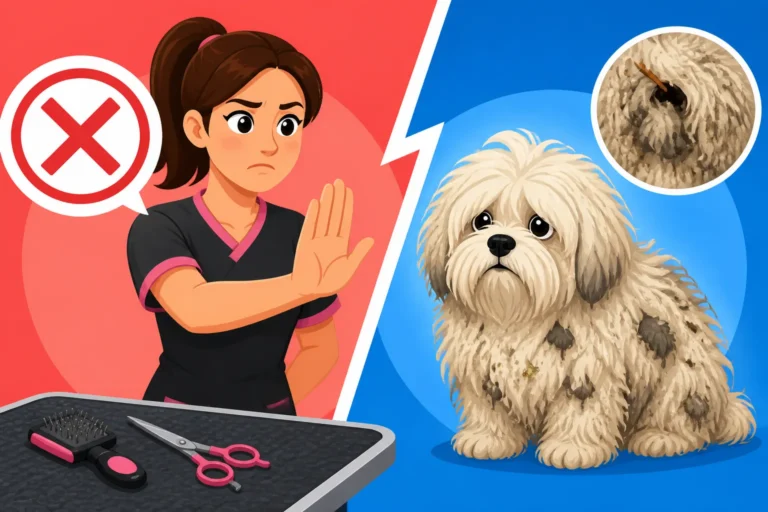
Let’s be honest, life happens. Sometimes, despite our best intentions, our Havanese's coat can get a bit out of hand between professional appointments. If your Havanese arrives at the salon with significant matting, be prepared for an additional charge. Matting isn't just unsightly; it can be painful for the dog and incredibly time-consuming and difficult for the groomer to remove safely. They may need to use specialized tools, products, and a significant amount of extra time to gently detangle the coat without causing discomfort. In severe cases, a matted Havanese may need to be shaved down completely, which also takes extra time and care. If you're concerned about this, you might want to read What a Dematting Charge Adds on a Havanese for more insight. In extreme situations, groomers might even have to refuse service if the matting is too severe to safely address, which is discussed in Whether a Groomer Refuses a Pelted Havanese.
Beyond coat condition, your Havanese's personality plays a role too. A calm, cooperative dog that enjoys the grooming process makes a groomer's job much easier. However, if your Havanese is anxious, squirmy, or prone to nipping, the groomer will need more time and patience, and potentially an extra set of hands, which can also lead to an increased fee. They might need to take more breaks, use different calming techniques, or simply work at a slower pace to ensure your dog's safety and comfort.
Understanding What a Standard Havanese Groom Typically Includes
When you book a "full groom" for your Havanese, you're not just paying for a bath. It's a comprehensive spa day designed to address every aspect of their hygiene and appearance. Knowing what's included helps you appreciate the value of the service and understand where your money is going.
The Basic Bath and Brush Out
This is the foundation of any good groom and probably the most crucial step for a Havanese. A professional bath typically involves several stages: first, a pre-bath brush-out to loosen any superficial tangles, then a thorough shampooing, often with a high-quality shampoo tailored to your dog's skin and coat type. Many groomers use a second shampoo to ensure a deep clean, followed by a nourishing conditioner to soften the coat and prevent future tangles. After rinsing, the drying process begins. This isn't just towel-drying; most professionals use powerful force dryers to quickly and efficiently dry the coat, which also helps to straighten the hair and remove more loose undercoat. Proper drying is absolutely essential for a Havanese to prevent matting and achieve that fluffy, silky finish. You can learn more about this process by checking out Drying a Havanese Properly. This thorough washing and drying prepares the coat for the intricate trimming that follows. The total cost for this comprehensive service can be found by researching What a Full Havanese Groom Costs.
Trimming, Scissoring, and Styling
Once your Havanese is clean and thoroughly dry, the artistry truly begins. This is where the groomer shapes your dog's coat according to your preferences and the breed standard (if applicable). This stage involves:
- Body Trim: Whether you opt for a long, flowing coat or a shorter, more manageable "puppy cut," the groomer will meticulously trim the body hair to the desired length and shape. This often involves a combination of clippers for efficiency and scissors for precision, especially around delicate areas.
- Head and Face Styling: The Havanese face is one of their most charming features. Groomers will carefully trim around the eyes to prevent hair from irritating them, shape the muzzle to enhance their sweet expression, and often create a topknot if you wish. This requires incredible attention to detail and a steady hand. If you're wondering about a specific style, articles like What a Puppy Cut Costs on a Havanese or Whether a Havanese Needs a Topknot might be helpful. Maintaining a clean face is also key for health, so a good groomer will ensure the hair doesn't impede vision or trap moisture. For more on this, consider Whether a Havanese Should Have Its Face Trimmed.
- Paw and Sanitary Trims: Hair grows quickly between the paw pads, which can collect dirt, debris, and lead to discomfort or slipping on smooth floors. Groomers carefully trim this hair, along with the hair around the sanitary area, to maintain hygiene and prevent issues.
Each snip and trim contributes to the overall look and comfort of your Havanese, making this a time-intensive and skilled part of the grooming process.
Essential Extras: Nails, Ears, and Glands
While the bath and trim might be the most noticeable parts of a groom, a full-service appointment for your Havanese also includes several crucial maintenance tasks that contribute to their overall health and well-being.
- Nail Trimming: Overly long nails can cause discomfort, alter your dog's gait, and even lead to orthopedic problems over time. Groomers carefully trim the nails, often using clippers or a dremel tool, to a healthy length, taking care to avoid the quick. This is usually part of the package, but you can learn more about focused nail care in What a Nail Trim Costs on a Havanese.
- Ear Cleaning and Hair Plucking: Havanese have floppy ears, which means their ear canals can be prone to moisture and yeast infections if not properly cared for. Many groomers will gently clean the outer ear and, if necessary and appropriate for your dog, carefully pluck excess hair from inside the ear canal to improve air circulation. This helps prevent painful ear infections. You might find additional costs for this service, so checking What Ear Cleaning Adds at a Havanese Groom is wise. Maintaining healthy ears and feet are integral parts of their overall health, as detailed in Looking After a Havanese's Ears and Feet.
- Anal Gland Expression: While not always necessary for every dog, some Havanese may need their anal glands expressed regularly. This is a common service offered by groomers or veterinary technicians. If these glands become impacted, it can be quite uncomfortable and even painful for your dog, leading to scooting or licking. While it's generally included in a full groom, it's always good to confirm.
These "extras" are critical components of a comprehensive grooming session, ensuring your Havanese is clean, comfortable, and healthy from nose to tail.
How Different Coat Maintenance Choices Impact Your Budget
The Havanese coat is truly magnificent, but its beauty requires commitment. The choices you make about how you want your Havanese's coat maintained will significantly impact your grooming budget, both in terms of frequency and the specific services required.
The Cost of a Full, Floor-Length Coat
If you dream of your Havanese sporting that elegant, show-stopping, floor-length coat, prepare for a substantial financial and time commitment. This is the most demanding style to maintain, and for good reason. A long coat is incredibly prone to matting and tangling, especially if not brushed meticulously every single day. To keep it pristine, free of mats, and looking its best, professional grooming appointments become much more frequent.
Instead of going every 6-8 weeks, a Havanese with a full, long coat might need professional attention every 3-4 weeks. Each appointment will likely take the groomer more time and skill due to the sheer volume of hair and the need for careful line brushing to ensure no tangles are missed. This increased frequency, combined with the often higher cost per long-coat groom, means your annual grooming expenditure will be at the higher end of the spectrum. You're not just paying for a trim; you're paying for meticulous detangling, thorough drying, and precise scissoring to maintain the desired length and flow, as explored in Whether a Havanese Should Keep a Long Coat.
The Practicality and Cost of a Puppy Cut
For many Havanese owners, a shorter, more practical "puppy cut" or a similar utility clip is the preferred choice. This style involves clipping the body hair to a uniform, shorter length – often an inch or two – while still leaving some feathering on the legs and a charming facial expression. The immediate benefit is significantly reduced maintenance at home. While daily brushing is still recommended to prevent smaller tangles and keep the coat healthy, the shorter length means matting is much less likely to become a severe issue.
This reduced propensity for matting allows you to extend the time between professional grooming appointments, typically to every 6-8 weeks, sometimes even 10 weeks if you're diligent with home care. While the individual cost of a puppy cut groom might still be comparable to a longer trim (as the groomer still needs to bathe, dry, and meticulously clip), the reduced frequency of appointments generally results in a lower overall annual grooming cost. It's a fantastic compromise for owners who want their Havanese to look adorable and be comfortable without the intensive commitment required for a full-length coat. You can get more details on this popular style in The Puppy Cut Most Havanese Owners End Up Choosing.
The Niche World of Cording
Cording a Havanese is a unique and less common coat style, transforming their soft, flowing hair into distinct, felted cords, similar to a Komondor or Puli. This isn't a decision to take lightly, as it represents a significant commitment and a specialized approach to grooming. The initial process of forming the cords can be quite intensive, often requiring several hours over multiple sessions with a groomer experienced in this technique. Once formed, maintaining a corded coat involves a very different routine.
Instead of brushing, the cords need to be regularly separated by hand to prevent them from matting together at the roots. Bathing a corded Havanese is also a specialized process, as the cords absorb a lot of water and take an incredibly long time to dry thoroughly – often many hours. Because of this, professional groomers who offer cording services are often specialists, and their rates will reflect that unique skill and the time-intensive nature of the process. While you might save on daily brushing, the specialized professional care, longer bathing and drying times, and specific products required mean that cording a Havanese can be a considerable financial commitment. It's a very different journey than traditional grooming, as Cording a Havanese and What It Commits You To thoroughly explains. For specifics on cost, you might explore What Cording a Havanese Costs to Maintain.
Strategies for Managing Havanese Grooming Expenses
Let's face it, we all want the best for our Havanese, but the costs can add up. The good news is there are several strategies you can employ to help manage your grooming budget without compromising your dog's health or happiness.
The Home Grooming Kit Investment
One of the most effective ways to save money on Havanese grooming in the long run is to invest in a quality home grooming kit and learn to do some of the work yourself. This isn't for everyone, as it requires time, patience, and a willingness to learn, but the savings can be substantial over your dog's lifetime.
A basic kit might include a good quality slicker brush, a metal comb, blunt-nosed scissors for delicate areas, and nail clippers or a dremel. For more ambitious owners, a set of electric clippers and a force dryer (you can find excellent options from retailers like Chewy) would be a worthwhile investment. The initial outlay for these tools can be considerable, but they pay for themselves quickly. You'll also need good quality shampoos and conditioners. Learning proper techniques, perhaps through online tutorials or a local workshop, is key. This approach is thoroughly explored in Whether Learning to Groom a Havanese Yourself Pays Off and What a Home Grooming Kit Costs a Havanese Owner. Remember, even if you still use a professional for major trims, handling daily brushing, occasional baths, and nail trims at home can significantly reduce your recurring expenses.
Regular Home Maintenance Between Professional Visits
Even if you rely primarily on a professional groomer, consistent home maintenance between appointments is absolutely non-negotiable for a Havanese. Their silky double coat is a matting magnet, and neglecting it for even a few days can lead to severe tangles, especially behind the ears, in the armpits, and on the legs.
Committing to daily or every-other-day line brushing will work wonders. This isn't just a quick surface brush; it involves systematically brushing small sections of hair down to the skin. This simple routine prevents small tangles from becoming huge, painful mats that would require extensive and expensive dematting at the salon. Regular home brushing also helps to extend the time you can comfortably go between professional grooms, saving you money on frequency. Using a good quality detangling spray can make the job much easier, as discussed in Whether Detangling Products Are Worth It for a Havanese, and you can find advice on brushing frequency in How Often a Havanese Must Be Brushed.
Exploring Grooming Packages and Wellness Plans
It's always worth asking your preferred groomer if they offer any loyalty programs, package deals, or discounts for pre-booking multiple appointments. Some independent groomers or larger pet salons might provide a slight reduction in price if you commit to a regular schedule for your Havanese. This can be a win-win: you save a bit of money, and the groomer gets a consistent client.
While pet insurance primarily focuses on unexpected accidents and illnesses, some comprehensive wellness plans might include a small annual allowance for routine care, which could theoretically offset some minor grooming-related vet visits (like ear infection treatment if it arises). However, traditional grooming services are generally not a primary coverage area for pet insurance providers like Healthy Paws, which are typically geared towards unforeseen medical events. Always read the fine print of any plan to understand exactly what's covered.
Diet and Coat Health
You might not immediately think of your Havanese's diet as a grooming expense factor, but it absolutely plays a role in coat health. A high-quality, balanced diet rich in essential fatty acids and nutrients contributes to a healthy skin barrier and a strong, vibrant coat that is less prone to dryness, breakage, and excessive shedding (though Havanese are generally low-shedding).
When a coat is healthy, it's often easier to brush, less likely to mat, and generally more pleasant for a groomer to work with. If your Havanese has skin issues or a dull, brittle coat, it could be a sign that their diet needs adjustment. Exploring premium dog food options, perhaps from brands like Ollie, might seem like an added expense, but the long-term benefits of a healthier coat and skin could indirectly save you money on extensive grooming treatments or veterinary care for skin problems. A nourished coat can simplify the grooming process, making each professional visit more efficient and potentially less costly if it means less time spent on detangling or addressing skin issues exacerbated by poor coat quality.
| Approach | Initial Investment (Tools/Learning) | Ongoing Cost (Per Groom/Yearly) | Time Commitment (Owner) | Professional Expertise Needed | Benefits | Drawbacks |
|---|---|---|---|---|---|---|
| Full Professional Grooming | Low (none) | High | Low | High | Best results, convenience, no owner stress | Most expensive, less flexible scheduling, can get booked up |
| Professional + Home Brush/Bath | Moderate (basic tools) | Moderate (fewer pro grooms) | Moderate | Medium (for complex trims) | Matting prevention, extends groom interval, saves some cost | Still requires owner effort and basic skill |
| DIY Home Grooming | High (full kit, training) | Low (products only) | High | Low (owner skill must be high) | Max savings, flexibility, strong bonding with dog | Time consuming, skill-dependent, potential for mistakes, can be tiring |
| Corded Coat Maintenance | Variable (specialized tools) | High (specialized groomer/products) | High (daily cord care) | High | Unique aesthetic, less traditional brushing, minimal shedding | Highly specialized, long drying times, potential for odor, not for all coats |
Disclaimer
This article is for general informational purposes only and does not constitute professional advice. Laws, prices and regulations vary by location and change over time. Consult a qualified professional for guidance on your specific situation.