Housetraining a Havanese in a Cold Climate
Bringing home a fluffy Havanese puppy is an absolute joy, but for those of us living in colder climates, the excitement can quickly turn to dread when it comes to housetraining. There's nothing quite like the feeling of bundling yourself and your tiny pup up, only for them to give you that "absolutely not" look as the snow drifts around their delicate paws, leading to frustration, chilled fingers, and ultimately, an accident back inside on your rug. This guide aims to tackle those very real struggles head-on, offering practical, empathetic advice and proven strategies to successfully housetrain your Havanese, even when Mother Nature is at her chilliest.
The Unique Challenges of Cold Climate Potty Training
Let's be real, housetraining any puppy can feel like a marathon, but add in freezing temperatures, biting winds, and icy precipitation, and it often feels more like an uphill battle against the elements. For Havanese owners, these challenges are amplified by several breed-specific traits that make those winter potty breaks particularly daunting. It’s not just about getting them outside, it’s about you enduring it too, all while trying to convey the urgent message of "potty time!"
The Havanese Sensitivity to Cold
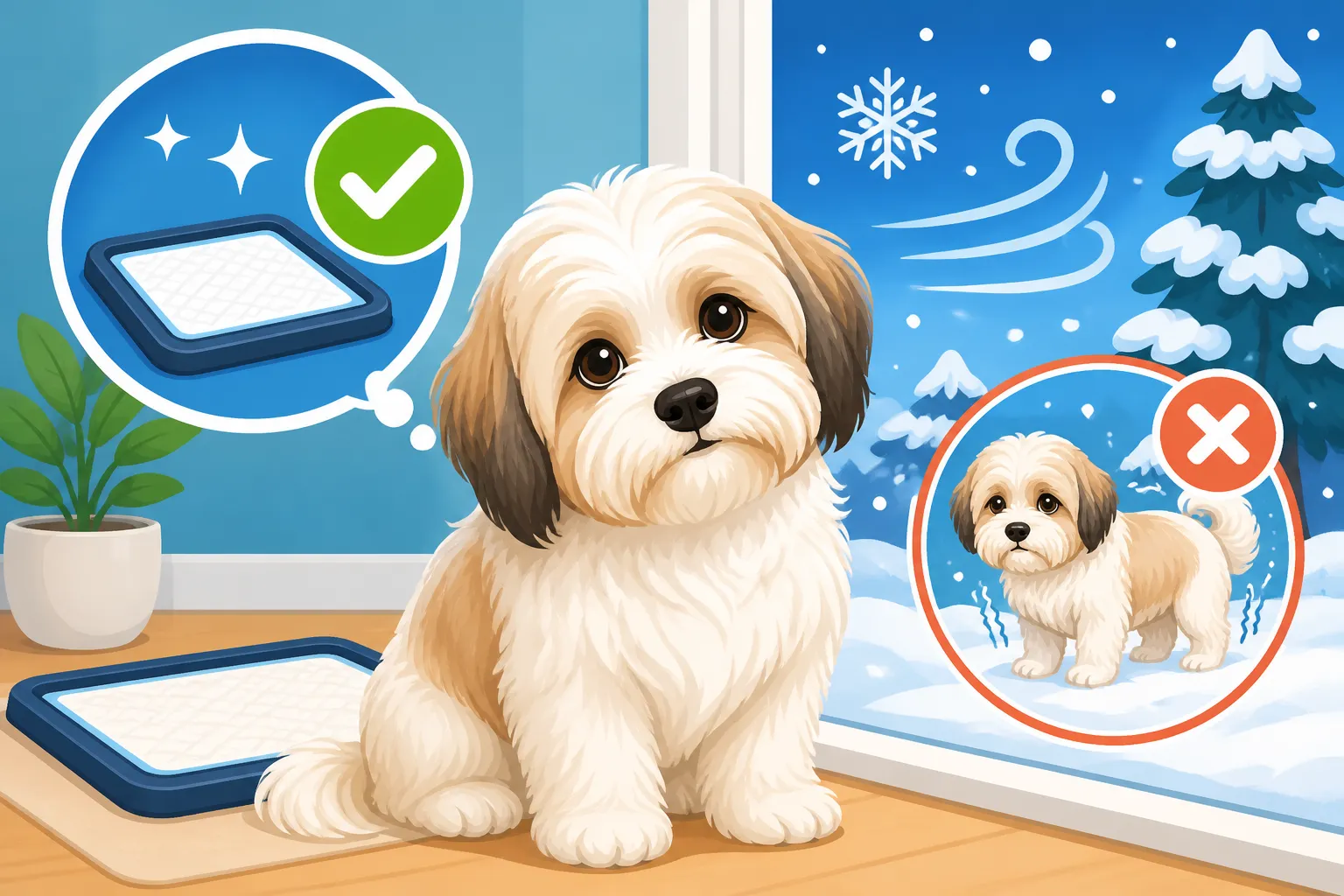
Our sweet Havanese, with their luxurious coats, might look like they're built for cold, but that's often not the case. They are, after all, a breed with tropical origins, accustomed to the warmth of Cuban breezes, not Canadian blizzards or brisk Midwestern winters. Their small size means they lose body heat much faster than larger breeds, and those delicate paws can quickly become uncomfortably cold on icy or snow-covered ground. You'll often see them lifting a paw, shivering, or just looking utterly miserable, which is heartbreaking to witness when all you want is for them to do their business. This inherent sensitivity means they're not exactly eager to linger outside, which can make consistent potty training incredibly difficult when every second feels like an eternity in the cold. It’s a battle against their natural instincts to seek warmth, and your training needs to acknowledge and work with that, not against it.
The Indoor vs. Outdoor Dilemma
This cold sensitivity naturally leads to a common dilemma: do you force the issue outside, risking an unhappy, cold puppy who just wants to bolt back indoors, or do you resort to indoor potty solutions? Many Havanese owners find themselves caught between wanting to establish strict outdoor habits and feeling immense guilt watching their little one shiver. The temptation to use potty pads or an indoor grass patch becomes incredibly strong, especially when you're facing a blizzard outside. While indoor solutions can offer temporary relief, they can also complicate the housetraining process by teaching your Havanese that it's sometimes okay to relieve themselves indoors, which can prolong the outdoor training phase or lead to confusion for your pup. It's a fine line to walk, and every owner wrestles with finding the right balance for their specific situation and home environment.
Common Frustrations for Owners
It's not just the dogs who suffer. As owners, we face a myriad of frustrations. Imagine stepping out into sub-zero temperatures at 3 AM for the tenth time, only for your Havanese to sniff around for five minutes, refuse to go, and then promptly squat on the kitchen floor the moment you step back inside. It’s enough to make you pull your hair out! Beyond the sheer inconvenience and discomfort of repeated trips outside, there's the frustration of cleaning up accidents, the worry about proper development, and the feeling that you're just not "getting through" to your furry friend. The constant vigilance, the repeated failures, and the cold itself can wear down even the most patient owner. It's important to remember that you're not alone in these struggles, and understanding why your Havanese might be hesitant is the first step toward finding solutions. This shared experience is something many Havanese parents in colder climates can deeply relate to, making it crucial to approach housetraining with extra patience and a well-thought-out plan.
Building a Solid Routine, Regardless of Weather
The cornerstone of successful housetraining, no matter the climate, is a rock-solid routine. Consistency is king when you're teaching a Havanese, or any puppy for that matter, where and when to relieve themselves. This structure helps them predict what's coming next, reducing anxiety and making the entire process smoother for everyone involved. Without a predictable schedule, your Havanese will struggle to understand your expectations, regardless of whether it's 70 degrees and sunny or 10 below zero.
Establishing a Consistent Schedule
Puppies thrive on routine, and a Havanese is no exception. From the moment you bring your little fluffball home, start establishing a consistent potty schedule. This means taking them out first thing in the morning, immediately after waking from naps, after playtime, after eating and drinking, and right before bedtime. Don't forget that crucial last outing before you settle in for the night; even if they just went a short while ago, one more try can prevent an accident. Young puppies, especially Havanese, have tiny bladders and stomachs, so frequent trips are absolutely essential. For very young puppies, this could mean every hour or two, gradually increasing as they grow older and their bladder control improves. Remember, it's always better to take them out too often than not enough. This consistency is even more important in cold weather, as it helps your Havanese understand that despite the chill, outdoor potty breaks are non-negotiable parts of their day. You might find some helpful insights in How Long a Havanese Puppy Holds It Overnight as you develop your schedule.
Crate Training as a Foundation
Crate training is an invaluable tool for housetraining, particularly in colder climates where you want to minimize unnecessary outdoor trips. A crate provides a safe, den-like space for your Havanese and naturally discourages them from soiling their sleeping area. Most dogs instinctively try to keep their den clean, which means they will hold their bladder and bowels for as long as they can while in the crate. This teaches them bladder control and gives you a clear indication of when they really need to go out.
Introduce the crate positively, making it a comfortable haven with soft bedding and toys. Never use the crate for punishment. When your Havanese comes out of the crate, the very first thing you do is take them outside to their designated potty spot. This reinforces the idea that leaving the crate immediately precedes outdoor relief. If you're wondering whether this method is right for your Havanese, you might want to read Whether a Havanese Should Be Crate Trained for Toileting. This method, combined with your consistent schedule, creates a powerful framework for successful housetraining, even when the thermometer plummets.
Recognizing Potty Cues
Even with the most rigorous schedule, your Havanese will occasionally give you subtle (or not-so-subtle) signs that they need to go out. Learning to read these cues is critical, especially when you're trying to prevent accidents indoors. Common potty cues include sniffing the ground intently, circling, whining, pacing near the door, or suddenly interrupting play to look around with a focused, almost anxious expression. Some Havanese might even stand by the door and give a soft bark or paw at it.
It takes time and observation to truly understand your individual Havanese's signals. Pay close attention to their body language, especially after waking up or a period of play. The moment you see one of these cues, don't hesitate – immediately scoop them up (if they're small enough and you're quick!) or leash them and head straight outside to their potty spot. Even if it's freezing, a quick trip out the door in response to their signal is far better than an accident on your carpet. Positive reinforcement when they do go outside, as we'll discuss later, will help them connect these cues with the desired action.
Gearing Up for Cold Weather Potty Breaks
When the mercury drops, preparation is key. You can't just throw on a pair of slippers and a light jacket for those quick potty breaks with your Havanese in winter. Both you and your pup need to be adequately protected from the cold to make these excursions as comfortable and efficient as possible. Investing in the right gear will not only protect your Havanese from the elements but also make you, the dedicated Havanese parent, more willing to brave the chill for their needs.
Essential Cold Weather Gear for Your Havanese
A Havanese's flowing coat, while beautiful, doesn't always provide sufficient insulation against harsh winter conditions, especially for shorter-coated puppies or those with less dense hair. A well-fitting coat or sweater is crucial to keep their core warm. Look for options that cover their belly and extend down their back, offering maximum warmth without restricting movement. Many excellent choices are available on platforms like Amazon, from practical waterproof designs to cozy fleece-lined options.
Beyond a coat, paw protection is non-negotiable. Icy pavements, rock salt, and even just prolonged contact with snow can cause discomfort, cracking, or frostbite on their delicate paw pads. Dog booties, though they might take some getting used to, offer excellent protection. Start introducing them indoors for short periods, gradually increasing wear time with positive reinforcement. If booties are a no-go, consider a paw balm or wax, which creates a protective barrier against the elements and helps prevent salt and ice from sticking to their pads. This tiny investment in comfort can make a huge difference in your Havanese's willingness to go outside. For more tips on keeping your pup warm, consider reading Whether a Havanese Needs a Coat in Winter.
Owner Attire for Outdoor Expeditions
Let's face it, if you're miserable, your Havanese will pick up on that energy, and housetraining will become an even bigger chore. Dressing appropriately for cold weather is just as important for you as it is for your pup. This isn't the time for a quick dash in your pajamas! Think layers: a warm base layer, a good insulated jacket, waterproof pants if you'll be standing in snow, a warm hat, gloves or mittens, and sturdy, waterproof winter boots with good traction.
Keep your outdoor gear near the door, ready for those urgent dashes. The faster you can get ready, the quicker you can get your Havanese outside when they signal. If you're fumbling with coats and shoes for five minutes, your pup might decide to have an accident indoors rather than wait. Having your own "potty uniform" ready to go can minimize stress and maximize efficiency during those chilly training moments. Remember, your comfort directly impacts your patience and consistency, both vital for successful housetraining.
Creating a Designated Outdoor Potty Zone
Even in a large yard, creating a small, designated potty zone for your Havanese can be incredibly beneficial, especially in winter. This spot should ideally be sheltered from harsh winds, perhaps near a fence or on a covered patio, and cleared of deep snow regularly. The idea is to make it as un-intimidating and comfortable as possible for your Havanese to do their business.
If you don't have a naturally sheltered spot, consider adding a temporary windbreak or even a small, inexpensive pop-up tent structure (again, Amazon can be a great resource for these) to provide a bit of protection from the elements. Keep this area consistently clear of snow, creating a clear patch of ground. Your Havanese will be much more likely to relieve themselves on familiar, clear ground rather than wading through deep, cold snow. This designated area helps them associate that specific spot with going potty, reinforcing good habits even when the weather isn't cooperating.
Making Outdoor Potty Breaks Positive in the Chill
Getting your Havanese to go outside in the cold is only half the battle; the other half is making them want to go out and actually do their business promptly. In cold climates, every second counts, so encouraging quick and successful potty breaks is paramount. Positive reinforcement and minimizing distractions are key strategies to achieve this, turning a potentially unpleasant experience into a routine success.
The Importance of Immediate Reward
This is where your praise and treats truly shine, especially in the cold. The very instant your Havanese finishes peeing or pooping outside, celebrate! Use a cheerful, enthusiastic voice, offer a high-value treat, and give them gentle praise. The timing is crucial: the reward must happen immediately after the act, while they are still outside in the potty spot. If you wait until you're back inside, they won't associate the reward with the act of going potty outside.
Think of it this way: your Havanese is braving the cold for you. A warm, delicious treat and genuine praise are their payment for a job well done. This positive association helps them understand that going potty in the correct spot, even when it's chilly, leads to good things. Make the treat highly desirable – something they don't get at any other time. This high-value reward system provides a strong incentive to perform their duties quickly and efficiently, minimizing their time spent in the cold and your time standing around waiting.
Minimizing Distractions in the Cold
When you take your Havanese outside for a potty break, it's not playtime, especially not in the cold. Your goal is for them to focus on relieving themselves, not on sniffing every snowdrift or trying to eat a piece of ice. Keep potty breaks purely functional initially. Take them directly to their designated spot on a leash, even if you have a fenced yard. The leash helps keep them focused and prevents them from wandering off to explore or get distracted by sights, sounds, or smells.
Avoid engaging in play or extended cuddles until they've done their business. Once they've gone, you can offer a brief, happy "good potty!" and a treat, and then immediately head back inside. The quicker and more focused these trips are, the less time your Havanese spends uncomfortably cold, and the less likely they are to get distracted and forget their primary mission. Over time, as they consistently go potty outside, you can gradually allow for a little more exploration, but in the early stages, it's all about business. You might notice some similarities here to tips for The First Year With a Havanese Puppy.
Dealing with Snow and Ice
Snow and ice present unique challenges. Deep snow can be intimidating for a small Havanese, making it difficult for them to navigate and find a clear spot. Icy patches are slippery and can be dangerous. As mentioned earlier, keeping a designated potty area cleared of deep snow is incredibly helpful. Shovel a path and a small patch down to the bare ground or a thin layer of snow.
If you can't clear a spot, or if there's a fresh snowfall, you might need to accompany your Havanese to a slightly more sheltered area or even create a small, temporary enclosure with a tarp or snow fence to give them a sense of security and a boundary. For ice, make sure your Havanese is wearing booties or has paw balm applied. Always test the ground yourself for slipperiness. Sometimes, just a slightly different texture or height can make a Havanese hesitant. Be patient, gently guide them, and let them take their time to find a spot where they feel safe and comfortable enough to do their business. Some Havanese genuinely dislike the feel of cold or wet on their feet, so patience is especially important if your Havanese is like this, as detailed in Whether a Havanese Hates Getting Its Feet Wet.
Addressing Indoor Accidents and Setbacks
Even with the best routine and gear, accidents will happen, especially during the challenging winter months. How you handle these setbacks is crucial for not undermining your housetraining efforts. The key is to remain calm, clean effectively, and avoid punishment, which can actually make the situation worse by teaching your Havanese to hide their accidents from you.
Cleaning Up Effectively to Prevent Repeat Offenses
When your Havanese has an accident indoors, the first and most important step is to clean it up thoroughly and effectively. Dogs are drawn to the scent of their previous elimination spots, so if even a trace of odor remains, your Havanese is more likely to use that same spot again. Standard household cleaners often aren't enough to break down the enzymes in pet urine.
You need an enzymatic cleaner. Brands widely available on Amazon or in pet stores specialize in neutralizing pet odors at their source. Blot up as much of the urine as possible with paper towels or an old rag, then saturate the area with the enzymatic cleaner according to the product's instructions. Let it sit for the recommended time (often 10-15 minutes) before blotting it dry. You might need to repeat this process for stubborn odors. Doing this diligently removes the scent markers that tell your Havanese, "This is a potty spot!" and helps prevent future accidents in the same location.
Avoiding Punishment and Building Trust
It's natural to feel frustrated when your Havanese has an accident, especially right after you've been outside. However, punishing your dog after the fact, such as rubbing their nose in it or scolding them, is counterproductive and can damage your bond. Dogs don't connect punishment with an event that happened minutes or even seconds ago. Instead, they learn to fear you or to hide their accidents. Your Havanese might start sneaking off to a hidden corner to relieve themselves, making it even harder for you to catch them in the act and intervene.
The goal is to teach, not to punish. If you catch your Havanese in the act of having an accident indoors, quickly and calmly interrupt them with a startling sound (like a clap), immediately scoop them up, and rush them outside to their designated potty spot. Even if they don't finish outside, praise them for being out there. If you find an accident after the fact, simply clean it up without fanfare. Focus your energy on rewarding successful outdoor elimination and reinforcing positive behaviors. This builds trust and encourages your Havanese to associate going potty outside with positive outcomes.
When to Consider Indoor Potty Solutions
While the ultimate goal is outdoor housetraining, there are times, especially in extremely cold climates or during severe weather events, when temporary indoor potty solutions can be a lifesaver. This could include puppy pads, a reusable washable pad, or an indoor grass patch. These solutions can prevent your Havanese from having accidents all over your home when outdoor conditions are genuinely unsafe or impossible for quick trips.
However, be mindful that introducing indoor solutions can potentially confuse your Havanese about where it's truly appropriate to go. If you use them, place them in a specific, consistent spot, far away from their eating and sleeping areas. Treat an indoor success with the same immediate praise and treats as an outdoor success. As soon as outdoor conditions improve, gradually transition your Havanese back to exclusive outdoor pottying. You can do this by slowly moving the indoor potty spot closer to the door, then eventually outside, or by simply phasing them out as outdoor trips become more frequent and comfortable. If you're considering this route, checking out Whether Indoor Pads Suit a Havanese can offer deeper insights into their pros and cons for a Havanese.
Transitioning from Puppyhood to Adult Habits in Winter
Housetraining isn't a "one and done" event; it's a process that evolves as your Havanese grows from a puppy into an adult. This transition can be particularly tricky in cold climates, as maintaining consistency through changing seasons and increasing your dog's independence requires ongoing effort. The habits you establish early on will serve as a strong foundation, but you’ll need to adapt your approach as your Havanese matures.
Consistency Through Seasonal Changes
One of the biggest pitfalls in cold climate housetraining is slacking off on the routine once the weather starts to improve, or conversely, feeling defeated when winter seems never-ending. It’s vital to maintain consistency in your potty schedule and designated spot, regardless of the temperature fluctuations. If you've been diligently taking your Havanese out every two hours in the snow, don't suddenly extend it to four hours the first warm day of spring just because it's more pleasant.
Seasonal changes can sometimes be confusing for dogs. A Havanese that was hesitant to go in the snow might suddenly want to spend ages sniffing around once the grass is visible. While this is great for their mental stimulation, ensure they still go potty first before any extended sniffing or play. Consistency reinforces the habit and helps your Havanese understand that the "where" of going potty remains the same, even if the "how quickly" can eventually relax a little. Regular review of What a Havanese Needs Every Day can help ensure you’re meeting all their routine needs.
Gradually Extending Time Between Breaks
As your Havanese matures and gains better bladder and bowel control, you can gradually start extending the time between potty breaks. This isn't something to rush, especially if you're still dealing with cold weather. Observe your Havanese for signs of readiness: are they consistently holding it longer in their crate? Are they having fewer and fewer accidents indoors between scheduled trips?
Start by adding just 15-30 minutes to the interval between breaks. If they are successful for a few days, you can try extending it a bit more. Always err on the side of caution. An accident caused by pushing them too long can be a setback. The goal is to build their capacity slowly and steadily, recognizing that individual Havanese will develop at different rates. Continue with immediate praise and treats for outdoor successes during this transition period to reinforce the desired behavior.
Maintaining Enthusiasm for Outdoor Pottying
It's easy for both you and your Havanese to become a bit blasé about potty breaks once they're housetrained. However, it's important to continue making outdoor pottying a positive experience, especially if you anticipate more cold weather ahead. Don't stop the praise and occasional treats entirely, even if they're older. A quick "Good potty!" and a belly rub still goes a long way in reinforcing good habits.
If your Havanese starts to become reluctant about going out in the cold again (perhaps after a mild spell), go back to basics. Reintroduce high-value treats, make the trips shorter and more focused, and ensure their winter gear is comfortable. Sometimes, as our dogs get older, their tolerance for cold changes, or they might develop minor aches that make cold less appealing. Keeping their enthusiasm up, even if it requires a little extra effort on your part, is crucial for long-term housetraining success.
Special Considerations for Extreme Cold and Inclement Weather
There will inevitably be days when the weather isn't just cold, but truly extreme – think blizzards, ice storms, or dangerously low temperatures. On these days, your usual housetraining routine might need significant adjustments to ensure your Havanese's safety and comfort, and yours too! It's about being prepared for the worst and having alternative strategies in place.
Utilizing Covered Areas and Indoor Alternatives
When the wind chill makes going outside genuinely hazardous, or if a foot of fresh snow has fallen overnight, forcing your Havanese into it isn't practical or safe. This is where covered areas or well-thought-out indoor alternatives become critical. If you have a covered porch, a garage, or even a large, sheltered balcony, these can serve as temporary potty spots. Lay down some sod, puppy pads, or even a designated litter box system designed for dogs in these areas.
If you must use an indoor potty solution, ensure it's placed in a low-traffic area that's easy to clean. You could use a specific "potty mat" or a real grass patch designed for indoor use. The key is to make it a distinct and consistent area. While not ideal for long-term training if your goal is outdoor-only, these alternatives are invaluable for those truly brutal days when outdoor exposure could lead to frostbite or injury for your Havanese. Remember that the goal is to prevent accidents inside your home and keep your Havanese safe, and sometimes that means bending the rules a little for severe weather.
Protecting Paws and Skin from Harsh Conditions
Extreme cold doesn't just feel uncomfortable; it can be dangerous. Your Havanese's paws are particularly vulnerable to frostbite from prolonged contact with snow and ice, and their delicate skin underneath their coat can also suffer. Beyond the booties and paw balm we discussed earlier, take extra precautions on severe days.
Limit outdoor exposure to the absolute minimum required for potty breaks. Avoid long walks or extended play sessions. When you come back inside, always check their paws for ice balls, redness, or cracking, and dry them thoroughly. If your Havanese has a lighter-colored nose or exposed skin (like belly fur if they're clipped short), these areas can also be susceptible to windburn or frostnip. A very thin layer of pet-safe moisturizer or balm can offer some protection. Be vigilant for any signs of discomfort or injury after an outdoor trip, and consult your vet if you have concerns.
Emergency Potty Solutions
Sometimes, you're caught off guard. A sudden power outage, a locked door that won't open in the cold, or a sick Havanese who can't make it outside quickly enough might require an emergency potty solution. Having a plan for these unexpected moments can save you a lot of stress and cleanup. Keep a roll of puppy pads or a small, disposable litter box (like the ones used for cats but without litter, or with specific dog litter) easily accessible.
These aren't for daily use, but for those "oh no" moments. Teach your Havanese, even if briefly, what these items are for. You can do this by placing them on the pad or in the box during a training session and rewarding them if they even sniff it. The idea isn't perfect training for this, but rather a last resort when the primary outdoor method isn't feasible. Having these backup options means you won't be scrambling in a crisis and can keep your Havanese comfortable and your home clean during unforeseen circumstances.
Training Resources and Tools for Success
Housetraining, especially in a cold climate, can be incredibly challenging. It's okay to seek out additional help and resources to make the process smoother for both you and your Havanese. There's a wealth of information and tools available, from online training platforms to physical aids, that can supplement your efforts and provide much-needed guidance.
Online Courses and Expert Guidance
Sometimes, a little extra guidance can make all the difference. If you're feeling stuck or overwhelmed, consider enrolling in an online puppy training course. Many reputable dog trainers offer virtual programs that cover everything from basic obedience to advanced housetraining techniques. These courses often include video tutorials, printable guides, and sometimes even access to a community forum or direct Q&A with trainers.
A notable example in the online training world is BAXTER & Bella. Their online puppy school is designed to guide new puppy parents through every stage of training, including comprehensive modules on housetraining, socialization, and problem behaviors. They offer step-by-step instructions, live online classes, and personalized support, which can be incredibly beneficial if you're navigating the unique challenges of a Havanese in a cold climate. The structured approach and access to expert advice can provide the confidence and tools you need to overcome specific hurdles you might encounter.
Recommended Training Aids
Beyond the basic gear for cold weather, a few specific training aids can be immensely helpful in your housetraining journey. For instance, a small, durable leash and harness are essential for those quick trips outside. A harness, rather than a collar, is often gentler on a Havanese's delicate neck and throat, especially if they tend to pull or tug.
Treat pouches, easily accessible from Amazon, that clip onto your belt or pocket are a godsend. They allow you to have those high-value treats at the ready for immediate reward the second your Havanese performs outside. No fumbling in pockets with cold hands! Additionally, a clicker can be a great tool for marking the exact moment your Havanese goes potty, followed immediately by a treat. This precise timing helps them make the connection between the action and the reward even faster. Finally, for those really tough days, consider odor neutralizers (like the enzymatic cleaners mentioned) for carpets and soft furnishings, just in case an accident slips past your vigilance. These products are readily available and can save your sanity (and your floors) in the long run.
Housetraining a Havanese in a cold climate is undeniably a test of patience and persistence, but it is absolutely achievable. By understanding your Havanese's unique needs, establishing a consistent routine, gearing up properly for the elements, and responding to accidents with calm and effective strategies, you can guide your fluffy companion to reliable housetraining success. Remember, every puppy is an individual, and setbacks are a normal part of the process. Stay consistent, stay positive, and celebrate every victory, big or small. Before you know it, those frosty potty breaks will be a distant memory, replaced by a perfectly housetrained Havanese who happily does their business outdoors, no matter the weather.
Disclaimer
This article is for general informational purposes only and does not constitute professional advice. Laws, prices and regulations vary by location and change over time. Consult a qualified professional for guidance on your specific situation.