How Long a Havanese Will Train For
It's a common question for Havanese parents, whether new or experienced: just how long can these little bundles of joy actually focus during a training session? You want to teach them good manners, fun tricks, and perhaps even some advanced skills, but you're also acutely aware that their attention might be as fleeting as a butterfly. This guide will dive deep into the optimal training durations for your Havanese, exploring their unique learning style and how you can maximize every precious moment to build a well-behaved, happy companion.
Understanding the Havanese Training Psyche
Before we even talk about specific timeframes, it's crucial to understand the mind of a Havanese. They aren't like some working breeds bred for long, repetitive tasks. Havanese are bright, charming, and often have a mischievous twinkle in their eyes, which means their training needs a different approach. You'll find that their intelligence is often paired with a desire to entertain, but also a quickness to get bored if things aren't exciting enough.
The Havanese Drive to Please (or Amuse Themselves)
One of the most endearing qualities of a Havanese is their genuine desire to be involved with their people. They thrive on companionship and positive interactions, and often, this translates into a willingness to learn. They're often called "Velcro dogs" for a reason – they want to be right there with you, participating in whatever you're doing. This inherent connection can be a huge asset in training, as they are naturally motivated to engage with you. However, it's a fine line between pleasing you and simply amusing themselves, which means your training needs to be more like a game than a chore. They're not going to drill for endless minutes just because you said so; they're going to respond to enthusiasm and a clear benefit for them.
This inherent people-pleasing nature, coupled with their background as companion dogs, means they generally respond wonderfully to positive reinforcement methods. They aren't typically a breed that tolerates harsh corrections or long, tedious repetition. Instead, they flourish with praise, tiny high-value treats, and playful encouragement. If you can make training feel like a fun game where they "win" a treat or a happy "good boy/girl!" from you, they'll be much more inclined to stick with it. Remember, these are the descendants of "circus dogs," and they love to show off a little! Whether the Havanese Really Performed in Circuses might shed more light on their historical knack for entertainment.
Their Natural Intelligence and Short Attention Spans
While Havanese are undeniably intelligent – often ranking high among toy breeds for their trainability – this doesn't automatically mean they have marathon attention spans. Quite the opposite! Their cleverness often means they pick things up quickly, but then their minds are already racing ahead to the next interesting thing. They're like little sponges that soak up information rapidly, but once saturated, they're ready to wring out and move on.
This short attention span isn't a flaw; it's just how their charming little brains are wired. Expecting a Havanese puppy, or even an adult, to focus on a single task for extended periods is a recipe for frustration – for both of you. You might notice them getting distracted by a dust bunny, a sound from outside, or even their own reflection. Acknowledging and working with this trait, rather than against it, is the key to successful Havanese training. It means breaking down complex tasks into tiny, manageable steps and keeping those sessions brief and engaging.
The Importance of Positive Reinforcement
For a Havanese, training should always feel like a positive experience. They are sensitive souls, and any harshness or frustration from your end can quickly shut them down or make them associate training with negativity. Think of positive reinforcement as building a bank of happy memories around learning. Every time they get it right and receive a reward – be it a tasty morsel, a squeaky toy, or enthusiastic praise – you're depositing into that bank.
This approach not only makes them more eager to participate but also strengthens your bond with them. It teaches them that interacting with you, especially in a learning context, is a wonderful thing. They learn to offer behaviors because it's rewarding, not because they fear punishment. This is particularly important for a breed known for its emotional connection to its family. A Havanese that truly trusts and enjoys working with you will try harder and learn faster.
Optimizing Training Session Lengths for Havanese
Knowing that Havanese are smart but have short attention spans tells us a lot about how long our training sessions should be. The goal isn't endurance; it's efficiency and enjoyment.
Puppy Training: Short, Sweet, and Frequent
When you bring home a Havanese puppy, their world is a whirlwind of new sights, sounds, and smells. Their tiny brains are developing rapidly, and they're like sponges, but their capacity for sustained focus is minuscule. Think in terms of minutes, not long stretches.
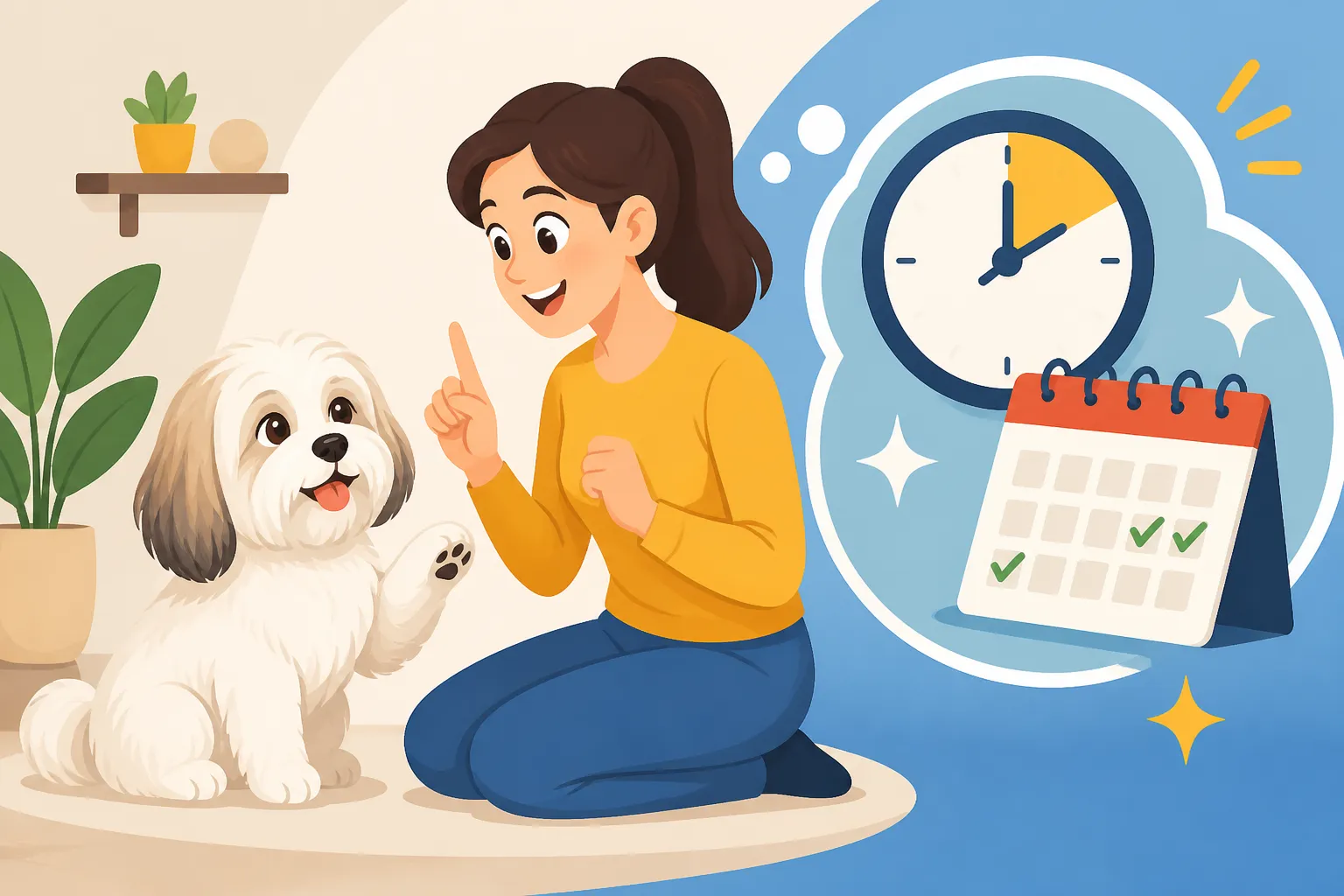
For Havanese puppies, training sessions should be incredibly short – often just 2-5 minutes at a time. Yes, that's right, sometimes barely longer than it takes to read this paragraph! The trick is to do several of these short sessions throughout the day. You might do one before breakfast, another after a potty break, one before dinner, and a final one before bedtime. Each session should focus on just one or two simple commands or concepts, like "sit," "stay" for a second or two, or walking nicely on a leash for a short distance. End each session on a high note, even if it means asking for an easy command they already know, and then lavish them with praise and a final treat. This ensures they associate training with fun and success. It also helps prevent them from getting bored of drilling, which can happen easily with a clever Havanese.
Adult Havanese: Maintaining Engagement
As your Havanese matures, their attention span will naturally lengthen a bit, but it will still be much shorter than many other breeds. For an adult Havanese, sessions of 5-10 minutes are generally ideal. You might be able to stretch to 15 minutes if you're doing something particularly exciting or varied, but anything longer risks diminishing returns.
The key with adults is to keep it fresh. Don't just drill the same old commands in the same spot every time. Change up the location – maybe try a session in the living room, then the kitchen, or even out in the yard (weather permitting, of course – Whether a Havanese Will Walk in Rain is a common concern!). Introduce new elements, work on a fun trick, or practice a command with a novel distraction. If you see signs of their focus waning – yawning, looking away, sniffing the floor, or simply not responding as quickly – it's time to end the session. It's always better to stop while they're still eager for more than to push them until they're mentally checked out.
Reading Your Havanese's Cues for Fatigue
Your Havanese will tell you when they've had enough, but you need to learn their language. They might not just lie down and refuse to move; their signals can be more subtle. Pay close attention to these cues, as pushing them past their mental limit can lead to frustration and make them less enthusiastic about future training.
| Cue | What it Might Mean | Action to Take |
|---|---|---|
| Yawning | Not tired, but bored or stressed; needs a change. | End session, switch to play, or take a break. |
| Licking lips | Mild stress or anxiety; uncomfortable with the task. | Simplify the task, make it easier, or end. |
| Sniffing the floor | Displacement behavior; trying to disengage. | Redirect attention playfully or end the session. |
| Looking away | Disinterest or avoidance; not engaged. | Make the session more exciting or call it quits. |
| Slow responses | Lack of focus, or they're thinking "not worth it." | Re-evaluate reward value or end. |
| Scratching | Could be an itch, or another stress/boredom indicator. | Observe for other cues; if persistent, end. |
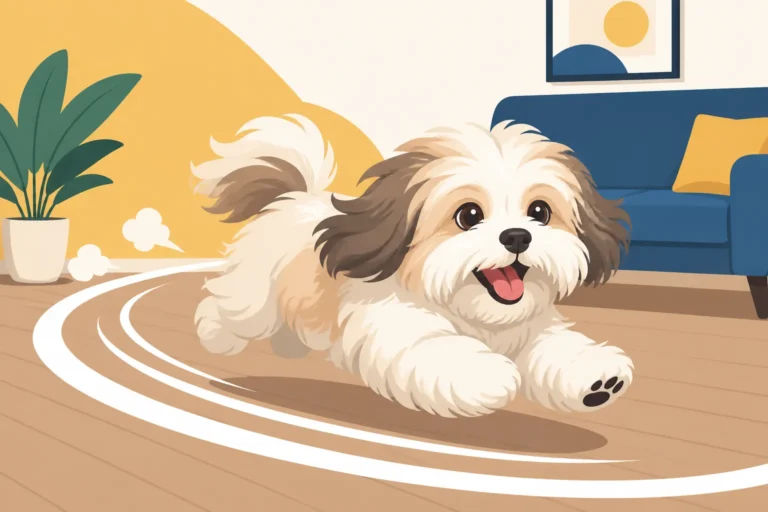
| "Zoomies" | Over-stimulated or needs to burn off energy before focus. | Take a play break, then try again later if calm. |
Learning to spot these cues quickly means you can adapt your training on the fly. Maybe it's not time to stop entirely, but just to make the task easier, increase the reward, or change the scenery. Ultimately, respect their signals, and you'll maintain their love for learning.
Factors Influencing Training Duration and Success
While optimal session lengths are a great guideline, several other elements play a significant role in how long your Havanese will engage and how successful your training efforts will be. It's a dance between your approach, their environment, and their individual quirks.
The Trainer's Skill and Consistency
You, the trainer, are arguably the most important variable in your Havanese's training journey. Your enthusiasm, clarity, and consistency directly impact how long your Havanese will willingly participate. If you're hesitant, unclear with your cues, or inconsistent with your rewards, your Havanese will quickly get confused or bored. Think of it from their perspective: if the rules keep changing or the payoff isn't reliable, why bother?
Being consistent means using the same verbal cues, hand signals, and reward system every single time. It also means showing up to each mini-session with a positive attitude, even if you're tired. Your Havanese picks up on your mood more than you might realize! Consider enrolling in an online program like BAXTER & Bella, which provides structured guidance and helps you build your own training skills, making you a more effective and consistent teacher for your furry friend. The more skilled and consistent you are, the longer your Havanese will stay engaged, because they'll understand what's expected and know that good things happen when they deliver.
The Training Environment: Distraction Management
Imagine trying to learn a new skill in a room full of flashing lights, loud music, and people talking. That's often what training can feel like for a Havanese if the environment isn't managed. Havanese are curious little dogs, and the world offers a constant stream of fascinating distractions. A squeaky toy just out of reach, the sound of a squirrel outside, or even a shadow moving across the floor can instantly derail their focus.
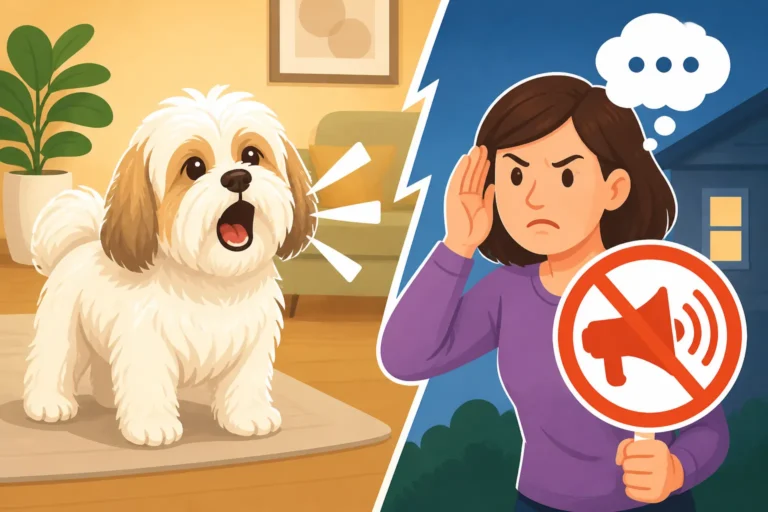
Initially, always start training in a quiet, low-distraction environment. Your living room with the TV off and other pets secured is perfect. As your Havanese becomes more proficient with a command, you can gradually introduce distractions. This process, known as "proofing," helps them generalize their learning. For example, once "sit" is solid in the quiet house, try it in the kitchen with the dishwasher running softly. Then, perhaps in the backyard with some distant neighborhood sounds. Never overwhelm them; always set them up for success. A chaotic environment will shorten their attention span drastically, so building up to distractions slowly is key. This careful approach also helps with challenges like The Barking a Havanese Does at Every Sound, as you can systematically teach them to focus despite noise.
Individual Havanese Personality and Motivation
Just like people, every Havanese has a unique personality. Some are naturally more eager to please, some are more independent, and others are simply more easily distracted. Their individual temperament will absolutely influence how long they're willing to train and what motivates them most. Some Havanese live for a tiny piece of cheese, while others prefer a quick game of tug or enthusiastic belly rubs.
Take the time to understand what truly motivates your specific Havanese. Experiment with different types of treats (soft, chewy, smelly, crunchy), different toys, and various forms of praise. Is your Havanese a food fiend, a toy connoisseur, or a cuddlebug? Once you crack their motivational code, your training sessions will be far more productive and enjoyable for both of you. A highly food-motivated Havanese might tolerate slightly longer sessions if the treats are exceptional, while a toy-driven one might need shorter, more play-based intervals. This is also where understanding What a Havanese Will Work For becomes incredibly useful.
Beyond Basic Commands: Advanced Training and Engagement
Once your Havanese has mastered the basics like sit, stay, and come, you might wonder if their capacity for learning dwindles. Not at all! Havanese are wonderfully adaptable and can excel in a variety of more advanced pursuits, provided the training continues to be engaging and appropriately structured.
Teaching Complex Tricks and Routines
This is where the Havanese truly shines! Their intelligence and innate desire to entertain make them fantastic candidates for learning complex tricks and even entire routines. Think "play dead," "wave," "spin," "bow," or even stringing multiple tricks together. These activities are mentally stimulating and incredibly fun for both you and your dog.
When teaching complex tricks, remember to break them down into the tiniest possible steps. This technique is called "shaping." For example, to teach "spin," you might first reward a head turn, then a step, then a full circle. Each step is a mini-success. Keep these trick-training sessions very short – often just a minute or two – and incorporate them into your regular brief training intervals. The novelty and the challenge of learning something new will keep their attention far better than drilling basic commands for too long. Plus, it gives them a chance to show off, which many Havanese adore! Teaching a Havanese Tricks It Will Perform All Day can provide more inspiration for these fun activities.
Sports and Activities for the Eager Havanese
Don't let their small size fool you; many Havanese thrive in dog sports and activities. Agility, obedience, rally, and even scent work are all great options that provide immense mental and physical stimulation. These activities often require a higher level of focus and sustained engagement, but they are typically structured in a way that accommodates a dog's natural attention span, often with short bursts of intense activity followed by breaks.
For example, an agility course is a sequence of obstacles, but the dog performs it in a short, exhilarating burst. Training for agility, therefore, involves teaching individual obstacles or small sequences for a few minutes at a time. The high energy, fast pace, and constant novelty keep the Havanese engaged. Similarly, rally obedience involves navigating a course of stations, each with a different command, requiring focus but allowing for movement and change. These structured sports leverage the Havanese's intelligence and desire for activity without demanding long, static periods of attention. Whether a Havanese Competes in Agility is a great read if you're considering this path!
Lifelong Learning: Keeping Their Minds Sharp
Training isn't just for puppies or for mastering basic commands. For a Havanese, it should be a lifelong endeavor to keep their intelligent minds sharp and prevent boredom. Just like people, dogs can benefit from continuous learning as they age. This doesn't mean formal, intense training every day, but rather incorporating mental stimulation into their daily routine.
This could involve teaching new tricks periodically, revisiting old commands in new environments, or using puzzle toys. Interactive puzzle toys, widely available on platforms like Amazon, are fantastic for mental enrichment, challenging your Havanese to figure out how to get a treat. Even just 5-10 minutes a day of these types of activities can make a huge difference in their overall well-being and happiness. It prevents boredom, which can lead to unwanted behaviors, and keeps that spark of cleverness alive throughout their lives. Even an older Havanese can benefit from mental games, helping to prevent cognitive decline. Caring for a Havanese Past Twelve offers great insights into keeping senior Havanese engaged.
Common Training Pitfalls and How to Extend Focus
Even with the best intentions, it's easy to fall into common training traps that can inadvertently shorten your Havanese's attention span or make them dread sessions. Recognizing these pitfalls is the first step to avoiding them and building a more resilient, focused learner.
Overwhelm and Frustration: Signs to Watch For
One of the biggest mistakes we make as pet parents is pushing too hard, too fast. We get excited when they "get it" and then we want them to do it perfectly, repeatedly, for longer periods. This can quickly lead to overwhelm for your Havanese. When they feel overwhelmed, they can become frustrated, stressed, or simply shut down. Signs of this can include excessive yawning, lip-licking, turning away, or even a subtle stiffness in their body language. They might also start offering incorrect behaviors out of confusion or anxiety.
If you see these signs, it’s critical to stop immediately. End the session, even if it feels incomplete. Don't try to "force" one more successful repetition. Instead, make the next session shorter, simplify the task, and ensure your rewards are high-value and delivered enthusiastically. Remember, we want them to feel like training is always a win. If you find yourself getting frustrated, take a deep breath. Your Havanese will mirror your emotions, so if you're tense, they will be too. Step away, reset, and try again later with a fresh perspective.
Battling Boredom: The Need for Variety
Repetition is essential for learning, but too much of the same repetition can lead to profound boredom in a clever Havanese. They learn quickly, and once they've mastered a command, doing it twenty times in a row simply isn't stimulating. Boredom looks a lot like distraction: sniffing the floor, gazing out the window, looking at anything but you.
To combat boredom and keep their attention extended, inject variety into your training. Don't just drill "sit" over and over. Once they've done it correctly a few times, move on to "down," then "stay," then a quick "touch" command. Switch between known commands and a tiny step towards a new trick. Change the location of your training. Use different types of treats or intersperse treat rewards with a quick tug game or a tossed toy. Keep them guessing, keep them engaged, and keep it fun. This variety ensures that every training moment feels fresh and exciting, tapping into their natural curiosity and playfulness.
When to Seek Professional Guidance
Sometimes, despite your best efforts, you might encounter a training plateau or a behavioral challenge that feels beyond your scope. This is absolutely normal, and it's a sign of a responsible pet owner to know when to seek help. Don't view seeking professional guidance as a failure; view it as an investment in your Havanese's well-being and your relationship.
A certified professional dog trainer can offer invaluable insights into your Havanese's specific learning style, help you troubleshoot issues, and provide you with new techniques and strategies. They can observe your interactions, identify subtle cues you might be missing, and tailor a training plan that works for both of you. For instance, if you're struggling with Housetraining a Havanese in a Cold Climate or persistent barking, a professional can provide targeted advice. Many trainers offer virtual consultations, making it easier to access expert help from the comfort of your home. Organizations like the Certification Council for Professional Dog Trainers (CCPDT) or the Karen Pryor Academy offer directories of qualified trainers who use positive reinforcement methods.
Practical Tools and Resources for Havanese Training
Successful training isn't just about technique; it's also about having the right tools and resources at your disposal. From basic gear to online communities, these aids can significantly enhance your Havanese's training experience and your effectiveness as a trainer.
Essential Training Gear and Aids
You don't need a lot of fancy equipment to train a Havanese, but a few key items can make a world of difference:
- High-Value Treats: These are non-negotiable! Small, soft, and incredibly tasty treats that your Havanese absolutely loves are crucial for motivation. Think tiny pieces of cooked chicken, cheese, or specialized training treats. Experiment to find what makes their eyes light up.
- Clicker: A clicker is an excellent tool for precision training. It marks the exact moment your Havanese performs the desired behavior, making it much clearer for them to understand what they're being rewarded for. Many clickers are available on Amazon and are inexpensive.
- Treat Pouch: A wearable treat pouch keeps treats readily accessible, so you can reward instantly. Fumbling for treats in your pocket breaks the flow of training.
- Appropriate Collar/Harness and Leash: For walks and leash training, a comfortable harness is often preferred for Havanese, as it reduces pressure on their delicate necks and tracheas. A standard leash (4-6 feet) is also essential. Whether a Havanese Should Wear a Harness is a topic worth exploring to ensure comfort and safety.
- Puzzle Toys: As mentioned earlier, these are great for mental stimulation outside of formal training sessions. They provide an independent way for your Havanese to engage their problem-solving skills and extend their mental workout.
Having these basics on hand streamlines your training and allows you to be consistent and effective, regardless of whether you're working on basic cues or something more complex like The Circus Dog Brain Inside a Havanese.
Online Courses and Community Support
In today's digital age, you have a wealth of training knowledge at your fingertips. Online courses can provide structured, step-by-step guidance that you can follow at your own pace, right from your living room. These are particularly valuable for Havanese owners who might not have access to local classes or prefer the flexibility of home learning.
Programs like BAXTER & Bella offer comprehensive online puppy and dog training courses, often including live support, private coaching, and a wealth of resources covering everything from house-training to advanced manners. These platforms can be a game-changer for consistency and giving you the confidence to tackle various training challenges. Beyond structured courses, online communities, forums, and social media groups dedicated to Havanese can be excellent sources of peer support, tips, and shared experiences. Connecting with other Havanese owners can provide validation for common frustrations and celebrate successes together.
Leveraging Treats and Toys Effectively
The art of using treats and toys effectively is vital for maintaining your Havanese's motivation and extending their focus during training. It's not just what you give them, but how and when.
Firstly, treat value matters. Not all treats are created equal. Save the highest value treats (like cooked meat) for challenging new behaviors or high-distraction environments. For maintenance of known commands in a quiet setting, lower-value kibble might suffice. Secondly, timing is everything. The reward needs to be delivered within 1-3 seconds of the desired behavior for your Havanese to make the connection. If you're too slow, they might think they're being rewarded for something else entirely. Thirdly, vary your rewards. Don't just use food. Mix in verbal praise, enthusiastic petting, or a quick game with a favorite toy. This keeps them guessing and prevents them from becoming solely reliant on one type of reward. Finally, fade the treats over time. Once a behavior is reliably learned, you can gradually reduce the frequency of treats, replacing them with praise or life rewards (like opening the door for a walk after a sit). The goal is for your Havanese to perform the behavior because they enjoy it and to maintain that attention without constant edible motivation.
Disclaimer
This article is for general informational purposes only and does not constitute professional advice. Laws, prices and regulations vary by location and change over time. Consult a qualified professional for guidance on your specific situation.