Signs a Havanese Has Separation Anxiety
It can be incredibly disheartening to come home to a shredded couch cushion or a puddle on the floor when your sweet Havanese is usually so well-behaved. Many Havanese owners wrestle with the feeling of guilt and frustration when their beloved companion displays distressing behaviors only when left alone. This comprehensive guide will help you understand the subtle and overt signals your Havanese might be sending when struggling with separation anxiety, distinguishing it from general mischief, so you can address their distress effectively.
Understanding Havanese Nature and Separation Anxiety
Havanese are, by their very nature, deeply attached to their human families. They are companion dogs through and through, originally bred to be lap warmers and cheerful entertainers. This strong bond, while one of their most endearing qualities, can also make them particularly susceptible to distress when they find themselves separated from their people. It's not just about a preference for company; for many Havanese, it's a profound need for connection that, when unmet, can trigger genuine anxiety.
The 'Velcro Dog' Tendency
If you own a Havanese, you know exactly what a "Velcro dog" is. They're the little shadows that follow you from room to room, even to the bathroom, just to be near you. They love to snuggle on the couch, often touching you, and will choose your lap over a comfy dog bed any day. This isn't a flaw; it's a testament to their deep affection and desire to be an integral part of your life. However, this intense attachment means that any extended period of being alone can feel like a profound loss or abandonment to them. They're not being manipulative; they simply don't understand why their most important social connections have suddenly vanished. This inherent need for constant companionship is a key factor in why The Havanese That Cannot Be Left Alone often develop separation anxiety.
Breed Predisposition
While any dog can develop separation anxiety, certain breeds, including the Havanese, have traits that can make them more prone to it. Their historical role as pampered companions in Cuban aristocratic homes meant they were rarely, if ever, left alone. They were bred to be constantly present, engaging with their families. This genetic inclination for close proximity, combined with their intelligence and sensitivity, can make alone time particularly challenging. It’s not a reflection of your training or your dog’s personality being "bad"; it's deeply ingrained. They perceive being alone as a threat to their safety and well-being, which manifests as anxiety rather than simple boredom. Understanding this predisposition helps us approach the problem with empathy and patience. Many owners find themselves asking How Many Hours a Havanese Can Be Left Alone before problems arise.
Common Vocalization Cues
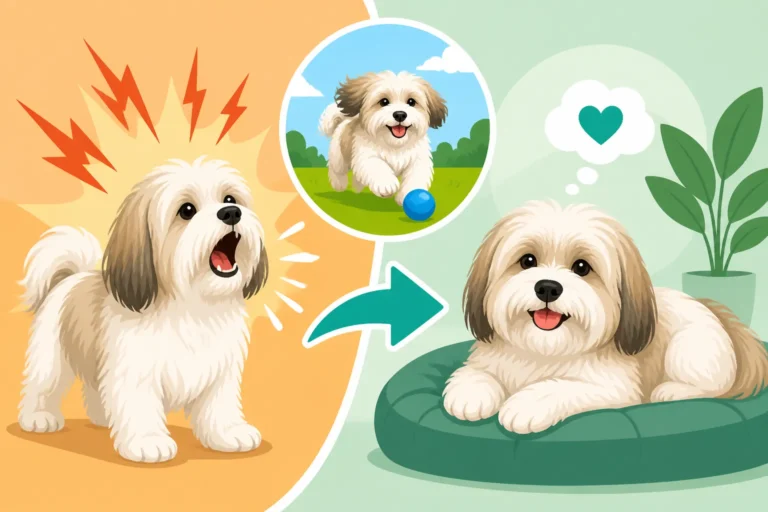
One of the most immediate and often frustrating signs of separation anxiety in a Havanese is excessive vocalization. While all dogs bark, howl, or whine from time to time, dogs with separation anxiety often do so persistently and with a distinctly distressed tone when left alone. This isn't just a "hello" or an alert bark; it's a plea for help, a sign of panic, or an attempt to call their family back.
Excessive Barking and Howling
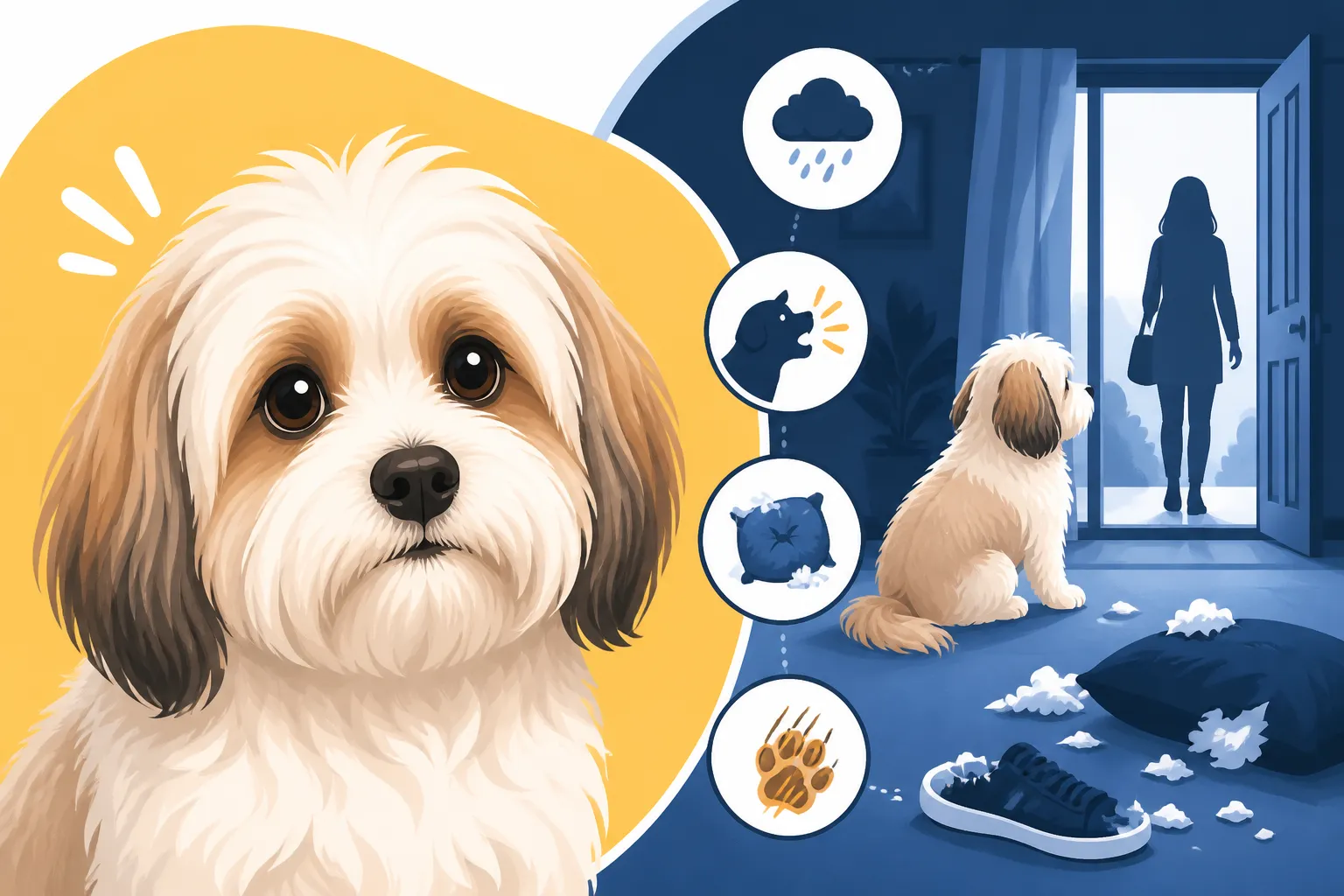
Imagine stepping out the door, and the moment you close it, your Havanese starts barking, not just a few barks, but a continuous stream of frantic, high-pitched barks or mournful howls. This type of vocalization can go on for minutes, or even hours, until you return. It's often accompanied by other signs of distress, but the sheer volume and duration are key indicators. Neighbors might complain, or you might hear them yourself if you use a pet camera (there are many good options available on Amazon to help you monitor your pup). This isn't the alert bark your Havanese might do at the doorbell; it's a desperate cry. This behavior can be a particular challenge for those living in apartments or close quarters, and it's distinct from The Barking a Havanese Does at Every Sound when you are present.
Whining and Crying
Beyond barking and howling, a Havanese suffering from separation anxiety might engage in persistent whining or crying. This often sounds less aggressive than barking and more like a sorrowful, high-pitched lament. It can be subtle at first, a soft whimper that escalates into a full-blown cry. Owners often report that their Havanese start whining the moment they begin their "pre-departure rituals" – picking up keys, putting on a coat, or grabbing a bag. This indicates that the anxiety is triggered even before you leave. It's a clear sign of emotional distress, an audible manifestation of their deep-seated fear of being left alone. Observing these cues, especially with the help of a hidden camera, can provide invaluable insight into their internal state.
Destructive Behaviors to Watch For
Separation anxiety doesn't always manifest as noise. Sometimes, your Havanese will channel their distress into destructive behaviors around the home. This isn't about being "bad" or retaliating; it's a coping mechanism, a way to release pent-up anxiety, or an attempt to escape their perceived predicament. It's a clear signal that they are experiencing immense stress.
Chewing and Gnawing
If you come home to find shoes destroyed, furniture legs chewed, or doorframes gnawed, and this only happens when your Havanese is left alone, it's a strong indicator of separation anxiety. The chewing provides a release for their anxiety, similar to how a person might bite their nails or fidget. For a Havanese, who can be quite intelligent with The Circus Dog Brain Inside a Havanese, this behavior isn't about naughtiness but about trying to alleviate their own discomfort. They might target items that smell strongly of their human, like clothing, or objects associated with exits, like doorframes. The intensity of the destruction often correlates with the level of their anxiety. This is distinct from a puppy exploring its world through its mouth; it's often more frantic and directed. For further insight, you might look into Whether an Anxious Havanese Chews.
Scratching at Exits
Another common destructive behavior is scratching at doors, windows, or gates. This isn't just a polite request to be let out; it's an desperate attempt to reunite with you. You might notice claw marks on the door leading to the garage, the front door, or around windows. Sometimes, the scratching can be so intense that it damages the paint, wood, or even carpet near the exit points. This behavior is driven by a powerful instinct to escape the confinement and search for their missing human. It clearly demonstrates that your Havanese is actively trying to get out to find you, rather than just occupying themselves while you're gone.
Digging and Escaping Attempts
In more severe cases, a Havanese might escalate their attempts to escape by digging at carpets, crate liners, or even through drywall. This is a very clear sign of intense panic and a desperate bid for freedom. They might try to chew or dig their way out of a crate that they are otherwise comfortable in when you are home. If you crate train your Havanese, Whether Crate Training Suits a Havanese is an important consideration, as a crate should be a safe haven, not a place of intensified anxiety. These behaviors are not malicious; they are frantic, instinctual responses to overwhelming fear. You might find bedding torn to shreds inside their crate, or see significant damage to the barriers you’ve put in place to keep them safe.
Elimination Issues When Alone
One of the most frustrating and often misunderstood signs of separation anxiety is house soiling. Many owners assume their dog is simply being spiteful or hasn't learned their potty manners properly. However, for a Havanese with separation anxiety, urinating or defecating indoors when left alone is rarely about spite or lack of training; it's an involuntary physical manifestation of extreme stress and fear.
Urination and Defecation Indoors
If your Havanese is perfectly house-trained when you are home, goes outside regularly, and has no known medical issues, yet consistently eliminates indoors only when left alone, separation anxiety is a very likely culprit. These accidents often occur shortly after you've left, and your dog might even do it in a prominent spot, not hidden away, as a truly sneaky dog might. This is because, under extreme stress, dogs can lose bladder and bowel control, much like a human might in a moment of intense fear. It's a physiological response, not a deliberate act. The sheer panic overrides their training and their usual habits. You might notice that the feces or urine are loose, indicating the digestive upset that often accompanies anxiety. This is a very different scenario from a young puppy who simply hasn't quite mastered The Weeks a Havanese Puppy Takes to Be Clean.
Distinguishing from Potty Training Lapses
It's crucial to differentiate anxiety-induced accidents from genuine potty training issues or medical problems. If your Havanese has accidents when you are home, even when given regular opportunities to go outside, then it's more likely a training gap or a health concern. If the accidents are infrequent and seem random, a vet check is always a good idea to rule out urinary tract infections or other physical ailments. However, if the pattern is strictly tied to your absence, and your dog otherwise has excellent potty habits, then separation anxiety should be heavily suspected. Pay attention to when the accidents happen; if they happen within minutes of your departure, it's a stronger indicator of anxiety rather than just holding it too long.
Physiological and Behavioral Changes
Beyond the more overt signs like vocalization and destruction, a Havanese experiencing separation anxiety will often display more subtle physiological and behavioral changes that point to their internal struggle. These signs, while less noticeable to a casual observer, are critical for owners to identify as they reflect the dog's inner turmoil.
Pacing and Restlessness
When a Havanese is feeling anxious, they might become restless and start pacing incessantly. This isn't just a leisurely stroll around the house; it's often a frantic, repetitive movement, sometimes in a small area near the door or window. They might walk in circles, back and forth, or wander aimlessly with no apparent goal. This continuous movement is an attempt to burn off the anxious energy building up inside them. If you observe your Havanese on a pet camera after you leave, you might see them unable to settle, constantly moving, perhaps with their tail low or tucked. They might repeatedly go to the door, sniff, then pace away, only to return minutes later, unable to relax or find comfort.
Excessive Drooling and Panting
Just like humans sweat when nervous, dogs can pant and drool excessively when experiencing anxiety. If you return home to find puddles of drool on the floor, on their bedding, or on themselves, and your home isn't unusually warm, it's a strong indicator of stress. Similarly, excessive panting, often rapid and shallow, even when the dog hasn't exerted itself, is a common physiological response to anxiety. Their body is in a heightened state of alert, and these are physical manifestations of that internal stress. This is particularly noticeable in breeds like the Havanese, who typically aren't heavy droolers or panting dogs under normal circumstances.
Loss of Appetite or Water Intake
While less common, some Havanese with severe separation anxiety might show a marked disinterest in food or water when left alone, even if their bowl is full of their favorite kibble or a tempting treat. You might find that the Kong toy you carefully prepared with peanut butter is untouched upon your return, or their water bowl seems as full as when you left. This happens because their anxiety levels are so high that their "fight or flight" response kicks in, overriding basic physiological needs like hunger and thirst. Once you return, they might immediately go to eat or drink. This selective refusal to eat or drink only in your absence is a clear sign that their emotional state is deeply affecting their physical well-being. Using comfort items or puzzle toys can sometimes help, and brands like BAXTER & Bella often discuss strategies to engage dogs during alone time.
A Summary of Key Signs
To help you quickly identify potential separation anxiety in your Havanese, here's a table summarizing the main indicators:
| Category | Common Signs | What It Looks Like When You're Gone |
|---|---|---|
| Vocalization | Persistent barking, howling, whining, crying | Neighbors complain, pet camera shows continuous noise, dog exhausted/hoarse upon return. |
| Destructive Behavior | Chewing, gnawing, scratching, digging | Damaged doorframes, furniture, personal items; claw marks on doors/windows; shredded crate bedding. |
| Elimination Issues | Urinating/defecating indoors | Puddles or feces on floors, distinct from typical potty schedule, happens soon after departure. |
| Physiological | Pacing, restlessness, drooling, panting, appetite loss | Pet camera shows frantic movement; wet spots from drool; untouched food/water; dog seems agitated. |
| Pre-Departure Cues | Anxiety as owner prepares to leave | Havanese begins to whine, pace, cling, or even hide when owner picks up keys or puts on coat. |
| Greeting Behavior | Overly excited or frantic greetings | Extremely exuberant, prolonged greeting, sometimes coupled with submissive urination upon owner's return. |
Considering Management and Training for Alone Time
Once you've identified the signs of separation anxiety in your Havanese, the next crucial step is to begin implementing strategies to help them cope. This isn't a quick fix; it requires patience, consistency, and often a multi-faceted approach. The goal is to gradually desensitize your Havanese to your departures and to change their emotional response from panic to calm acceptance.
Creating a Safe and Positive Environment
Making the space where your Havanese stays while you're gone feel safe and positive is fundamental. This might involve a comfortable crate if your dog is truly crate-trained and views it as a den, or a designated "safe room" free of hazards. Ensure they have access to their favorite bed, familiar toys, and plenty of fresh water. Consider leaving on a radio or TV tuned to a calm station to provide some background noise, as Whether Leaving the Radio On Helps a Havanese is a common question with positive results for many. Some owners find that a pheromone diffuser can also help create a more soothing atmosphere. The idea is to associate alone time with positive, rather than fearful, experiences.
Desensitization and Counter-Conditioning
The core of addressing separation anxiety lies in gradually getting your Havanese used to being alone, starting with very short durations and slowly increasing the time. This involves practicing "mock departures" where you go through your departure routine (keys, coat, etc.) but don't actually leave, or leave for only a minute and return. The trick is to return before your dog becomes anxious. Pair these departures with high-value treats or engaging puzzle toys that your Havanese only gets when you leave. This counter-conditions their emotional response from fear to anticipation of a reward.
A comprehensive online training program, such as those offered by BAXTER & Bella, can be invaluable here. They often provide step-by-step guidance on how to implement desensitization and counter-conditioning protocols, helping you break down the process into manageable chunks. The key is to never make a big fuss when you leave or return; keep it calm and low-key to avoid reinforcing their anxiety about your departure or over-excitement about your return. Consistency is absolutely vital for success.
Addressing Barking and Chewing Habits
While barking and chewing are symptoms of anxiety, addressing these specific behaviors can also be part of the solution. For barking, a "quiet cue" can be taught when you are present, which can then be reinforced when you leave. This is detailed in guides like Teaching a Havanese a Quiet Cue. For chewing, providing appropriate, safe chew toys that are highly engaging can redirect their destructive tendencies. Kongs stuffed with frozen treats, durable chew toys, or even interactive puzzle toys (many available on Amazon) can occupy them for a period, helping them channel their anxiety into an acceptable outlet. Ensure these items are only given when you leave, to make them extra special and associated with your departure.
When to Seek Professional Help
Recognizing that separation anxiety is a serious issue that often requires professional intervention is an important step. While at-home strategies are crucial, severe cases often benefit from the guidance of experts who can tailor a plan specifically for your Havanese. It's about getting your furry family member the best possible support.
Recognizing Severe Symptoms
There's a spectrum of separation anxiety, from mild clinginess to extreme panic. If your Havanese exhibits several of the severe symptoms mentioned – prolonged frantic barking/howling, self-injury from trying to escape (broken nails, bloody paws, raw gums), constant urination/defecation when left alone, or complete inability to settle even for short periods – then it’s likely beyond what you can effectively manage on your own. If your Havanese seems to panic the moment you even think about leaving, showing extreme pre-departure anxiety, these are all indicators that professional help is warranted. Your dog's quality of life is being severely impacted, and they are genuinely suffering.
Consulting a Veterinarian or Certified Trainer
The first stop should always be your veterinarian. They can rule out any underlying medical conditions that might be contributing to or mimicking anxiety. Sometimes, seemingly anxious behaviors can be related to pain, hormonal imbalances, or other health issues. Your vet can also discuss potential pharmaceutical interventions. In more severe cases, anti-anxiety medication, in conjunction with behavior modification, can significantly help lower your Havanese's baseline anxiety, making them more receptive to training.
Beyond medical checks, seeking a certified professional dog trainer or a veterinary behaviorist is highly recommended. These professionals specialize in canine behavior and can offer personalized strategies. They can observe your Havanese's specific behaviors, identify triggers, and design a tailored training plan. A good behaviorist will work with you on desensitization and counter-conditioning protocols, and might suggest tools like specific calming aids or training techniques. When considering if Whether a Havanese Needs a Professional Trainer is right for your situation, remember that an expert can provide objective assessment and proven methods that solo efforts often miss, especially with a sensitive and smart breed like the Havanese. They might also help you evaluate if Whether a Second Dog Settles a Havanese is a viable option, though this is rarely a standalone solution.
Disclaimer
This article is for general informational purposes only and does not constitute professional advice. Laws, prices and regulations vary by location and change over time. Consult a qualified professional for guidance on your specific situation.