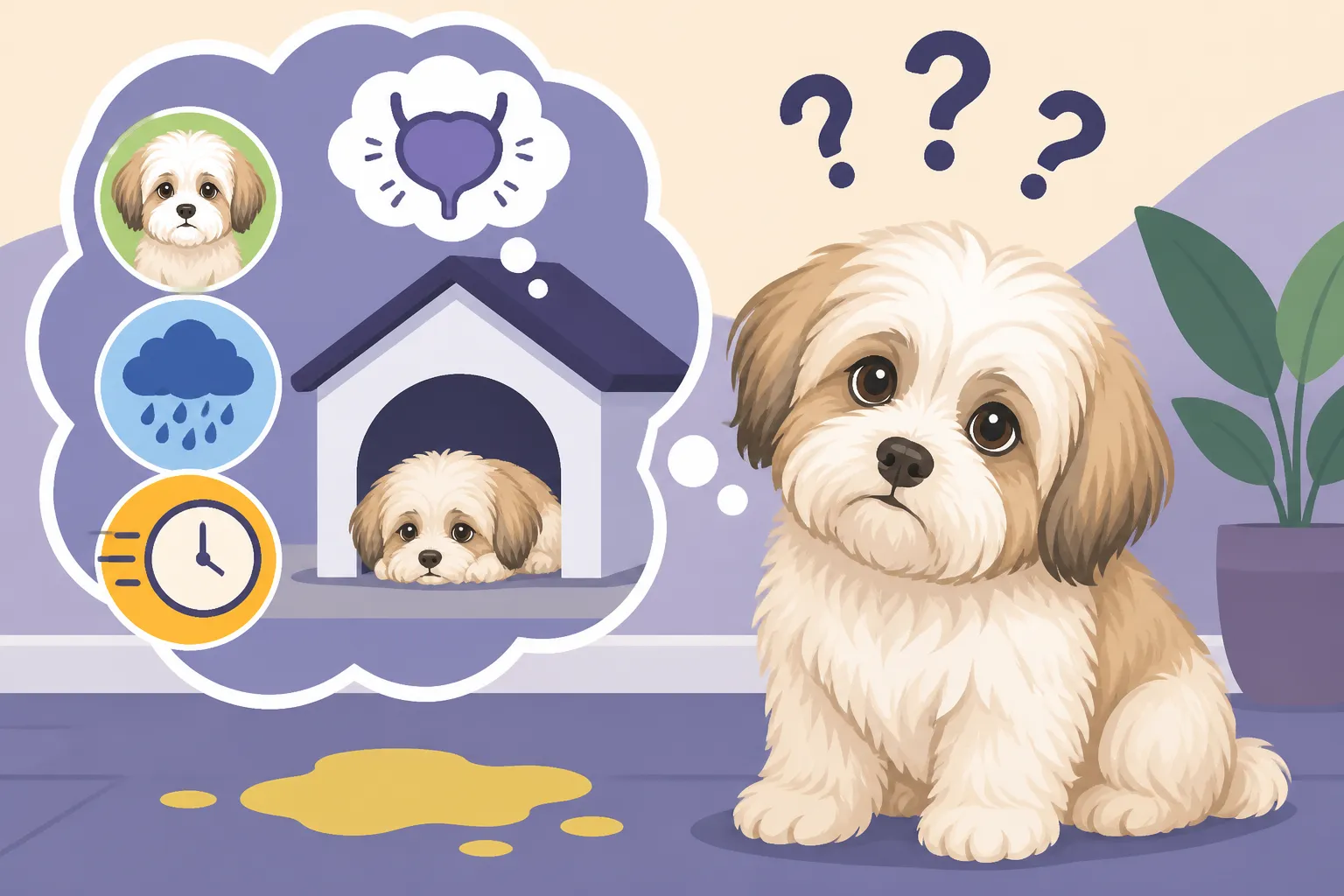
Why a Havanese Is Slow to House Train
Oh, the joy of bringing a fluffy Havanese puppy home, only to discover that the road to a fully house-trained companion feels less like a charming stroll and more like an endless marathon with a mop in hand! If you're feeling frustrated by accidents indoors, wondering why your sweet, smart little Havanese seems to be taking forever to grasp the concept of "potty outside," you are absolutely not alone. Many Havanese owners wrestle with this particular challenge, and it's not a reflection of your puppy's intelligence or your abilities as an owner. This guide is here to shed light on the unique reasons why Havanese can be slow to house train and provide practical strategies to finally get your little one reliably doing their business outdoors.
Understanding the Havanese Bladder and Brain
It's easy to look at those big, soulful eyes and assume your Havanese understands everything you're asking, especially when they've mastered a "sit" or "stay" in record time. But when it comes to house training, there are some biological and behavioral factors specific to the breed that can make it a slower process than you might expect.
Tiny Bladders, Big Challenges
One of the most fundamental reasons your Havanese puppy might struggle with house training is simply their size. Havanese are toy breed dogs, typically weighing between 7 to 13 pounds. This adorable petite stature comes with a proportionally tiny bladder. Imagine trying to hold it for hours if your bladder was the size of a thimble! A young Havanese puppy, especially under six months old, simply cannot physically hold their urine for very long.
This means that even if you take them out diligently, the window between needing to go and having an accident can be incredibly short. They might have just been outside, come back in, played for five minutes, and suddenly, there's a puddle. It's not defiance; it's a physical limitation. Expecting them to hold it for more than an hour or two at a very young age is often unrealistic. As they mature, their bladder capacity will increase, but those initial months require extreme vigilance and frequent trips outside.
The "Circus Dog" Intelligence and What It Means for Potty Training
Havanese are often lauded for their intelligence and eagerness to please, earning them the nickname "circus dogs" for their ability to learn and perform tricks. This trait can be a double-edged sword when it comes to house training. On one hand, their intelligence means they can learn quickly. On the other hand, if they learn that going indoors sometimes gets them attention (even negative attention), or that they can "get away with it" when unsupervised, they might continue the behavior. They are also incredibly sensitive to their owner's mood. If you get visibly upset or angry after an accident, a Havanese might associate your reaction not with the act of peeing indoors, but with your presence or even with going potty at all, which can lead to them hiding to relieve themselves.
Their desire to be close to their human companions is legendary – many Havanese will follow you into every room. While this makes them wonderful companions, it can sometimes complicate house training if they aren't given adequate opportunities to be alone in a designated "potty" space, or if they get confused about where the appropriate elimination zone truly is. They thrive on routine and consistency, and if there are mixed signals or too much leeway, their clever brains might interpret the rules differently than you intend. The Circus Dog Brain Inside a Havanese certainly makes them quick learners, but we need to ensure they're learning the right lessons for house training.
Common Pitfalls and Owner Mistakes
It’s easy to inadvertently create hurdles for your Havanese when house training, even with the best intentions. Often, what we perceive as stubbornness might actually be a breakdown in communication or an inconsistent approach on our part.
Inconsistent Routines and Missed Cues
One of the biggest obstacles to successful house training is inconsistency. Life gets busy, and it's easy to slip up on taking your Havanese out at precisely scheduled times, especially if they seem to be doing well. However, Havanese thrive on predictability. If their potty schedule varies wildly from day to day – sometimes every hour, sometimes every three hours – it becomes much harder for them to internalize the routine and understand when and where they are expected to relieve themselves.
Similarly, we often miss subtle cues our Havanese are giving us. Before a full-blown accident, a puppy might start sniffing the floor more intently, circling, whining softly, or moving towards a less conspicuous spot. Because Havanese are small, these signs can be incredibly subtle and easy to overlook if you're not constantly observing them. If you miss these signals, your Havanese has no opportunity to communicate their need, leading to an accident and reinforcing the idea that indoors is an acceptable place to go. Being proactive means paying close attention and not waiting for an obvious squat.
The Trouble with Punishment and Negative Reinforcement
It's a natural, human reaction to get frustrated when your dog has an accident, especially if it happens moments after you were just outside. However, punishing your Havanese for an indoor accident is almost always counterproductive and can severely hinder house training progress. Yelling, scolding, or rubbing their nose in it (an outdated and harmful practice) teaches your dog nothing about where they should go. Instead, it teaches them to fear you, to associate elimination with punishment, and often, to hide their accidents.
A Havanese, being a sensitive and intelligent breed, will quickly learn to avoid going potty in front of you. This means they might sneak off to a hidden corner of the house, behind a couch, or under a bed to relieve themselves. They're not doing it out of spite; they're doing it to avoid your negative reaction. This makes it incredibly difficult to catch them in the act and redirect them to the appropriate spot, delaying their understanding of proper house training. Instead of punishment, focus on preventing accidents and lavishly rewarding successes.
Over-Reliance on Puppy Pads
For many Havanese owners, especially those living in apartments or facing challenging weather, puppy pads seem like a convenient solution. And while they can be useful in certain circumstances, an over-reliance on them can significantly prolong the house training process. The fundamental goal of house training is to teach your Havanese that they only relieve themselves outside. Puppy pads teach them that it's okay to go potty inside, as long as it's on a designated surface. This creates confusion.
Why would your Havanese choose to go out into the cold rain or snow when they've been taught that a perfectly good "bathroom" exists inside, just a few feet away? Whether Indoor Pads Suit a Havanese is a common question, and while they can offer a temporary bridge, they often delay the ultimate goal. If you're using pads, you're essentially house training your dog twice: first to the pad, then to go completely outside. This can be especially challenging for a breed that already takes a bit longer to grasp the concept of outdoor-only elimination. The scent of previous eliminations on pads can also act as an attractant, making it even harder to transition them away from indoor potty spots.
Environmental Factors and House Training Hurdles
Sometimes, the challenges of house training your Havanese have less to do with their inherent nature and more to do with the world around them – and how they perceive it. Our environment, from the weather to our home's flooring, can play a surprisingly significant role.
Weather Woes: Rain, Cold, and Snow Aversion
Let's face it, Havanese were bred for the warm, balmy climate of Cuba. They're not exactly built for trudging through snowdrifts or enduring a downpour. Many Havanese develop a strong aversion to inclement weather, which can make house training an uphill battle. You bundle them up, put on their tiny boots, open the door, and they just… freeze. Or they might do a quick sprint, pretend to do something, and then bolt back inside, only to have an accident on your rug five minutes later.
Housetraining a Havanese in a Cold Climate or a rainy one means you're fighting against their comfort instincts. Their fine, silky coats aren't dense enough to provide much warmth in freezing temperatures, and getting drenched in the rain is simply unpleasant. This aversion can lead them to hold it for as long as possible while outside, only to relieve themselves the moment they feel safe and warm indoors. It's a genuine struggle for them, and it requires extra patience and sometimes creative solutions, like sheltered potty areas or protective gear. Whether a Havanese Refuses to Go Out in Rain is a common lament among owners.
Slippery Floors and Accessibility Issues
Take a moment to look at your home from your Havanese's perspective. Many modern homes feature hardwood, tile, or laminate flooring, which can be incredibly slippery for a small dog, especially a puppy still developing its coordination. Imagine needing to go potty urgently, but every time you try to brace yourself, your paws slide out from under you. This can make a Havanese hesitant to move quickly or comfortably on certain surfaces, or even develop an aversion to certain areas of the house if they associate them with uncomfortable footing.
Furthermore, accessibility can be an issue. If your Havanese needs to navigate stairs to get outside, or if the back door is heavy and hard for them to signal at, these physical barriers can add to the challenge. While a full-grown Havanese might manage, a small puppy can feel overwhelmed or intimidated. Sometimes, simply having easy, non-slip access to a consistent outdoor potty spot can make a world of difference. Consider runners or non-slip mats, especially in the pathways leading to the door, to help your little one feel more secure. Whether a Havanese Slips on Hard Floors is a genuine concern for their joint health and confidence.
Distractions and Overwhelm Outdoors
When you take your Havanese outside to potty, you might think it's a straightforward mission. But for a curious, intelligent breed like the Havanese, the outdoors is a sensory wonderland! Every rustling leaf, every distant bark, every new scent is a fascinating distraction. They might spend their entire outdoor time exploring, sniffing, or watching a squirrel, completely forgetting the primary reason they are out there. This is particularly true for puppies who are still learning about the world.
If your Havanese is constantly stimulated by their environment, they might not focus long enough to empty their bladder or bowels completely. They do a tiny pee, get distracted, come inside, and then realize five minutes later they still need to go. Finding a quiet, low-distraction potty spot, especially during the initial stages of training, can be incredibly helpful. Keeping them on a short leash and limiting their roaming until they've done their business can help them focus on the task at hand. The goal is to make the outdoor potty experience as calm and boring as possible, until they go, and then you can reward them with a bit of playtime.
Strategies for Successful Havanese House Training
Now that we've explored some of the common reasons why Havanese can be slow to house train, let's talk about the actionable strategies that can turn the tide and lead to a reliably house-trained companion. Consistency, patience, and positive reinforcement are your greatest allies.
Establishing a Rock-Solid Schedule
The cornerstone of successful house training for any dog, especially a small breed like the Havanese, is a strict, predictable schedule. This means taking your Havanese out frequently and at consistent times, even if you don't think they need to go. Think of it as pre-emptive potty breaks. The general rule of thumb for puppies is their age in months plus one, equals the maximum hours they can hold it during the day. So, a four-month-old Havanese might manage five hours, but you should still aim for much more frequent outings to prevent accidents.
Here's a sample schedule you could try to adapt:
- Immediately upon waking up in the morning
- After every meal and drink
- After naps
- After playtime or any exciting activity
- Before bedtime
- Every 1-2 hours in between these scheduled times (for young puppies)
Always take them to the same designated potty spot outside. This helps them associate that specific area with elimination. Stay out there until they go, then lavish them with praise and a high-value treat. How Long a Havanese Puppy Holds It Overnight is often longer than during the day, but a late-night potty break right before you go to bed is crucial. Using a dedicated house training app can help you track their schedule and accident patterns, giving you valuable data to fine-tune your approach.
Positive Reinforcement: Making Potty Time a Party
As we discussed, Havanese are eager to please and respond beautifully to positive reinforcement. This means making their successful outdoor potty trips the most rewarding thing they do all day! When your Havanese goes potty outside, immediately, enthusiastically, and sincerely praise them. "Good potty! Yes!" Then, quickly offer a truly high-value treat – something they absolutely adore that they don't get at any other time. This creates a strong positive association: going potty outside equals awesome rewards and happy human!
The timing of the reward is crucial. It needs to happen within seconds of them finishing their business, so they clearly link the treat with the act of eliminating in the correct spot. Avoid luring them with a treat to get them outside; save the reward for after they've done their job. You can also offer a short burst of playtime or a favorite toy as part of the reward. The more positive and exciting you make outdoor potty breaks, the more motivated your Havanese will be to go outside. This method is far more effective than any form of punishment, which only teaches fear and avoidance.
Smart Crate Training and Supervision
Crate training is one of the most effective tools for house training a Havanese, leveraging their natural instinct not to soil their sleeping area. When introduced properly, a crate becomes their safe, den-like space where they are unlikely to have accidents. The key is to choose the right size: big enough for them to stand up, turn around, and lie down comfortably, but not so big that they can relieve themselves in one corner and sleep in another. Many crates available on Amazon come with dividers to adjust the size as your puppy grows.
The crate is for short periods when you can't actively supervise your Havanese. When they are out of the crate, they should be either on a leash with you, in a secure playpen, or under your direct, hawk-like supervision. This prevents them from wandering off and having an accident unnoticed. If you can't watch them, they go in the crate (after a successful potty break, of course!).
This combination of strict supervision and crate training dramatically reduces the opportunities for indoor accidents, giving you more chances to reward successful outdoor eliminations. Whether a Havanese Should Be Crate Trained for Toileting is a resounding yes for many owners, provided it's a positive experience. BAXTER & Bella, an online puppy training program, often emphasizes positive crate training techniques as a core component of successful house training.
When to Seek Professional Help and Why
Despite all your best efforts, sometimes house training challenges persist. It’s important to recognize when the issue might be more than just a behavioral hiccup and when it's time to bring in the experts.
Identifying Underlying Medical Issues
Before you label your Havanese "stubborn" or "difficult," it's crucial to rule out any underlying medical conditions. Persistent accidents, especially if they are sudden or accompanied by other symptoms, could indicate a health problem. Urinary tract infections (UTIs) are particularly common in dogs and can cause increased frequency of urination, straining, or accidents. Other potential issues could include bladder stones, kidney problems, diabetes, or even a congenital defect like an ectopic ureter (though this usually manifests much earlier).
If your Havanese is having frequent accidents despite a consistent schedule and your best efforts, or if you notice any changes in their urination habits (e.g., excessive drinking, straining, bloody urine, strong odor), a trip to the veterinarian is non-negotiable. They can perform a thorough examination, including urinalysis and blood tests, to diagnose or rule out any medical causes for the house training struggles. It's always best to address health concerns first, as no amount of training will fix a medical problem. Whether a Havanese Gets Bladder Stones or other urinary issues, while not exclusive to the breed, can certainly complicate house training.
The Role of a Professional Trainer or Behaviorist
If medical issues have been ruled out and you're still hitting a wall, consider consulting a certified professional dog trainer or a veterinary behaviorist. These experts have extensive experience with house training challenges and can offer a fresh perspective and tailored strategies. They can observe your Havanese's behavior in your home environment, identify subtle cues you might be missing, and help you pinpoint exactly where the breakdown in communication is occurring.
A professional might introduce new techniques, refine your timing for rewards, or help you manage environmental factors. They can also address any anxiety or fear your Havanese might have around outdoor potty breaks, which can sometimes be a contributing factor. For example, some trainers might use positive reinforcement methods to help Whether a Havanese Hates Getting Its Feet Wet by slowly desensitizing them to wet grass or snow. Services like BAXTER & Bella offer virtual coaching which can be a fantastic resource for remote support and personalized advice, guiding you through the steps to overcome specific training hurdles with your Havanese. Investing in professional guidance can often save you months of frustration and strengthen the bond with your Havanese.
Dealing with Regression and Stubborn Habits
It's disheartening when your Havanese seems to be doing great with house training, only to suddenly start having accidents again. This "regression" is common and can be triggered by various factors: a change in routine, a new stressor (like moving or a new pet), a forgotten medical issue, or even a period where you let your guard down on supervision. It's easy to get frustrated and feel like you're back at square one, but it’s crucial to remain patient and simply go back to basics.
This means re-establishing the strict potty schedule, increasing supervision, and being meticulous with positive reinforcement. If your Havanese has developed stubborn habits, like always going in the same spot indoors, a professional can help you implement strategies like enzymatic cleaners (to completely remove the odor that attracts them back) and making that spot less appealing (e.g., putting their food bowl there temporarily). Remember, your Havanese isn't doing this to spite you; they're either confused, unwell, or simply haven't fully generalized the house training concept yet. Consistency over time will eventually lead to success. The Weeks a Havanese Puppy Takes to Be Clean can vary wildly, so patience is truly key.
Havanese House Training Checklist
To help you stay on track and identify potential areas for improvement, here’s a quick checklist summarizing key house training elements:
| Aspect | Strategy for Success | Common Pitfalls to Avoid |
|---|---|---|
| Potty Schedule | Strict, frequent, consistent outings (every 1-2 hours for puppies, after waking, eating, playing) | Inconsistent timings, waiting too long between breaks, missing cues |
| Supervision | Leash tethering, crate training, close monitoring when loose | Allowing unsupervised free-roam, not reacting quickly to pre-potty signals |
| Reinforcement | Immediate, enthusiastic praise & high-value treats outside after successful elimination | Punishment for accidents, no reward for outdoor success, delayed rewards |
| Crate Usage | Correct size, positive association, used for short periods when unsupervised | Too large a crate, using crate as punishment, too long in crate |
| Potty Spot | Designated, consistent outdoor area, easily accessible | Inconsistent locations, difficult access (e.g., stairs, heavy door) |
| Accident Management | Clean thoroughly with enzymatic cleaner, prevent access to previous accident spots | Yelling or scolding, missing cleaning residue, not preventing re-offence |
| Environmental Factors | Provide shelter from weather, non-slip paths, minimize outdoor distractions | Forcing exposure to disliked weather, slippery floors, over-stimulating areas |
| Patience & Consistency | Maintain a positive attitude, understand breed specifics, seek professional help if needed | Giving up too soon, inconsistent approach, getting overtly frustrated |
This table serves as a handy reference to ensure you're covering all your bases. House training a Havanese can feel like a test of endurance, but with the right strategies, understanding, and a whole lot of love, you'll get there.
Disclaimer
This article is for general informational purposes only and does not constitute professional advice. Laws, prices and regulations vary by location and change over time. Consult a qualified professional for guidance on your specific situation.