Whether a Havanese Barks at Delivery Drivers
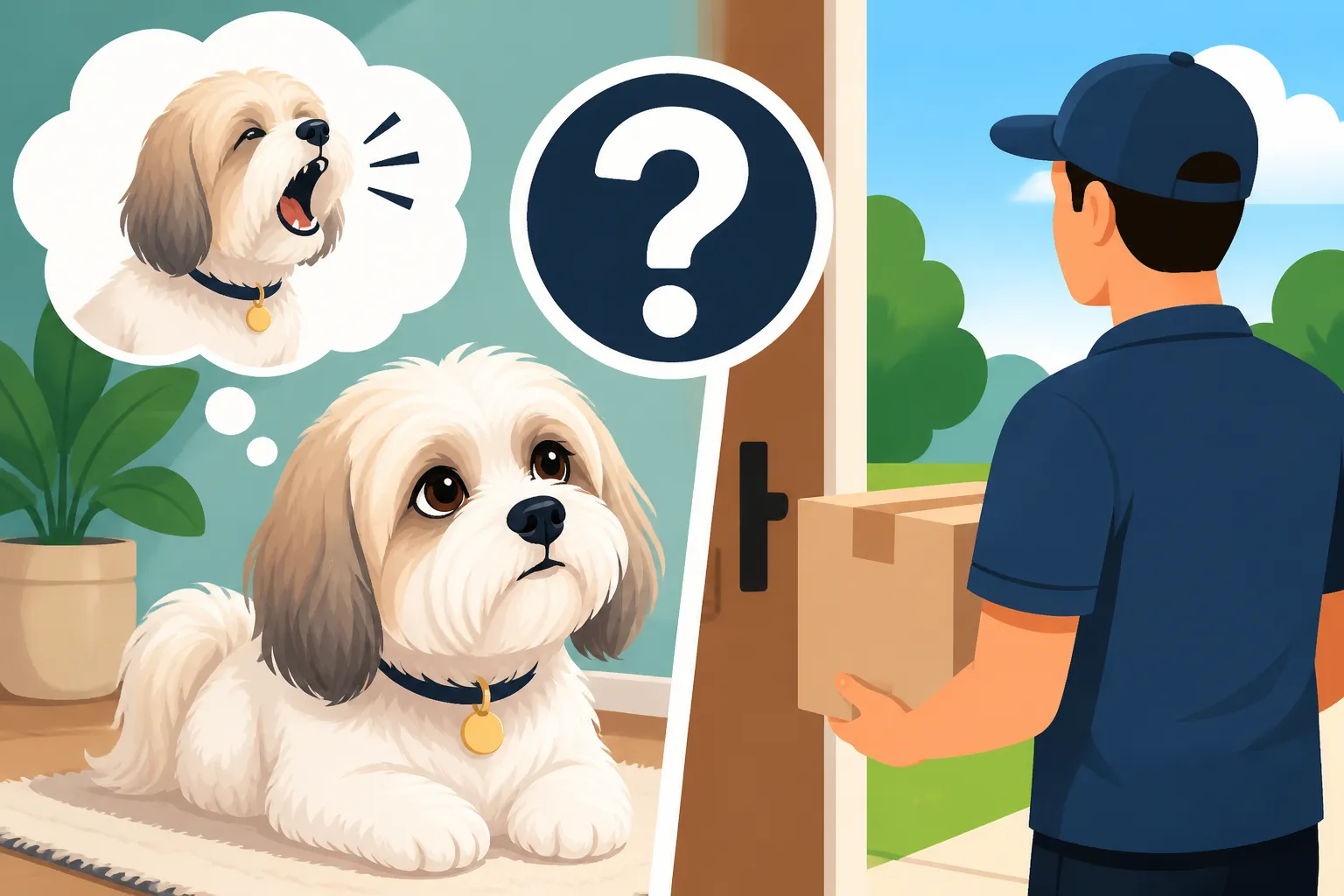
It's a familiar scene for many Havanese parents: the doorbell rings, the delivery truck rumbles up the driveway, or the mail carrier simply approaches the porch, and suddenly, your sweet, fluffy companion transforms into a miniature, barking alarm system. This guide is dedicated to understanding why your Havanese barks so intensely at delivery drivers and other visitors who approach your home, and, more importantly, how you can help them achieve a more serene, less frantic response.
Why Your Havanese Sees the Delivery Driver as a Threat
For such a charming, affectionate little dog, a Havanese can certainly pack a punch with their vocal cords when an outsider dares to approach their perceived territory. It's not usually about aggression, but rather a potent mix of instinct, surprise, and a strong desire to protect their loved ones and their home.
The Territorial Instinct of a Small Dog
Havanese, despite their small stature, carry the proud lineage of being watchdogs for Cuban aristocracy. They were bred to be alert companions, always ready to announce an arrival. This inherent alertness, coupled with their size, often leads them to compensate by being vocally assertive. Think about it: a small dog might feel more vulnerable, and therefore, more compelled to "puff themselves up" with a loud bark to ward off perceived threats. They're not trying to be a nuisance; they're genuinely doing what they believe is their job – protecting their pack. They might bark at a delivery driver because, in their world, this person is an unknown entity stepping onto their property, near their family, and this triggers a deeply ingrained protective response. It's their way of saying, "Hey, I see you! Don't come any closer without permission!"
This territorial nature can be quite strong, even in a dog that's otherwise perfectly sociable with new people once they're inside the house. The threshold of your home, and even the immediate surrounding yard, is often seen by your Havanese as an extension of their den. Any encroachment by an unfamiliar person, like a delivery driver, is viewed with suspicion. This isn't just a quirk; it's a hardwired instinct that needs patient understanding and redirection, not punishment. Your Havanese truly believes they are keeping you safe, even if their methods are a little… loud.
The Startle Factor: Unexpected Sounds and Sights
Imagine you're quietly enjoying your afternoon, and suddenly a loud bang or a piercing ring erupts without warning. You'd probably jump, right? Your Havanese experiences something similar, but often with heightened senses. The sudden ding-dong of a doorbell, the loud thud of a package on the porch, or the distinct crunch of gravel as a heavy truck pulls into the driveway can be incredibly startling for a sensitive Havanese. Their keen hearing picks up sounds long before you do, and the visual appearance of a large, unfamiliar person at their sacred front door can be overwhelming.
This startle response quickly escalates into barking, especially if the dog is caught off guard. The barking becomes a release of that sudden surge of adrenaline and an attempt to make the scary, unexpected thing go away. If the delivery person then leaves (as they usually do), the Havanese might interpret this as their barking having been effective, reinforcing the behavior. This creates a cycle where the dog learns that barking makes the "threat" disappear, making it harder to break the habit. They might even develop an anticipatory anxiety where they get worked up at the mere sound of an approaching vehicle, knowing what's coming.
The "Stranger Danger" Alarm
Havanese are generally friendly dogs, but they often have a cautious side when it comes to unfamiliar people entering their space. They bond deeply with their families and can be initially reserved or wary of strangers. A delivery driver fits squarely into the "stranger" category. Unlike a friend or family member who might visit often and be calmly introduced, a delivery driver is a transient presence – they appear, drop something off, and leave, usually without interaction. This lack of positive, calm interaction means the Havanese never truly gets to know or trust them.
Your Havanese's internal alarm system goes off because this person is not part of their immediate, trusted circle. They don't recognize the scent, the gait, or the routine, and so they default to their inherent watchdog role. It’s not necessarily a malicious feeling, but more a deeply ingrained caution. They haven't been given a reason to believe this stranger is benign, and given their protective instincts, they err on the side of warning. For more on their tendencies, you might find Whether a Havanese Is Wary of Strangers helpful.
Common Scenarios and the Havanese Barking Pattern
The specific triggers for barking can vary, but certain scenarios are almost universally challenging for Havanese and their owners. Understanding these patterns can help you anticipate and address the behavior more effectively.
The Doorbell Blitz: Package Deliveries
Ah, the classic doorbell. It's often the most potent trigger for a Havanese barking fit. The sudden, jarring sound of the doorbell immediately puts many dogs on high alert. For your Havanese, it's a signal that an intruder is not just approaching, but is now right at the entrance to their home. This immediacy amplifies their territorial and alarm responses. They erupt into a frenzy of barks, often running to the door, leaping, and scrabbling, trying to get to the "threat" on the other side.
The problem is compounded by the fact that the doorbell is a sound that requires immediate human action – you go to the door. This can inadvertently reinforce the Havanese's belief that their barking is summoning you to investigate the threat they've identified. Every time you respond to the doorbell while your Havanese is barking, you're inadvertently telling them, "Good job! Keep barking, and I'll deal with it!" It becomes a collaborative effort in their minds. You might find it useful to read The Barking a Havanese Does at Every Sound for a broader understanding of their vocal habits.
The Mail Carrier's Daily Visit
While the doorbell is an acute, sudden trigger, the mail carrier's visit often becomes a ritualistic barking session. Many Havanese learn the mail carrier's schedule and the specific sounds of their vehicle or footsteps. This means the barking can start even before the carrier is visible, building into a crescendo as they approach and interact with the mailbox or mail slot. The routine nature of the visit can, paradoxically, make it harder to manage. Your Havanese develops an expectation, and that anticipation can fuel their vocal response.
They might view the mail carrier as a persistent, daily intruder who, despite their warnings, keeps coming back. This can be incredibly frustrating for both you and your Havanese. You want them to be calm, but they feel a daily obligation to protect their territory from this consistent "threat." Even the subtle sounds of mail being dropped through a slot can trigger an explosive reaction, as they know exactly what that sound signifies.
Unloading Trucks and Driveway Intruders
Larger vehicles, like delivery trucks for furniture or appliances, or even the garbage truck, present an even greater perceived threat. The sheer size, the louder engine noise, and the longer duration of their presence can escalate a Havanese's alarm. When a truck pulls into the driveway, backs up, and people start moving around, your Havanese might see this as a more significant invasion of their territory. The sounds of doors opening, items being moved, and people talking loudly can all contribute to an extended barking session.
This scenario often provides more visual stimulation, too, as the Havanese can see people clearly moving about outside for an extended period. This reinforces their belief that a prolonged threat is present, warranting a more sustained vocal defense. The combination of strong auditory and visual triggers can make these situations particularly challenging to manage, often leading to a truly exasperating amount of noise. For insights into how their physical environment impacts them, consider Whether a Havanese Needs a Yard.
Strategies to Quiet the Canine Alarm Bell
Now that we understand why your Havanese barks at delivery drivers, let's talk about what you can actually do to help them calm down. It's a process of management, training, and consistent effort, but it's absolutely achievable.
Proactive Management: Preventing the Bark-a-Thon
The first step in addressing excessive barking is often to manage the environment to prevent the behavior from occurring in the first place. This isn't a long-term solution on its own, but it buys you time and reduces the opportunities for your Havanese to practice the unwanted barking.
- Manage Visibility: One of the biggest triggers is seeing the delivery driver. Consider applying window film to lower panes or simply keeping curtains or blinds closed during peak delivery times. If your Havanese can't see the "intruder," they might be less inclined to bark. You could also use baby gates or exercise pens to keep your Havanese in an area of the house where they don't have a direct line of sight to the front door or windows when you anticipate a delivery. This physical barrier can also reduce their sense of immediate responsibility for the door.
- Sound Buffering: While you can't silence everything, adding white noise (a fan, a sound machine, or soft music) can help mask some of the external sounds that trigger barking. This is especially helpful if your Havanese barks at every distant car or person. If you live in an apartment, this can be a lifesaver. Whether a Havanese Suits an Apartment Building explores related challenges.
- Pre-emptive Distraction: If you know a delivery is coming (e.g., you get a notification), try to engage your Havanese in a high-value activity before the driver arrives. This could be a puzzle toy filled with treats, a focused training session in another room, or a game of fetch in the backyard. The goal is to redirect their attention and energy to something positive before the trigger even appears. This also gives them something else to do, breaking the habit of rushing to the window.
- Desensitization to Sounds: You can try playing recordings of doorbells, knocking, or truck sounds at a very low volume while your Havanese is relaxed. Gradually increase the volume over days or weeks, always pairing the sound with treats or praise. The idea is to change their emotional response from alarm to indifference or even positive anticipation.
Training for a Calmer Greeting
Management is good, but training is how you build lasting change. Your Havanese is smart and eager to please, and they can learn new responses.
- Teaching a "Quiet" Command: This is fundamental. When your Havanese barks at a delivery driver, wait for a brief lull in the barking (even half a second of silence). Immediately say "Quiet!" and give them a high-value treat. If they start barking again, wait for another pause. The goal is to reward silence after the trigger, helping them understand that quiet gets the good stuff. Over time, you can start saying "Quiet!" before they even start barking, and reward them for not barking. This takes immense patience and consistency. For a deeper dive, check out Teaching a Havanese a Quiet Cue.
- "Go to Your Place" Command: Teach your Havanese to go to a designated mat or bed and stay there when asked. Start by rewarding them heavily for simply being on their "place." Once they reliably go and stay, introduce a doorbell or knock sound (at a low volume, perhaps from a recording or with a helper) while they are on their place. Reward them for staying calm. The idea is to redirect their instinct to rush the door to a calm, controlled behavior. Many online training programs, like those offered by BAXTER & Bella, provide structured modules for teaching commands like "place" and dealing with reactivity, which can be incredibly helpful for guided, consistent training.
- Counter-Conditioning: This involves changing your Havanese's emotional association with the delivery driver. Every time the doorbell rings or a delivery person approaches (and your Havanese is not barking, or quickly quiets), immediately give them their absolute favorite treat. We're talking irresistible, high-value treats like tiny bits of cooked chicken or cheese. You want them to associate the sight/sound of a delivery driver with something wonderful happening to them, not a stressful event that requires barking.
- Role-Playing: Enlist a friend or family member to act as a delivery driver. Have them approach the door, knock, ring the bell, and leave a package. Practice your management techniques and training commands in a controlled setting. Start with very brief, low-intensity "deliveries" and gradually increase the realism. This allows you to practice without the added pressure of a real delivery. For motivation, consider What a Havanese Will Work For. Amazon offers a vast selection of training treats and puzzle toys that can make these sessions more engaging.
Tools and Aids to Support Your Efforts
While training is paramount, certain tools can assist in managing the barking behavior.
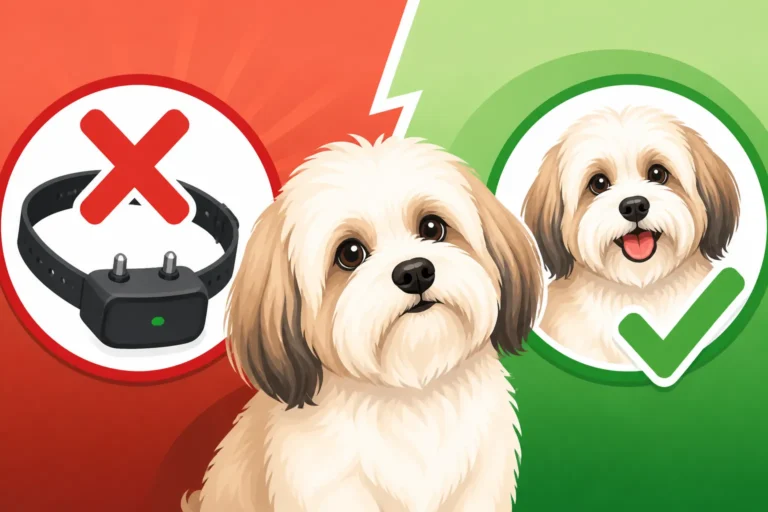
- Anti-Bark Devices (Use with Caution): There are various types, from ultrasonic devices that emit a high-pitched sound only dogs can hear, to spray collars that release a burst of citronella. These should always be used as a last resort and with extreme caution, as they can be startling and potentially frightening for a sensitive Havanese. They are deterrents, not training tools, and often only suppress the behavior rather than addressing the underlying anxiety or instinct. Consult a professional trainer before using any aversive device.
- Physical Barriers: As mentioned under proactive management, baby gates or exercise pens can be invaluable for creating distance between your Havanese and the front door during delivery times. This physical separation can prevent them from practicing the barking behavior and give you better control over the situation, allowing you to reward calm behavior from afar. Whether Crate Training Suits a Havanese provides more context on using enclosed spaces.
- Durable Chew Toys: Having a highly engaging, long-lasting chew toy (which you can easily find on Amazon) readily available can be a great way to redirect your Havanese's attention and energy when a delivery driver approaches. If they are happily gnawing on something delicious, they are less likely to be focused on barking.
When to Seek Professional Help
Sometimes, despite your best efforts, the barking just doesn't get better. It's not a sign of failure on your part, but rather an indication that you might need a little extra guidance.
Recognizing When You're Overwhelmed
It's easy to feel defeated when your Havanese's barking persists, especially at delivery drivers. If the barking is constant, escalating in intensity, or causing significant stress for your dog, yourself, or your neighbors, it might be time to bring in an expert. Persistent barking can be a sign of underlying anxiety or over-arousal that's difficult for an owner to resolve alone. If you're constantly feeling frustrated, avoiding deliveries, or getting complaints, acknowledge that you've hit a wall and seek professional support.
Consulting a Certified Professional Dog Trainer
A certified professional dog trainer, especially one who specializes in positive reinforcement and fear-free methods, can assess your Havanese's specific triggers and behaviors. They can develop a tailored training plan that addresses the root cause of the barking, rather than just suppressing the symptoms. They can also teach you the proper timing and techniques for counter-conditioning and desensitization, which are often difficult to implement effectively on your own. They might suggest exercises to boost your Havanese's confidence, which can indirectly reduce their need to bark protectively. You can also monitor your Havanese's behavior when you're not home with a camera, as discussed in Whether a Camera Helps a Havanese Owner, which can provide valuable information to a trainer.
Discussing Options with Your Veterinarian
In some cases, excessive barking can have a medical component. Pain, discomfort, or even underlying anxiety disorders can contribute to reactivity. It's always a good idea to discuss persistent barking with your veterinarian. They can rule out any health issues and, if appropriate, discuss options like anxiety medication as a temporary aid in conjunction with a behavioral modification plan. Medication is rarely a standalone solution but can sometimes help a severely anxious dog be calm enough to learn and respond to training. Your vet can provide advice on Whether Medication Helps an Anxious Havanese if needed.
Here’s a quick overview of some strategies:
| Strategy Category | Description | Best For | Key Benefit |
|---|---|---|---|
| Management | Controlling the environment to prevent barking, e.g., closing blinds, using gates. | Immediate reduction of barking incidents, buying time for training. | Reduces opportunities for the behavior to be practiced and reinforced. |
| Training | Actively teaching new behaviors and associations, e.g., "Quiet" command, counter-conditioning. | Long-term behavior change, addressing the root cause. | Teaches your Havanese a desirable alternative behavior to barking. |
| Tools/Aids | Using specific products like chew toys, white noise machines. | Supporting training and management efforts, providing distraction. | Can make training easier and provide immediate relief from noise. |
| Professional Help | Consulting trainers or vets for persistent or severe barking. | Complex cases, underlying anxiety, when owner efforts aren't enough. | Expert guidance, tailored plans, and medical assessment if necessary. |
Tackling your Havanese's barking at delivery drivers requires patience, consistency, and a multi-faceted approach. Remember, your Havanese isn't trying to be difficult; they're simply responding to their instincts and environment. With understanding and dedicated training, you can help them become a calmer, happier member of your household.
Disclaimer
This article is for general informational purposes only and does not constitute professional advice. Laws, prices and regulations vary by location and change over time. Consult a qualified professional for guidance on your specific situation.