Whether a Havanese Snaps When Startled
It can be incredibly upsetting and confusing when your sweet, cuddly Havanese suddenly snaps. You expect nothing but affection from your little companion, and then one day, an unexpected touch or a sudden loud noise causes them to lash out. This guide will delve into why a Havanese might snap when startled, how to understand the difference between a reflexive reaction and true aggression, and, most importantly, provide actionable steps to prevent these startling incidents and foster a more secure, confident, and harmonious home environment for your beloved furry friend.
Understanding the Havanese Temperament and Startle Reflex
Havanese are renowned for their cheerful, outgoing, and affectionate personalities. They're often described as "Velcro dogs" due to their desire to be constantly by their owner's side, soaking up every moment of companionship. However, even the most devoted and seemingly unflappable Havanese can exhibit a startle reflex, which, in some cases, might manifest as a quick snap or air bite. It's not necessarily a sign of a mean or aggressive dog, but rather a natural, instinctual reaction to feeling suddenly vulnerable or threatened. Understanding this fundamental aspect of their behavior is the first step in addressing it effectively.
Why Small Dogs Can Be Prone to Startling
It’s easy to forget, given how much joy they bring, that our Havanese are still dogs with instinctual behaviors, and their small size plays a significant role in their perception of the world. Imagine living life at ankle height, where every human footstep sounds like a giant stomping, and every door creak is amplified. Small dogs, including the Havanese, are physically more vulnerable than larger breeds. Their small stature means they have less ability to defend themselves against perceived threats, which can heighten their natural 'fight or flight' response. This isn't a character flaw; it's a survival mechanism hardwired into their DNA.
This inherent vulnerability often means they are more sensitive to sudden changes in their environment or unexpected physical contact. A large shadow falling over them, a hand reaching down quickly from above, or even a playful nip from a much larger dog can trigger an exaggerated startle response. For a Havanese, what might seem like a minor surprise to us can feel like a significant threat that necessitates an immediate, defensive reaction. They don't have the luxury of size to shrug off perceived dangers, so their reactions can be swift and sometimes startling to us.
The "Fight or Flight" Response in Havanese
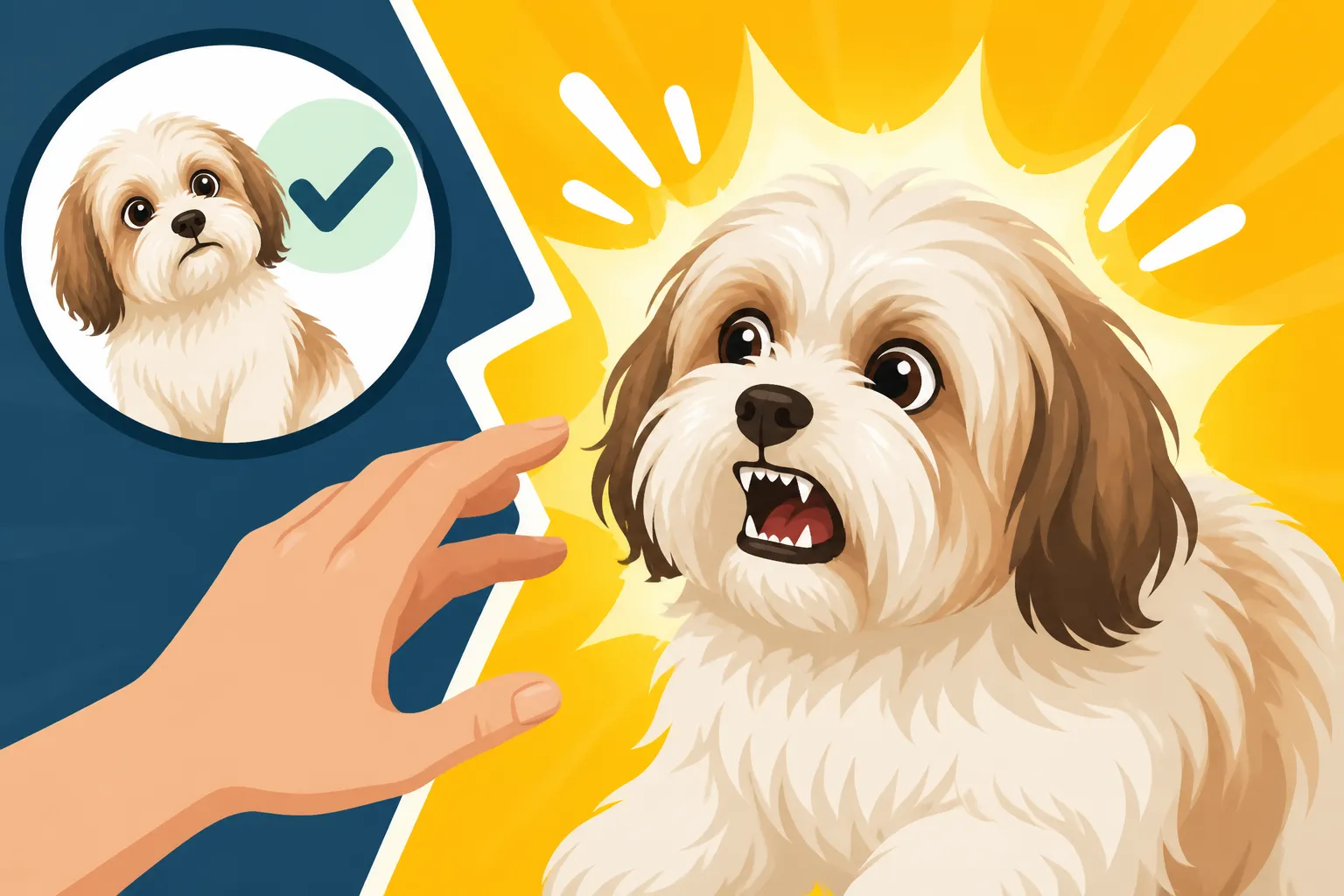
When a Havanese is startled, its body immediately gears up for either fighting off the perceived threat or fleeing from it. Because they are often held or contained in close proximity to their humans, fleeing isn't always an option, so the 'fight' response—even a minor, defensive one—can kick in. A snap, a quick air bite, or a momentary growl is often their way of saying, "Whoa! You scared me! Back off!" It's rarely premeditated aggression but rather an automatic, reflexive action designed to create distance or stop the startling stimulus.
This response is involuntary. Think about how you might flinch or gasp if someone sneaks up behind you. Your Havanese is experiencing something similar, but their defensive mechanism includes their mouth. They might jump, tense their body, tuck their tail, or even emit a sharp bark simultaneously with the snap. This is their way of processing a sudden shock. It's important to observe the context and their body language leading up to and immediately after the snap to truly understand what happened. Was it fear, surprise, or something else entirely?
Common Triggers for Startling in Havanese
Identifying common triggers is crucial for preventing these startling incidents. Often, the triggers are things we, as humans, might not even notice or consider impactful. Being proactive about managing these situations can significantly reduce the likelihood of a startle snap.
- Sudden Noises: This is perhaps the most common trigger. A dropped pot in the kitchen, a loud doorbell, a sudden clap of thunder, a car backfiring, or even an unexpected sneeze can send a Havanese into a state of alarm. Their acute hearing makes them particularly susceptible to sudden, sharp sounds that might barely register with us. They're often on high alert, even when seemingly relaxed.
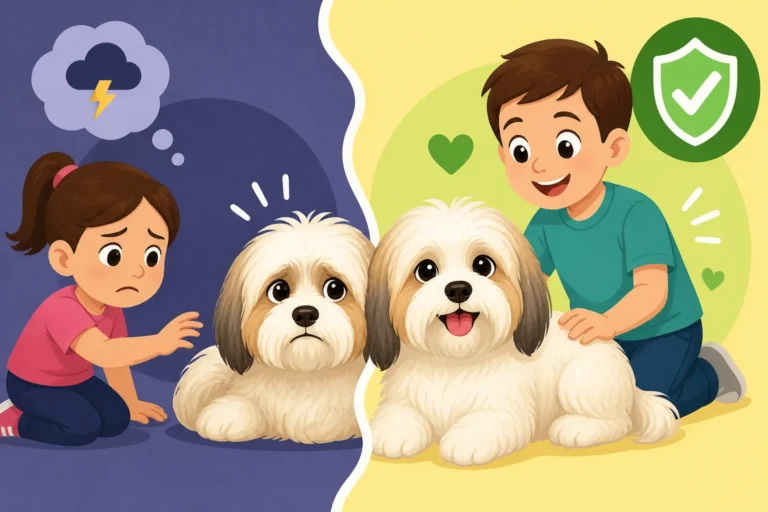
- Unexpected Touches: Imagine being fast asleep and someone abruptly shaking you awake. You'd likely be startled. The same applies to a Havanese. Reaching to pet them when they're sleeping, approaching them from behind without warning, or a child's sudden grab can all trigger a snap. Their personal space is just as important, especially when they feel vulnerable. This is particularly relevant when considering A Havanese in a House With Children, where proper education about gentle interactions is paramount.
- Unfamiliar Environments or People: New places, unfamiliar smells, or strangers can put a Havanese on edge. While generally friendly, a Havanese might be more prone to startling in a crowded vet waiting room, a busy park, or when a new person leans in too close, too quickly, for a pet. Their comfort level is deeply tied to their sense of security.
- Waking Up Too Quickly: Havanese are often deep sleepers, and being jolted awake can be disorienting and frightening. If your Havanese is prone to sleeping in unexpected places, like under a blanket on the couch or at the foot of your bed (which is a common preference, especially for those considering Whether a Havanese Should Sleep in the Bedroom), ensure you announce your presence gently before reaching for them. A soft voice or a gentle rustle of the covers can make all the difference.
Differentiating Between a Startle Snap and True Aggression
It’s vital for Havanese owners to understand the distinction between a reflexive startle snap and genuine, underlying aggression. While both involve a dog using its mouth, the motivation, body language, and context are usually very different. Misinterpreting a startle snap as aggression can lead to inappropriate punishment, which only exacerbates fear and potentially escalates the behavior.
Characteristics of a Startle Snap
A startle snap is typically a quick, almost involuntary defensive action. It’s like a reflex—the dog feels suddenly threatened, and the snap is an immediate, automatic response to create distance or signal their discomfort. Here’s what often characterizes it:
- Quick and Fleeting: The snap is usually over almost as soon as it begins. There's little to no follow-through, and the dog often retreats immediately afterward or shows signs of wanting to disengage. It's a single, sharp correction, not a sustained attack.
- Clear Trigger: There's almost always an obvious, sudden event that precedes the snap. This could be a loud noise, an unexpected touch, or a sudden movement in their personal space. The connection between the trigger and the reaction is immediate and undeniable.
- Body Language of Fear/Surprise: The dog's body language will typically convey fear or surprise, not predatory or offensive aggression. You might see:
- Wide, dilated eyes ("whale eye")
- Ears flattened or pulled back
- Tail tucked low or between the legs
- Crouching, cowering, or attempting to shrink away
- Piloerection (hackles raised) along the spine
- Lip licking or yawning (displacement behaviors)
- A stiff, frozen posture just before or during the snap.
- No Prior Warning (Often): Because it's a reflex, there might be less of the typical warning signs (growling, prolonged staring) that precede a more deliberate aggressive act. The dog might go straight to a snap because the startle was so sudden and intense.
Recognizing Signs of Underlying Aggression
True aggression, on the other hand, is generally more deliberate and often escalates through a series of warning signals. It can stem from various sources, including fear (which can also lead to startle snaps, but with different patterns), resource guarding, pain, or territoriality.
- Prolonged or Repeated Aggression: If the snapping or biting is sustained, repeated without immediate provocation, or if the dog continues to lunge or growl after the initial incident, it's more likely to be true aggression.
- Absence of Clear Startling Trigger: While a dog might feel threatened, true aggression often isn't just a reaction to a sudden, unexpected event. It might occur in situations where the dog has had time to process its environment but chooses to react aggressively, perhaps to protect a perceived resource (food, toys, a specific person, a sleeping spot). If your Havanese guards its food bowl or snaps when you try to take a toy, that's resource guarding, a form of aggression, not a startle reflex.
- Body Language of Offensive Aggression (Less Common in Havanese): While Havanese are less likely to display overt offensive aggression, signs might include:
- Stiff, forward-leaning posture
- Direct, hard stare
- Raised hackles (piloerection)
- Snarling, baring teeth with a tense facial expression
- Growling that escalates in intensity
- Tail held high and stiff, or wagging stiffly.
- Lack of Remorse/Disengagement: An aggressively motivated dog may continue to hold its ground or even pursue the perceived threat, rather than immediately disengaging or showing signs of fear.
It’s also crucial to consider pain as a potential cause for snapping. A Havanese experiencing discomfort from an injury, arthritis, or an underlying medical condition might snap if touched in a sensitive area. This is why a veterinary check-up is always recommended if your dog's behavior changes suddenly. Sometimes, what seems like behavioral aggression is actually a cry for help due to physical pain. For example, if they have an issue like The Kneecaps a Havanese Slips, a sudden touch on the leg could cause a painful, reflexive snap.
| Feature | Startle Snap | True Aggression |
|---|---|---|
| Duration | Quick, fleeting, immediate disengagement | Can be sustained, repeated, or escalating |
| Trigger | Sudden, unexpected noise, touch, or movement | Can be varied (resource guarding, fear, pain), not always sudden |
| Motivation | Reflexive defense to sudden perceived threat | Intentional warning, defense, or assertion of control |
| Body Language | Fear, surprise (crouching, tucked tail, wide eyes) | Can include offensive postures (stiff, direct stare), or fear-aggression signs |
| Warning Signs | Often minimal due to suddenness | Typically escalates through growls, snarls, air snaps |
| Aftermath | Dog may retreat, seem confused or fearful | Dog may hold ground, continue to react, or seem agitated |
| Underlying Cause | Heightened reflex, lack of predictability | Fear, pain, territoriality, resource guarding, lack of socialization |
The Importance of Observation and Context
To truly understand why your Havanese snapped, you need to become a keen observer of their environment and body language. Was the dog sleeping soundly and then suddenly jostled? Did a loud noise coincide with someone reaching for them? What was the dog doing just before the incident? What was their posture, their tail position, their ear set?
For instance, if your Havanese is resting quietly, and a child rushes in and grabs them suddenly, a quick snap might be a startle reaction combined with a protest of being roughly handled. This is very different from a dog who is guarding a bone, growls when approached, and then snaps when you try to take it away. The first scenario points to management and education; the second points to a deeper behavioral issue requiring targeted training.
Taking note of these details helps you understand your dog’s communication. Sometimes, we miss subtle signals that our dogs are uncomfortable before they escalate to a snap. A yawn, a lip lick, turning their head away, or a slight stiffening of the body can all be early indicators that a dog is feeling uneasy. Learning to read these signals can help you intervene before your Havanese feels the need to snap.
Strategies to Prevent Startle Snapping in Havanese
Preventing startle snapping in your Havanese largely comes down to creating a predictable, safe environment, using gentle handling techniques, and ensuring they are well-socialized and trained. It’s about building trust and helping your Havanese feel secure in their world.
Creating a Safe and Predictable Environment
A stable environment is key to a confident Havanese. When they know what to expect, they are less likely to be on high alert.
- Establish Routines: Dogs thrive on routine. Consistent feeding times, walk schedules, and bedtime rituals can significantly reduce anxiety. A predictable day helps them feel secure, knowing what comes next. This predictability contributes to overall well-being, especially for a young dog in The First Year With a Havanese Puppy.
- Provide a Safe Retreat: Every Havanese should have a designated "safe space" where they can retreat undisturbed. This might be a cozy crate, a comfy dog bed, or a quiet corner. Teach children and guests that when the dog is in this space, they are not to be bothered. You can find excellent, comfortable dog beds and crate pads on Amazon that provide a snug, secure feeling for your Havanese. This gives them agency and control over their environment, reducing the need to react defensively when feeling overwhelmed.
- Educate Family Members and Guests: This is perhaps the most critical step, especially concerning children. Teach everyone in the household, and any visitors, how to properly interact with your Havanese. This includes:
- Always approach gently and slowly. Avoid looming over them.
- Call their name softly before touching them, especially if they are sleeping or relaxing.
- Avoid sudden movements or loud noises around them.
- Never startle them awake. A gentle voice cue first is much better.
- Teach children the "be a tree" rule if the dog becomes agitated: stand still, hands by your side, and look away. This often causes the dog to calm down because the perceived threat has become passive. The principles covered in A Havanese in a House With Children are particularly relevant here.
Gentle Handling and Positive Reinforcement
How you handle and interact with your Havanese daily can profoundly impact their reactivity.
- Mindful Touching: Always pet your Havanese gently, and where they prefer. Many dogs dislike being patted on the head; instead, try scratching their chest, under their chin, or behind their ears. Pay attention to their reactions – if they lean into your touch, you're doing it right. If they pull away or tense up, adjust your approach.
- Waking Up Your Havanese: Instead of touching, use your voice to gently rouse them. Say their name softly a few times, or make a quiet, happy sound. Let them wake up naturally and acknowledge your presence before you reach for them. This avoids that sudden, jolting surprise.
- Positive Reinforcement for Calmness: When your Havanese is calm in situations where they might typically be startled (e.g., the doorbell rings, and they just look at you instead of barking and jumping), reward that calm behavior with a high-value treat and praise. This helps them associate potentially startling events with positive outcomes.
- Desensitization to Triggers: If your Havanese is particularly sensitive to certain noises (like the doorbell), you can slowly desensitize them. Record the sound and play it back at a very low volume while giving treats. Gradually increase the volume over many sessions, always pairing the sound with something positive. This changes their emotional response from fear to anticipation of a reward.
Early Socialization and Training
Proper socialization and training from a young age are invaluable in building a confident, well-adjusted Havanese less prone to fear-based reactions.
- Early, Positive Exposure: As soon as your Havanese puppy has its initial vaccinations, expose them to a variety of safe, positive experiences. This includes different sights, sounds, surfaces, people of all ages and appearances, and other friendly, vaccinated dogs. The goal is positive association, so keep these experiences short, sweet, and always paired with treats and praise. Information found in Where to Take a Havanese Puppy Before Full Cover can provide excellent guidance on safe socialization practices.
- Puppy Classes: Enroll in a well-run puppy class. These classes provide a structured environment for socialization, expose your puppy to new people and dogs, and teach you foundational obedience commands using positive reinforcement. A good puppy class can make a huge difference in your dog's confidence and social skills, often addressing topics such as how to read canine body language and prevent unwanted behaviors. If you're wondering Whether Puppy Class Is Enough for a Havanese, it's a fantastic start, but continued effort at home is also vital.
- Consistent Training: Basic obedience commands like "sit," "stay," "come," and "leave it" build confidence and give you tools to manage your Havanese in potentially startling situations. A solid "settle" or "place" command can teach them to go to their safe space when things get overwhelming. Online training programs, such as those offered by BAXTER & Bella, can be a fantastic resource for comprehensive, positive-reinforcement based training that you can do at home, ensuring consistency and building a strong bond.
- Body Handling Practice: Get your Havanese used to being touched all over, including their paws, ears, and mouth, from a young age. Pair these touches with treats so they learn to tolerate and even enjoy handling. This is critical for grooming appointments and vet visits and makes them less likely to snap from an unexpected touch. This ties into the broader topic of Teaching a Havanese to Lie Still for Grooming.
What to Do If Your Havanese Snaps When Startled
Even with the best preventative measures, incidents can happen. Knowing how to react calmly and appropriately if your Havanese snaps when startled is crucial for both your safety and your dog's well-being.
Immediate Reaction and Aftermath
Your immediate response to a startle snap sets the tone for future interactions and your dog's learning.
- Stay Calm: Your reaction can either escalate or de-escalate the situation. If you yell, punish, or become visibly agitated, your Havanese will likely become more fearful and stressed, which can lead to more defensive snapping in the future. Take a deep breath.
- Assess and Ensure Safety: First, ensure no one was injured. If a bite occurred, clean and care for the wound immediately. Then, calmly remove the startling stimulus if possible (e.g., move the object that fell, stop the intrusive interaction). Give your Havanese space and allow them to calm down. Do not approach them immediately if they are still showing signs of distress.
- Avoid Punishment: Punishing a Havanese for a startle snap will only teach them to hide their warning signals (like a growl or a quick snap) in the future. They might learn that exhibiting these signals leads to punishment, making them more likely to go straight to a full bite without warning next time. Instead of punishment, focus on understanding the cause and managing the environment. Remember, their snap was likely a fear-based reaction, not an act of defiance.
- Reflect on the Incident: Once everyone is calm, think back to what happened. What was the exact trigger? What was your Havanese's body language before, during, and after? Was it truly a startle, or were there other factors? This reflection is key to learning and preventing future incidents.
Seeking Professional Guidance
If startle snapping becomes a recurring issue, if the snaps seem to escalate in intensity, or if you are ever concerned about the safety of yourself or others, it’s absolutely time to bring in professional help.
- Veterinary Check-up First: Anytime there’s a sudden change in behavior, especially aggression or reactivity, the first step should always be a visit to your veterinarian. Pain or an underlying medical condition can drastically alter a dog's temperament, making them more irritable or sensitive to touch. For example, if your Havanese has undiagnosed pain, they might be more reactive. Rule out any physical ailments before attributing it solely to behavior.
- Consult a Certified Professional Dog Trainer or Behaviorist: This is not a sign of failure as an owner; it's a sign of responsible pet ownership. A professional can observe your Havanese in your home environment, accurately assess the situation, and develop a tailored training plan using humane, positive reinforcement methods. Look for certified professionals (e.g., through the Certification Council for Professional Dog Trainers (CCPDT) or the International Association of Animal Behavior Consultants (IAABC)). They can help you understand the nuances of canine communication and teach you effective strategies for behavior modification. They can also help if you're concerned about issues like Whether a Havanese Needs a Professional Trainer for specific behavior challenges beyond basic obedience.
- Understand It's a Communication Issue: A professional will help you understand that a snap is often your dog's way of communicating fear, discomfort, or an overwhelmed state. It's not about them being "bad" but about lacking the tools to cope or communicate in a less intense way. The goal of professional intervention is to teach your Havanese alternative, more acceptable ways to respond to startling situations and to teach you how to set them up for success.
Long-term Management and Training Adjustments
Dealing with startle snapping is an ongoing process that often requires consistent effort and adjustments to your daily routine.
- Continued Desensitization and Counter-Conditioning: Continue working on gently desensitizing your Havanese to their triggers. If it's sudden noises, keep practicing playing those sounds at low volumes, always paired with high-value treats. If it's unexpected touches, practice very gentle, predictable touches on their preferred areas, followed immediately by a treat. The goal is to change their emotional response from fear to a positive association.
- Reinforce Calm Behavior: Actively look for opportunities to reward your Havanese when they are calm and relaxed, especially in situations that might normally cause them stress. This reinforces the desired state of mind.
- "Watch Me" or "Focus" Command: Teaching a strong "watch me" or "focus" command can be incredibly helpful. When you anticipate a potentially startling situation (e.g., someone is about to knock), you can ask your Havanese to focus on you, diverting their attention and giving them a positive task to do instead of reacting fearfully.
- Safety Equipment: For dogs prone to snapping, even from startle, discussing the use of a muzzle with a professional trainer might be considered, especially during training or in situations where startling is highly likely and you need to ensure safety. A muzzle, when properly introduced and fitted, can be a valuable tool, not a punishment, for safety during behavior modification.
- Consistency is Key: All family members must be consistent in their interactions and training methods. A fragmented approach will confuse your Havanese and hinder progress. Everyone needs to be on the same page regarding rules and training protocols. This kind of consistent positive engagement helps build a strong bond and a confident dog.
By understanding the root causes of startle snapping, patiently implementing preventative strategies, and seeking professional help when needed, you can help your Havanese overcome these reactions and live a happy, confident life as your cherished companion.
Disclaimer
This article is for general informational purposes only and does not constitute professional advice. Laws, prices and regulations vary by location and change over time. Consult a qualified professional for guidance on your specific situation.