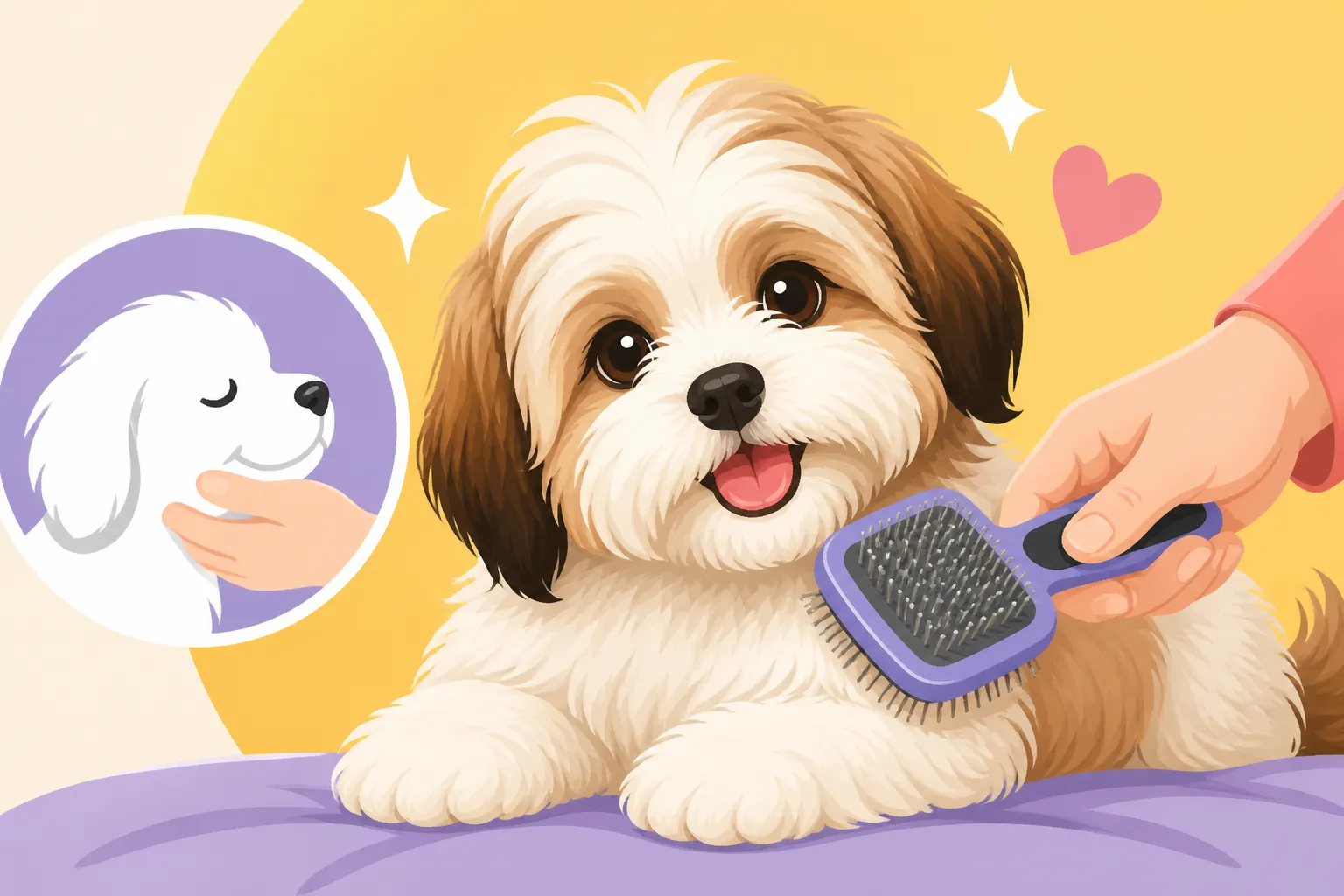
Getting a Havanese Used to Brushing as a Puppy
One of the biggest worries for any new Havanese puppy parent is keeping that gorgeous, flowing coat in tip-top shape. You probably know by now that their silky hair is a hallmark of the breed, but what you might not realize yet is just how quickly it can turn into a matted mess if you're not on top of things. The thought of wrestling a squirming, possibly nipping puppy into submission for a daily brush-out can feel overwhelming, or even heartbreaking if your little furball is already protesting. But trust me, getting your Havanese puppy comfortable with brushing from a very young age isn't just about aesthetics; it's a vital part of their health, comfort, and building a positive relationship with you. This guide is all about making that process as gentle, effective, and stress-free as possible for both of you.
Why Early Brushing is Non-Negotiable for Your Havanese Puppy
It’s easy to look at a fluffy Havanese puppy and think, "Oh, they're so soft and cuddly, brushing won't be a big deal!" But that fluffy phase is deceptively simple. Underneath that adorable exterior lies a coat that is designed to mat if not meticulously maintained, and waiting until problems arise only makes the task harder and more unpleasant for everyone involved.
The Havanese Coat: A Beautiful Challenge
Your Havanese isn't just any fluffy dog. They possess a unique double coat – a soft undercoat and a longer, silky outer coat. While this is what gives them their stunning appearance, it also makes them incredibly prone to tangles and mats. Imagine trying to comb through tangled silk threads all day, every day; that's essentially what their coat can feel like if not cared for properly.
The real challenge often begins around eight months of age, when the puppy coat starts to transition into the adult coat, a period affectionately known as the "puppy uglies." During this time, the differing textures of the new and old hair weave together, creating an incredibly fertile ground for mats to form quickly and stubbornly. If you haven't established a brushing routine by then, you'll find yourself in a constant battle against painful knots. Without regular, thorough brushing, these mats pull on the skin, causing discomfort, irritation, and can even lead to skin infections. This isn't just about looking good; it's about preventing pain and keeping your beloved companion healthy. You can learn more about this beautiful coat in The Silky Double Coat a Havanese Grows to the Floor and understand the critical matting period by reading Why a Havanese Mats at Eight Months and Not Before.
Building Trust and Positive Associations
Think of early brushing not as a chore, but as a critical bonding experience and a foundation for future cooperation. If your puppy’s first experiences with a brush are painful, rushed, or fear-inducing, they'll quickly learn to associate grooming with negative feelings. This can lead to a lifetime of resistance, making every brushing session a struggle and potentially necessitating more frequent, costly, and sometimes sedated trips to the groomer for dematting.
By starting young and making each interaction gentle and rewarding, you teach your Havanese that the brush isn't something to be feared. You're building trust and teaching them that cooperating leads to good things, like delicious treats and praise. This positive association extends beyond grooming; it reinforces that you are a benevolent leader who can be trusted, making other training endeavors easier down the line. It's an investment in their emotional well-being and your shared future.
Essential Tools for a Positive Brushing Experience
Having the right tools is half the battle when it comes to successful Havanese grooming. You wouldn't use a hammer to drive a screw, and similarly, using the wrong brush on your puppy can turn a potentially pleasant experience into a frustrating or even painful one. Investing in quality tools designed for their specific coat type will save you headaches and help maintain their beautiful fur.
Choosing the Right Brushes and Combs
For a Havanese, you'll primarily need two types of grooming tools: a slicker brush and a metal comb.
- Slicker Brush: This brush features fine, wire bristles closely set together on a flat or curved head. For a puppy, look for a slicker brush with softer pins, as their skin is delicate. A good quality slicker brush is your primary tool for removing tangles and loose hair from the main body of the coat. It helps to separate the individual strands and prevent matting. You'll use this for the bulk of the brushing, gently sweeping through sections of hair.
- Metal Comb: A sturdy metal comb with both fine and coarse teeth is absolutely indispensable. After using the slicker brush, the metal comb is your "mat detector." It allows you to systematically go through the coat, section by section, ensuring that you've reached down to the skin and removed all tangles. If the comb glides through easily, you know that area is mat-free. If it snags, you've found a spot that needs more attention with the slicker brush and potentially some detangling spray. When choosing, ensure the teeth are smoothly finished to avoid scratching your puppy's skin. Many excellent options for both slicker brushes and combs can be found on platforms like Amazon, making it easy to get what you need delivered right to your door. You can get more specific advice on Which Brush Suits a Havanese and Whether a Comb Beats a Slicker on a Havanese.
Other Handy Grooming Aids
Beyond the main brushes, a few other items can make your grooming sessions smoother and more effective:
- Detangling Spray: This is a game-changer for Havanese owners. A good detangling spray helps lubricate the hair, making it easier to work through tangles and mats without causing pain or breakage. Always spray a section before attempting to brush out any knots. It acts as a protective barrier and reduces static, which can also contribute to tangles. Whether Detangling Spray Helps a Havanese is a must-read for Havanese parents.
- High-Value Treats: Positive reinforcement is key, especially with a young puppy. Have small, irresistible treats on hand to reward calm behavior and cooperation during brushing sessions. These treats help create a positive association, turning grooming into a pleasant experience rather than a dreaded one.
- Non-Slip Mat or Grooming Table: While you can start brushing your puppy on your lap, as they grow, having a stable surface is incredibly helpful. A non-slip mat placed on a counter or table provides traction, making your puppy feel more secure. Even better, a dedicated grooming table with a grooming arm can greatly improve your posture and your ability to reach all parts of your Havanese, especially if you decide to learn to do more home grooming. This can be a worthwhile investment if you plan to frequently groom your Havanese yourself, and you can explore options to build out What a Home Grooming Kit Costs a Havanese Owner.
Step-by-Step Guide to Brushing Your Havanese Puppy
Now that you have your tools ready and understand the importance of early brushing, let's get down to the practical steps. Remember, consistency and patience are your best friends here. You’re not just brushing hair; you’re teaching a life skill.
The "Touch and Treat" Method for Acclimation
This method is fantastic for introducing your puppy to new experiences in a positive way. Start with very short, gentle sessions, sometimes only a minute or two long, several times a day. The goal is to build positive associations without overwhelming your puppy.
Begin by simply letting your puppy see and sniff the brush. Then, gently touch the brush to a non-sensitive area, like their back or shoulder, for just a second. Immediately follow this with a high-value treat and verbal praise ("Good brush!"). Repeat this a few times. As your puppy becomes more comfortable, gradually increase the duration of the touch and then introduce a very gentle stroke of the brush. Still, immediately reward. If your puppy seems uncomfortable or tries to pull away, stop, reset, and try again with a shorter, less intrusive touch next time. The idea is to keep it positive and prevent any negative experiences. Programs like BAXTER & Bella often emphasize these foundational positive reinforcement techniques, which are perfect for sensitive puppies.
Line Brushing: The Golden Rule
Line brushing is the most effective technique for a Havanese coat, ensuring you reach down to the skin and prevent mats from forming at the roots. It's methodical, but it works.
- Preparation: Have your detangling spray and treats ready. Lay your puppy gently on their side or have them stand on a non-slip surface if they are comfortable.
- Sectioning: Start at the bottom of a leg or the belly, and use one hand to part a small section of hair horizontally, holding the top hair out of the way. This creates a "line" of hair that you will brush.
- Brushing the Line: With your slicker brush, gently brush the exposed hair from the roots to the ends. Be thorough but gentle.
- Combing to Check: Once you've brushed that section, use your metal comb to check your work. The comb should glide smoothly through the hair from skin to tip. If it snags, go back with the slicker brush until it passes through freely.
- Moving Up: Once the bottom section is completely clear, drop a tiny bit more hair from the top section to create a new "line" and repeat the process. Work your way up the body, limb by limb, section by section, always brushing from the roots outwards. This ensures you never just brush the top layer of hair, which is a common mistake that leaves mats hidden underneath. Understanding Whether Line Brushing Reaches a Havanese's Skin is crucial for effective grooming.
Focusing on Sensitive Areas
Some areas of a Havanese's body are particularly prone to matting and require extra care and patience. These include:
- Ears: The hair behind and under the ears is very fine and mats easily. Always brush these areas gently, often using your fingers to separate tangles first. Hold the base of the ear to prevent pulling on the skin.
- Armpits and Groin: These areas experience a lot of friction from movement and are notorious mat magnets. Lift your puppy's legs gently to access these spots, and use short, careful strokes.
- Paws and Between Toes: Hair here can trap dirt and moisture, leading to mats and discomfort. Use a smaller comb or the corner of your slicker brush to carefully work through these areas.
Remember to offer continuous praise and treats throughout these more challenging sections. If your puppy shows distress, take a short break or switch to a different, less sensitive area before returning. For a more comprehensive approach to handling these areas, consider the advice in Teaching a Havanese to Lie Still for Grooming.
Common Challenges and Troubleshooting
Even with the best intentions and tools, raising a Havanese puppy and getting them used to brushing can present its hurdles. It's completely normal to face some resistance, but understanding common issues and how to address them gently will help you stay the course.
Dealing with a Wiggly or Biting Puppy
A Havanese puppy's natural exuberance can sometimes translate into a wiggly, squirmy mess during grooming. Some puppies might also try to mouth or nip at the brush or your hands, especially during teething.
- Shorten Sessions: The most important rule for a wiggly puppy is to keep sessions incredibly short – think 60 seconds at first, then gradually increase. It's better to have multiple short, positive sessions than one long, stressful battle.
- Redirection: If your puppy is nipping, redirect their attention to an appropriate chew toy. Give them something safe to chew on while you brush, preferably one they can hold themselves.
- Management: For persistent wiggling, consider brushing on a non-slip surface that gives them a bit more security, like a small grooming table or even just on the floor with a yoga mat underneath. Never hold them down forcefully, as this can create fear and resentment.
- Consistency: The more frequently you brush (even for short periods), the more quickly they will become accustomed to the routine. Don't give up! Whether a Havanese Fights a Brush discusses strategies for these challenging moments.
When Mats Happen: Gentle Removal
Despite your best efforts, mats will sometimes happen, especially during the coat change phase or if a day or two of brushing is missed. The key is to address them gently and promptly to prevent them from becoming worse.
- Never Pull: The golden rule of mat removal is never to pull on a mat. This is painful for your dog and will make them dread future grooming.
- Detangling Spray is Your Friend: Liberally spray the mat with a good detangling spray. Let it soak in for a minute or two to soften the hair.
- Fingers First: Gently try to pull the mat apart with your fingers, working from the outer edges inwards. Break up the mat into smaller sections if possible.
- Pinpoint Brushing: Use the very tip of your slicker brush or the coarse side of your metal comb to carefully pick at the edges of the mat. Work slowly, a few hairs at a time, always supporting the skin at the base of the mat to prevent pulling.
- When to Call a Professional: If a mat is very tight, close to the skin, or if your puppy is in pain, don't hesitate to call a professional groomer. They have specialized tools and expertise to remove mats safely and with minimal discomfort. Sometimes, shaving down a severely matted area is the kindest option. Learn more about this in Whether a Matted Havanese Must Be Shaved.
Maintaining the Routine for Life
Getting your Havanese puppy used to brushing is not a temporary task; it's a lifelong commitment. Their coat will continue to grow and can mat at any age. Consistency is paramount to keeping them comfortable and healthy.
- Daily Check-ins: Even if you don't do a full line brush every single day (though it's ideal during the coat change), a quick once-over with a comb in common matting areas like behind the ears, armpits, and under the collar can catch small tangles before they escalate. How Often a Havanese Must Be Brushed provides further insights into frequency.
- Regular Full Brushing: Plan for at least 3-4 thorough line brushing sessions a week for an adult Havanese, more frequently if they have a long coat or are particularly active.
- Professional Grooming: Even if you become a home-grooming pro, regular visits to a professional groomer every 4-6 weeks for trims, nail care, and a thorough bath can complement your efforts and keep their coat in top condition. This also gives your Havanese continued exposure to different grooming environments.
- Make it a Habit: Integrate brushing into your daily routine, perhaps while you're watching TV in the evening. This consistent presence makes it a normal, expected part of your Havanese's life, rather than an occasional, dreaded event.
By committing to a consistent, gentle, and positive brushing routine from puppyhood, you'll ensure your Havanese remains happy, healthy, and beautifully coiffed throughout their long and loving life.
Here's a quick overview of essential Havanese grooming tools:
| Tool | Primary Purpose | Key Features for Havanese Puppies | Usage Notes |
|---|---|---|---|
| Slicker Brush | Detangling, removing loose hair | Soft pins, flexible head | Main brush for body, gentle strokes |
| Metal Comb | Mat detection, fine detangling | Fine & coarse teeth, sturdy | Essential for checking all layers to the skin |
| Detangling Spray | Lubricates hair, eases mat removal | pH-balanced, conditioning | Apply liberally to tangles before brushing |
| Nail Clippers | Trimming nails | Scissor or guillotine style | Start early, trim tiny amounts frequently |
| Ear Cleaner | Maintaining ear hygiene | Gentle, non-irritating formula | Use as directed by vet, clean outer ear only |
| Treats | Positive reinforcement | High-value, small, easily chewed | Reward calm behavior throughout grooming sessions |
Disclaimer
This article is for general informational purposes only and does not constitute professional advice. Laws, prices and regulations vary by location and change over time. Consult a qualified professional for guidance on your specific situation.