Whether a Havanese Objects to Its Feet Being Done
Ah, the daily dance of trying to trim those adorable, yet often wildly overgrown, Havanese paw pads. It’s a struggle many of us know all too well – one minute your sweet companion is snuggled on your lap, the next they’re transforming into a squirming, nipping bundle of fury at the mere sight of nail clippers or scissors. This guide is here to validate that frustration and offer practical, empathetic solutions to turn foot care from a dreaded wrestling match into a manageable, even calm, routine for both you and your beloved Havanese.
Why Your Havanese Might Be Giving You the Paw-sitive No
Let's face it, Havanese paws are unique. They're designed for comfort and agility, often sporting abundant hair between the pads and around the toes. While this contributes to their charming, fluffy appearance, it also creates a host of practical problems if not managed diligently. Many owners feel like they're fighting a losing battle, and it's easy to get discouraged when your sweet pup suddenly acts like you're trying to perform ancient torture rituals.
The Unique Challenges of Havanese Paws
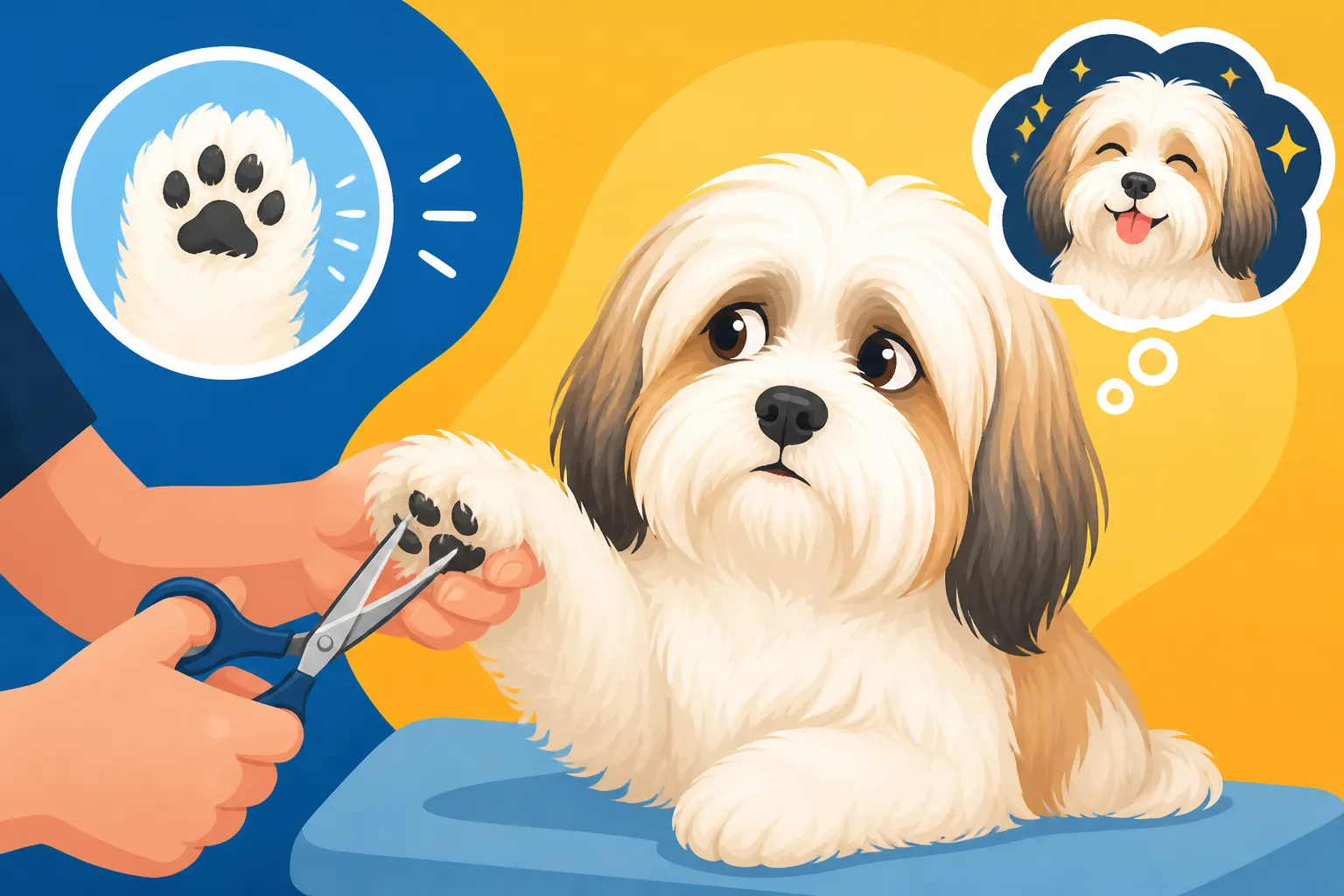
The Havanese boasts a glorious double coat that extends even to their feet, creating what we affectionately call "grinch feet" – those little tufts of hair peeking out between their paw pads. While utterly cute, this hair isn't just for show. It constantly grows, picking up dirt, debris, tiny burrs, and even ice balls in winter. Left untrimmed, it can become matted, forming dense clumps that pull on the skin, causing discomfort and even pain with every step. Imagine walking with a pebble constantly jammed between your toes; that's what matted paw hair can feel like to your Havanese.
Beyond the hair itself, the sheer fluffiness can also obscure their nails, making it a nerve-wracking guessing game to figure out where the quick begins. This often leads to owners trimming too short, causing pain and bleeding, which then makes the dog even more resistant next time. It's a vicious cycle that's easy to fall into, and it certainly doesn't help build trust around their sensitive paws. Our Havanese rely on us to keep them comfortable, but sometimes the very act of trying to help can inadvertently cause them distress.
Beyond Annoyance: The Real Risks of Untrimmed Paws
It might seem like a minor grooming issue, but neglecting your Havanese's feet can lead to significant health and mobility problems. Those long tufts of hair between the pads reduce traction, turning smooth floors into treacherous ice rinks for your agile pup. You might notice your Havanese slipping and sliding more often, which can put undue stress on their joints, especially their delicate kneecaps. This is particularly concerning for a breed prone to conditions like The Kneecaps a Havanese Slips, where stability is key. Regular paw pad trimming provides better grip and reduces the risk of accidental slips and falls, which can lead to more serious injuries over time.
Furthermore, matted hair and overgrown nails create perfect breeding grounds for bacteria and yeast. Moisture gets trapped, leading to painful infections between the toes or under the pads. Overgrown nails themselves can curl under, digging into the paw pad and causing intense pain and lameness. They can also alter your dog's gait, forcing them to walk awkwardly and putting strain on their legs, hips, and back. Whether a Havanese Should Be Kept Slim for Its Joints also plays a role here, as extra weight combined with poor foot care can exacerbate joint issues. It's truly a cascade effect: what starts as a simple hair problem can quickly become a complex health concern impacting your Havanese's overall well-being and happiness.
Decoding Your Havanese's Foot Phobia
It’s easy to feel like your Havanese is being stubborn or difficult when they pull their paw away or snap at the clippers. However, their resistance almost always stems from a place of fear, discomfort, or past negative experiences rather than malice. Understanding why they object is the first step toward building a more positive relationship with foot care.
A Little Too Sensitive: The Physicality of Havanese Paws
Havanese, like many small breeds, can be quite sensitive. Their paws are packed with nerve endings, making them highly responsive to touch and pressure. For a dog that spends its life exploring the world with its feet, any uncomfortable sensation, whether it's the vibration of clippers, the pressure of a scissor blade, or even just the unfamiliar feeling of being held firmly, can be alarming. Their immediate reaction might be to pull away or vocalize their discomfort. They're not being dramatic; they're genuinely feeling something they dislike, and they don't have the words to tell you.
Consider also their natural instincts. Dogs are prey animals, and being held still, especially with their feet exposed, can feel vulnerable to them. It goes against their natural inclination to be ready to move at a moment's notice. If they haven't been slowly desensitized to paw handling from a very young age, this feeling of vulnerability can trigger a strong "fight or flight" response. This is why some Havanese will squirm, cry, or even try to nip – it's their way of saying, "Let me go, I feel unsafe!" Getting a Havanese Used to Brushing as a Puppy touches on similar principles for coat care.
The Memory Game: How Past Experiences Shape Their Reaction
Unfortunately, for many Havanese, negative experiences can quickly create a lasting aversion to foot care. Perhaps their nails were cut too short once, hitting the quick and causing pain and bleeding. Or maybe a hurried grooming session involved too much force, tugging on matted hair, or an uncomfortable hold. Even an owner's anxiety about the task can be picked up by these sensitive dogs, making them anxious in turn. Dogs are incredibly adept at reading our emotions, and if we're tense, they'll often mirror that tension.
Once a negative association is formed, it's incredibly difficult to undo. Your Havanese remembers the pain, the fear, or the discomfort, and they anticipate it every single time you approach with clippers or a brush. This learned aversion can be deeply ingrained, turning what should be a routine maintenance task into a genuine battle. The good news is that with patience, positive reinforcement, and a consistent approach, you can retrain their emotional response. It just takes time and understanding to replace those bad memories with new, positive ones. This is similar to the challenges faced when teaching them Whether a Havanese Fights a Brush.
Making Foot Care a Treat, Not a Trauma
Turning the tide on foot care resistance in your Havanese requires a strategic approach built on patience, positive reinforcement, and consistency. It’s about making the process feel safe, comfortable, and even enjoyable for them, rather than a necessary evil. Think of it as a journey, not a destination – small, consistent steps will lead to long-term success.
The Art of Desensitization and Positive Reinforcement
The cornerstone of successful foot care is desensitization. This means gradually introducing your Havanese to the sensations and tools involved, always pairing them with something wonderfully positive. Start small: simply touch their paw lightly, then immediately offer a high-value treat or praise. Don't try to clip anything yet. Do this several times a day for a few days, gradually increasing the duration and pressure of your touch. Touch each toe, then the pads, then between the pads. The goal is to make them associate paw handling with good things, not scary things.
Once they're comfortable with light handling, introduce the tools. Let them sniff the clippers or scissors. Touch the closed clippers to their paw, then treat. Turn on the clippers (if they're electric) near them, then treat. Never force or rush. If they show any signs of stress – pulling away, licking lips, yawning, or tensing – stop, reset, and go back to an easier step. Short, frequent sessions (just a minute or two) are far more effective than long, stressful ones. The online training resources available, such as those offered by BAXTER & Bella, often provide structured programs for this kind of desensitization, which can be invaluable for owners needing a step-by-step guide.
Essential Tools and Techniques for Happy Paws
Having the right tools makes a huge difference. For nail trimming, choose sharp, appropriately sized clippers (guillotine or scissor-style, whichever you prefer) or a Dremel-style grinder. Grinders can be less frightening for some dogs as they don't "snip" but rather file down the nail. For paw pad hair, small, blunt-nosed grooming scissors or tiny electric clippers are ideal. You can find a good selection of these and other grooming essentials on Amazon. Always make sure your tools are clean and sharp; dull tools can pull hair or crush nails, causing unnecessary discomfort. What Clippers Cost a Havanese Owner can vary, but investing in quality tools pays off.
When it comes to the actual trimming:
- Timing is everything: Choose a time when your Havanese is relaxed, perhaps after a walk or a play session when they're a little tired.
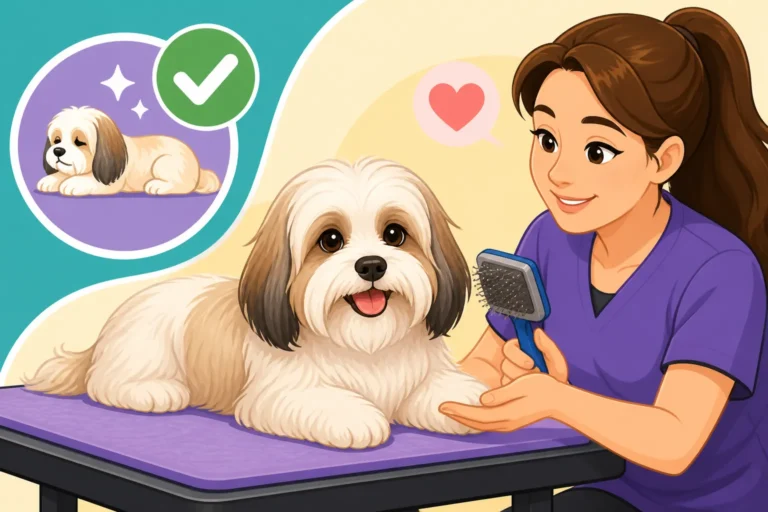
- Secure but gentle hold: Gently but firmly hold their paw, ensuring they feel secure but not trapped. Many Havanese benefit from Teaching a Havanese to Lie Still for Grooming on a grooming table or a non-slip surface at a comfortable height for you.
- Trim little by little: For nails, take off tiny slivers at a time. It’s better to trim a small amount weekly than to attempt a big trim monthly and risk hitting the quick. For paw pad hair, gently spread the pads and carefully trim the hair flush with the pads, being mindful of the skin. Use clippers on a low setting for sensitive areas.
- Positive reinforcement: Keep a steady stream of praise and treats going throughout the process. If they tolerate one nail, celebrate! If they let you trim a bit of paw pad hair, celebrate! End on a positive note, even if you only managed a small part of the task. What a Havanese Needs Every Day definitely includes positive interactions, and grooming should be no different.
| Task Segment | Recommended Approach | Why it Helps |
|---|---|---|
| Paw Handling | Gentle, consistent touches; associate with treats/praise. | Builds positive associations, reduces fear of physical contact. |
| Tool Introduction | Let dog sniff tools; touch closed tools to paw; turn on clippers nearby (if electric). | Familiarizes them with objects and sounds; prevents startling. |
| Nail Trimming | Take tiny bits off; use sharp clippers or grinder; frequent small trims over infrequent large ones. | Minimizes risk of hitting the quick; less painful; builds tolerance gradually. |
| Pad Hair Trimming | Use blunt-nosed scissors or small clippers; spread pads gently; trim flush with pads, not shorter. | Prevents matting and slipping; protects sensitive skin between pads. |
| Overall Experience | Short, frequent sessions; ample high-value treats; praise; end on a positive note. | Reduces stress and overwhelm; reinforces good behavior; creates lasting positive memories. |
When to Bring in the Big Guns: Professional Help and Resources
Sometimes, despite your best efforts, the struggle is just too much. There's absolutely no shame in seeking professional help. In fact, it's often the smartest and kindest thing you can do for both yourself and your Havanese. It prevents further trauma and ensures their essential care is met.
Enlisting the Groomer and Vet for Tricky Toes
A professional groomer is a skilled expert in handling dogs for all aspects of coat and paw care. They have specialized equipment, techniques, and often a calmer, more confident demeanor that can sometimes work wonders where an owner might struggle. Explain your Havanese's aversion clearly, so they can adapt their approach. A good groomer will prioritize your dog's comfort and safety, sometimes even suggesting a series of "happy visits" where your Havanese just comes in for a quick, positive experience without full grooming, slowly building trust. While What a Full Havanese Groom Costs might seem like an expense, the peace of mind and the proper care for your dog's feet are often well worth it.
If your Havanese's resistance is extreme – involving aggression, severe anxiety, or panic attacks – it's time to involve your veterinarian. There might be an underlying pain issue (like arthritis, a hidden thorn, or an infection) that makes paw handling genuinely painful. Your vet can perform a thorough examination to rule out medical causes. In some cases, for highly anxious dogs, they may even discuss mild sedation for grooming appointments to prevent distress, although this is usually a last resort after behavioral modification has been attempted. Whether a Havanese Needs a Professional Trainer can also apply here, as a professional can help unravel complex behavioral issues related to handling.
Learning the Ropes: Training Programs and Online Support
Don't feel like you have to figure this out alone. There's a wealth of knowledge available to Havanese owners. Online dog training platforms, like those offered by BAXTER & Bella, often have dedicated modules on cooperative care and grooming desensitization. These programs provide step-by-step videos and guidance that can be incredibly helpful for owners who want to tackle the problem themselves but need structured support. They teach you how to approach the situation with patience and positive reinforcement, giving you the confidence and techniques to succeed.
Beyond formal programs, there are numerous online communities and forums for Havanese owners. Sharing your struggles and successes with others who understand can provide both emotional support and practical tips. You might discover little tricks that work specifically for your Havanese, or just gain comfort in knowing you're not the only one wrestling with those furry feet. Ultimately, the goal is to make foot care a routine part of your Havanese's life that they tolerate, and perhaps even enjoy, allowing them to live a healthier, happier life free from discomfort. Whether a Havanese Suits a First Time Owner often comes with a learning curve for these types of care issues, and resources like these make a big difference.
Disclaimer
This article is for general informational purposes only and does not constitute professional advice. Laws, prices and regulations vary by location and change over time. Consult a qualified professional for guidance on your specific situation.