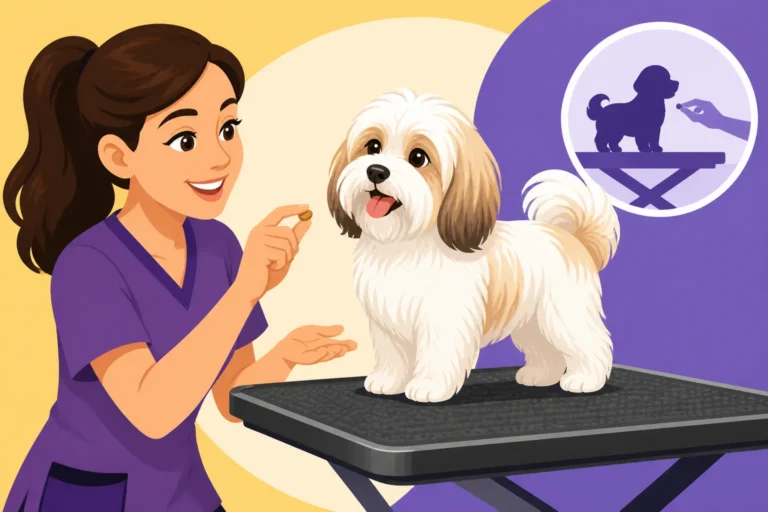
Whether a Havanese Needs Sedation for Grooming
Let's be real, trying to groom a Havanese who absolutely despises it can feel like wrestling a greased-up, fluffy octopus. The nips, the squirming, the sheer terror in their sweet little eyes – it's heartbreaking and exhausting, leaving many of us wondering if sedation is the only way to get through a haircut or nail trim. This guide is here to walk you through why your Havanese might be struggling, when sedation might genuinely be considered (and why it's truly a last resort), and most importantly, how to build a more positive grooming experience for everyone involved.
Understanding Why Grooming Can Be Stressful for a Havanese
It’s easy to feel like your Havanese is just being difficult when grooming turns into a wrestling match, but for many dogs, there's a deep-seated reason for their distress. Havanese, with their sensitive natures and a history of being companion dogs, can be particularly prone to anxiety around new experiences or anything that feels invasive.
The Havanese Temperament and Grooming Sensitivity
Our beloved Havanese are known for being intelligent, affectionate, and quite keen observers. This means they pick up on our moods, the subtle changes in their environment, and can form strong associations, both good and bad. If their first few grooming experiences were frightening or uncomfortable, they can quickly develop an aversion. Their long, flowing coats, while beautiful, require significant maintenance, and if not introduced gently, the brushing, bathing, and clipping can feel overwhelming. Remember, they were bred to be charming companions, not necessarily stoic grooming subjects. Their small size also means they can feel quite vulnerable when being held firmly or manipulated.
Common Grooming Triggers and Fears
Think about it from your Havanese's perspective. The sound of clippers can be loud and startling, especially near their sensitive ears. The sensation of a brush pulling on tangles, or the unfamiliar feeling of water jetting onto their fur, can be genuinely frightening. Nail trims can be particularly traumatic if they've ever been "quick-ed" and experienced pain. Some Havanese also develop fear of specific tools, like a hairdryer, or even the grooming table itself, feeling trapped and elevated. The overall experience of being handled by a stranger, or even by a familiar owner who is feeling stressed and frustrated, only compounds these fears. It’s not just about vanity; it’s about their comfort and sense of safety. For many, it's not the individual act, but the whole production that triggers their anxiety.
The Importance of Early Socialization and Training
One of the biggest factors in a Havanese's grooming tolerance is their early experiences. A puppy that is regularly handled, exposed to gentle brushing, nail trims, and baths from a very young age is far more likely to accept grooming as a normal part of life. This is where early socialization comes into play. It’s not just about meeting other dogs and people; it’s about normalizing everyday things. If you're bringing home a Havanese puppy, start with short, positive sessions. Just a few seconds of brushing, followed by a treat and praise, can lay a fantastic foundation. Learning Getting a Havanese Used to Brushing as a Puppy is paramount. Many excellent online resources, like those offered by BAXTER & Bella, emphasize these crucial early training steps to build confidence and cooperation in puppies, which directly translates to easier grooming down the line.
When Sedation Might Be Considered (and Why It's a Last Resort)
No loving Havanese owner wants to sedate their furry friend just for a haircut. It’s a serious decision with potential risks, and it should absolutely be viewed as a last resort when all other desensitization and positive reinforcement methods have been exhausted.
Medical Conditions That Make Grooming Painful
Sometimes, a Havanese's resistance to grooming isn't just behavioral; it's rooted in physical discomfort. An undiagnosed ear infection can make ear cleaning excruciating. Joint pain, perhaps from a developing condition like a luxating patella or early arthritis, could make standing on a grooming table or having their legs manipulated unbearable. Skin conditions hidden beneath that beautiful coat, like hot spots or allergies, could make brushing painful and lead to a strong aversion. If your Havanese suddenly develops a fear of grooming, or if their resistance intensifies, a visit to the vet for a thorough check-up is always the first step. Rule out pain before assuming it's simply a behavioral issue. An older Havanese, in particular, might be struggling with arthritis in their joints, making standing for long periods or having their limbs stretched uncomfortable. Arthritis in a Havanese at Twelve is a common concern.
Extreme Anxiety or Aggression
In some rare cases, a Havanese's fear of grooming can escalate to extreme anxiety, panic attacks, or even aggression. This isn't your dog "being mean"; it's a fear response. When a dog feels cornered and terrified, their natural instinct is to fight or flee. If fleeing isn't an option, fighting (nipping, biting, growling) becomes their only perceived defense. For these dogs, where the stress is so severe it causes significant distress or poses a risk to themselves or the groomer, chemical restraint might be considered. This could include situations where the dog becomes utterly catatonic with fear, or, conversely, so reactive that even basic handling for vital health checks (like nail trims or ear cleaning) becomes impossible. The goal here isn't convenience, but preventing further trauma and ensuring essential care.
The Risks Associated with Sedation
It’s crucial to understand that sedation is not without risks. Even mild sedatives can have side effects, and some Havanese, especially those with underlying health issues (like a heart murmur or liver problems), can be more sensitive to anesthesia. There's always a risk of adverse reactions, including respiratory depression, blood pressure changes, or prolonged recovery. Furthermore, sedation doesn't address the underlying fear; it merely masks it temporarily. Your Havanese will still wake up with the same negative association with grooming, potentially making future non-sedated sessions even harder. It's a tool to get necessary care done, but it should be accompanied by a long-term plan to address the behavioral component. Discuss all potential risks and benefits thoroughly with your veterinarian before considering this option.
Strategies to Avoid Grooming Sedation for Your Havanese
The good news is that for most Havanese, sedation isn't necessary. There are many steps you can take to make grooming a more tolerable, and even enjoyable, experience for your little companion. It takes patience, consistency, and a whole lot of positive reinforcement.
Building a Positive Grooming Routine at Home
The foundation for stress-free grooming starts at home. Even if you plan on using a professional groomer, daily positive exposure makes a huge difference.
- Start Small and Positive: Begin with just touching their paws, ears, and tail for a few seconds, immediately followed by a high-value treat and praise. Gradually increase the duration and intensity.
- Introduce Tools Gradually: Let your Havanese sniff and investigate the brush, comb, and clippers (while off). Reward them for calm curiosity. Then, turn the clippers on at a distance, pairing the sound with treats. Slowly work closer.
- Desensitize to Brushing: Even if your Havanese fights the brush, start with extremely short sessions (5-10 seconds) of gentle brushing in non-sensitive areas, always ending on a positive note with treats and praise. The key is never to push them to a point of panic. Consistency is more important than length of session. Learning Teaching a Havanese to Lie Still for Grooming involves breaking down the process into tiny, manageable steps.
- Make Bath Time Fun: Use non-slip mats in the tub, warm water, and plenty of praise. Offer a lick mat smeared with peanut butter to distract them. Keep baths short and sweet.
- Practice Nail Trims: Even if you just touch the clippers to one nail and reward, it’s a step forward. You can find excellent, quiet nail grinders on Amazon that many dogs tolerate better than traditional clippers due to the lack of a "snapping" sensation.
- Regularity is Key: Daily short grooming sessions, even just a minute or two, prevent matting and keep your Havanese accustomed to handling. This also means you can avoid painful dematting, which often leads to grooming aversion. How Often a Havanese Must Be Brushed emphasizes this preventative approach.
Finding a Fear-Free Professional Groomer
Not all groomers are created equal, especially when it comes to anxious dogs. Seek out groomers who specifically market themselves as "fear-free," "force-free," or "positive reinforcement" based. These professionals understand canine body language and prioritize your dog's emotional well-being over getting the job done quickly.
- Ask About Their Approach: Inquire about how they handle nervous dogs, what techniques they use, and if they offer "happy visits" where your Havanese can simply come in, get treats, and leave without any actual grooming.
- Consider Shorter Sessions: A fear-free groomer might suggest breaking up the grooming into several shorter sessions, especially for a highly anxious Havanese. This might cost a bit more overall, but it's invaluable for building positive associations.
- Communicate Openly: Be honest about your Havanese's struggles. A good groomer will appreciate the information and work with you to create a tailored plan. If your Havanese bites the groomer, it's a sign of extreme fear, and a specialized approach is definitely needed.
- Check Their Environment: A calm, quiet salon with soft lighting and perhaps even calming pheromone diffusers can make a huge difference compared to a bustling, noisy one.
Exploring Alternative Calming Aids and Techniques
Before jumping to pharmaceuticals, there are several non-prescription calming aids and techniques that might help take the edge off your Havanese's grooming anxiety.
- Calming Chews or Supplements: Many brands offer treats or supplements containing ingredients like L-theanine, chamomile, or tryptophan that can promote relaxation. Start these a few days before a scheduled grooming session.
- Pheromone Products: Adaptil diffusers or sprays mimic the natural calming pheromones produced by mother dogs, creating a sense of security. You can spray these on a bandana for your Havanese to wear during grooming or use a diffuser in the grooming area.
- ThunderShirts or Anxiety Wraps: These provide gentle, constant pressure, similar to swaddling a baby, which can have a profoundly calming effect on some dogs. Put it on your Havanese for short periods before grooming to help them get accustomed to it.
- Distraction and Lick Mats: During grooming, a lick mat covered with frozen peanut butter, plain yogurt, or canned pumpkin can keep your Havanese focused on a positive activity rather than the grooming itself. You can find many options for lick mats on Amazon.
- Calming Music: Some dogs respond well to classical music or specially designed calming dog music playing softly in the background.
Here's a quick comparison of some common calming aids:
| Calming Aid | How It Works | Pros | Cons |
|---|---|---|---|
| Calming Chews/Supplements | Contains natural ingredients to promote relaxation | Non-invasive, easy to administer, many options | Effectiveness varies, takes time to work, might need consistent use |
| Pheromone Products (Adaptil) | Mimics natural dog-appeasing pheromones for a sense of security | Drug-free, subtle, can be used preventatively | Not effective for all dogs, needs to be applied/diffused in advance |
| Anxiety Wraps (ThunderShirt) | Applies gentle, constant pressure to create a calming sensation | Drug-free, immediate effect for some dogs, reusable | Not all dogs respond, can overheat some dogs if worn too long |
| Lick Mats / Distraction | Provides a positive, engaging activity to divert attention | Highly effective for many, food-motivated dogs, reinforces positive feeling | Only works during the activity, can be messy |
| Training & Desensitization | Gradually exposes dog to grooming elements in a positive way | Addresses root cause, long-term solution, builds trust | Requires significant time and patience, results aren't immediate |
Working with Your Vet and Groomer to Create a Plan
If your Havanese continues to struggle with grooming despite your best efforts, it's time to bring in the professionals to collaborate on a comprehensive plan. This multidisciplinary approach can often yield the best results.
Open Communication and Professional Advice
Your veterinarian and professional groomer are your best resources. They’ve seen it all, and they can offer tailored advice for your specific Havanese. Don’t hesitate to schedule a consultation with your vet solely to discuss grooming anxiety. They can assess for underlying pain, discuss behavioral medications that might be used in conjunction with training (not instead of it), and help you understand the appropriate steps. Similarly, find a groomer who is willing to work closely with you and your vet. A good groomer won’t just shave down a matted Havanese and send them home; they’ll communicate concerns and suggest strategies to improve the experience for next time. It’s a team effort, and you are the most important member, advocating for your furry friend.
Behavioral Consultation and Training
For Havanese with severe grooming phobias, a certified professional dog trainer or a veterinary behaviorist can be invaluable. These experts specialize in modifying fear-based behaviors through positive reinforcement techniques. They can help you identify triggers, teach you specific counter-conditioning exercises, and build your Havanese's confidence around grooming tools and handling. They might recommend specific protocols for things like Whether a Havanese Tolerates a Dryer or how to make nail trims less scary. This kind of specialized training, though an investment, can transform your Havanese's relationship with grooming and potentially eliminate the need for sedation entirely. Remember, calming aids are supportive tools; dedicated behavioral training is often the long-term solution.
Understanding the Sedation Process if Necessary
If, after exploring all other avenues, sedation is deemed necessary for your Havanese's well-being and ability to receive essential care, your vet will guide you through the process. They will conduct a pre-sedation physical exam and possibly blood work to ensure your Havanese is healthy enough. They will discuss the specific medications they plan to use, their effects, and potential side effects. Sedation for grooming is typically light to moderate, aiming to relax your dog enough to allow for safe handling without rendering them fully unconscious. They will monitor your Havanese closely throughout the procedure and during recovery. Always ensure you understand the post-sedation care instructions fully, including any restrictions on food, water, or activity, and what signs to watch for that might indicate a complication. While it's a last resort, knowing the process can help ease your own anxieties about it.
Disclaimer
This article is for general informational purposes only and does not constitute professional advice. Laws, prices and regulations vary by location and change over time. Consult a qualified professional for guidance on your specific situation.