Whether a Havanese Is Good With Babies
Bringing a new baby into a home that already has a beloved Havanese is a truly exciting time, but if you're like most pet parents, you're probably feeling a healthy dose of anxiety about how your furry friend will react. It’s completely natural to worry about the dynamic shift, especially when you have a small dog and a tiny human. This guide will walk you through everything you need to know about preparing your Havanese for a baby, managing those crucial first introductions, and ensuring a peaceful, loving co-existence for years to come.
Understanding the Havanese Temperament Around Children
Before diving into preparation, it's really helpful to understand the core personality of your Havanese and how that might translate when a new baby enters the picture. These little dogs are deeply embedded in their families, and that connection is both a blessing and something to manage carefully with such a big life change.
Natural Inclinations of the Havanese Breed
Havanese are often described as "Velcro dogs" for a reason – they thrive on companionship and want to be involved in everything you do. This inherent desire to be close to their human family is a huge advantage when it comes to babies, as it means they are usually predisposed to accept new family members. They are generally loving, playful, and genuinely enjoy being part of the action. They're intelligent little fluffballs, too, which means they can learn routines and boundaries fairly quickly with consistent guidance. Many Havanese possess a gentle nature, making them naturally inclined to be soft and careful, especially once they understand the fragility of a baby.
However, their small stature can sometimes be misleading. While they are toy dogs, they're not necessarily "fragile" in the sense that a tiny teacup breed might be. A well-bred Havanese is quite sturdy for its size, but they still require appropriate handling. Their adaptable nature means they can often adjust to new situations, provided they feel secure and are introduced to changes gradually and positively. They are also highly sensitive to their owners' emotions, which means if you're stressed, they'll pick up on it. Keeping your own anxiety in check will greatly help your Havanese navigate this new experience.
Potential Challenges and Considerations
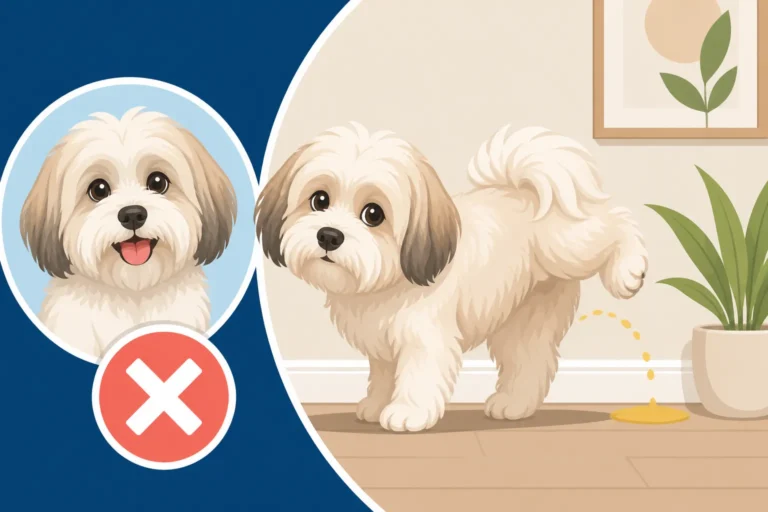
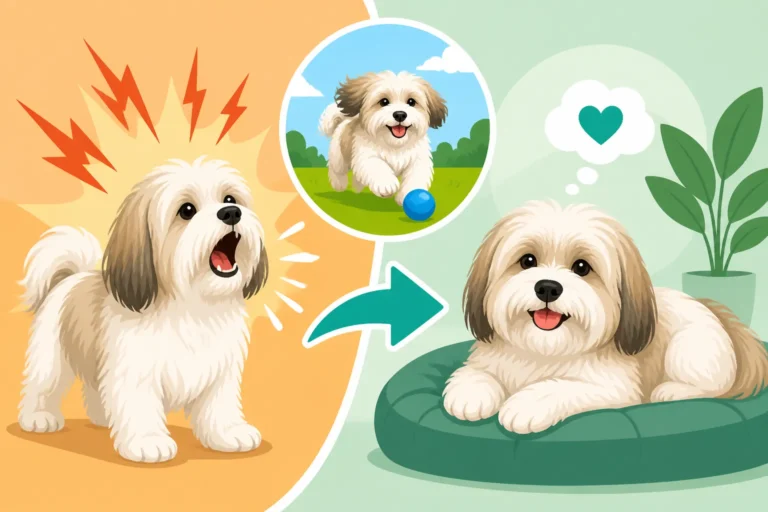
Despite their wonderful traits, there are certainly aspects of the Havanese temperament that need consideration when introducing a baby. One common Havanese trait is a tendency to be quite vocal. The Barking a Havanese Does at Every Sound can be particularly challenging with a sleeping baby, or when a sudden baby cry startles them. They are also sensitive creatures, and a baby's sudden movements, loud wails, or unpredictable flailing could be perceived as alarming or even threatening by a Havanese who isn't prepared. This isn't aggression; it's often a startle response from a small animal.
Another potential issue could arise if your Havanese has any tendencies towards resource guarding. This isn't unique to Havanese, but if your dog is particularly protective of their food, toys, or even your lap, introducing a baby who will inevitably command a huge amount of your attention and occupy your lap could lead to jealousy or behavioral issues. Past experiences also play a role; if your Havanese has never been around children, or worse, had a negative experience, they might be more apprehensive. Their size, while generally making them less intimidating to a baby, also makes them vulnerable to accidental rough handling once the baby becomes a toddler. A Havanese might instinctively nip if their ear or tail is pulled, purely out of self-preservation. It's crucial to understand these potential hurdles so you can proactively address them.
Preparing Your Havanese for a New Baby's Arrival
The key to a smooth transition is preparation, and it starts long before the baby comes home. Think of it as a gentle desensitization program for your Havanese, helping them associate all things "baby" with positive experiences.
Gradual Introduction to Baby Sights, Sounds, and Smells
Start early, ideally months before your due date. Begin by setting up baby furniture like the crib, changing table, and swing. Let your Havanese sniff around these new items, but establish boundaries immediately. This means no jumping into the crib or using the changing table as a new resting spot. You can make these boundaries clearer by using baby gates or playpens to define areas as "baby zones" even before the baby arrives. Allowing them to explore these items under supervision, followed by a treat for calm behavior, helps build positive associations.
Next, introduce baby sounds. There are many apps and online resources that offer recordings of baby cries, coos, and gurgles. Start playing these sounds at a very low volume during positive activities, like mealtime or a favorite play session. Gradually increase the volume over several weeks. The goal is for your Havanese to hear these sounds and think, "Oh, this means good things happen!" rather than being startled or alarmed.
Finally, tackle smells. Before the baby comes home from the hospital, have a family member bring home a blanket or piece of clothing the baby has worn. Let your Havanese sniff it thoroughly, perhaps while on a leash for control, and then reward them with a high-value treat for their calm investigation. This allows them to become familiar with the baby's unique scent in a relaxed, non-threatening environment before the actual introduction.
Reinforcing Training and Boundaries
Now is the time to really polish those basic obedience commands. "Sit," "stay," "down," and "leave it" will become invaluable. A strong "stay" can keep your Havanese calmly on their bed while you're attending to the baby. "Leave it" is essential for when a baby toy is dropped or when the baby starts reaching for your dog. Consider teaching a "place" command, designating a specific mat or bed as their safe spot to go to and relax. This gives them a clear directive and a retreat when things get busy. Many owners find online training programs incredibly helpful for this, as they can fit into busy schedules. Services like BAXTER & Bella offer comprehensive online puppy and dog training programs that can be tailored to preparing your dog for a new family member, covering everything from basic manners to more advanced cues.
Practicing good door manners is also crucial; you don't want your Havanese jumping on you while you're holding a newborn. If your Havanese has a tendency to follow you into every room, which is a common trait for these companion dogs, practice having them stay in one room for short periods. This helps them adjust to not being constantly attached to your hip, which will inevitably happen once the baby is here. Why a Havanese Follows You Into Every Room explains why this attachment is so strong. Another practical tip is to start taking your Havanese on walks with an empty stroller. This helps them get used to the new equipment and routine without the added stress of a baby. For walks, ensure your Havanese is comfortable and secure in their harness, as a proper fit helps with control. Whether a Havanese Should Wear a Harness offers good insights into this.
Creating Safe Spaces for Both Baby and Dog
Establishing clear, safe zones for both your Havanese and your baby is perhaps one of the most critical steps. Your Havanese needs a secure, quiet place where they can retreat and be undisturbed. This could be their crate, a cozy dog bed in a quiet corner of a room, or even an elevated dog bed found on Amazon that gives them a sense of security. Teach family members and visitors that this is your dog's private sanctuary and they should not be bothered when they are in their space.
For the baby, baby gates are your best friend. They allow you to create distinct baby-only zones where your Havanese cannot access without supervision. This is not about punishing your dog but about preventing accidents and giving both species space to decompress. A playpen for the baby can serve a similar purpose, providing a safe bubble when you need to step away for a moment. Never, ever leave your Havanese unattended with your baby, no matter how much you trust your dog. Even the gentlest Havanese can react unexpectedly to a baby's sudden movement or cry, and a baby, even a seemingly immobile one, can inadvertently startle or harm a small dog.
The First Introductions and Ongoing Management
The moment your baby comes home is monumental. Managing this period with calm and consistency will lay the groundwork for a positive relationship between your Havanese and your new family member.
The Initial Meeting – Controlled and Calm
When you first arrive home from the hospital, have one parent go inside first to greet your Havanese alone. This allows your dog to get that initial burst of excitement out of the way and have a moment of focused attention from their beloved human. Once the Havanese has calmed down, the other parent can bring the baby inside.
During the very first meeting, it's wise to have your Havanese on a loose leash, not to restrain them aggressively, but to give you a gentle means of control if they get too excited or nervous. Allow your Havanese to approach the baby calmly, perhaps sniffing the baby's feet or back while you are holding them securely. Reward any calm, curious behavior with praise and high-value treats. Avoid forcing interactions. Some Havanese will be immediately curious, others might be hesitant, and both are completely normal reactions. Keep these first introductions very short, positive, and supervised. Remember, this is a process, not a one-time event. A Havanese in a House With Children offers broader perspectives on dog-child integration.
Establishing New Routines and Attention Management
Life with a newborn is all about new routines, and your Havanese needs to be integrated into these changes. Try to maintain as many of your Havanese's old routines as possible, especially feeding times and walk schedules. If you used to have long snuggle sessions on the couch, try to carve out even five or ten minutes a day for dedicated one-on-one time with your Havanese. This reassures them that they are still loved and important, helping to prevent feelings of jealousy or neglect which can lead to behavioral issues like increased barking or destructive chewing.
When you're with the baby, involve your Havanese in a calm way. For example, if you're sitting and feeding the baby, you could gently pet your Havanese with your free hand or give them a puzzle toy or a long-lasting chew to keep them engaged nearby. This helps them associate the baby's presence with positive, calm experiences. Never feed your Havanese from the table when the baby is present, and ensure their mealtime and eating spot remain consistent and undisturbed. While it's tempting to focus solely on the baby, your Havanese still needs mental and physical stimulation. The Havanese That Cannot Be Left Alone touches on how important consistent attention is for their well-being. Ensuring they get their daily walks and some playtime will keep them happier and more settled. What a Havanese Needs Every Day provides a good overview of their daily needs.
Supervision and Reading Body Language
Active, engaged supervision is non-negotiable. This means you are constantly watching your Havanese's body language when they are in the same room as the baby. Don't assume everything is fine; learn to read the subtle signals your Havanese might be sending. Signs of stress can include lip-licking, yawning (when not tired), "whale eye" (where the whites of their eyes are visible), a low or tucked tail, pinned ears, stiff posture, or attempting to hide or move away. If you see any of these signs, it's a clear indication that your Havanese is uncomfortable and needs space. Immediately and calmly remove them from the situation or remove the baby.
As the baby grows and becomes more mobile, the supervision becomes even more critical. Whether a Havanese Is Fragile Around Children highlights the importance of protecting your small dog from accidental harm, which can prevent defensive reactions. You are your Havanese's advocate, protecting them from inadvertent rough handling and, in turn, protecting your baby from potential nips. This level of vigilance continues until your child is old enough to understand and respect a dog's boundaries, which for most children, isn't until they are school-aged.
Common Scenarios and Troubleshooting
Life with a Havanese and a growing baby will inevitably present new challenges. Being prepared for these common scenarios can make a world of difference.
When the Baby Starts Moving
This is often the trickiest stage. A crawling or cruising baby sees the Havanese as a fascinating, furry, moving toy. They'll grab ears, pull tails, and generally be very unpredictable. This is where your established safe spaces and boundaries become even more vital. Maintain the use of baby gates to keep the baby and Havanese separate when you can't offer 100% active supervision.
Teach your Havanese the "leave it" command for when the baby drops food or toys, and eventually, for when the baby attempts to grab them. Also, focus on teaching your baby gentle touches as soon as they are old enough to understand, demonstrating how to pet softly rather than grabbing. Remember, it's never the Havanese's fault if they react defensively to pain. Whether a Child Can Injure a Havanese by Dropping It is a critical read to understand the physical vulnerability of your dog to a clumsy or curious child. If the baby is constantly harassing the dog, the dog will eventually react. Your role is to prevent this by intervening before the Havanese feels the need to defend itself.
Addressing Growling or Nipping
A growl from your Havanese is a warning signal, a way of saying, "I'm uncomfortable, please stop." It's incredibly important not to punish a growl. Punishing a growl teaches your dog to suppress that warning, meaning they might go straight to a nip or bite next time without any prior signal. Instead, if your Havanese growls, immediately and calmly separate them from the baby. Then, assess the situation: What triggered the growl? Was the baby too close, making a sudden noise, or reaching for something?
Once separated, you need to implement stricter management to prevent that situation from recurring. This might mean more baby gate usage, more supervised "place" time for your Havanese, or a re-evaluation of how close they are allowed to interact. If nipping occurs, even a small one, it's a serious sign that you need professional help. Consult with a certified professional dog trainer or a veterinary behaviorist immediately. They can help you understand the root cause of the behavior and develop a safe management and modification plan.
Managing Excitement and Over-Stimulation
Havanese can be enthusiastic, and their excitement can sometimes be overwhelming for a baby or small child. If your Havanese gets overly stimulated, perhaps zoomies around the room when the baby starts giggling loudly, use your "place" command to send them to their safe spot for a few minutes to decompress. You can also offer a favorite chew toy or a calming treat (many brands are available on Amazon) to help them settle down.
Ensure your Havanese is still getting enough appropriate exercise and mental stimulation that is separate from baby-related activities. A good walk, a game of fetch in the yard, or a training session focused on tricks can help burn off excess energy and provide them with much-needed individual attention. What a Havanese Needs Beyond a Walk highlights the importance of consistent mental and physical activity. A well-exercised and mentally engaged Havanese is generally a calmer Havanese.
Here’s a quick overview of some essential "Dos and Don'ts" to keep in mind:
| Do's | Don'ts |
|---|---|
| Do prepare your Havanese well in advance. | Don't assume your Havanese will instantly love the baby. |
| Do create separate safe spaces for both. | Don't leave your Havanese and baby unsupervised. |
| Do introduce baby smells and sounds gradually. | Don't punish growling – it's a vital warning signal. |
| Do reward calm and gentle behavior. | Don't neglect your Havanese's needs for attention. |
| Do actively supervise all interactions. | Don't allow rough play or grabbing from the baby. |
| Do seek professional help if aggression arises. | Don't force interactions between dog and baby. |
With careful planning, consistent routines, and vigilant supervision, a Havanese can absolutely be a wonderful companion for a baby as they grow. It's a journey that requires patience and dedication, but the bond that can form between your Havanese and your child is truly special and worth every effort. Your Havanese loves being part of the family, and with the right guidance, they will embrace their newest, smallest family member with a calm and gentle heart.
Disclaimer
This article is for general informational purposes only and does not constitute professional advice. Laws, prices and regulations vary by location and change over time. Consult a qualified professional for guidance on your specific situation.