Whether a Havanese Belongs at a Dog Park
It’s a scenario many Havanese owners find themselves pondering: you see those sprawling, fenced-in spaces where dogs of all shapes and sizes romp freely, and you wonder if your sweet, fluffy Havanese would thrive there. The allure of a dog park is strong – a place for exercise, socialization, and seemingly endless fun. But before you clip on the leash and head out, it’s crucial to understand that not every dog, especially not every Havanese, is built for the often-unpredictable environment of a public dog park. This guide will explore whether a dog park is truly the best fit for your Havanese, considering their unique temperament, physical vulnerabilities, and alternative ways to ensure they live their best, happiest life.
Understanding Your Havanese's Nature and Dog Park Dynamics
Havanese are known for their charming, affectionate, and intelligent personalities. They were bred as companion dogs, specifically to entertain and interact with their human families. This history shapes their approach to the world, and by extension, to other dogs. While they can be social butterflies, their small size and sensitive nature mean they perceive and react to situations differently than, say, a boisterous Labrador or a confident German Shepherd.
The Havanese Temperament in a Crowd
Your Havanese is likely a delightful shadow, following you from room to room, eager to be involved in whatever you're doing. This deep bond with their human family is a hallmark of the breed. When it comes to other dogs, a well-socialized Havanese can be quite friendly, playful, and even a bit mischievous. However, they aren't typically the type to relish rough-and-tumble play with larger, stronger dogs. Their play style often involves quick dashes, elaborate bows, and gentle nips, which can easily be misunderstood or overlooked by bigger, more physical breeds.
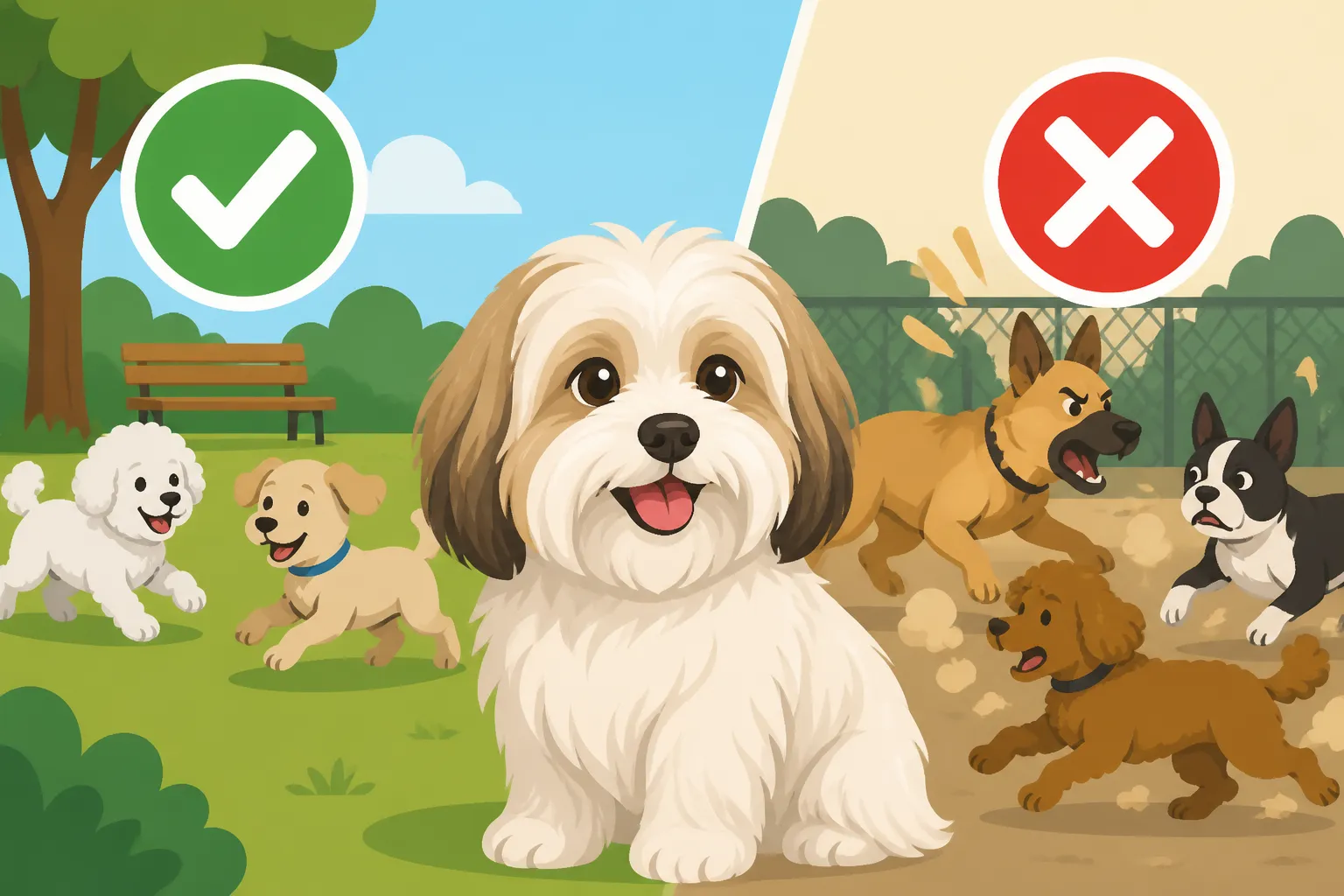
Imagine your little one, perhaps only 7 to 13 pounds, trying to engage with a fifty-pound dog whose idea of play involves full-body tackles. It’s not just a mismatch in play styles; it’s a potential physical hazard. While some Havanese are fearless, others are more reserved, and the sheer volume of unfamiliar dogs and the cacophony of barking and running can be overwhelming for their sensitive ears and nervous systems. It’s important to remember that dog parks are often a melting pot of different personalities and temperaments, and not all dogs are as well-mannered or supervised as they should be.
Size Matters: Physical Vulnerabilities
This is perhaps the most critical factor when considering a dog park for your Havanese. Their diminutive size, coupled with delicate bones and joints, makes them particularly vulnerable to accidental injury. A playful bump from a larger dog, even one with no ill intentions, could result in serious harm. We're talking about anything from a sprain to a fractured bone. It’s a heartbreaking reality that many small dog owners have faced.
Beyond the obvious impact injuries, there are other considerations. Havanese are prone to certain health conditions, like The Kneecaps a Havanese Slips (luxating patellas), which make them even more susceptible to injury from sudden movements, rough play, or an awkward landing. Even without a pre-existing condition, a misstep in a chaotic environment can lead to a trip to the emergency vet. It's a constant worry for those of us with tiny companions.
Consider the layout of many dog parks: they're often open spaces with various terrain, from grass to gravel, and sometimes even a few dips or small hills. While this is great for larger, agile breeds, it can be a minefield for a Havanese, especially if they are trying to navigate it while avoiding larger, faster-moving dogs. Their springy gait is adorable, but it doesn't always stand up to unexpected collisions.
The Risks and Rewards of Dog Parks for Havanese
Deciding whether to take your Havanese to a dog park involves weighing the potential benefits against the very real risks. It’s not a one-size-fits-all answer, as every Havanese has their own unique personality and every dog park its own distinct atmosphere.
Potential Rewards: Socialization and Exercise (with caveats)
In an ideal world, a dog park offers excellent opportunities for socialization. A Havanese benefits greatly from positive interactions with other dogs to build confidence and refine their social skills. They need to learn how to greet appropriately, how to read canine body language, and how to engage in healthy play. When these interactions are positive, it can enrich their lives immensely.
A dog park can also provide a burst of exercise, allowing your Havanese to stretch their legs and burn off energy in a larger space than your backyard might offer. This can be particularly appealing if you live in an apartment and your daily walks are primarily on-leash. How Much Exercise a Havanese Needs might surprise some, as these little dynamos often have more energy than their size suggests, and a good run can do wonders for their physical and mental well-being.
However, these "rewards" come with significant caveats. The socialization must be positive and safe. A single traumatic experience with an overly assertive or aggressive dog can undo weeks or months of careful socialization work, potentially leaving your Havanese fearful or reactive towards other dogs in the future. And the exercise must be appropriate and controlled to avoid injury. Unfortunately, many dog parks fall short on both these fronts.
The Risks: Injury, Illness, and Behavioral Issues
The risks often outweigh the benefits for a small, sensitive breed like the Havanese.
- Physical Injury: As mentioned, this is the biggest concern. A Havanese can easily be trampled, bowled over, or unintentionally injured by a larger, rambunctious dog. Even a good-natured playful chase can end badly if a larger dog doesn't realize the size difference. I've heard too many stories of little dogs coming home with limps, punctures, or worse, just from a seemingly innocent game of tag gone wrong.
- Contagious Illnesses: Dog parks are communal spaces where many dogs converge, and unfortunately, this means a higher risk of exposure to various parasites and contagious diseases. Even if your Havanese is up-to-date on all vaccinations and parasite prevention, there's always a chance of encountering something undesirable, especially from dogs whose owners might not be as diligent. Kennel cough, parvovirus, giardia, and even fleas and ticks can spread quickly in such environments.
- Behavioral Issues: This is a silent risk that often goes unnoticed until it's too late.
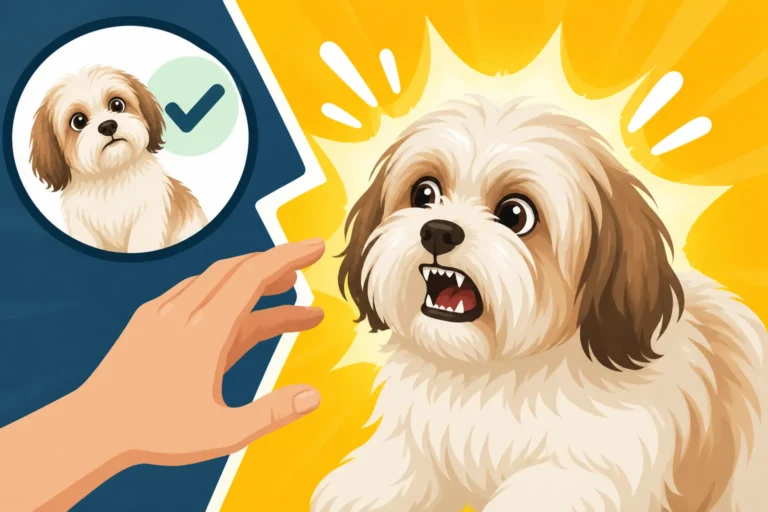
- Fear and Reactivity: A Havanese that is consistently overwhelmed or scared at a dog park can develop fear-based aggression or reactivity. They might start growling or snapping at other dogs, not because they're truly aggressive, but because they're trying to ward off perceived threats.
- Bullying and Resource Guarding: While less common for Havanese to be the bullies, they can certainly be the victims of bullying. Also, dog parks often have communal water bowls or toys, which can trigger resource guarding in some dogs, leading to altercations.
- Undesirable Habits: Your Havanese might pick up bad habits from other dogs, such as excessive barking (especially if you have a Havanese that Whether a Havanese Barks at Every Noise), jumping on people, or ignoring recalls in a high-distraction environment.
- Lack of Supervision and Control: The biggest variable at any dog park is always the other owners. Not everyone understands canine body language, and not everyone is vigilant about supervising their dog. You might encounter dogs who are overly dominant, poorly socialized, or even aggressive, whose owners are more interested in their phones than their pets. This lack of consistent control from other park-goers creates an unsafe environment for your Havanese, who relies on you for protection.
Consider this comparison of risk versus reward:
| Factor | Potential Rewards for Havanese (with caveats) | Potential Risks for Havanese |
|---|---|---|
| Socialization | Exposure to diverse dogs, learning canine etiquette (if interactions are positive) | Overwhelm, fear, developing reactivity, negative encounters, bullying |
| Exercise | Off-leash running in a larger space, burning energy | Accidental injury (trampling, falls), overexertion in high temperatures |
| Mental Stim. | New sights, sounds, smells; problem-solving (navigating park) | Stress, anxiety, sensory overload, developing undesirable behaviors |
| Safety | Supervised play in a contained area (if park is well-managed) | Injury from larger dogs, exposure to illness, fights, inadequate supervision |
Ultimately, while the idea of a dog park might seem appealing, the risks for a small, beloved Havanese often far outweigh the fleeting benefits, particularly when safer and more controlled alternatives exist.
Preparing Your Havanese for a Dog Park (If You Choose To Go)
If, after careful consideration, you still feel a dog park might be a viable option for your Havanese, preparation is absolutely key. This isn't something you just jump into on a whim. It requires thoughtful training, a keen understanding of your dog, and a commitment to vigilant supervision.
Foundational Training and Socialization
Before even stepping foot into a dog park, your Havanese needs to have rock-solid obedience skills, especially a reliable recall. Imagine the terror of your little one bolting towards a busy street or getting into a scuffle, and they won't come when called. That's why training is paramount. Consider an online training program like BAXTER & Bella, which can help you build these essential skills from the comfort of your home. It’s about creating a strong bond and clear communication, so your Havanese trusts you and responds even with distractions.
Beyond basic commands, early and positive socialization is crucial. This doesn't mean throwing them into the deep end of a chaotic dog park. Instead, it involves carefully orchestrated, positive encounters with a variety of dogs, people, and environments when they are a puppy. The First Year With a Havanese Puppy is a critical period for this. Think about puppy classes, playdates with known, calm dogs of various sizes, and short, controlled visits to pet-friendly stores where they can observe from a safe distance. The goal is to build confidence, not fear. Your Havanese should be comfortable around other dogs, not overwhelmed or defensive. If your Havanese is Whether a Havanese Is Wary of Strangers or other dogs, a dog park is not the place to "fix" that; it will likely make it worse.
Choosing the Right Park and the Right Time
Not all dog parks are created equal. If you decide to go, scout out your local options. Look for parks with a dedicated small dog area, which provides a much safer environment for a Havanese. These areas are typically designed for dogs under a certain weight limit, minimizing the risk of accidental injury from larger, more boisterous breeds. Observe the regulars: are the dogs well-behaved? Are the owners attentive? A park filled with unsupervised, unruly dogs is a definite no-go.
Timing is also critical. Avoid peak hours when the park is overcrowded and chaotic. Early mornings or late evenings might offer a calmer experience with fewer dogs. The weather can also play a role; on scorching summer days, your Havanese can easily overheat, especially if they're running around with a long coat. Conversely, icy conditions in winter can be treacherous for their delicate paws and joints.
Always go prepared. Bring your own water and a portable bowl to avoid communal bowls, which can spread germs. Have treats for positive reinforcement and an extra leash for quick control. And always be ready to leave at a moment's notice if the environment becomes unsafe or overwhelming for your Havanese.
Your Role as a Vigilant Advocate
When you are at the dog park, you are your Havanese's primary protector and advocate. This means constant, active supervision. Put away your phone. Don't engage in long conversations with other owners that distract you. Your eyes should be glued to your Havanese and the dogs around them.
Look for signs of stress or discomfort in your Havanese: tail tucked, ears back, lip licking, yawning, trying to hide behind your legs, or excessive panting. Pay attention to other dogs' body language too: stiff bodies, direct stares, raised hackles, or overly intense play are all red flags. If you see any signs that your Havanese is uncomfortable, or if another dog is being too rough, calmly intervene and remove your Havanese from the situation. This might mean simply walking to another area of the park or, more often, leaving entirely.
Remember, a dog park visit should be enjoyable for your Havanese, not a source of stress or danger. If you find yourself constantly anxious or intervening, it's a clear sign that the dog park isn't the right environment for your little companion. Your Havanese relies on you to make smart choices for their safety and well-being.
Alternatives to Dog Parks for Havanese Socialization and Exercise
If the thought of a dog park still makes you nervous, or if your Havanese simply doesn't enjoy them, don't despair! There are countless wonderful ways to provide your beloved companion with plenty of exercise, mental stimulation, and safe socialization opportunities without ever stepping foot into a bustling public dog park. Many of these alternatives offer more controlled environments where your Havanese can truly thrive.
Structured Playdates and Small Group Encounters
One of the best alternatives is setting up controlled playdates with known, friendly dogs. This allows your Havanese to socialize with companions you trust, whose temperaments and vaccination statuses you're familiar with. Start with one-on-one playdates in a fenced yard or a neutral, quiet space. Gradually, you might introduce them to a small group of two or three other dogs, always ensuring the play remains appropriate and gentle.
Consider joining a local Havanese breed club or a small dog meetup group. These groups often organize walks or fenced play sessions specifically for smaller breeds, creating a more harmonious environment where everyone is on a more even playing field. This is an excellent way for your Havanese to make friends their own size and for you to connect with other Havanese owners who understand the breed's unique needs. You can often find such groups through online forums, local pet stores, or even social media platforms.
Doggy Daycare and Supervised Playgrounds
For regular socialization and exercise, a reputable doggy daycare can be a fantastic option. Look for facilities that separate dogs by size and temperament and that have trained staff actively supervising play. Ask about their protocols for introducing new dogs, their sanitation practices, and what measures they take to prevent injuries. A good daycare will have plenty of space, engaging activities, and attentive caregivers who can ensure your Havanese gets positive interactions and plenty of fun throughout the day.
Some communities also have private, supervised dog playgrounds or training centers that offer structured play sessions. These often come with a fee but provide a much safer, cleaner, and more controlled environment than a public dog park. The staff are typically knowledgeable in canine behavior and can help mediate interactions, ensuring everyone has a good time without incident.
Engaging Activities at Home and On Walks
Never underestimate the power of quality time and engaging activities right at home or during your daily outings. What a Havanese Needs Beyond a Walk might include puzzle toys, which are fantastic for mental stimulation, or even learning new tricks. Havanese are incredibly smart and love to please, so training sessions can be a fun and bonding experience. Toys purchased from retailers like Amazon can be excellent tools for enrichment. Interactive toys, snuffle mats, and durable chew toys can keep them entertained and mentally engaged.
Your daily walks, even on a leash, are crucial for physical exercise and sniffing out the neighborhood's "news." Vary your routes to keep things interesting. Explore different parks (on-leash, of course!), nature trails, or even pet-friendly shops. These outings provide novelty, exposure to different sights and sounds, and a chance to bond with you. Just make sure your Havanese is wearing a comfortable harness, which is generally better for their delicate necks than a collar, especially for a breed prone to Whether a Havanese Gets a Collapsing Trachea.
Consider enrolling in positive reinforcement obedience classes or even trick training classes. These not only strengthen your bond and your dog's skills but also provide a structured environment for controlled socialization. Your Havanese will learn to focus on you even with other dogs present, and the positive experiences will build their confidence in a safe, fun way. BAXTER & Bella also offers extensive resources that can guide you through these types of training at home or as preparation for classes.
Ultimately, whether your Havanese ever sets paw in a dog park is a personal decision, but it's one that should be made with careful consideration of their safety, temperament, and physical well-being. There are so many wonderful ways to provide a fulfilling life for your Havanese that don't involve the inherent risks of a public dog park.
Disclaimer
This article is for general informational purposes only and does not constitute professional advice. Laws, prices and regulations vary by location and change over time. Consult a qualified professional for guidance on your specific situation.