How Far a Havanese Should Walk Daily
One of the most common questions I get from fellow Havanese parents is about exercise: how much is enough, and how much is too much? We see these adorable little furballs, often pictured lounging on luxurious pillows, and we might assume they're just tiny couch potatoes. But then, they have these bursts of energy that make you wonder if you're doing enough to keep them happy and healthy. This guide is here to shed light on what a realistic daily walking routine looks like for your Havanese, ensuring they get the right balance of physical activity and mental stimulation without overdoing it.
Understanding Your Havanese's Energy Levels and Needs
It's easy to look at a Havanese and think they're fragile or simply content with a short stroll around the block. While they certainly excel at being charming lap dogs, there's a vibrant, active spirit beneath that silky coat. Understanding their inherent nature is the first step to figuring out their ideal walk routine.
The "Velcro Dog" Nature and Why It Matters
If you own a Havanese, you know exactly what I mean by "Velcro dog." They tend to stick to you like glue, following you from room to room, often preferring to be in the same space as their favorite human. This deeply ingrained desire for companionship is a huge part of their charm, but it can also sometimes be misinterpreted when it comes to exercise. You might think, "Oh, they just want to snuggle, they don't need a big walk," when in reality, they want to do things with you – and that often includes going on adventures, big or small.
Their "Velcro" tendency means that a walk isn't just about physical exertion; it's about shared experience. They thrive on being part of your daily routine, and exploring the world by your side. If you're heading out for a walk, your Havanese will likely be thrilled to join, not just for the exercise, but for the quality time and connection. This makes walking a fantastic bonding activity and a crucial part of meeting their emotional needs, not just their physical ones. It's about engagement, not just distance.
Age and Health as Key Factors
Just like with people, a Havanese's exercise needs shift significantly throughout their life. A bouncy, rambunctious puppy has different requirements than a stately senior dog. Ignoring these life stages can lead to either an under-exercised, mischievous pup or an over-exerted, uncomfortable older dog.
Puppies, for instance, have short bursts of incredible energy followed by long naps. Their bones and joints are still developing, so long, strenuous walks are actually detrimental. Think multiple short, playful outings rather than one epic trek. As they mature into adulthood, their stamina increases, and they can handle more sustained activity. But even then, you need to be mindful. For our older Havanese, particularly those entering their golden years, Caring for a Havanese Past Twelve means walks become more about gentle exploration and maintaining mobility. Short, slow sniff walks become precious, allowing them to enjoy the world at their own pace without strain.
Furthermore, health conditions play a huge role. A Havanese dealing with a condition like The Kneecaps a Havanese Slips (luxating patellas) or Mitral Valve Disease in an Older Havanese will have a vastly different capacity for exercise. It's vital to consult with your vet about appropriate activity levels if your Havanese has any existing health issues. They can guide you on what's safe and beneficial, ensuring you don't inadvertently exacerbate a condition.
Individual Personality and Breed Tendencies
While the Havanese breed has a general reputation for being adaptable and moderately energetic, it's crucial to remember that every dog is an individual. You might have a Havanese who could happily trot alongside you for miles, or one who prefers a more leisurely pace with plenty of stops for sniffing. These personality quirks are what make each of our dogs so special, but they also mean there's no single "right" answer for every Havanese.
That said, the breed's history as a "circus dog" in Cuba gives us a clue to their underlying athleticism and intelligence. They were bred to entertain, to be agile and quick-witted. This means they often enjoy activities that challenge both their bodies and minds. A simple walk can be transformed into an enriching experience by incorporating a little bit of training, new sights, or even a bit of off-leash exploration in a safe, enclosed area. They generally aren't marathon runners, but they're certainly not lazy either. Their default setting isn't "sedentary"; it's usually "ready for anything with you."
Setting Realistic Daily Walk Expectations
So, with all that in mind, what's a reasonable expectation for how far or how long your Havanese should walk each day? It's about finding that sweet spot where they're adequately exercised but not exhausted or overstimulated.
The "Goldilocks" Zone: Not Too Much, Not Too Little
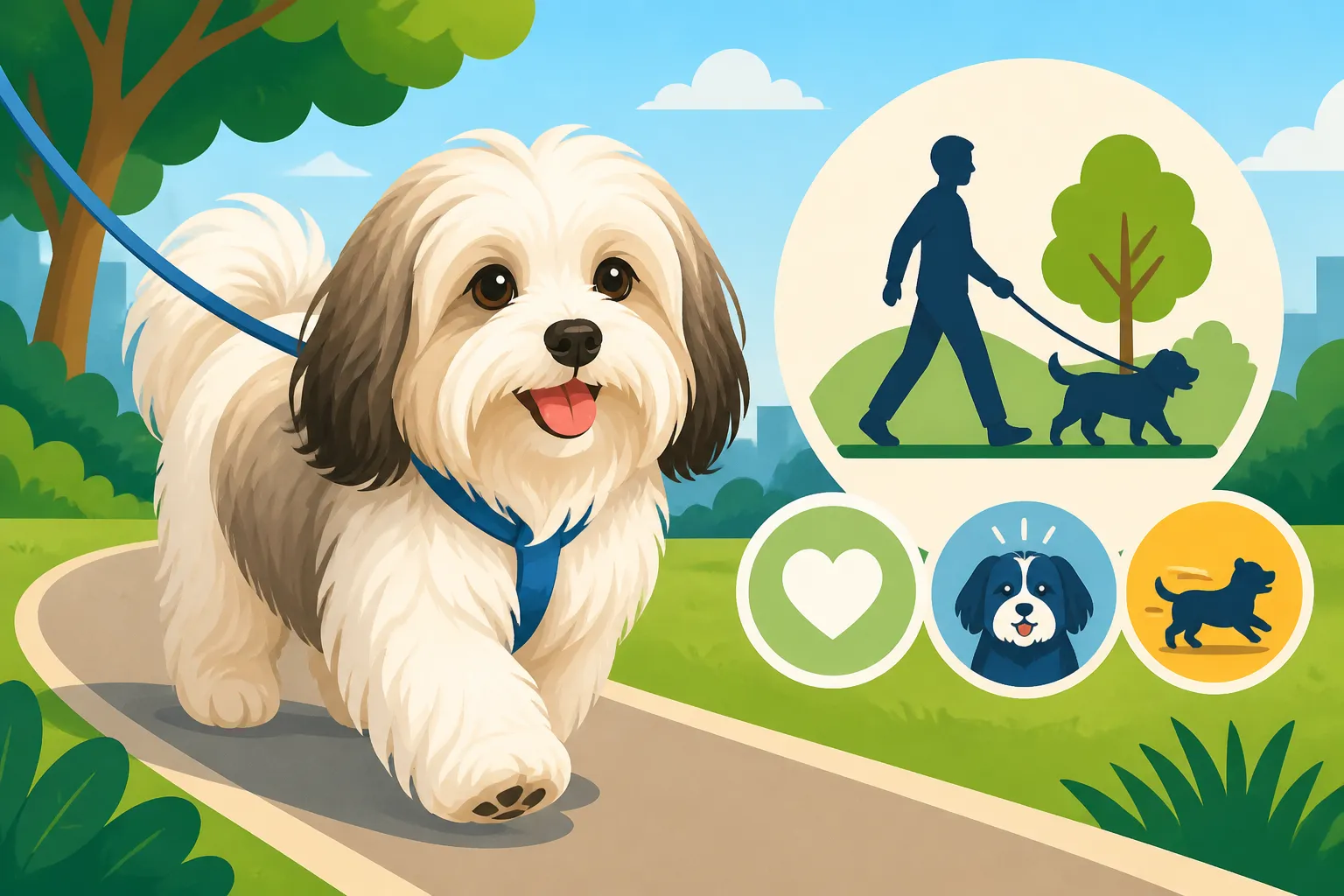
For an average, healthy adult Havanese, a good baseline is generally 20 to 30 minutes of walking, once or twice a day. This isn't a hard and fast rule, of course, but it's a solid starting point. Think of it as a quality stroll rather than a forced march. The goal isn't necessarily to cover a huge distance, but to provide consistent, moderate activity that gets their heart rate up a little, allows for exploration, and helps manage their energy.
Many Havanese thrive on two shorter walks rather than one long one, perhaps a morning constitutional and an evening winding-down wander. This provides more opportunities for outdoor potty breaks, mental stimulation, and a chance to stretch their legs. A good sign you're hitting the "just right" mark is a Havanese who is pleasantly tired after their walk, settles down nicely for a nap, and isn't bouncing off the walls with pent-up energy. If they're still wired, they might need a bit more activity or mental engagement. If they're dragging behind or seem overly stiff later, you might be pushing them too hard.
Varying the Terrain and Experience
Imagine walking the same route, day in and day out. For us, it gets boring, and it's the same for our dogs! Varying the walking environment is incredibly important for physical conditioning and, perhaps even more so, for mental enrichment. A walk isn't just about moving forward; it's about experiencing the world.
Switching up your routes keeps things exciting. One day, you might stick to the smooth pavement of your neighborhood sidewalks, offering a consistent surface for their paws. Another day, head to a local park with grassy areas or even a gentle dirt trail. Walking on varied terrain helps build different muscle groups and improves balance. Sniff walks are also incredibly valuable; allowing your Havanese to follow their nose for a good portion of the walk provides immense mental stimulation. Their world is largely scent-driven, and letting them "read the newspaper" of the neighborhood through their nose is a truly enriching experience. Remember, a Havanese doesn't need to hike Everest, but a leisurely amble through a nature trail can be as invigorating as a brisk walk on the street.
When a Walk Isn't Enough (or Too Much)
Sometimes, despite consistent walks, your Havanese might still seem restless. This is often a sign that they need more than just physical exercise; they need mental engagement. A tired body isn't always enough to calm a busy Havanese mind. Activities like puzzle toys, short training sessions, or even a game of indoor fetch can help drain that mental energy. For more ideas beyond just walking, you might find inspiration in What a Havanese Needs Beyond a Walk.
On the flip side, if your Havanese seems excessively tired, lags behind, or shows signs of discomfort during or after a walk, it's a clear signal that you might be pushing them too much. This is particularly true for very young puppies, seniors, or dogs with underlying health conditions. Watch for signs like excessive panting, limping, or a reluctance to continue. If you notice these, it's time to shorten the walk, slow the pace, or consult your veterinarian to rule out any health concerns. Always err on the side of caution, especially when it comes to their precious joints.
Practical Tips for Maximizing Walk Benefits
To ensure your Havanese gets the most out of their daily outings, a little preparation and mindful observation go a long way. It's not just about the distance covered, but the quality of the experience.
Equipment for a Comfortable and Safe Stroll
The right gear makes all the difference for both you and your Havanese. Given their delicate necks and potential for tracheal issues, a harness is almost always preferred over a collar for walking. A well-fitting harness distributes pressure across their chest and shoulders, preventing strain on their throat. You can find a wide variety of comfortable and secure harnesses on platforms like Amazon, ensuring a good fit for your specific Havanese. For more on this, check out Whether a Havanese Should Wear a Harness.
Beyond the harness, a lightweight, comfortable leash is essential. Look for one that's easy to grip and not too heavy for your small companion. In colder or wet weather, consider a small dog coat or sweater to keep them warm and dry, as their long coat can easily get saturated. In summer, paw protection booties can safeguard their delicate pads from hot pavement. Always carry water, especially on longer walks or warmer days, and offer it frequently.
Making Walks Engaging and Fun
A walk can be so much more than just a means to an end. It's an opportunity to enrich your Havanese's life and strengthen your bond. Incorporate short training exercises along your route: ask for a "sit" at every corner, a "stay" before crossing the street, or practice their recall in a safe, open area. These little mental challenges keep them engaged and thinking, turning a simple walk into a stimulating learning experience.
Varying your route and letting your Havanese guide some of the exploration can also make walks more fun. Allow for plenty of sniff breaks; remember, their nose is how they explore their world. Sometimes, the best walk is one where they get to dawdle and investigate every interesting scent. Consider using a longer leash (within safe limits and appropriate environments) to give them a bit more freedom to roam and explore. This engagement can lead to a happier, more well-adjusted dog, and can even help them learn Teaching a Havanese Tricks It Will Perform All Day as part of a varied routine.
Monitoring for Signs of Fatigue or Discomfort
It's absolutely essential to be attuned to your Havanese's body language during and after walks. They can't tell you if their paw hurts or if they're feeling overheated, so it's up to us to be their advocates. Look for subtle cues:
- Lagging behind: If they're usually peppy but suddenly start to fall behind, they might be tired.
- Excessive panting: While some panting is normal, heavy, prolonged panting, especially if their tongue is curling or looking unusually wide, can indicate overheating.
- Limping or favoring a leg: This is a clear sign of discomfort or injury and warrants immediate attention. Conditions like The Age a Havanese Shows Hip Pain can manifest in subtle limping, especially after activity.
- Stiffness or reluctance to move later: After a walk, observe how they settle. Are they moving gingerly? Do they struggle to get up? These could be signs of muscle soreness or joint pain, perhaps even early Arthritis in a Havanese at Twelve.
- Head pressing or circling: These are more severe signs and warrant immediate veterinary attention.
If you observe any of these signs, cut the walk short, offer rest and water, and if symptoms persist, contact your vet. It's always better to be cautious when it comes to their health and well-being.
| Age Group | Recommended Walk Duration (per outing) | Frequency | Notes |
|---|---|---|---|
| Puppy (8-16 weeks) | 5-10 minutes | 3-5 times a day | Focus on potty breaks, socialization; short bursts of play. Avoid strenuous activity. |
| Adolescent (4-12 months) | 15-25 minutes | 2-3 times a day | Gradually increase duration. Incorporate training and varied terrain. Monitor for overexertion. |
| Adult (1-9 years) | 20-30 minutes | 1-2 times a day | This is the "goldilocks" zone. Vary routes, include sniff walks and mental games. Adjust for individual energy and health. |
| Senior (10+ years) | 10-20 minutes | 1-2 times a day | Shorter, slower, more frequent walks. Focus on gentle movement and enjoyment. Monitor for joint pain or fatigue. Consult your vet. |
Integrating Walks into a Holistic Exercise Routine
While daily walks are a cornerstone of your Havanese's routine, they're just one piece of the larger puzzle when it comes to a truly balanced and healthy lifestyle. A holistic approach considers all aspects of their physical and mental well-being.
The Importance of Indoor Play and Mental Stimulation
Let's be real, sometimes the weather just isn't cooperating for a long walk. Heavy rain, scorching heat, or icy conditions mean outdoor adventures are off the table. But that doesn't mean your Havanese's energy needs disappear! This is where indoor play and mental stimulation become absolute lifesavers. A vigorous game of fetch in the living room, a session with a favorite squeaky toy, or even hide-and-seek can burn off physical energy.
Mental stimulation is just as, if not more, important than physical exercise for these intelligent little dogs. Puzzle toys that dispense treats when manipulated challenge their problem-solving skills. Learning new tricks or practicing obedience commands in short, fun sessions can tire their brains out beautifully. Many owners find online training programs incredibly helpful for this, like those offered by BAXTER & Bella, which provide structured activities you can do right in your home. These types of activities prevent boredom, reduce destructive behaviors, and keep their minds sharp. A Havanese that's mentally stimulated often appears calmer indoors, even if they haven't had a long walk.
Balancing Physical Activity with Rest
One of the wonderful things about Havanese is their ability to switch from playful antics to cozy cuddles in a heartbeat. They love their naps, and they need them. Just as important as providing adequate exercise is ensuring your Havanese gets enough quality rest. Puppies, in particular, need a lot of sleep to grow and develop. Even adult Havanese will happily snooze for hours, especially after a good walk and some playtime.
Don't mistake their quiet periods for boredom; sometimes, they're simply recharging. Creating a comfortable, safe space for them to rest, whether it's their crate, a soft bed, or their favorite spot on the couch, is crucial. For an older Havanese, especially one with Arthritis in a Havanese at Twelve, rest becomes even more vital for joint health and overall comfort. Pushing a tired dog, regardless of age, can lead to stress, injuries, and a general decline in their well-being.
Adjusting for Weather and Life Changes
Life happens, and sometimes our carefully planned routines need to be flexible. Extreme weather is a prime example. In the depths of winter, a Havanese may need a warm coat and paw protection, and walks might be shorter to prevent frostbite or exposure. In the peak of summer, mid-day walks should be avoided entirely, opting for early morning or late evening strolls to prevent overheating. Always feel the pavement with your hand; if it's too hot for you, it's too hot for their paws.
Similarly, personal health changes or shifts in your schedule might temporarily impact how much time you have for walks. During these periods, lean heavily on indoor games, mental stimulation, and perhaps enlist the help of a trusted friend or dog walker. The key is adaptability. A consistent routine is ideal, but flexibility and creativity ensure your Havanese still gets their needs met, no matter what life throws your way. Remember, the goal is always a happy, healthy companion for their entire The Fourteen to Sixteen Years a Havanese Lives with you.
Disclaimer
This article is for general informational purposes only and does not constitute professional advice. Laws, prices and regulations vary by location and change over time. Consult a qualified professional for guidance on your specific situation.