Whether Indoor Play Is Enough for a Havanese
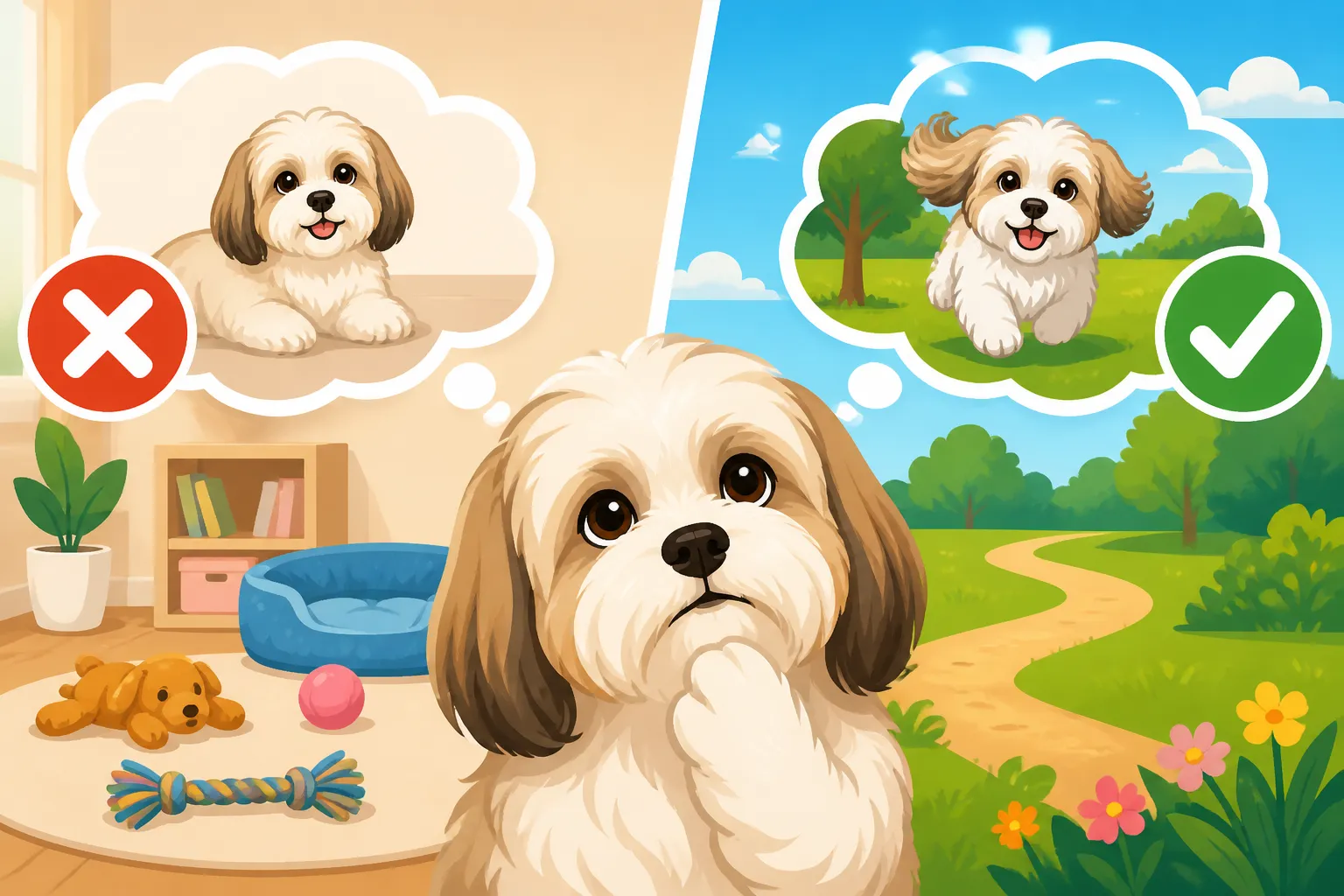
It’s a common thought process for many Havanese owners: they’re so small, so fluffy, and they seem perfectly content curled up on the couch. Surely, a few rounds of zoomies around the living room and chasing a toy down the hallway are enough to keep these little bundles of joy fit and happy, right? Well, while Havanese certainly adore their indoor comforts and family closeness, relying solely on indoor play might actually be selling your pup short on their true potential for health and happiness. This guide dives into why a varied routine is key and how to achieve it.
Understanding Your Havanese's Energy Levels and Instincts
When you look at your adorable Havanese, with those soulful eyes and flowing locks, it’s easy to assume they’re perfectly suited to a life of serene indoor lounging. After all, they’re toy dogs, right? But beneath that soft coat lies a history and a spirit that craves more than just the confines of your living room.
More Than Just a Lapdog: The Havanese Drive
The Havanese were originally bred to be companion dogs, yes, but not just static lap ornaments. They were the beloved pets of Cuban aristocracy, known for their lively personalities and cleverness. They even performed tricks and entertained their families! This means they possess a surprising amount of intelligence and a desire to engage with their humans beyond just cuddling. It’s a common frustration for owners: you see this tiny dog, and you think "they can't possibly need much," but then they start to chew things they shouldn't or bark excessively, and you realize there's an unmet need.
Their heritage as lively, engaging companions means they thrive on interaction and mental stimulation, not just physical exertion. A Havanese that isn't sufficiently stimulated, both mentally and physically, can become bored, and a bored Havanese can quickly become a mischievous or even destructive one. They might resort to behaviors like excessive chewing, digging at carpets, or even constant "shadowing" you around the house, driven by an unfulfilled instinct to be involved and active. Think of it this way: a brilliant mind stuck doing the same mundane task day in and day out would get restless, and it's no different for your clever Havanese.
The 'Zoomies' and Sudden Bursts of Energy
Ah, the Havanese zoomies! We’ve all seen them: that sudden burst of energy where your pup rockets from one end of the house to the other, skidding on rugs, leaping over toys, and generally behaving like a furry blur. These short, intense bursts of running are often hilarious to watch and can certainly burn off a bit of steam. They’re a natural part of a dog’s behavior, especially in breeds that are naturally agile and playful.
However, while zoomies are a fantastic release valve for pent-up energy, they are rarely a substitute for structured, sustained exercise. They're like a quick sprint for a human – good for a moment, but not a full workout. These bursts typically last only a few minutes and often lack the varied movement, mental engagement, and sustained cardiovascular benefit that a proper walk or play session outdoors provides. Your Havanese might seem utterly exhausted after a good round of zoomies, panting happily on the floor, but it’s often more of a quick energy dump than a comprehensive physical and mental workout. Relying solely on these spontaneous bursts can leave their underlying energy reserves untapped and their need for exploration unfulfilled.
The Limitations of Indoor-Only Play for a Havanese
While a Havanese certainly appreciates a cozy home, restricting their physical activity to only indoor play comes with several potential drawbacks that can impact their overall well-being. It's not just about burning calories; it's about holistic health.
Physical Health and Development
Imagine trying to stay in peak physical condition by only walking around your kitchen table. You'd likely get bored, and your muscles wouldn't be challenged in the same way they would be by a walk in the park or a hike. The same goes for your Havanese. While indoor games can keep them moving, they often don't provide the diverse physical challenges needed for optimal health.
Regular outdoor exercise, such as daily walks, helps with cardiovascular fitness, strengthens muscles and bones, and maintains a healthy weight. Havanese are prone to certain joint issues, like luxating patellas, and keeping them at a healthy weight and with strong supporting muscles is crucial. Whether a Havanese Should Be Kept Slim for Its Joints is a topic many owners consider, and sufficient exercise is a huge part of that. Without it, your Havanese could be at a higher risk for obesity, which exacerbates joint problems and can lead to other health issues like diabetes and heart strain. Furthermore, varied terrain outdoors, from grass to pavement, helps strengthen their paw pads and develop proprioception, their sense of body position, which is important for preventing falls and injuries later in life. Indoor play, usually on flat, consistent surfaces, simply can't offer this range of physical input.
Mental Stimulation and Enrichment
Our Havanese are smart cookies! They descended from intelligent ancestors and are keenly observant of their surroundings. An indoor-only existence, no matter how loving and engaging, limits the world they get to experience. Think about all the scents, sounds, and sights they encounter on a walk: the smell of a squirrel that just scampered up a tree, the distant sound of a siren, the feeling of a cool breeze, the sight of children playing or other dogs passing by. These are all rich sources of mental stimulation that can’t be replicated indoors.
A lack of novel experiences can lead to boredom, and boredom is a significant contributor to behavioral problems. A Havanese that isn’t mentally challenged might start finding "entertainment" in undesirable ways, such as excessive barking at every tiny sound, destructive chewing of furniture, or even developing anxiety or obsessive behaviors. These are often calls for more engagement. Interactive puzzle toys, which you can find readily on sites like Amazon, can help, and they are excellent tools for indoor mental enrichment, but they are still only a part of the solution. Your Havanese needs that wider world to sniff, observe, and process. Without it, they might seem "fine," but they're missing out on a huge aspect of canine well-being. Consider Whether a Havanese Enjoys Puzzle Toys to add to their indoor fun, but remember it's one piece of a bigger puzzle.
Socialization Opportunities
Humans are social creatures, and dogs are arguably even more so. While your Havanese might be perfectly happy being the center of your universe, they still benefit immensely from controlled, positive interactions with other dogs and people outside their immediate family. Indoor-only play drastically limits these vital socialization opportunities.
Early and ongoing socialization is critical for a Havanese to develop into a well-adjusted, confident adult. If their only experience of other dogs is through a window or on a rare, fleeting encounter, they might become fearful, overly excited, or even reactive when they do meet unfamiliar canines. Similarly, exposure to different types of people – children, adults, people with hats or umbrellas – helps them learn that the world isn't a scary place. Taking a Havanese puppy to diverse environments before they have full vaccination cover requires careful planning, but even once fully vaccinated, regular exposure is key. You might wonder Where to Take a Havanese Puppy Before Full Cover to start this process safely. Meeting a friendly, well-adjusted Labrador on a walk, or having a positive interaction with a new person who offers a gentle pat, builds their confidence and teaches them appropriate social cues. Without these experiences, you risk having a Havanese who is timid, anxious, or even nippy with strangers or other dogs, simply because they haven't learned how to navigate these interactions.
Creative Ways to Provide Adequate Exercise Indoors and Out
So, if indoor play alone isn't enough, what's a Havanese owner to do? The good news is that you don't need a sprawling estate or a marathon running habit to keep your Havanese happy and healthy. It's all about variety, consistency, and thinking creatively about how you meet their physical and mental needs.
Maximizing Indoor Play Effectiveness
Even though indoor play isn't the sole answer, it definitely has its place, especially on rainy days or when schedules are tight. The key is to make it structured and engaging, rather than just letting them wander.
- Structured Games: Instead of just tossing a toy once or twice, turn it into a game. Play fetch down a long hallway, teaching them to bring the toy back reliably. Hide-and-seek is fantastic for mental stimulation; have your Havanese "stay" (or simply be distracted by another family member), hide in a different room, and then call them to find you with a happy "Where's Fido?" You can even hide treats around the house, letting their incredible sense of smell do the work. Remember, Havanese are smart and love to solve problems. Whether a Havanese Learns to Fetch is almost a given if you make it fun and rewarding.
- Indoor Agility: You don't need fancy equipment. Create a mini obstacle course using household items: blankets draped over chairs for tunnels, pillows or low boxes to jump over, and even weaving around your legs. This helps with coordination and balance.
- Interactive Toys: Invest in good quality interactive toys. Snuffle mats, treat-dispensing balls, and puzzle toys challenge their minds as they work to get a reward. You can find a huge variety of these beneficial toys on Amazon, often with different difficulty levels to keep your Havanese engaged. Rotating these toys keeps things fresh and prevents boredom.
- Training Sessions: Even 5-10 minute training bursts count as exercise, both mental and physical. Practicing new tricks or refining old commands helps burn energy and strengthens your bond.
Embracing Outdoor Activities
There’s simply no substitute for fresh air, natural light, and the myriad of sensory experiences the outdoors offers. Even if you don't have a large yard, there are ways to incorporate outdoor time every day.
- Daily Walks: This is the cornerstone of outdoor exercise for most dogs. Even a 20-30 minute walk, once or twice a day, can make a huge difference. Let your Havanese sniff! A "sniffari" where they get to explore smells is incredibly enriching and mentally tiring for them. Don't underestimate how much mental energy is expended just processing all those interesting scents. How Far a Havanese Should Walk Daily will vary, but consistency is more important than distance.
- Yard Time (if applicable): If you have a secure yard, supervised playtime can be wonderful. Toss a ball, play a game of chase, or simply let them potter around and investigate. Even a small, fenced area can provide opportunities for a quick run and fresh air. Just make sure it's secure enough to prevent any escape artists!
- Dog-Friendly Outings: Explore local dog-friendly parks, trails, or even outdoor cafes. The change of scenery, sounds, and smells is a huge mental boost. Remember to always keep your Havanese on a leash unless in a designated, secure off-leash area, and ensure they are up-to-date on all vaccinations and parasite prevention.
Training and Brain Games as Exercise
For a Havanese, mental exercise is often just as tiring as physical exertion, if not more so. Their intelligent minds crave challenges and learning. Incorporating regular brain games and training sessions is a fantastic way to meet this need.
- Trick Training: Havanese absolutely adore learning tricks. Their history as "circus dogs" (a bit of an exaggeration, but they certainly performed!) means they take to it with gusto. Teaching them to "spin," "bow," "weave," or even more complex sequences provides immense mental stimulation. Teaching a Havanese Tricks It Will Perform All Day isn't just a cute phrase; it's genuinely how they operate! Regular, short sessions (5-10 minutes) throughout the day are much more effective than one long, grueling session.
- Obedience Practice: Even basic obedience commands like sit, stay, come, and heel require focus and concentration. Practicing these in different environments (indoors, in the yard, on a quiet walk) makes them more robust and keeps your Havanese thinking.
- Online Training Programs: If you're looking for structured guidance, there are excellent online programs designed to help you teach your dog new skills and behaviors. For example, BAXTER & Bella offers comprehensive online puppy and dog training programs that emphasize positive reinforcement and can be tailored to your Havanese's learning pace. These kinds of resources provide not just training tips but also ideas for engaging games and mental challenges you can do together, truly making training a form of exercise.
- Scent Work: Dogs experience the world through their noses. Scent work, even just hiding treats and letting them sniff them out, is incredibly engaging and tiring. You can buy beginner scent work kits or simply use household items and their favorite treats.
Balancing Indoor and Outdoor for a Thriving Havanese
Ultimately, the goal isn't to choose one over the other, but to create a harmonious blend of indoor and outdoor activities that cater to your Havanese's unique needs. This balanced approach is the secret to a happy, well-adjusted, and healthy companion.
Tailoring Exercise to Your Havanese's Personality
Every Havanese is an individual, just like people. While many Havanese are playful and energetic, some might be more inclined to cuddle, or perhaps a little more reserved. It’s crucial to observe your own dog’s cues and tailor their exercise routine accordingly. Does your Havanese thrive on high-energy games of fetch, or do they prefer a leisurely sniff around the neighborhood? Do they get overwhelmed in busy environments, preferring quieter walks?
For a younger, more energetic Havanese, you might lean more heavily into longer walks and active play sessions. An older Havanese, or one with joint concerns, will still need daily movement, but perhaps shorter, more frequent strolls, gentle indoor games, and plenty of mental puzzles. The key is to look at your dog's body language – are they panting happily, eyes bright and tail wagging? Or are they lagging behind, pulling away, or showing signs of stress? Adjust your routine based on what makes your Havanese thrive, ensuring you don't over-exercise a tiny puppy or push an older dog beyond their comfort.
Preparing for Different Weather Conditions
One of the biggest frustrations for owners trying to get their Havanese outdoors is dealing with unpredictable weather. Rain, snow, and extreme heat or cold can put a damper on even the best intentions. However, giving up on outdoor time isn't the answer; adapting is. Whether a Havanese Copes With Heat or Cold is a valid concern, and preparation is key.
- Rainy Days: Invest in a small dog raincoat and perhaps some booties if your Havanese tolerates them. Short, brisk walks can still happen. Afterward, a quick towel-dry and a warm cuddle will make them forget the drizzle. When truly torrential, focus on extended indoor training sessions and puzzle toys.
- Cold Weather: A cozy dog sweater or coat is a must for most Havanese in chilly temperatures, especially those with shorter clips. Watch for shivering or reluctance to move. Again, short, frequent outings might be better than one long one, with plenty of indoor mental stimulation to compensate for reduced outdoor physical activity. Keep an eye on their paws if walking on salted pavements, which can be irritating.
- Hot Weather: Havanese can overheat due to their long coats and generally being closer to the hot pavement. Walk during the coolest parts of the day (early morning or late evening). Carry water, stick to shaded routes, and avoid hot asphalt. On very hot days, it's safer to limit outdoor time to quick potty breaks and focus on air-conditioned indoor games.
The Long-Term Benefits of a Balanced Approach
When you commit to providing your Havanese with a rich tapestry of both indoor and outdoor activities, you’re investing in more than just their immediate energy levels. You’re fostering a well-rounded, resilient, and deeply contented companion.
A balanced routine ensures strong physical health, reducing the risk of obesity, supporting joint health, and maintaining a robust cardiovascular system. It sharpens their mind, preventing boredom and the negative behaviors that often accompany it, making them more receptive to training and generally calmer in the home. It builds their confidence through positive exposure to the world and other beings, resulting in a more social and less anxious dog. Ultimately, a Havanese who receives a thoughtful blend of walks, varied outdoor exploration, engaging indoor games, and regular mental challenges is a Havanese who thrives. They’ll be happier, healthier, and truly embody that lively, intelligent, and affectionate spirit they’re famous for.
| Play Type | Key Benefits | Best For | Potential Drawbacks (if sole activity) |
|---|---|---|---|
| Indoor Play | – Mental stimulation via puzzles/training – Builds strong human-dog bond – Safe, controlled environment – Weather-proof exercise option |
Rainy days, cold weather, quick bursts of energy, senior dogs, puppies not fully vaccinated | – Lacks varied physical terrain – Limited sensory input – Can lead to boredom/behavioral issues – Insufficient for cardiovascular health alone |
| Outdoor Play | – Full body physical exercise – Mental enrichment from new sights/smells – Socialization opportunities – Supports healthy weight and joint strength – Vitamin D from sunlight |
Daily routine, diverse physical challenge, socialization, sustained energy burn | – Weather dependency – Potential for hazards (traffic, aggressive dogs) – Requires leash training/supervision – Can be less intense mentally than puzzles |
Disclaimer
This article is for general informational purposes only and does not constitute professional advice. Laws, prices and regulations vary by location and change over time. Consult a qualified professional for guidance on your specific situation.