Cording a Havanese and What It Commits You To
Many Havanese owners dream of that iconic, flowing long coat, but there's a lesser-known, equally stunning coat style that comes with a whole different level of commitment: cording. If you've ever admired a corded Poodle or Komondor and wondered if your Havanese could sport a similar look, you're not alone. This guide will walk you through everything you need to know about cording a Havanese, from the initial stages to the daily realities, helping you decide if this unique grooming journey is the right path for you and your beloved companion.
What Exactly Is Cording a Havanese?
Cording a Havanese isn't just letting their coat get matted; it's a very specific, deliberate process that transforms their soft, flowing hair into distinct, rope-like strands. It's an art form, really, and it takes dedication and patience to achieve correctly. While it might look intimidating, the result is a striking, low-shedding coat that's both beautiful and surprisingly functional.
Beyond the Mats: Understanding True Cording
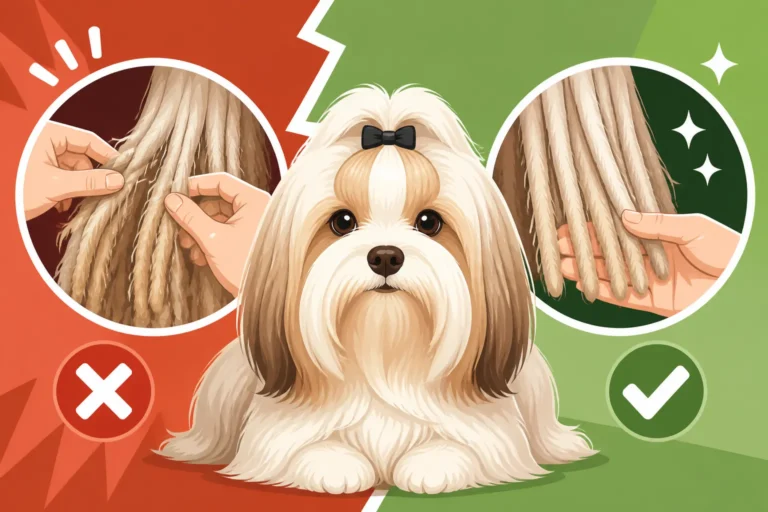
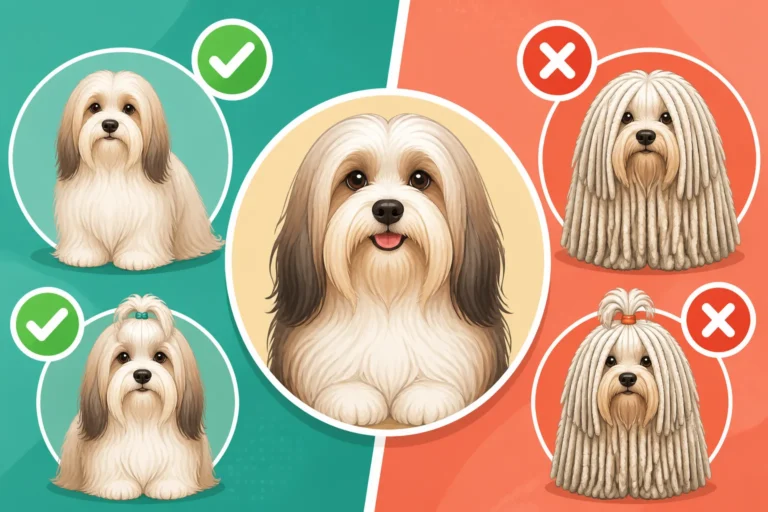
When most people hear "matted dog," they picture a neglected animal with painful clumps of fur. True cording is the exact opposite. Instead of allowing the coat to become an undifferentiated mass, cording involves carefully separating the natural mats that form into small, even sections, allowing them to grow into uniform cords. These cords are then maintained individually, preventing them from fusing into larger, unmanageable pelts. Think of it less as "neglect" and more as "sculpting" with the natural tendencies of the Havanese coat. Each cord needs space to breathe and grow, so it's a constant effort to keep them distinct.
It's a common misconception that a corded dog is dirty or unkempt, but a properly corded Havanese is actually quite clean. The cords, once formed, are robust and can be washed, though the drying process is certainly more involved than with a traditional groomed coat. Owners who choose cording commit to a very hands-on approach, ensuring the health and cleanliness of each cord.
Historical Roots: Why Some Breeds Are Corded
The tradition of cording dates back centuries, especially in working breeds like the Komondor and Puli, where the cords provided natural protection against the elements and predators. For companion breeds like the Havanese, the practice is more about aesthetics and heritage, tracing back to an appreciation for unique coat types. While the Havanese wasn't traditionally a corded breed in the same way some pastoral dogs were, the desire to achieve distinctive looks and showcase the breed's incredible coat versatility led some enthusiasts to explore this path.
Many of these older corded breeds originated in harsh climates, where their distinctive coats offered insulation against both cold and heat, acting as a natural armor. For a Havanese, which has a The Silky Double Coat a Havanese Grows to the Floor, cording offers a dramatically different look from the classic long-flowing show coat or the popular "puppy cut." It's a way to showcase the unique texture and volume of their hair in a very artistic manner.
The Aesthetic and Functional Purpose of Cords
Aesthetically, a well-corded Havanese is a showstopper. The cords hang elegantly, swaying with every movement, giving the dog a majestic, almost ethereal appearance. It’s a look that draws attention and admiration, standing out distinctly from other groomed styles. For those who love the artistic side of dog grooming, it's an incredibly rewarding project.
Beyond the visual appeal, cording can have functional benefits, though these are more pronounced in larger working breeds. For a Havanese, the cords offer a degree of protection from minor scrapes and scratches, and they can provide some insulation, keeping the dog warmer in cooler weather and potentially protecting the skin from sun exposure in summer. However, it's crucial to balance this with proper heat management, as a dense corded coat can also lead to overheating if not managed correctly, especially for an active little dog like the Havanese. It certainly changes how you consider Whether a Havanese Overheats in Summer.
The Unique Havanese Coat and Why It Can Be Corded
The Havanese is renowned for its luscious, often floor-length coat, which is truly one of its defining features. But not every breed with long hair can be corded successfully. The specific characteristics of the Havanese coat make it a suitable, albeit challenging, candidate for cording.
The Silky Double Coat: A Cording Canvas
Unlike many other long-haired breeds, the Havanese possesses a unique double coat that is both soft and silky, yet substantial enough to form durable cords. The outer coat is long and flowing, while the undercoat is softer and downier. It's the interplay of these two textures, combined with the natural curl or wave, that allows the hair to interlock and form mats that can then be separated into cords. If you've ever tried to brush out a stubborn mat from your Havanese, you've already seen the raw material for cording in action.
The key is that the Havanese coat, while fine, has enough body and a tendency to entangle. This natural inclination to mat is actually what you leverage when cording. Instead of fighting it with daily brushing, you guide it. Understanding The Silky Double Coat a Havanese Grows to the Floor is crucial for anyone considering cording, as it highlights the very qualities that make it possible.
Coat Texture Variations and Their Impact on Cording
Not all Havanese coats are created equal, and these variations can significantly impact the cording process. Some Havanese have a silkier, straighter coat, while others have a wavier or even curlier texture. Generally, a coat with a bit more wave or texture will cord more readily and hold the cords better than a very fine, straight, silky coat. The natural curl helps the hairs interlock and bind together more effectively.
If your Havanese has an exceptionally fine and straight coat, forming and maintaining distinct cords might be a more arduous task, requiring more frequent and meticulous separation. On the other hand, a Havanese with a dense, wavy coat might naturally want to form larger, thicker cords, which you'd then need to carefully divide. This is why Whether Cording Suits Every Havanese Coat is a really important question to ask yourself before you commit to the process. It's not a one-size-fits-all endeavor.
Understanding the Matting Process as the Foundation of Cords
At its heart, cording is about controlled matting. Instead of seeing mats as the enemy, you learn to see them as the building blocks. When a Havanese coat is left to its own devices without brushing, the undercoat sheds and intertwines with the longer guard hairs, forming tangles. In cording, you strategically encourage this process. You're not letting the entire coat become one giant felted mass, but rather, you're guiding smaller sections of hair to interlock and develop into distinct rope-like structures.
This means you're intentionally stepping away from the daily brushing routine that most Havanese owners are accustomed to. It's a radical shift in grooming philosophy. You'll be spending time separating and defining cords rather than removing tangles. This deliberate approach ensures that the mats form into healthy, clean cords rather than tight, painful knots that pull on the skin.
The Process of Cording: From Puppy to Full Cords
Cording a Havanese isn't an overnight transformation; it's a journey that spans months, if not over a year, depending on the dog's coat growth and your dedication. It requires patience, consistency, and a hands-on approach to guide the coat through its various stages.
The Initial Stage: Encouraging Natural Separation
The cording process often begins when the Havanese puppy starts to shed its softer puppy coat and the adult coat begins to come in, usually around 8-12 months of age. This is often the time when the coat naturally starts to mat more easily. Instead of brushing these mats out entirely, you begin to encourage their formation in small, manageable sections. Many owners will stop or significantly reduce brushing at this stage, allowing the coat to clump naturally.
This initial period is critical for setting the foundation for healthy cords. You're not just letting the coat run wild; you're observing where mats naturally want to form and starting to gently tease them apart into smaller segments. Think of it as recognizing the natural divisions in the coat. This can be a challenging period, as the coat might look a bit messy, and you'll be fighting the urge to comb it smooth.
Manual Separation and Sectioning: The Hands-On Work
Once the coat starts to naturally clump, the real work of manual separation begins. This is the most labor-intensive part of the cording process. You'll need to sit with your Havanese regularly, carefully pulling apart the developing mats into small, even sections, usually about the width of a pencil or a finger, depending on your desired cord thickness. Each clump is then twisted or rolled between your fingers to encourage it to form a distinct cord.
This isn't a one-time event; it's an ongoing effort. As the coat grows, you'll need to continually re-separate the cords at the skin level to prevent them from growing together at the root. This is where patience truly becomes a virtue. You might spend hours over several weeks getting the initial cords separated across the entire dog. Specialized tools like a cording comb (a metal comb with widely spaced, blunt teeth) can be helpful here, but often, your fingers are the best tools. This stage also highlights why How Long Cords Take to Form on a Havanese is a question many people ask, as it's definitely a marathon, not a sprint.
The Growth and Maturation of Cords: A Long-Term Project
After the initial separation, the cords will continue to grow and lengthen. This phase is less about active separation and more about maintenance and allowing the cords to mature. As new hair grows from the root, it will naturally interlock with the existing cord, extending its length. You'll still need to periodically check the base of each cord to ensure new growth isn't fusing adjacent cords.
Full cord development, where the cords are long and well-defined, can take anywhere from 1.5 to 3 years, depending on the individual Havanese's coat growth rate. During this time, the cords will become denser and more robust. It's a continuous commitment, but as the cords lengthen, the striking visual effect becomes more pronounced, rewarding your efforts. The thought of Whether a Corded Havanese Can Be Brushed Out becomes a distant memory once the cords are well-established, as the coat's structure has fundamentally changed.
Living with a Corded Havanese: Daily Care and Maintenance
Once your Havanese is fully corded, the daily care routine shifts dramatically from that of a brushed coat. While you're no longer brushing, a new set of responsibilities emerges, primarily centered around keeping the cords clean, dry, and distinct.
Bathing a Corded Havanese: A Different Experience
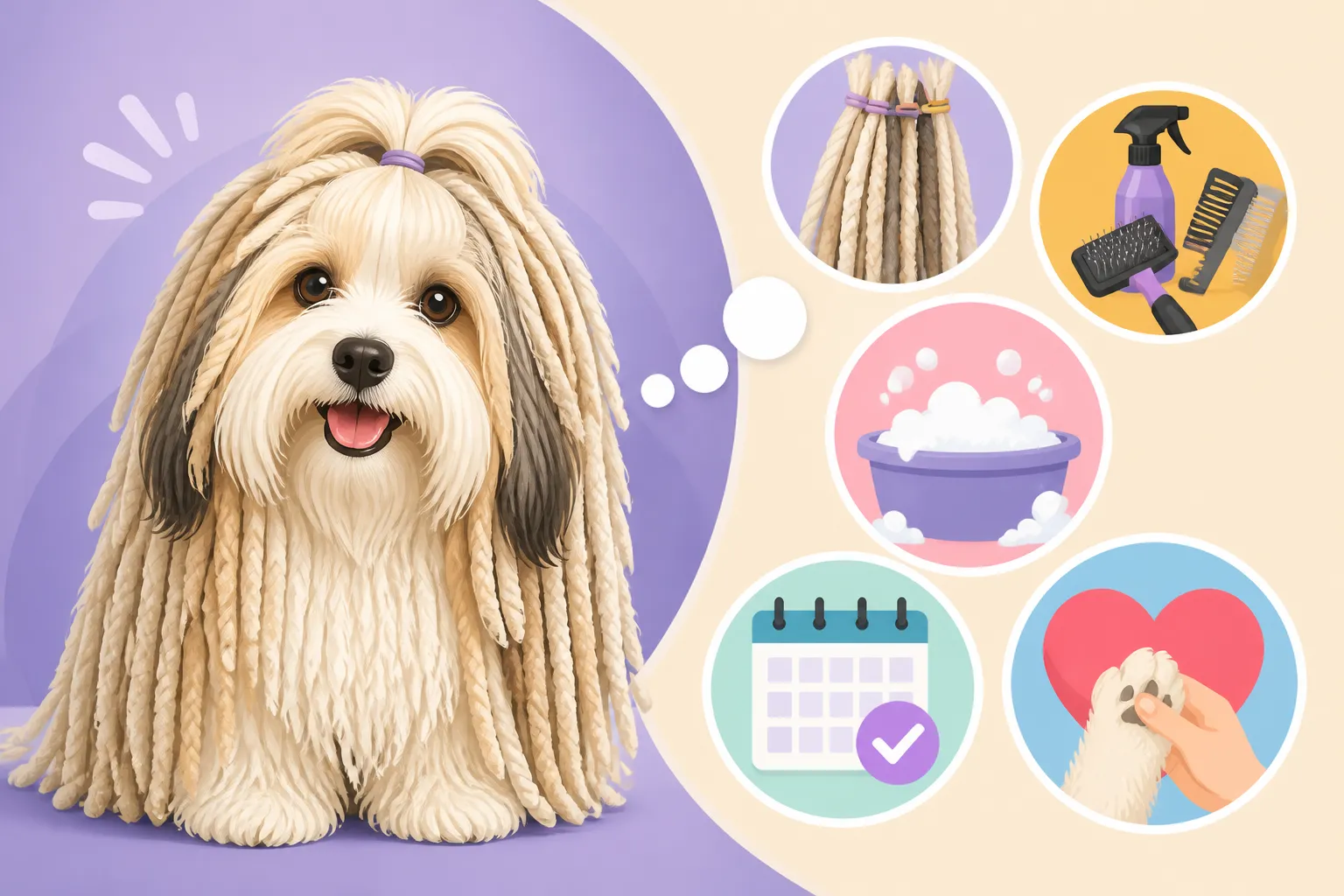
Bathing a corded Havanese is a much more involved process than bathing a traditionally groomed one. You can't just lather and rinse quickly. The goal is to clean the cords thoroughly without disturbing their formation or encouraging them to felt together even more. You'll need to use a diluted shampoo and gently squeeze it through each cord, focusing on the roots where dirt and oil accumulate. Rinsing is equally crucial, ensuring all shampoo residue is completely removed, as any left behind can lead to skin irritation or a sticky, dull feel to the cords.
It's common to use a gentle, residue-free shampoo, perhaps even one designed for human dreadlocks, making sure it's pet-safe. Some owners will use a spray bottle to apply diluted shampoo, or simply work small amounts directly into the cords. Products from brands like Amazon can be easily found for this purpose. The whole process, from washing to drying, can take several hours, especially for a fully corded adult Havanese. It certainly puts a new spin on How Often a Havanese Should Be Bathed.
Drying a Corded Coat: Patience is Key
Drying is arguably the most time-consuming and critical part of maintaining a corded Havanese. Because the cords are dense and hold water, they can take an incredibly long time to dry naturally – sometimes days – which can lead to mildew, skin infections, and unpleasant odors. A high-velocity forced air dryer is almost essential for a corded Havanese. You'll need to meticulously dry each cord individually, ensuring it's completely dry down to the skin.
This isn't a quick job. Many owners report drying times of 2-4 hours, or even longer, after a bath. It requires dedicated time and attention to prevent problems. Failure to dry the cords properly is one of the biggest pitfalls of cording. If you're considering cording, you must be prepared for this drying commitment. This is where Drying a Havanese Properly takes on a whole new meaning and challenge.
Spot Cleaning and Cord Separation
While full baths are less frequent with a corded Havanese (perhaps every 4-6 weeks, or even longer, depending on lifestyle), daily spot cleaning and cord maintenance are still vital. This involves checking the roots of the cords for any new growth that's trying to fuse together and carefully separating them with your fingers. This prevents the cords from becoming a solid mat against the skin, which would be uncomfortable and unhealthy for your dog.
You'll also need to spot clean any soiled cords, especially around the mouth after eating or in the sanitary area. A damp cloth or a pet-safe grooming wipe can be used for quick clean-ups. Regularly checking for debris, burrs, or anything caught in the cords is also important. This ongoing vigilance ensures the cords remain healthy, clean, and distinct, making the overall process much more manageable. Just like with any Havanese, attention to What a Havanese Needs Every Day remains paramount, just in a different form.
Pros and Cons of Cording Your Havanese
Deciding to cord your Havanese is a significant decision, and it's essential to weigh the advantages against the very real challenges. It's not a path for every owner or every Havanese.
The Allure: Show Ring Elegance and Reduced Brushing
One of the most compelling "pros" for many is the stunning, unique appearance of a corded Havanese. They truly stand out, exuding an air of ancient elegance. For those involved in dog shows, a perfectly corded Havanese can be a magnificent sight in the ring, showcasing the breed's versatility and the owner's dedication to an artistic grooming style.
Another surprising benefit, once the cords are fully formed, is the reduction in daily brushing. While the initial cording process and subsequent bathing/drying are very time-consuming, you're no longer battling the daily tangles and mats that plague a long, flowing Havanese coat. Many owners appreciate this shift from daily line-brushing to more intermittent, but intense, maintenance sessions. Furthermore, corded coats often trap loose hair within the cords themselves, meaning less shedding around the house, which can be a plus for those who dislike finding Havanese hair on their furniture, even though Whether a Havanese Sheds is already generally low for the breed.
The Challenges: Time, Effort, and Potential Odor
The "cons" list is equally significant and revolves heavily around the massive time and effort commitment. The initial cording phase requires hours of meticulous separation, and even once established, bathing and drying a corded coat can consume a significant chunk of your day. This isn't a grooming style for someone looking for low-maintenance.
There's also the potential for odor if the cords aren't dried thoroughly. Wet cords, left damp, can develop a musty smell or even lead to skin issues. While Whether a Corded Havanese Smells is often a myth, poor care can certainly lead to it. Owners must be diligent in their drying routines. Additionally, the cords can get quite heavy, especially when wet, and some dogs might find this uncomfortable. You'll also need to be vigilant about keeping the cords clean, especially if your Havanese loves to play in mud or leaves, as detritus can get trapped within the cords.
Impact on Lifestyle: Activities and Environment
Cording your Havanese also impacts your lifestyle and your dog's activities. A corded coat can pick up burrs, twigs, and all sorts of debris from walks and outdoor play, requiring careful removal. While the cords offer some protection, they can also limit certain activities, like swimming, due to the extreme drying challenge afterwards. You might find yourself adjusting your dog's routines to protect the cords and keep them cleaner.
Furthermore, the weight and bulk of a full corded coat can affect your dog's comfort in very warm climates, requiring extra care to ensure they don't overheat. On the flip side, in colder weather, the cords offer excellent insulation. You might also find that people are very curious about your dog's unique coat, leading to frequent conversations on walks!
Common Misconceptions and Realities of Corded Coats
There are a lot of myths and misunderstandings surrounding corded coats, often fueled by images of severely matted, neglected dogs. It’s important to separate fact from fiction when considering this unique grooming style.
"Corded Dogs Smell Bad": Addressing the Myth
One of the biggest misconceptions is that corded dogs inevitably smell bad. This is absolutely not true for a properly maintained corded coat. A healthy, clean, and thoroughly dried corded Havanese will not smell any worse than a brushed Havanese. The "smell" issue typically arises from cords that are not completely dry after a bath, leading to mildew, or from cords that have trapped excessive dirt or debris and haven't been adequately spot cleaned.
The key really is that thorough drying we talked about. If you are diligent with your washing and drying routine, and ensure no moisture remains deep within the cords, your Havanese will smell fresh. Neglecting the drying process is where the problem starts, not the cording itself. So, if you're worried about Whether a Corded Havanese Smells, rest assured that with proper care, it's a non-issue.
Cleanliness and Hygiene of Cords
Maintaining the hygiene of cords is paramount. While you don't brush a corded coat, you are constantly managing its cleanliness. This means vigilant spot cleaning, especially after meals around the beard and mouth, and after toilet breaks in the sanitary area. Regular full baths, as challenging as they are, are essential to keep the cords clean from dirt and oils that accumulate over time.
Many owners will carefully tie up longer cords, especially the ones on the face and head, to keep them out of food bowls and away from moisture. You might consider using snoods or protective bands to manage the beard cords, or even trim them slightly shorter if they become too unwieldy. The same principles of hygiene that apply to a long, flowing Havanese coat – keeping the face and sanitary areas clean – apply to a corded coat, just with different methods.
Temperature Regulation and Protection
A corded coat offers a unique form of temperature regulation. In winter, the dense cords provide excellent insulation, helping to keep your Havanese warm. It's like wearing a built-in, natural blanket. However, this also means that in hot weather, a corded Havanese can be prone to overheating if not managed carefully. The cords trap body heat, and unlike a clipped dog, the skin isn't directly exposed to circulating air.
Owners of corded Havanese in warmer climates need to be extra cautious. Limiting outdoor activity during peak heat, providing ample shade and water, and ensuring access to air conditioning are all vital. Some owners even gently mist the cords with water or apply cooling wraps to help manage their dog's temperature on hot days. While the cords do offer some protection from sunburn, vigilance against overheating is a much greater concern.
Is Cording Right for You and Your Havanese?
Cording is a lifestyle choice for both you and your Havanese, and it requires careful consideration before embarking on the journey. It's not a decision to be made lightly, as the commitment is long-term and significant.
Assessing Your Lifestyle and Time Commitment
The biggest factor in deciding if cording is right for you is honestly assessing your own lifestyle and the amount of time you can genuinely dedicate to your dog's grooming. The initial phase of cording is very hands-on, requiring frequent and lengthy sessions to separate and form the cords. Once established, bathing and drying become major time commitments, often several hours per session.
Are you prepared for this level of dedication? Do you have the patience to sit for extended periods, meticulously working through your dog's coat? If your schedule is already packed, or if you prefer a more "wash and wear" approach to dog grooming, cording might lead to frustration for both you and your Havanese. It's a true labor of love, and the "love" part needs to extend to the grooming process itself. Think about What Cording a Havanese Costs in the First Year not just in terms of money, but in hours of your time.
Considering Your Dog's Temperament and Coat Type
Your Havanese's temperament is another critical piece of the puzzle. Does your dog enjoy being handled and groomed for long periods? Are they generally calm and patient on the grooming table (or your lap)? A Havanese that is resistant to handling, squirms a lot, or becomes stressed by long grooming sessions will make the cording process incredibly difficult, if not impossible. It's unfair to subject a dog to a grooming style that causes them undue stress.
Additionally, as discussed earlier, Whether Cording Suits Every Havanese Coat depends on its texture. While most Havanese coats can be corded, those with extremely fine or sparse coats might struggle to form robust, long-lasting cords, making the effort less rewarding. Ideally, a Havanese with a dense, slightly wavy coat will be the best candidate for successful cording.
Health Considerations for a Corded Havanese
While a properly maintained corded coat is healthy, there are some health considerations to keep in mind. The cords can get heavy, especially when long, and this weight can sometimes pull on the skin. Regular checks for skin irritation, hotspots, or any discomfort beneath the cords are essential. Because the skin isn't easily visible, you'll need to learn how to part the cords and inspect the skin regularly, especially after baths.
Proper nutrition is also important for coat health, and a healthy coat forms better cords. Ensure your Havanese is on a high-quality diet, perhaps one that provides good skin and coat support. Brands like Ollie offer fresh food options that can contribute to overall canine health, which in turn supports a healthy coat. Regular veterinary check-ups are also crucial to monitor overall health and address any potential skin issues early on.
Professional Help vs. DIY Cording
Deciding whether to tackle cording yourself or seek professional help is another important choice. Both routes have their advantages and disadvantages, and the best option often depends on your skill level, time, and resources.
Finding a Groomer Experienced in Cording
Given the specialized nature of cording, finding a professional groomer experienced in Havanese cords can be challenging. It's not a common request for this breed, and many general groomers may not have the expertise. If you're considering professional help, start by looking for groomers who specialize in corded breeds (like Poodles or Pulis) or those who have experience with show grooming for Havanese, as they often have a deeper understanding of coat structure and care.
When you find a potential groomer, schedule a consultation to discuss their experience, process, and costs. Be prepared for a higher price point than a standard clip, as cording is a labor-intensive, specialized service. A professional can certainly get you started, but remember that the ongoing maintenance will still heavily fall on you. It's a different commitment than simply asking What a Full Havanese Groom Costs.
Learning to Cord Your Havanese at Home
Many Havanese owners who choose to cord their dogs opt for the DIY route, primarily due to the scarcity of experienced professionals and the sheer volume of ongoing maintenance. Learning to cord at home requires self-education, patience, and a willingness to get hands-on. There are online resources, forums, and sometimes even breed-specific clubs that can offer guidance and support for cording.
Starting the process with a puppy often makes it easier, as the cords are shorter and less overwhelming. You'll need to be committed to learning the techniques of separation, twisting, and maintenance. While challenging, successfully cording your Havanese yourself can be incredibly rewarding, fostering a deeper bond and sense of accomplishment.
Tools and Resources for the Dedicated Owner
If you choose to cord your Havanese at home, you'll need a few essential tools. While your fingers will be your primary implements for separating cords, a sturdy, wide-toothed metal comb or a specific cording comb can be very helpful, especially for working through the initial separation. A good quality pet shampoo that is residue-free and perhaps a conditioning rinse designed for cords will be necessary for bathing.
Most critically, a high-velocity force dryer is an absolute must-have. Don't underestimate this. Air drying a corded Havanese is simply not practical or healthy. You might also want to invest in a grooming table to make the process more comfortable for both you and your dog, as you'll be spending a lot of time working on their coat. Products from retailers like Chewy can help you stock up on these necessary supplies.
Cording a Havanese is a truly unique journey, transforming their lovely flowing coat into a magnificent display of texture and dedication. It's a commitment that redefines grooming, requiring patience, time, and a hands-on approach, but for those who embrace it, the results are undeniably striking and deeply rewarding.
Disclaimer
This article is for general informational purposes only and does not constitute professional advice. Laws, prices and regulations vary by location and change over time. Consult a qualified professional for guidance on your specific situation.