Why a Havanese Mats at Eight Months and Not Before
It's a common story I hear from Havanese owners, and one I certainly experienced myself: you bring home this adorable, fluffy puppy, and for the first few months, grooming is a breeze. A quick brush here, a little comb there, and they look picture-perfect. Then, almost overnight, usually around eight months of age, it's like a switch flips, and suddenly your sweet Havanese is a matting machine. This guide will walk you through exactly why this frustrating change happens and, more importantly, how to tackle it head-on.
The Puppy Coat Illusion: Why Early Grooming Feels So Easy
When your Havanese is a young puppy, their coat is truly a dream. It's often soft, fine, and relatively easy to manage. You might think you've lucked out with a dog whose coat won't be much trouble, or perhaps you're diligently brushing a few times a week and seeing no issues. This period of blissful ease, however, is often an illusion, a calm before the magnificent, yet demanding, storm of the adult coat.
What Makes a Havanese Puppy Coat So Different?
A Havanese puppy's coat is primarily a single layer, or at least, the undercoat is not yet fully developed. It's often described as puppy fluff—light, airy, and with a fine texture that doesn't easily snag or felt. Imagine a cloud of cotton candy; it's soft, but doesn't have the density or interlocking fibers that create true mats. This simplicity in their early coat structure means that tangles, if they occur, are usually surface-level and easily brushed out with minimal effort. You're enjoying the coat type that most people associate with a "hypoallergenic" or low-shedding breed, without the complexities that are soon to arrive.
This distinct puppy coat is a genetic marvel, designed to keep them warm and protected as they grow, but without the full mature density that would hinder their movement or make them prone to overheating at a very young age. It's quite pliable and lacks the more robust guard hairs that will eventually give the adult coat its signature flow and texture. This stage is what often gives new Havanese owners a false sense of security, making them believe that the breed's grooming requirements are less intensive than they truly are.
The Deceptive Ease of Early Grooming
During these first few months, a quick run-through with a slicker brush and comb might be all your Havanese needs every couple of days. Their fur often feels like baby soft hair, and it glides smoothly, even when encountering small knots. This ease can lead owners to underestimate the future demands of the coat, perhaps skipping a day or two of brushing without any immediate repercussions. It sets an expectation that isn't sustainable once the adult coat begins its grand entrance.
Many first-time Havanese owners, myself included, have fallen into this trap. We'd confidently tell friends how easy it was to brush our puppy, perhaps even boasting that we only needed to do it a few times a week. This early experience can lead to a lack of preparation, both in terms of acquiring the right tools and developing the consistent grooming habits that will be absolutely crucial in just a few months. It's like training for a marathon by only jogging around the block; it feels good at first, but it won't prepare you for the real challenge ahead. The truth is, that wonderful, fluffy puppy coat is simply not structured to mat in the same way the adult coat will.
The "Changing of the Guard": Why Eight Months?
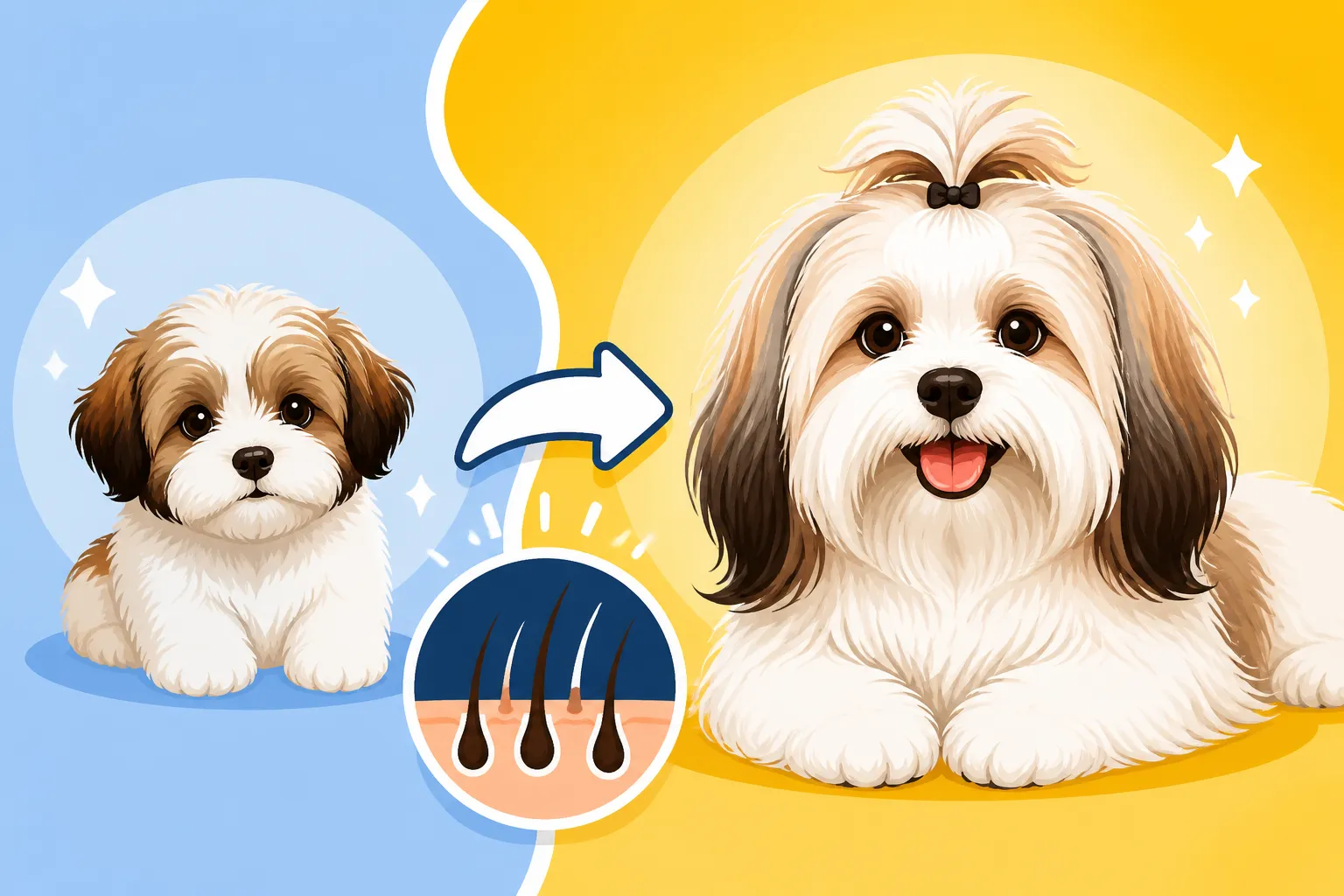
The eight-month mark isn't some arbitrary number; it's a significant developmental milestone for your Havanese's coat. This is the period when their juvenile "puppy coat" truly begins to transition into their adult "double coat." Think of it as a canine adolescence, not just in behavior but also in their magnificent fur. This change is the primary reason why matting suddenly becomes a relentless battle.
The Transition from Puppy Fluff to Adult Glory
Around eight months, your Havanese starts to "blow coat." This doesn't mean they shed profusely like some breeds, but rather that the fine, soft puppy fur begins to be replaced by the denser, longer, and more complex adult coat. This adult coat is typically a double coat, meaning it has both a soft, insulating undercoat and a longer, silkier outer coat, or guard hairs. You'll notice The Silky Double Coat a Havanese Grows to the Floor is what makes them so unique and beautiful. The new adult hairs are often thicker and have a different texture, sometimes even a different color, than the disappearing puppy fluff.
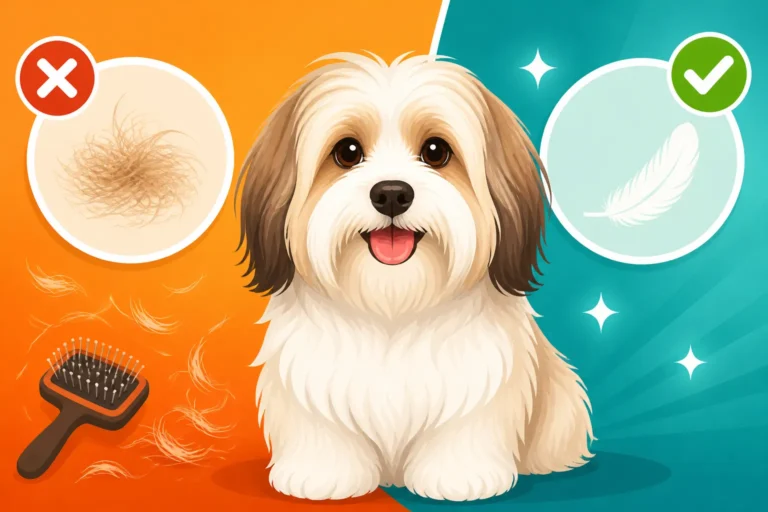
The process isn't instant; it's a gradual shedding of the old while the new grows in. This means that at any given time, your Havanese will have a mixture of still-attached puppy hair, shedding puppy hair, and emerging adult hair all intertwined. This blend of different textures, lengths, and shedding cycles creates the perfect conditions for tangles. It's like trying to comb through a pile of fine threads mixed with thicker yarn – they cling to each other in a way that single-texture fibers wouldn't.
The Perfect Storm for Tangles and Mats
This co-mingling of old and new hair types is the single biggest contributor to the sudden matting problem. The fine, wispy puppy hairs, which are easy to brush on their own, act like velcro for the coarser, more resilient adult hairs. As the puppy hair tries to shed out, it gets caught in the incoming adult coat, forming tight knots that quickly spiral into solid mats. These mats are no longer just surface tangles; they can become dense, felt-like patches that pull at the skin.
Furthermore, the new adult coat is genetically designed to grow long and maintain its structure, contributing to the famous Havanese flow. While beautiful, this longer, more substantial coat requires consistent attention to prevent it from tangling and felting, especially when mixed with the finer shedding puppy hair. If you think about the amount of hair on a Havanese that eventually reaches the floor, it's clear that proper maintenance is absolutely critical during this transition. Without diligent brushing, these mats can form quickly and deeply, causing discomfort and even skin issues for your precious pup.
Anatomy of a Mat: What's Really Happening?
Understanding how mats form isn't just academic; it helps you recognize problem areas and tackle them effectively. Mats aren't just random knots; they are formed by a combination of hair types, friction, and neglect. When you see a mat on your Havanese, it's a dense felted mass of hair that has become tightly woven together, pulling at the skin and causing discomfort.
How Different Hair Types Conspire
As we've discussed, the core issue at the eight-month mark is the mixture of shedding puppy fur and emerging adult hair. Imagine a fishing net (the coarser adult hairs) catching tiny pieces of fluff (the shedding puppy hairs). The puppy hairs get trapped, and as your Havanese moves, plays, and lives its life, these trapped hairs become more and more intertwined. Each movement, each rub against furniture, each scratch, further tightens these nascent tangles.
The unique structure of the Havanese double coat means the soft undercoat and the silkier outer coat can also combine to form mats. While the puppy coat transition is the primary catalyst at eight months, the adult double coat, if not properly maintained, will continue to be prone to matting throughout its life. Humidity, static electricity, and natural oils in the coat can also contribute to hairs clumping together, creating the perfect conditions for mat formation. Without regular and thorough brushing, these small tangles quickly become impenetrable mats, especially in areas of high friction or movement.
Common Matting Hotspots on a Havanese
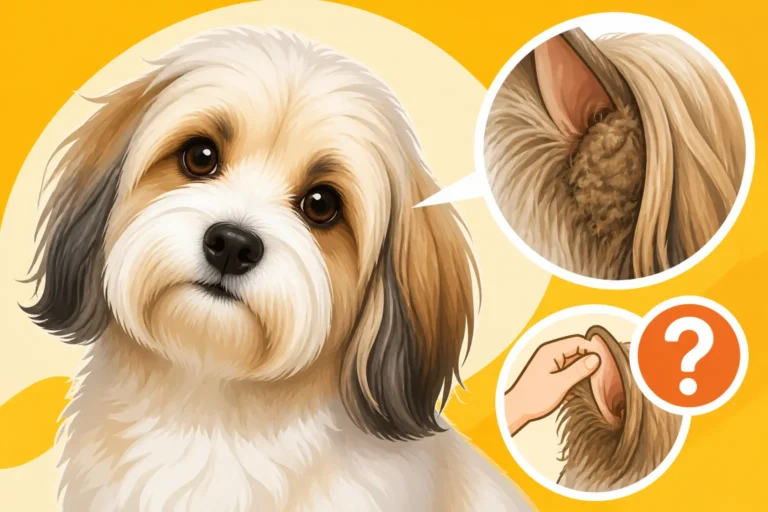
Certain areas on your Havanese are almost guaranteed to mat first, simply due to their anatomy and movement patterns. These are the "hotspots" you need to pay extra attention to during your daily grooming routine. If you neglect these areas, you'll find Whether a Havanese Mats Behind the Ears or in the armpits.
- Behind the Ears: This is probably the number one spot. The hair here is often finer, and the movement of the head and ears constantly creates friction, leading to mats that can become very tight and painful if left unchecked. These mats can pull on the delicate skin behind the ears, causing irritation or even open sores.
- Armpits: Another high-friction area. Every step your Havanese takes involves movement in the armpit region, causing the hair to rub and tangle. Mats here can restrict movement and be extremely uncomfortable. These mats are often hidden, so you really need to lift those little legs and check deeply.
- Collar Area/Neck: The constant rubbing of a collar or harness can flatten and tangle the hair underneath, creating mats. If your Havanese wears a collar constantly, consider using a rolled leather collar or switching to a harness for walks to minimize friction.
- Sanitary Area & Rear: Urine and fecal matter can quickly cause mats and skin irritation in this sensitive area. Keeping the hair here trimmed short is essential for hygiene and mat prevention.
- Paws and Between Toes: Hair between the paw pads can pick up debris, trap moisture, and mat, leading to discomfort and even infections. Regularly trimming this hair is crucial for paw health.
- Beneath the Chin/Beard: Eating and drinking can wet this hair, leading to tangles and even yeast infections if not kept clean and dry. Whether a Havanese's Beard Stains is another common concern, often linked to moisture and food residue.
Proactive Strategies: Your Best Defense Against Matting
Now that you understand why your Havanese is suddenly matting, let's talk about how to stop it in its tracks. Prevention is always, always easier than removal. Establishing a consistent and effective grooming routine is the most powerful tool you have in combating the "blowing coat" phase and maintaining a beautiful, healthy adult coat for your Havanese.
Daily Brushing: More Than Just a Chore, It's a Ritual
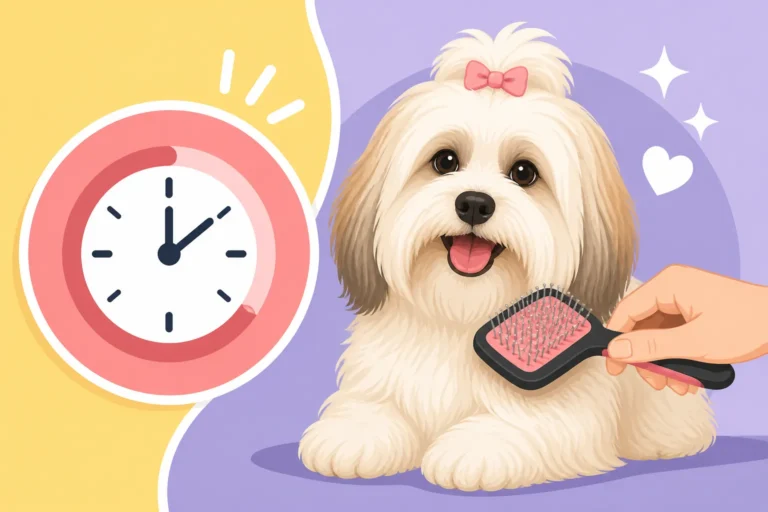
The absolute cornerstone of mat prevention is daily brushing. Yes, daily. Especially during the 8-18 month "blowing coat" phase. This isn't just a quick surface fluff; it needs to be a thorough, systematic brushing that gets down to the skin. The most effective technique for Havanese is "line brushing." This involves parting the coat horizontally, working in small sections, and brushing from the skin out, layer by layer, until you've covered the entire dog. You'll want to review How Often a Havanese Must Be Brushed to truly grasp the commitment.
Establish a consistent time each day for this grooming session. It could be in the evening while you watch TV, or in the morning after their walk. Making it a predictable routine helps your Havanese learn to accept and even enjoy it. Use treats, praise, and gentle handling to make it a positive experience. Remember, you're not just removing tangles; you're also distributing natural oils, stimulating circulation, and checking for any skin issues or parasites. This daily ritual builds a bond and ensures their comfort.
The Right Tools for the Job
Having the correct grooming tools makes a world of difference. Trying to brush out a Havanese with the wrong equipment is like trying to chop wood with a butter knife – frustrating and ineffective. You'll need a combination of tools to tackle all aspects of their coat.
- Slicker Brush: This is your primary weapon against tangles. Choose one with fine, flexible pins. It's excellent for removing loose hair and working through minor tangles. Brush gently, especially in sensitive areas, and always brush away from the skin to avoid scratching.
- Metal Comb: A good quality, sturdy metal comb with both wide and fine teeth is indispensable. After using the slicker brush, use the comb to check your work. Start with the wide-toothed end, then follow with the fine-toothed end. If the comb glides smoothly from root to tip, you've successfully brushed that section. This is the ultimate test for mats. Which Brush Suits a Havanese goes into more detail on selecting the right tools.
- Detangling Spray: A good detangling spray is your best friend. Spritzing the coat lightly before brushing helps to lubricate the hair, making it easier to glide through tangles and preventing breakage. Look for sprays specifically designed for long-haired breeds. You can often find excellent options on Amazon or Chewy. Always use a detangler, never brush a dry coat. Whether Detangling Spray Helps a Havanese will tell you more.
- Scissors with blunt tips: Essential for carefully trimming hair in the sanitary area and around the paws to prevent matting and maintain hygiene. Be extra cautious when using scissors near the skin.
- Nail Clippers/Grinder: While not directly for matting, well-maintained nails are part of overall grooming comfort.
- Grooming Table (optional but recommended): A non-slip grooming table at waist height can save your back and help your dog understand that grooming time is a specific, stationary activity.
Early Introduction to Grooming Habits
Start grooming your Havanese puppy as soon as you bring them home, even before the serious matting phase begins. Short, positive sessions with lots of treats and praise will help them associate grooming with good things. Let them sniff the brush, touch it to their body gently, and gradually work up to full-body brushing. This early conditioning is vital.
If you wait until they're older and already matted, grooming becomes a painful, negative experience, making future sessions a struggle. Teach them to stand patiently, to allow you to handle their paws, ears, and tail. These foundational lessons will pay dividends when the adult coat comes in and the real work begins. Consider having a professional groomer do a "puppy trim" around 12-16 weeks to introduce them to the full grooming experience in a professional setting. This can help prevent Whether a Havanese Fights a Brush later on.
Dealing with Existing Mats: When Prevention Falls Short
Despite your best efforts, sometimes mats happen. A missed brushing session, a romp in wet leaves, or simply the sheer volume of coat change can lead to frustrating tangles. When you find a mat, resist the urge to pull or cut it out with sharp scissors, as this can easily injure your dog. Patience and the right technique are key.
Gentle Detangling Techniques
If you find a mat, don't panic. The first rule is to be gentle. You'll need your metal comb, detangling spray, and sometimes a sprinkle of cornstarch or baby powder.
- Isolate the Mat: Carefully part the surrounding hair and isolate the mat. Hold the hair between the mat and the skin with your fingers to prevent pulling on the skin as you work. This is crucial for your dog's comfort.
- Apply Detangler: Generously spray the mat with detangling spray. If it's a very tight mat, you can also rub a small amount of cornstarch or baby powder into it, which helps to absorb oils and provide some slip.
- Work from the Outside In: Do not try to comb through the entire mat at once. Start at the very edge of the mat, using just the tip of your metal comb. Gently pick at the outer edges of the mat, teasing out individual strands or small clumps of hair.
- Small Sections, Patience: Work slowly, moving inward a tiny bit at a time. It's often helpful to hold the base of the mat with one hand to minimize pulling on the skin. You might find a "mat splitter" tool useful, but always use it with extreme caution and follow directions carefully.
- Comb Through: Once you've picked apart enough of the mat, gently comb through the freed hair with your metal comb. If you hit resistance, go back to picking. Repeat this process until the mat is entirely gone and the comb glides freely through the hair. This process can take time, but rushing will only cause pain and distress for your Havanese.
When to Seek Professional Help
There are times when a mat is simply too big, too tight, or too close to the skin for you to safely remove at home. If you encounter a mat that is:
- Pelted to the Skin: This means the mat has formed a solid, felt-like layer against your dog's skin, often covering a large area. Trying to comb this out will be extremely painful and could tear the skin.
- Causing Discomfort or Pain: If your Havanese yelps, growls, or tries to bite when you touch a mat, it's already causing them significant pain.
- Near Sensitive Areas: Mats around the eyes, ears, or sanitary areas are particularly tricky and carry a higher risk of injury.
- Leading to Skin Issues: Lift the mat if you can gently, and check the skin underneath. If it's red, inflamed, sore, or there are any signs of infection, it needs professional attention immediately.
In these situations, it's always best to take your Havanese to a professional groomer or your veterinarian. They have the specialized tools, knowledge, and experience to safely remove severe matting, often requiring clippers and a very careful approach. Never feel ashamed to ask for help; the health and comfort of your Havanese come first.
The Dreaded Shave-Down: A Last Resort
Sometimes, especially with severely matted Havanese, the only humane option is a full shave-down. This means clipping the entire coat very short, essentially starting from scratch. While it can be a shock to see your fluffy Havanese suddenly look so different, it's often a tremendous relief for the dog. Whether a Matted Havanese Must Be Shaved is a real possibility in these situations.
A shave-down removes all the painful mats, allowing the skin to breathe and any underlying irritation or infection to heal. It also provides a clean slate for you to start a proper grooming routine. The hair will grow back, and with diligent care, you can prevent future matting. Discuss this option with your groomer or vet, as they can explain the process and what to expect during regrowth. While a short clip might The Puppy Cut Most Havanese Owners End Up Choosing, a full shave-down is even shorter and typically for mat removal, not aesthetic choice. Embrace it as a fresh start for your Havanese's coat health!
Nutrition and Coat Health: More Than Just Skin Deep
While external grooming is paramount, what goes into your Havanese also plays a significant role in the health and manageability of their coat. A well-nourished Havanese is more likely to have a strong, resilient coat that is less prone to breakage and matting. Think of their coat as a reflection of their internal health.
Essential Nutrients for a Healthy Havanese Coat
A high-quality diet provides the building blocks for healthy skin and a luxurious coat. Look for dog foods that list real meat as the first ingredient and contain a balanced blend of essential nutrients.
- Protein: Hair is primarily made of protein, so a diet rich in high-quality protein sources (like chicken, beef, lamb, fish) is fundamental for strong, healthy hair growth. Insufficient protein can lead to brittle, dull fur that breaks easily and is more susceptible to matting.
- Omega Fatty Acids (Omega-3 and Omega-6): These "good fats" are crucial for skin health and coat luster. Omega-3s, often found in fish oil, flaxseed, and certain algae, help reduce inflammation and promote a healthy skin barrier. Omega-6s, found in poultry fat and certain vegetable oils, are also important for maintaining skin and coat integrity. Together, they contribute to a soft, supple coat that is less prone to dryness, breakage, and static, which can exacerbate matting. Many premium dog foods, like those found on Chewy, will highlight their omega content. Some owners even add a supplement like fish oil, readily available on Amazon, to their Havanese's daily food.
- Vitamins and Minerals: A complete and balanced diet should provide all the necessary vitamins and minerals. Biotin, Zinc, and Vitamins A and E are particularly important for skin and coat health. Biotin, for instance, supports keratin production, a key component of hair.
- High-Quality Food: Consider options like fresh food delivery services such as Ollie, which can offer tailored nutrition with high-quality, whole ingredients that are excellent for coat health. If you're feeding kibble, ensure it's a reputable brand formulated for small breeds. How Much an Adult Havanese Eats Daily is also an important factor, as under or overfeeding can impact overall health and coat quality.
Hydration and Overall Skin Health
Just like humans, dogs need adequate hydration for healthy skin and hair. Ensure your Havanese always has access to fresh, clean water. Dehydrated skin can become dry and flaky, leading to an unhealthy coat that is more prone to matting and breakage.
The overall health of your Havanese's skin also directly impacts their coat. Dry, itchy, or inflamed skin can lead to scratching, which in turn creates tangles and mats. Regular bathing with appropriate dog-specific shampoos and conditioners helps maintain skin hydration and cleanliness, but always be sure to Drying a Havanese Properly after a bath to prevent mats from forming as the coat air-dries. A humid environment might also make the coat more pliable and less prone to static, which helps in preventing tangles. Conversely, very dry indoor air can cause static electricity, making hairs repel and tangle more easily.
Environmental Factors and Lifestyle Choices
Beyond genetics and nutrition, the daily environment and routine of your Havanese also play a significant role in coat maintenance. Certain factors can either exacerbate matting or, if managed correctly, help prevent it. Paying attention to these external influences can give you an edge in the ongoing battle against tangles.
The Impact of Moisture and Humidity
A Havanese's coat, while beautiful, is a magnet for moisture. Whether it's a rainy walk, a splash in a puddle, or even just high humidity, dampness can quickly turn a few loose hairs into a tight tangle. When the coat gets wet, the individual hairs swell and, as they dry, they often intertwine and shrink, effectively "locking" into place. If there are already small tangles present, moisture will only make them worse, often creating formidable mats that are incredibly difficult to remove once dry.
This is why proper drying after baths is absolutely critical. You can't just let a Havanese air dry; the chances of significant matting are extremely high. You need to thoroughly towel dry, then use a force dryer or a human hairdryer on a cool setting, brushing and combing constantly as you dry, to ensure every strand is dry and tangle-free. This technique prevents the hairs from clinging together as they lose moisture. Similarly, after a walk in the rain or snow, make sure to dry your Havanese completely, paying extra attention to their legs, belly, and armpits.
Avoiding Friction-Causing Accessories
Anything that continuously rubs against your Havanese's coat can create friction, which in turn causes tangles and mats. The most common culprits are collars and harnesses. A traditional flat collar, especially if worn constantly, can rub a bald or matted patch around the neck.
- Collars: If your Havanese wears a collar indoors, consider a lightweight, rolled leather collar, which is designed to minimize coat damage. Many owners opt to remove collars when their Havanese is relaxing at home to reduce continuous friction.
- Harnesses: While harnesses are often recommended for Havanese to protect their delicate necks and tracheas, they can also cause matting in the chest, armpit, and belly areas if not fitted properly or if left on for extended periods. Choose a harness that fits well and is made of a smooth material. Regularly check under the harness during your daily brushing routine to ensure no mats are forming. If your Havanese tolerates it, remove the harness as soon as you get home from your walk.
- Clothing: Adorable as sweaters and coats are, they can also contribute to matting if worn frequently, especially if the fabric is rough or rubs in specific areas. Always check your Havanese's coat thoroughly after they've been wearing clothes.
Keeping a Havanese Off Furniture It Should Not Jump From
While not directly related to matting, this point is vital for the overall health of your Havanese, particularly their joints. Havanese are small, but they love to jump and explore. Unfortunately, repeatedly jumping off high furniture like beds or couches can put significant strain on their small joints, especially their knees. This can exacerbate conditions like luxating patellas, a common issue in the breed.
To protect your Havanese's joints, consider providing dog steps or ramps for them to safely access furniture they are allowed on. Regularly review Whether a Havanese Should Use Steps to the Couch or bed. While a quick jump might not seem like a big deal, years of repetitive impact can lead to long-term orthopedic problems. Protecting their physical health indirectly contributes to their ability to be comfortable during grooming sessions and to move freely without creating additional friction points that could lead to mats. A comfortable, healthy Havanese is a cooperative Havanese on the grooming table!
Disclaimer
This article is for general informational purposes only and does not constitute professional advice. Laws, prices and regulations vary by location and change over time. Consult a qualified professional for guidance on your specific situation.