Whether a Havanese Tolerates Vaccination Well
Bringing home a tiny Havanese puppy or even welcoming an adult into your family is a joyous occasion, but it often comes with a heap of worries, especially when it comes to their health. One common concern I hear from Havanese parents, myself included, is about vaccinations – whether these little bundles of fluff can truly handle them without serious issues. This comprehensive guide is here to walk you through what to expect when vaccinating your Havanese, from the routine pokes to the rare, more concerning reactions.
Understanding the Importance of Vaccinations for Your Havanese
It’s completely normal to feel a bit anxious when it's time for your Havanese to get their shots. They’re so small and delicate, and the thought of them having a bad reaction is really unsettling. However, despite these understandable worries, vaccinations are one of the most critical things we do to protect our beloved Havanese from a host of truly devastating diseases. Think of them as tiny, invisible shields that prepare your dog's immune system to fight off serious threats.
These aren't just minor illnesses we're talking about; many of the diseases vaccines protect against can be fatal, particularly for puppies whose immune systems are still developing. Diseases like canine distemper, parvovirus, adenovirus (hepatitis), and rabies are rampant in some areas and can lead to severe suffering and heartbreaking outcomes. Without vaccination, your Havanese would be incredibly vulnerable, even to diseases you might not think about regularly because vaccines have made them less common. It’s a bit of a Catch-22 – we don't see these diseases as often because of widespread vaccination, which sometimes makes us question their necessity. But trust me, the threats are still out there, lurking in dog parks, on contaminated surfaces, or carried by wildlife.
Why Small Breeds Like Havanese Need Protection
You might wonder if small breeds like the Havanese are somehow more resilient or, conversely, more fragile when it comes to disease. The truth is, all dogs, regardless of size, need protection. What often complicates things for small breeds is their size when a reaction does occur. A mild side effect in a larger dog might appear more pronounced or concerning in a tiny Havanese, simply because their body mass is so much smaller. This can amplify the anxiety for owners, making every little sniffle or moment of lethargy feel like a major crisis.
However, Havanese are generally a robust little breed, known for their The Fourteen to Sixteen Years a Havanese Lives and their overall good health. This doesn't mean they're immune to common canine illnesses, but it does mean their bodies are typically well-equipped to handle the immune response triggered by vaccines. The key is working closely with your veterinarian to tailor a vaccination schedule that suits your Havanese's specific needs, lifestyle, and local disease risks. They'll consider factors like how much your dog interacts with other dogs, whether you travel, and the prevalence of certain diseases in your area.
Core vs. Non-Core Vaccinations
When you take your Havanese to the vet, you’ll hear about "core" and "non-core" vaccines. It’s not just vet-speak; it's a way of prioritizing what’s truly essential versus what’s recommended based on individual risk.
Core vaccines are those universally recommended for all dogs, everywhere, due to the severe nature and high contagiousness of the diseases they prevent. For Havanese, like all dogs, this typically includes distemper, parvovirus, adenovirus (often combined as DHPP or DAPP), and rabies. These are the absolute must-haves, the foundational protection that every Havanese needs to thrive safely in the world. Rabies, of course, is legally mandated in most places, not just for your dog's safety but for public health.
Non-core vaccines, on the other hand, are given based on your Havanese's specific exposure risks. For example, if your Havanese spends time at doggy daycare, goes to obedience classes, visits the groomer regularly, or plays in dog parks, your vet might recommend the Bordetella (kennel cough) vaccine. If you live in an area with a lot of wildlife or take your Havanese hiking, leptospirosis or Lyme disease vaccines might be crucial. These decisions are made collaboratively with your vet, looking at your Havanese's unique life. It’s always worth discussing your dog's routine and environment openly with your vet so they can make the best recommendations.
Common Reactions and What to Expect After Vaccination
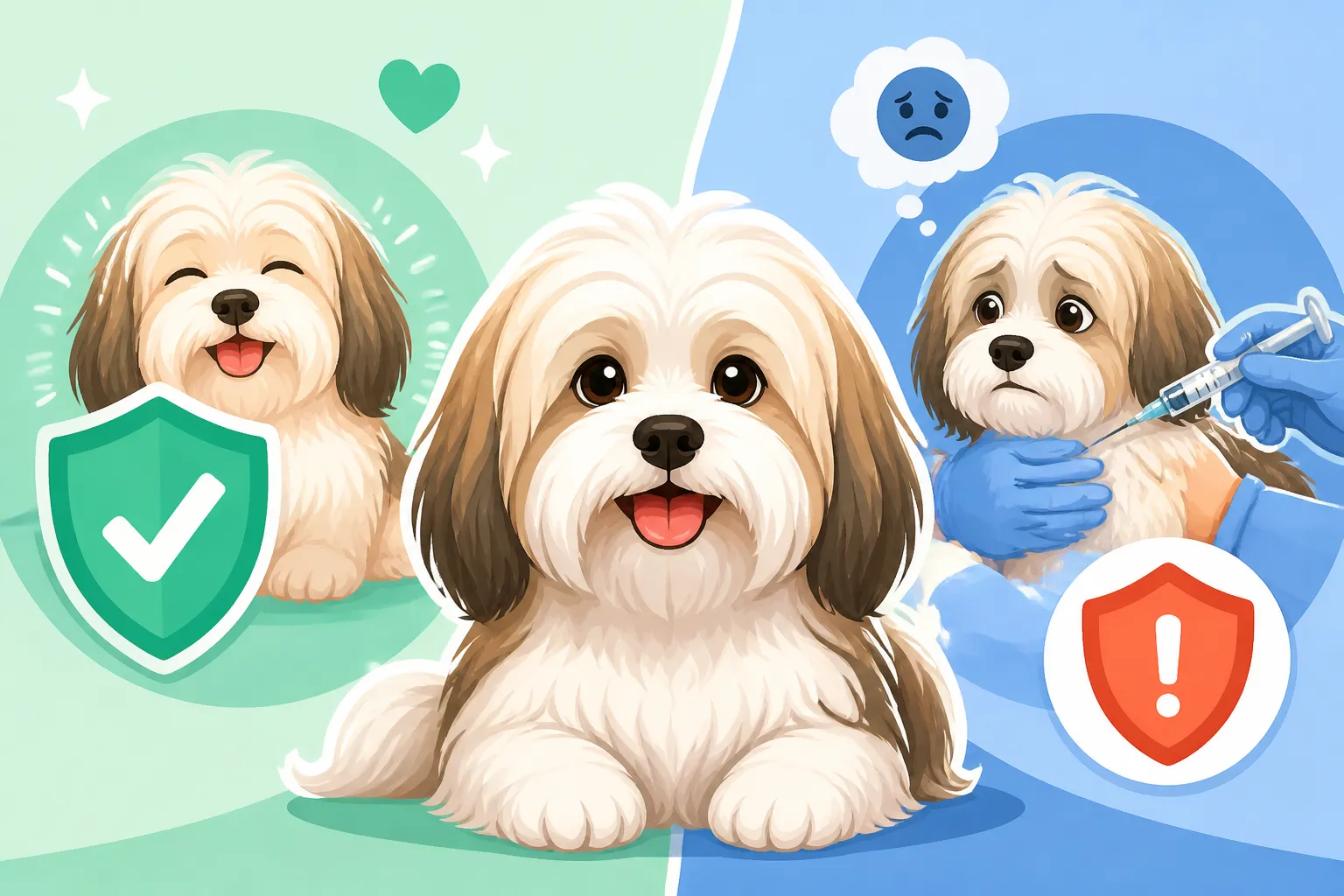
So, you've done the right thing, and your Havanese has had their shots. Now comes the nervous waiting game, right? It’s completely understandable to scrutinize every twitch and sigh. The good news is that most Havanese tolerate vaccinations very well, often with no reaction at all, or only very mild, transient side effects. These reactions are typically a sign that your dog's immune system is doing its job, learning to build protection against the diseases.
The most common reactions are usually localized and minor. You might notice a little tenderness, swelling, or even a small lump at the injection site. This is like when we get a flu shot and our arm feels a bit sore. Your Havanese might also seem a bit tired or less enthusiastic about their usual playtime. They might be a little quiet, sleep more than usual, or have a slightly reduced appetite for a day or two. These are all quite normal and usually resolve on their own without intervention.
It's also not uncommon for some dogs to experience a mild fever. If your Havanese feels a bit warm to the touch or seems generally under the weather, but is still responsive and drinking water, this is likely part of the normal immune response. Just like when a human baby gets a vaccine, their tiny bodies are working hard, and that can manifest as a temporary dip in energy. Keep a close eye on them, offer a cozy spot to rest, and make sure they have access to fresh water.
Managing Mild Side Effects at Home
If your Havanese experiences these mild side effects, the best thing you can do is provide comfort and a watchful eye. Offer them a quiet, warm place to rest where they won't be disturbed. You might want to skip the strenuous walk or intense play session for a day or two and opt for gentle cuddles instead. If their appetite is off, try offering something bland and easily digestible, like boiled chicken and rice, in smaller, more frequent meals. Ensure they always have access to fresh water.
It's helpful to remember that your Havanese puppy might experience a slight dip in blood sugar if they're particularly stressed or not eating much after vaccination, especially as their bodies are still developing. This is why keeping an eye on their energy levels and ensuring they're taking in some calories is important. If you're ever concerned, a quick call to your vet can offer reassurance or guidance. It's better to ask than to worry in silence!
Recognizing and Responding to More Serious Reactions
While rare, it's crucial for Havanese owners to be aware of the signs of more serious vaccine reactions. Knowing what to look for means you can act quickly and get your dog the immediate veterinary care they might need. These reactions, though uncommon, can be more severe and require prompt attention. This is where having pet insurance like Healthy Paws can be invaluable, as unexpected vet visits can rack up costs quickly.
One of the most concerning types of reaction is an allergic reaction, also known as an anaphylactic reaction. This usually happens very quickly, often within minutes to a few hours of vaccination. Signs can include facial swelling, especially around the eyes and muzzle, hives (itchy red bumps on the skin, sometimes hard to see under a Havanese's long coat but might cause excessive scratching), vomiting, diarrhea, sudden weakness, difficulty breathing, or even collapse. If you see any of these signs, especially sudden swelling or trouble breathing, it's an emergency, and you need to get your Havanese to a vet immediately. Don't wait to see if it improves.
Another type of reaction, though less acute than anaphylaxis, can be a more generalized illness. Some Havanese might develop persistent vomiting or diarrhea, become extremely lethargic, or have a high fever that lasts more than 24-48 hours. While some lethargy is normal, extreme weakness where your dog can barely lift their head or isn't interested in anything at all is a red flag. These symptoms could point to a more serious immune response or, in very rare cases, an underlying condition that was exacerbated by the vaccine. It's important to rule out other issues, so a vet visit is warranted.
What to Do if Your Havanese Has a Bad Reaction
If you suspect your Havanese is having a serious vaccine reaction, here’s what to do:
- Contact Your Vet Immediately: This is the most important step. Describe the symptoms clearly, including when they started and how severe they are. Your vet might advise you to come in right away or guide you on what to monitor.
- Stay Calm: It’s scary, but your Havanese will pick up on your stress. Try to remain as calm as possible to help keep them calm.
- Transport Safely: If you're heading to the vet, make sure your Havanese is comfortable and secure in their carrier.
- Provide Information: Once at the vet, be ready to tell them which vaccines were given, the time of vaccination, and a detailed account of the symptoms.
Your vet will assess the situation and provide appropriate treatment, which might include antihistamines, corticosteroids, or fluids, depending on the severity of the reaction. Afterward, discuss future vaccination protocols. Sometimes, a vet might recommend pre-medicating with antihistamines for future vaccines or splitting up vaccine doses to minimize the risk. They might also suggest that your Havanese Puppy Should Be Checked for a Murmur before any stressful events, just to ensure their heart is healthy. For more serious or chronic issues that might arise, understanding What an Echocardiogram Costs on a Havanese or how to manage Whether a Havanese Gets Itchy Skin due to allergies becomes relevant.
Vaccination Schedules and Responsible Practices
Navigating the world of vaccinations for your Havanese isn't just about understanding the potential reactions; it's also about understanding the schedule and what goes into a responsible vaccination plan. It’s not a one-size-fits-all approach, and your vet is your best partner in creating a tailored plan.
For puppies, the first round of vaccinations usually starts around 6-8 weeks of age, followed by boosters every 3-4 weeks until they are about 16 weeks old. This series is crucial because puppies receive maternal antibodies from their mother's milk, which can interfere with the vaccine's effectiveness. The booster shots ensure that once the maternal antibodies wane, the puppy's own immune system can build strong, lasting protection. Rabies is typically given as a single shot around 12-16 weeks of age, depending on local laws. It's vital to complete the full puppy series, as an incomplete series leaves your Havanese vulnerable.
Adult Havanese then receive booster vaccinations, usually every one to three years, depending on the specific vaccine and your vet's recommendations. Many core vaccines, once the initial series is complete, offer protection for three years. However, non-core vaccines like Bordetella often require yearly boosters. Your veterinarian will keep detailed records and remind you when your Havanese is due for their next shots, often coinciding with their annual wellness exam. This yearly checkup is essential, not just for vaccines but also for general health screenings, catching potential issues early, and understanding What a Havanese's Yearly Checkup Costs.
The Role of Responsible Breeding and Early Health Checks
A responsible breeder plays a huge role in the initial health and vaccination tolerance of a Havanese puppy. They ensure puppies receive their first round of appropriate vaccinations and are dewormed before going to their new homes. They also prioritize the overall health of their breeding dogs, screening for genetic conditions that might predispose puppies to other health issues. For instance, reputable breeders will screen for common Havanese health concerns like patellar luxation or specific eye conditions, which can influence a puppy's general well-being and their ability to handle the mild stress of vaccination.
Before your Havanese puppy even gets their first shot from you, a good breeder ensures they are robust enough. They also keep a close eye out for any signs that a Havanese Puppy Drops Its Blood Sugar, which is a concern for tiny breeds and could make them more susceptible to feeling unwell after a vaccination. A healthy, well-nourished puppy with a strong start is much more likely to tolerate vaccinations smoothly.
Tracking and Record Keeping
After each vaccination, your vet will provide you with a vaccination certificate or update your Havanese's health record. Keep these documents safe! They are important for several reasons:
- Proof of Vaccination: Essential for travel, dog parks, boarding kennels, groomers, and sometimes even apartment leases.
- Health History: Helps your vet track your Havanese's vaccination status and overall health.
- Insurance Claims: If a rare but serious reaction occurs and you need to file a claim with your pet insurance provider like Healthy Paws, having clear records is crucial. It’s one of the many reasons to consider Whether a Havanese Is Worth Insuring.
Always make sure you understand which vaccines were given and when the next boosters are due. If you ever switch vets, provide them with your Havanese's full vaccination history. This ensures continuity of care and prevents over or under-vaccination.
Summary of Vaccine Reactions and What to Do
To make things a little easier to digest, here's a quick reference table of common vaccine reactions and how to respond:
| Type of Reaction | Common Symptoms | What to Do | When to Contact Your Vet Immediately |
|---|---|---|---|
| Mild & Localized | – Slight pain/swelling at injection site | – Provide a quiet, comfortable place to rest. | – If swelling at injection site is large, hot, or very painful, or persists for more than 2-3 days. |
| – Small lump under the skin at injection site | – Gently monitor the lump; it should decrease over a few weeks. | – If the lump grows, changes color, or persists for several weeks. | |
| Mild & Systemic | – Lethargy, reduced activity | – Allow extra rest. Encourage gentle interaction but avoid strenuous exercise. | – If lethargy is extreme, your Havanese is unresponsive, or it lasts more than 48 hours. |
| – Mild fever, feeling warm | – Monitor temperature if you have a rectal thermometer; otherwise, observe general demeanor. Keep your Havanese hydrated. | – If fever is high (over 103°F or 39.4°C) or lasts more than 24 hours. | |
| – Decreased appetite | – Offer small, bland meals (e.g., boiled chicken & rice). Ensure constant access to fresh water. | – If your Havanese refuses to eat or drink for more than 24 hours, especially if they are a puppy at risk for Whether a Havanese Puppy Drops Its Blood Sugar. | |
| More Serious (Allergic) | – Facial swelling (muzzle, eyes) | – Emergency! Do not wait. Get to the vet immediately. | – ANY sign of facial swelling, hives, difficulty breathing, sudden weakness, or collapse. These are signs of anaphylaxis and require urgent veterinary care. |
| – Hives (itchy bumps on skin), excessive scratching | – Emergency! Get to the vet immediately. | – ANY sign of hives or intense itching, especially if accompanied by other symptoms. This could quickly escalate to more severe allergic reactions. | |
| – Persistent vomiting or diarrhea | – Call your vet for advice. They may recommend bringing your Havanese in for examination. | – If vomiting or diarrhea is severe, persistent (more than a few episodes), contains blood, or is accompanied by other signs of illness. | |
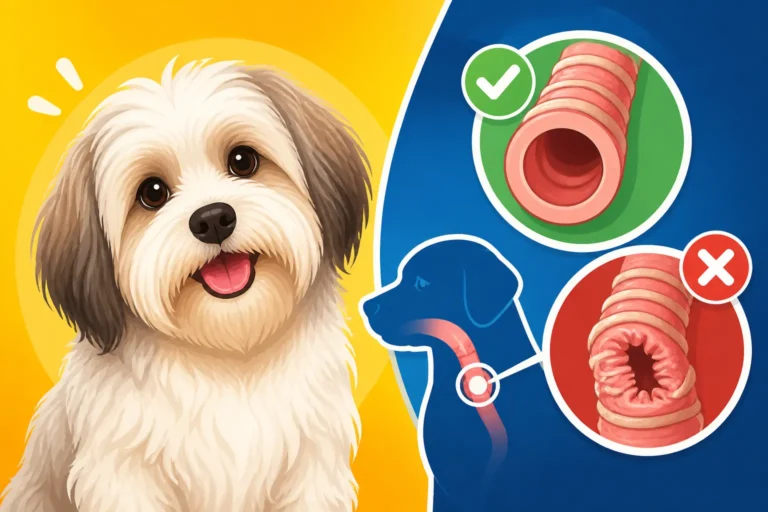
| – Difficulty breathing, coughing, wheezing | – Emergency! Get to the vet immediately. | – Any difficulty breathing, blue gums, or excessive coughing. This could indicate a severe allergic reaction affecting the respiratory system or even a collapsing trachea, which can be an issue for small breeds. | |
| Very Rare | – Autoimmune disorders, neurological issues, organ damage | – These are extremely rare but can be severe. Symptoms vary widely. Your vet will conduct diagnostics, possibly including blood work or specialized imaging. | – Any unusual or severe symptoms not listed above, especially if they appear suddenly or persist. If your Havanese develops What Havanese Are Most Often Treated For not immediately resolved. |
Remember, your Havanese is a cherished member of your family. Being informed and prepared is the best way to ensure they receive the vital protection of vaccines while minimizing any potential risks. Trust your instincts, and never hesitate to contact your veterinarian if you have any concerns at all. It's always better to be safe than sorry when it comes to the health of your furry friend.
Disclaimer
This article provides general information and is not a substitute for professional veterinary advice. Always consult with a qualified veterinarian regarding your Havanese's specific health needs, vaccination schedule, and any concerns about reactions or symptoms. Individual responses to vaccinations can vary.