Where a Havanese Mats First
Many Havanese owners find themselves bewildered and frustrated by the sudden appearance of mats in their beloved dog's luxurious coat. One day it's soft and flowing, the next, you're discovering stubborn tangles in unexpected places. This guide is here to shed light on exactly where your Havanese is most prone to matting, why these areas are problematic, and, most importantly, how you can proactively prevent these furry knots from turning into a nightmare.
Understanding the Havanese Coat
The Havanese coat is truly a marvel, designed to protect them from the harsh Cuban sun and elements. But this beautiful, flowing hair comes with a specific set of care requirements that, if misunderstood, can lead to quick and persistent matting. It's not just "long hair"; it has unique characteristics that make it prone to tangles that can surprise even experienced dog owners.
The Unique Double Coat
Unlike some single-coated breeds, the Havanese boasts a double coat, though it's often described as a single coat because the undercoat is so soft and fine, blending almost seamlessly with the longer, silky outer coat. This unique structure means that dead hair from the undercoat, instead of shedding freely to the floor, often gets caught within the outer coat. When this trapped dead hair mixes with live hair, moisture, and friction, it's a recipe for disaster, quickly forming tight, painful mats. It's less about shedding out and more about shedding in, creating a dense, interwoven mess close to the skin. This fine texture, while beautiful to behold and touch, is also incredibly delicate and easily interwoven, like a fine silk thread that snags easily.
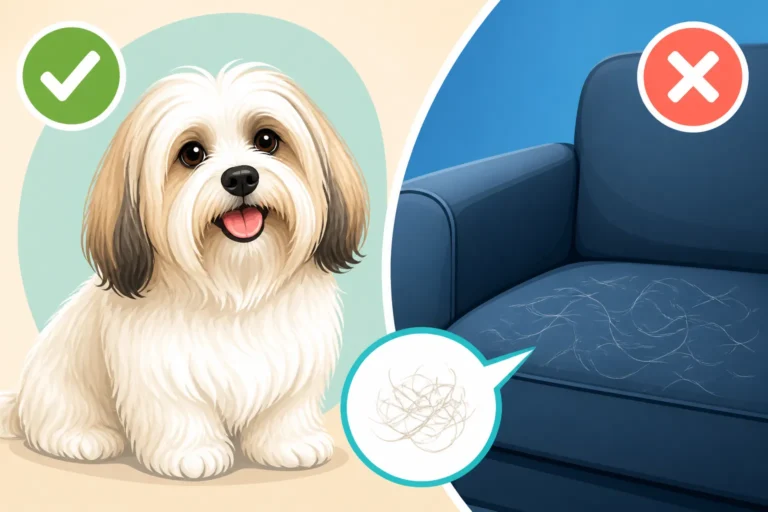
Many people are surprised to learn that while Havanese are often considered "non-shedding," this simply means they don't drop hair all over your furniture and clothes the way many other breeds do. The hair still dies and needs to be removed. Instead, that dead hair remains trapped within the live coat, which means it needs to be diligently brushed out. If it isn't, those dead hairs will naturally felt together with the surrounding live hairs, forming a mat. This unique characteristic is what makes regular, thorough grooming non-negotiable for the breed, differentiating their grooming needs from those of a typical shedding dog. Whether a Havanese Sheds is a common misconception, and understanding this internal "shedding" is key to mat prevention.
The Puppy Coat Change
One of the most challenging periods for any Havanese owner is when their puppy transitions from its soft, fluffy puppy coat to its denser, adult coat. This usually happens between 8 to 15 months of age, though it can vary widely depending on the individual dog and its genetics. During this time, the fine, baby-soft puppy coat literally "sheds" out, but as mentioned, it often gets trapped within the incoming adult coat, creating a dense, sticky texture that mats incredibly fast and tight. What might have been an easy 10-minute brush session suddenly becomes a daily battle against felted patches appearing overnight, almost as if by magic.
Many owners, caught off guard by this sudden change in coat texture and matting propensity, suddenly realize why their Havanese mats at eight months and not before. It’s a crucial period where consistent, thorough brushing becomes non-negotiable. It’s also a time when many owners, overwhelmed by the challenge, seek professional grooming for the first time or opt for a shorter "puppy cut" to manage the coat more easily. Understanding The Months a Havanese Puppy Coat Changes is absolutely vital for preparing yourself and your puppy for this intense grooming phase. Patience and diligence during these months will set the stage for easier coat maintenance in adulthood.
Silky vs. Wiry Textures
While the breed standard calls for a soft, silky coat, not all Havanese coats are created equal. You might notice variations even within a single litter, or certainly across different lines. Some Havanese have a very fine, cottony, almost woolly texture, while others possess a genuinely silken, flowing coat that parts easily. Generally, the finer, more cottony, or even slightly crimped textures tend to mat more easily and tightly. This is because the individual strands of hair are more prone to clinging to each other and intertwining, forming a more compact, felt-like mat.
A truly silky coat, with its smoother texture and heavier drape, can sometimes be a bit more forgiving and may not tangle as quickly or as tightly, though no Havanese coat is immune to matting if neglected. The smooth surface of silky hair makes it harder for individual strands to grip onto each other to form a mat. However, even the silkiest coats will mat in high-friction areas or if wet and not properly dried. Knowing Whether a Havanese Coat Texture Varies by Line can help you understand what to expect from your specific puppy, though daily, diligent care is paramount regardless of texture. It's a common topic among Havanese enthusiasts, as coat texture can significantly impact grooming time and strategy.
Common Matting Hotspots
If you're wondering where to focus your brushing efforts, certain areas on your Havanese are almost guaranteed to develop mats first. These are the high-friction zones, the places where hair rubs, gathers, or gets damp most frequently. Ignoring these spots, even for a day or two, can lead to painful tangles that are much harder to remove later and can quickly cause skin irritation or infections if left untreated.
Behind the Ears and Neck
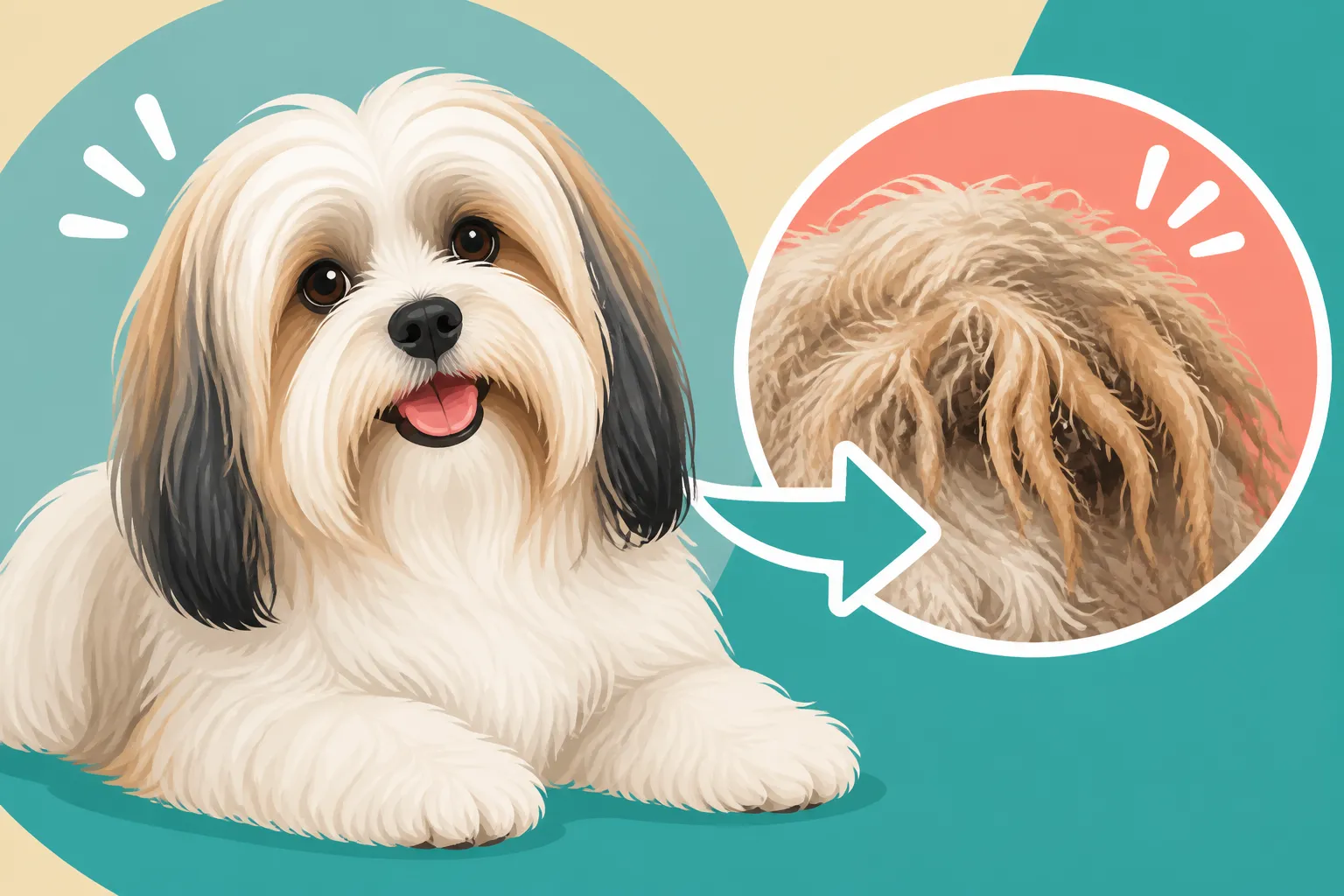
Ah, the notorious "ear mats." This is arguably the number one spot where Havanese owners discover their first significant tangle. The hair behind the ears is often finer, softer, and more delicate than the rest of the coat, making it particularly prone to matting. Combine this with the constant movement of the head (shaking, tilting), scratching (especially if there's any ear irritation or simply from daily itches), and rubbing against collars or harnesses, and you have a perfect storm for mats. Owners often miss this area because it's out of sight, tucked away behind those expressive, long-haired ears.
Even a small amount of moisture—whether from a damp walk, condensation from a cold bowl, a bit of drool, or even an underlying ear infection (which can make the area moist and sticky)—can cause the hair here to felt quickly and tightly. These mats can pull on the delicate skin of the ear, causing pain and making your Havanese resistant to having their ears touched. Whether a Havanese Mats Behind the Ears is almost a certainty for many, and it's a critical area to check daily with a fine-toothed comb, making sure to lift the ear and get right down to the skin.
Armpits and Groin
These areas are prime matting territory due to constant friction from movement. Every step your Havanese takes involves the legs rubbing against the body, creating friction that quickly twists and tangles the fine, often dense, hair in the armpits. Imagine the constant back-and-forth motion; it's like a natural felting machine. Similarly, the groin area, especially in males, is subject to urine wetting and rubbing against surfaces when sitting or lying down, leading to mats that can be particularly uncomfortable, difficult to clean, and prone to skin irritation or even urine scald. These mats are often well-hidden and can go unnoticed until they become large and tight, adhering to the skin.
These areas are also incredibly sensitive, making your dog less likely to tolerate rough detangling attempts. The skin is thin, and the proximity to joints means mats can restrict movement if they become severe. It's often where the hair is thickest, especially in puppies transitioning their coats, adding to the challenge. Whether a Havanese Mats in the Armpits is a common complaint, and these hidden areas demand extra vigilance during grooming sessions, requiring you to carefully lift legs and check thoroughly.
Legs and Paws
The long, flowing hair on a Havanese's legs and paws can be absolutely beautiful when well-maintained, creating those delightful "featherings." However, it's constantly exposed to the elements: dirt, moisture, burrs, grass seeds, and rough surfaces during walks and playtime. From walks in damp grass to simply rubbing against furniture or their own body, the hair on the legs, especially the "furnishings" around the feet, picks up everything. Little bits of leaf, mud, dust, and even just debris from the floor can act as anchors for mats, starting small and growing quickly.
If the hair between the paw pads gets too long, it can also collect debris, pull on the sensitive skin of the pads, and lead to discomfort or even infection, becoming a breeding ground for mats that pull at the toes and can make walking painful. This is particularly true if your Havanese encounters snow, where Whether Snow Balls Up in a Havanese's Coat becomes a real issue, with icy clumps rapidly turning into painful mats. Regular trimming of paw hair, combined with thorough brushing of the leg furnishings, is crucial. Pay close attention to the hocks and the backs of the front legs where mats often form first.
Tail and Underbelly
The tail is another area that experiences a lot of movement and can easily develop mats, especially if it's carried curled over the back, allowing hair to rub constantly against the back or hindquarters. The hair itself is often quite long and dense, making it susceptible to tangling if not brushed regularly. The base of the tail, where it attaches to the body, is a prime spot for mats to hide. The same goes for the hair on the underbelly, particularly around the chest, flanks, and lower abdomen, which is highly susceptible to matting.
This is because the underbelly often comes into direct contact with the ground when your Havanese lies down, especially on rough surfaces like carpets or grass, or with urine, particularly for males or during messy potty breaks. If your Havanese loves to roll around, these areas are constantly being compressed and rubbed, encouraging tangles to form rapidly. These belly mats can be particularly tough to tackle, often hiding close to the skin and making your dog sensitive to being handled there, requiring a gentle touch and careful approach.
Factors That Contribute to Matting
Understanding where mats form is only half the battle; knowing why they form can help you implement better preventative strategies. It's a complex combination of coat type, environmental conditions, and daily habits that dictate how quickly and severely your Havanese's coat will tangle. By addressing these factors proactively, you can significantly reduce the incidence of matting.
Moisture and Humidity
Water itself is not inherently bad for a Havanese coat – they need baths, after all! However, improper drying after a bath or getting wet from rain, dew, snow, or even just slobber or drinking water from a bowl, is a primary culprit for matting. When the coat gets wet, individual strands of hair naturally stick together. If allowed to air dry, or not thoroughly dried with a force dryer and brushed while drying, those sticky strands can intertwine and fuse, forming mats that tighten into dense, painful knots as the hair dries. The effect is similar to wet wool shrinking and felting.
High humidity in the air can also exacerbate the problem, making the coat feel perpetually damp and prone to sticking, even without direct wetting. This is why Whether a Damp Havanese Mats Faster is a resounding yes; it's practically an invitation for mat formation. Always ensure your Havanese is completely dry, right down to the skin, after any encounter with water, using a powerful dryer and systematically brushing through the coat. For areas like the beard and chest, consider using a snood during meal times to keep the hair dry.
Friction and Movement
Your Havanese's daily activities, no matter how innocent, create friction that contributes significantly to matting. Think about how often they shake their head, roll on the carpet, rub against furniture, rough-house with other pets, or even just walk. Collars and harnesses are particularly notorious culprits. A constantly worn flat collar will create a ring of friction around the neck, often resulting in dense mats where the collar sits, especially if the dog pulls on the leash. Similarly, Whether a Harness Mats a Havanese is a common concern for owners of long-coated breeds. If a harness isn't properly fitted, is made of a rough material, or is left on for extended periods, it can rub and compress the hair in the chest, armpit, and flank areas, leading to severe matting underneath that is often unseen until it's too late.
Even seemingly minor things like repetitive licking, scratching, or pressure points from sleeping can cause tangles. If your Havanese consistently sleeps curled up in a specific way, the friction points where the body meets itself or the bedding can become matted. Active dogs that love to run and play will naturally experience more friction in their coats, necessitating even more diligent grooming. Minimizing friction points where possible, and paying extra attention to them, is crucial.
Lack of Consistent Grooming
This might seem obvious, but it bears repeating: the most significant factor contributing to matting is a lack of consistent, thorough grooming. A quick surface brush that just skims the top layer of hair won't cut it for a Havanese. You need to line brush, getting right down to the skin, several times a week, if not daily, especially during the challenging puppy coat change period. Skipping days, even just one or two, can allow small tangles to progress into full-blown mats that are far more challenging to remove, not to mention painful for your dog.
Many owners underestimate How Long Brushing a Havanese Takes Daily, thinking it's a five-minute job, when in reality, a proper full-body brush-out can easily take 20-30 minutes, depending on coat length and condition, and requires patience from both dog and owner. It's a commitment, but it's absolutely essential for their comfort and health, preventing painful skin irritation and potential infection that can occur underneath tight mats. Regular grooming also serves as a bonding experience and allows you to check for any skin abnormalities.
Diet and Skin Health
While not a direct cause of mats in the same way friction or moisture is, a poor diet or underlying skin issues can contribute to a coat that is dull, brittle, and thus more prone to matting. A healthy coat is supple, resilient, and has a natural sheen; a dry, unhealthy coat is more fragile, prone to breakage, static electricity, and tangles. Essential fatty acids, particularly Omega-3s and Omega-6s, play a crucial role in skin and coat health, helping to keep the hair strong, lubricated, and less prone to static electricity, which can also encourage tangles. Quality protein is also vital for hair growth and strength.
If your Havanese has allergies or skin sensitivities, constant scratching or licking can also create mats in irritated areas, as the agitation causes the hair to tangle and felt. Environmental allergens, food sensitivities, or even parasites can all manifest as skin issues that compromise coat health. Ensuring your Havanese is on a high-quality, balanced diet, perhaps one from a reputable brand like Ollie which focuses on fresh, whole ingredients, or checking for veterinarian-approved supplements on Amazon or Chewy, can make a noticeable difference in overall coat quality and resilience. Any signs of Skin Trouble Under a Havanese Coat should be promptly addressed by a vet, as it can quickly lead to painful matting and discomfort.
Preventative Measures and Daily Care
The good news is that with a proactive approach and the right routine, you can significantly reduce the occurrence of mats and keep your Havanese's coat beautiful and healthy. It's all about consistency, using the right tools and techniques, and being observant of your dog's daily activities and coat condition. Prevention truly is easier than correction when it comes to Havanese mats.
The Right Tools for the Job
Having the correct grooming tools is non-negotiable for a Havanese owner. You'll need more than just a simple brush you might pick up at a general pet store. A good quality slicker brush, with flexible pins that are not too harsh, is essential for lifting dead hair, stimulating the skin, and untangling minor surface knots. This should always be followed with a metal comb, ideally with both wide and narrow-set teeth, to ensure you're getting all the way down to the skin and catching any hidden tangles the slicker might have missed. The comb is your final "check" for mat-free hair. A detangling brush or rake can be useful for more stubborn areas, but should be used with extreme caution to avoid tearing the coat or irritating the delicate skin.
Other essential items include high-quality dog-specific shampoo and conditioner (preferably tearless for the face), nail clippers or a grinder, ear cleaning solution, and possibly a good pair of blunt-nosed grooming scissors for trimming around the eyes or paws (again, with extreme caution). For drying, a powerful force dryer designed for dogs is a game-changer; it helps separate the hair strands as they dry, significantly preventing mats from forming and cutting down drying time. Which Brush Suits a Havanese is a common decision, but a combination of these tools is always best for a comprehensive grooming kit.
Daily Brushing Techniques
The key to mat prevention is daily, thorough brushing, especially during the challenging coat change period. You absolutely must line brush, which is the gold standard for dense, long coats. This technique involves parting the hair in small sections, holding the unbrushed hair up with one hand (like holding back curtains), and brushing downwards from the skin outwards on the section you're working on. This ensures you're reaching every layer of the coat, not just the top surface. Start with the "hotspot" areas like behind the ears, armpits, and groin, and then systematically work your way through the entire body, section by section.
Always brush gently to avoid skin irritation or breakage, and make sure your Havanese is comfortable and relaxed. If you hit a snag, don't yank; gently work it out with your fingers or the wide-toothed comb, perhaps using a detangling spray to help loosen the knot. Positive reinforcement with treats and praise can make grooming a pleasant experience. Remember, even one missed day can allow small tangles to progress into full-blown mats. Whether Missing Days of Brushing Costs a Havanese Its Coat is a stark reality for many owners who learn this lesson the hard way.
Regular Bathing and Drying
Bathing your Havanese regularly, typically every 1-3 weeks depending on their lifestyle and how dirty they get, is important for coat health and cleanliness, but how you do it and how you dry them is absolutely paramount to preventing mats. Always, always brush out any mats before bathing; water will tighten mats into impenetrable felt, making them nearly impossible to remove without shaving. Use a high-quality dog shampoo designed for long coats and follow with a good conditioner, allowing it to sit for a few minutes to help soften the coat and make it more manageable. Rinse thoroughly to ensure no residue is left behind, as this can irritate the skin and attract dirt.
The drying process is where many owners go wrong and inadvertently create mats. After toweling gently to remove excess water, use a force dryer on a cool or low heat setting. As you dry, systematically brush the coat, working in sections, separating the hair to ensure it dries completely, right down to the skin. Air drying, even partially, is a recipe for mats, as the wet hairs clump together and bond as they dry. Make sure the coat is 100% dry, all the way to the skin, before your Havanese runs off to play. Learning to dry a Havanese properly is a skill you'll master quickly and it significantly impacts coat health.
Protective Gear and Lifestyle Adjustments
Sometimes, slight adjustments to your Havanese's daily life can make a big difference in preventing mats. If your Havanese wears a collar constantly, consider switching to a soft, rolled leather or fabric collar that's less likely to rub and break the hair. For walks, use a well-fitting, fleece-lined, or silk-lined harness, but remove it immediately after walks to minimize friction on the chest and armpits. Whether a Havanese Should Wear a Harness is important for safety and comfort, but choosing the right kind and using it correctly prevents coat damage. For outdoor adventures in wet or muddy conditions, consider doggy raincoats or paw booties to keep their coat cleaner and drier, especially the leg furnishings.
Many owners also find that tying up the topknot with a soft, coated elastic band or a small clip, if the hair is long enough, keeps the hair out of their eyes and reduces tangles around the face and ears. Regularly trimming hair around the paw pads also prevents debris accumulation and mats between the toes. Think about where your Havanese spends their time; if they love to roll on rough surfaces, consider covering those areas or encouraging them to use smoother bedding.
Dealing with Mats When They Happen
Despite your best efforts and diligent preventative care, sometimes mats simply happen. A missed brush session, an unexpected romp in the mud, or a particularly playful day can leave you with a knot. The key is to address them quickly and gently to prevent them from becoming larger, tighter, and more painful, which can ultimately lead to skin problems.
Gentle Detangling Methods
When you discover a mat, your first instinct might be to pull at it or reach for scissors. Resist this urge! Instead, arm yourself with patience, a sturdy metal comb (preferably with both fine and wide teeth), a slicker brush, and a good quality detangling spray. Start by applying the detangling spray directly to the mat, ensuring it penetrates all the way through, and gently massage it in. Allow it to sit for a minute or two to soften the hair. Use your fingers to try and tease the mat apart from the outside edges, working inwards, slowly separating small sections of hair.
Then, use the corner of your slicker brush or the wide teeth of your comb, gently picking at the outer edges of the mat, working a few strands at a time. The technique is called "pinpoint detangling" or "picking." Always hold the hair at the base of the mat (closest to the skin) to prevent pulling on your Havanese's delicate skin, which can be incredibly painful. This acts as a buffer between the tugging and their skin. It's slow, painstaking work, but it minimizes discomfort for your dog and saves their beautiful coat. Remember, if it's too painful for your dog, stop and take a break. Whether Detangling Spray Helps a Havanese is a common query, and the answer is usually yes, it's a vital tool that can make a huge difference.
Knowing When to Cut or Shave
Sometimes, a mat is simply too tight, too large, too dense, or too close to the skin to be safely detangled with a comb and brush. In these cases, attempting to brush it out will only cause significant pain, skin irritation, and potentially even brush burn. It's important for an owner to know when to admit defeat and reach for the clippers – not scissors. Never use scissors to cut out a mat, especially one close to the skin. It's incredibly easy to accidentally cut your dog's skin, which is often pulled up tightly into the mat, leading to nasty lacerations that require veterinary attention.
Instead, use electric clippers with a short blade (like a #10 or #15) and carefully slide the blade under the mat, parallel to the skin, to shave it off. Always use a fresh, sharp blade to prevent pulling. If you're unsure or uncomfortable doing this yourself, especially in sensitive areas like armpits, groin, or behind the ears, it’s always best to seek professional help from a groomer or veterinarian. Their experience ensures the mat is removed safely and with minimal stress to your Havanese. Whether a Matted Havanese Must Be Shaved often depends on the severity, size, and location of the mat, with severe matting almost always requiring a complete shave-down for the dog's comfort and health.
Professional Groomer Intervention
A professional groomer is an invaluable resource for Havanese owners, especially when facing significant matting. They have specialized tools, expertise, and techniques honed over years of experience to deal with even the most severe mats, often with less stress and pain for your dog than an untrained owner could achieve. Groomers understand coat growth patterns, skin sensitivity, and how to safely navigate delicate areas. If your Havanese comes out of a grooming session with a "puppy cut" or a "shave down" because of matting, it's not a punishment or a failure on your part; it's often the kindest and safest option to remove a felted, painful coat and give your dog a fresh start.
Groomers can also provide valuable advice on preventative care, recommend specific products that work well for the Havanese coat (you can often find these recommended products on platforms like Chewy or Amazon), and even demonstrate proper brushing and drying techniques that you can replicate at home. Don't be embarrassed to take a matted dog to a groomer; they've seen it all, and their priority is the dog's well-being and comfort. Regular visits, perhaps every 4-6 weeks, can help maintain the coat's condition and catch any developing issues early, preventing major matting crises.
| Matting Hotspot | Primary Causes | Prevention Strategies |
|---|---|---|
| Behind Ears and Neck | Head movement, scratching, collars, moisture | Daily combing, check under collar, proper drying |
| Armpits and Groin | Leg movement, friction, moisture | Daily combing, well-fitting harness, careful drying |
| Legs and Paws | Dirt, moisture, friction from walking | Daily combing, trim paw pad hair, booties for wet weather |
| Tail and Underbelly | Sitting, rolling, urine, friction from body | Regular combing, clean after potty breaks, gentle drying |
| Full Body (Coat Change) | Puppy coat shedding into adult coat, fine texture | DAILY line brushing, professional grooming during transition |
Long-Term Coat Health and Considerations
Maintaining a beautiful, mat-free Havanese coat is an ongoing journey that extends beyond just brushing. It's not only about daily grooming techniques, but also about overall health, seasonal changes, and recognizing when a coat issue might signal a deeper underlying problem. A holistic approach ensures your Havanese is comfortable and their coat remains a source of joy, not stress.
Nutrition's Role in Coat Quality
We touched on this briefly, but it's worth emphasizing that what goes into your Havanese directly impacts the quality and manageability of their coat. A diet rich in high-quality protein, essential fatty acids (like Omega-3s and Omega-6s), vitamins (especially A, E, and B-complex), and minerals supports healthy skin and a strong, lustrous coat that is less prone to breakage and tangling. Poor nutrition, conversely, can lead to a dry, brittle, dull coat that mats more easily and is harder to manage, regardless of how often you brush it.
Many high-quality dog foods, like those offered by Ollie, formulate their meals with coat health as a key benefit, often including ingredients like fish oil or flaxseed. If you're feeding kibble, look for brands with clearly stated sources of Omega fatty acids and whole proteins. Sometimes, a supplement, such as fish oil or a skin and coat supplement (always after consulting your vet), can also be beneficial to boost coat health. A healthy coat has a natural sheen, elasticity, and feels soft, making it more resilient to the stresses of daily life and less likely to attract mats. Whether a Havanese Needs Fish Oil for Its Coat is a common consideration for owners.
Seasonal Considerations and Environmental Factors
The changing seasons can bring new and distinct challenges for your Havanese's coat. In winter, dry indoor air (often from heating systems) can lead to static electricity, making the hair stand on end, attract debris, and tangle more easily. Using a humidifier in your home can help mitigate this. If your Havanese loves playing in the snow, it's crucial to prevent snowballs from forming in their long leg and belly hair, which can quickly turn into painful, icy mats; consider trimming paw hair very short or using protective gear like dog boots. In summer, increased humidity can make the coat feel heavy, prone to sticking together, and even "grab" more dirt.
Swimming, while fun, requires immediate and incredibly thorough drying to prevent mats. Even environmental factors like pollen and other allergens can cause your Havanese to scratch more, leading to matting in irritated areas. Being aware of Whether a Havanese Overheats in Summer or Whether a Havanese Needs a Coat in Winter also ties into overall coat care; sometimes a shorter clip in summer or a protective sweater in winter can help manage the coat and the dog's comfort. Adjusting your grooming routine and protection based on the season is a smart strategy.
When to Seek Vet Advice for Skin Issues
While most matting is a direct result of grooming negligence or coat type, sometimes a persistent coat problem can signal an underlying health concern. Excessive scratching, redness, flaking, dry patches, oily skin, or unusual hair loss might indicate allergies (environmental or food), parasites (fleas, mites), fungal infections, bacterial infections, or other dermatological problems. These conditions can damage the hair shaft, making the coat more fragile, brittle, and thus more prone to matting, or cause your Havanese to scratch at an area until it's a matted, inflamed mess.
If you notice any changes in your Havanese's skin or coat health that go beyond typical matting, such as persistent itchiness, sores beneath mats, or unusual odors, it's important to consult your veterinarian promptly. They can accurately diagnose the issue and recommend appropriate treatment, which might include medicated shampoos, dietary changes, specific medications, or allergy management plans. Addressing these underlying health issues can not only improve your Havanese's comfort but also significantly enhance the overall manageability and health of their beautiful coat. Skin Trouble Under a Havanese Coat can be deeply uncomfortable for your dog and should never be ignored.
It might feel like a never-ending battle, but understanding where a Havanese mats first, what causes it, and how to prevent it, puts you firmly in control. Regular grooming, the right tools, and a bit of patience will ensure your Havanese remains comfortable and their gorgeous coat stays free of painful tangles.
Disclaimer
This article is for general informational purposes only and does not constitute professional advice. Laws, prices and regulations vary by location and change over time. Consult a qualified professional for guidance on your specific situation.