Whether a Corded Havanese Can Be Brushed Out
It's a common misconception, especially for those new to the unique Havanese coat, to think that a corded coat can simply be "brushed out" if you change your mind. The reality is quite different, and attempting to brush out true cords would be a painful, damaging, and ultimately futile endeavor for your beloved Havanese. This guide will delve into what a corded coat truly is, why brushing it out isn't an option, and what proper care for this distinctive grooming style actually entails.
Understanding the Havanese Coat and Cording
Before we can even talk about brushing out cords, we need to understand the Havanese coat itself and how cording differs fundamentally from the typical brushed style most people envision. It's a gorgeous coat, but it demands understanding.
The Nature of the Havanese Coat
The Havanese boasts a luxurious double coat, a characteristic that truly sets them apart. Unlike many breeds with a single coat, your Havanese has a softer undercoat beneath a longer, silkier outer coat. This combination is what gives their hair its incredible texture and volume, and it’s also what makes it prone to matting if not meticulously cared for. This double layer is designed to protect them from the elements, but it also means that loose hair gets trapped within, creating the perfect environment for tangles to form. Understanding What Makes a Havanese Coat Double Rather Than Single is key to appreciating its unique properties.
Many owners opt for a traditional brushed-out look, which requires diligent, daily brushing to prevent mats from forming. This involves working through the coat layer by layer, from the skin out, to ensure all loose hair is removed and the coat remains free-flowing and airy. The goal is a soft, flowing mane that showcases the breed's natural beauty.
How Cords Develop
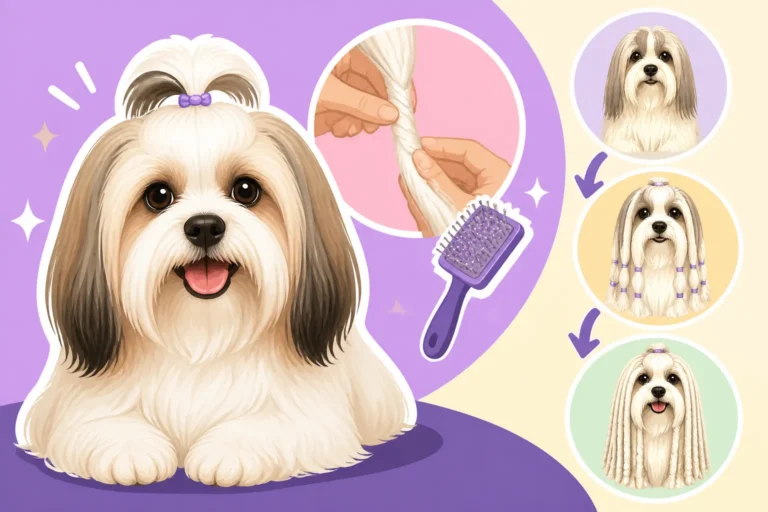
Cording is not simply neglected matting; it's a deliberate and natural process where the Havanese's double coat separates into distinct strands, or "cords." These cords form when the soft undercoat intertwines with the longer outer coat, creating a felt-like texture that, instead of matting into a flat sheet, twists and binds into individual rope-like structures. Think of it less like dreadlocks on a human and more like the specific formation seen in Puli or Komondor dogs. It's an art, really, to guide the coat into forming proper, healthy cords.
This process isn't instant. It takes time, patience, and specific techniques to encourage the coat to cord correctly. Initially, the coat is kept clean and allowed to naturally begin felting at the roots. Over weeks and months, as the hair grows and sheds, the nascent cords are carefully separated by hand, ensuring they remain distinct and don't clump together into solid mats. This careful separation prevents discomfort and ensures the cords grow evenly and cleanly down to the skin. If you're curious about the timeline, How Long Cords Take to Form on a Havanese can give you a better idea.
Why Brushing Out Cords Is Not an Option
This is where many people misunderstand cording. It’s not just a messy version of a brushed coat; it’s an entirely different coat structure. Trying to revert a properly corded coat back to a brushed one is not feasible without extreme measures.
The Physical Structure of a Cord
A fully formed cord is a dense, interlocking cylinder of hair. Imagine hundreds, even thousands, of individual hairs, from both the undercoat and outer coat, twisted and felted together into a solid rope. This isn't just a tangle at the surface; it extends all the way down to the skin. The internal structure of a cord is incredibly strong and compact, designed to be robust and durable. Each cord is a complete, self-contained unit of hair that has intentionally bonded together.
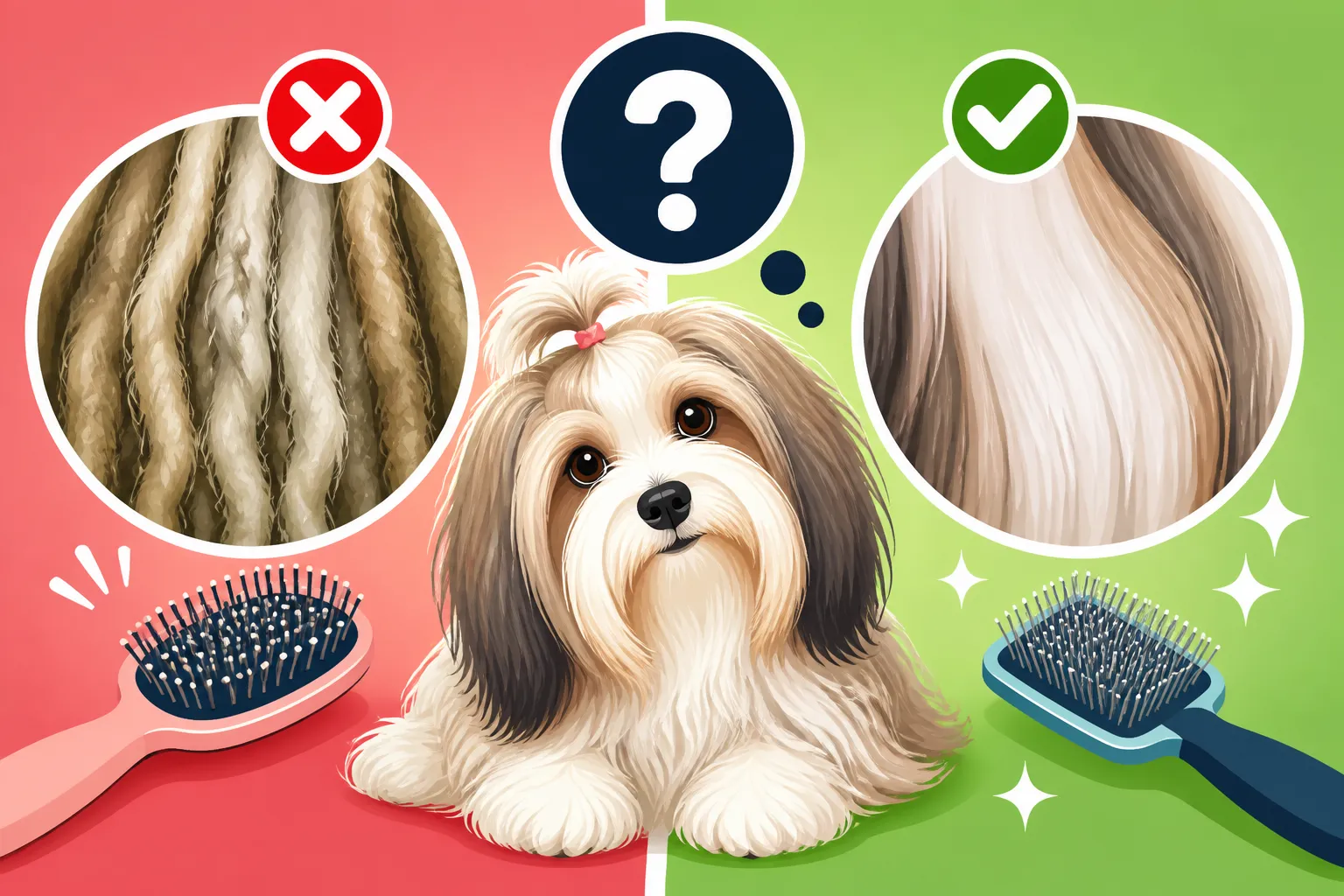
Because the hair within each cord is so thoroughly intertwined and felted, it loses its individual strands and instead becomes a cohesive, fabric-like entity. This physical transformation means there's no way to separate those individual hairs back out with a brush. A brush simply cannot penetrate the density of the cord, nor can it unravel the complex network of felted hair without tearing and breaking it.
The Difference Between a Cord and a Mat
This is perhaps the most crucial distinction: a cord is not a mat. A mat is a haphazard, neglected clump of tangled hair that has become felted, often forming a flat, uncomfortable sheet against the skin. Mats are painful because they pull on the skin, restrict movement, and can hide skin infections, parasites, and other problems. They are a sign of improper grooming for a brushed coat. For more on this, consider Where a Havanese Mats First.
A cord, on the other hand, is a structured, intentional formation. While a neglected corded coat can certainly develop mats between the cords or at the roots if not properly maintained, a healthy, well-formed cord itself is not a mat. Cords are meant to be separated into distinct strands, allowing air circulation and healthy skin underneath. Mats, by their very nature, are chaotic and damaging. Trying to brush out a cord is like trying to brush out a piece of felt fabric – it's simply not what it's designed for, and you'll only destroy the material and cause distress.
What Happens If You Try to Brush Out Cords
Let's be unequivocally clear: attempting to brush out a fully corded Havanese coat is a recipe for disaster. It will cause immense pain to your dog and severe damage to its coat and skin.
The Dog's Experience
Imagine having your hair, which has been intentionally matted and formed into ropes, aggressively pulled and torn at with a brush. That's essentially what you'd be inflicting on your Havanese. The pain would be excruciating, as each stroke of the brush would tug at the tightly bound hair, pulling on their delicate skin and potentially ripping out entire cords at the root. Dogs are incredibly stoic, but this level of discomfort would be unbearable.
Beyond the immediate physical pain, such an experience would be deeply traumatic for your Havanese. They would quickly develop a profound fear and aversion to grooming tools, and likely to you, their owner, if you were the one inflicting the pain. This can lead to lasting behavioral issues, making even simple handling difficult in the future. Trust, once broken, is very hard to rebuild, and you never want your grooming sessions to become a source of terror for your pet.
Damage to the Coat and Skin
Trying to force a brush through cords will not unravel them; it will simply rip and break the hair, destroying the integrity of the cords. The result will be a frizzled, damaged mess that is neither a corded nor a brushed coat. You'll end up with broken hair shafts, a wildly uneven texture, and a coat that is far more prone to matting and further damage than before.
More concerning are the potential consequences for the skin. The constant pulling and tearing can cause skin irritation, redness, and even open sores. If the skin is repeatedly scraped by the bristles, it can lead to brush burn or razor burn-like injuries, which are painful and prone to infection. In severe cases where a corded coat has been neglected and truly matted between the cords, the only humane solution is often to shave the dog down completely, a task that often requires professional expertise and can be costly.
Caring for a Corded Havanese
Cording is a specialized grooming choice, and it comes with its own set of care requirements. It's a commitment, but when done right, a corded Havanese is a truly stunning sight. Cording a Havanese and What It Commits You To is a good read if you're considering this style.
Routine Cord Maintenance
The key to a healthy corded coat is diligent, hands-on maintenance. This doesn't involve brushing, but rather regular separation of the cords. You need to go through each cord individually, from the root to the tip, and gently pull them apart to ensure they don't grow together into a solid pelt. This often involves using your fingers to split them, much like you would separate dreadlocks. This process keeps the skin exposed to air, preventing moisture buildup and allowing you to check for any skin issues.
You'll also need to regularly inspect the skin underneath the cords for any redness, irritation, or parasites. Because the cords are dense, problems can easily be hidden. Keeping the cords clean at the base is crucial. Some owners find specialized cord separating tools helpful, often found on platforms like Chewy or Amazon, to aid in maintaining distinct separations, especially as new hair grows in.
Bathing and Drying a Corded Coat
Bathing a corded Havanese is quite different from bathing a brushed one. You can't just rub shampoo vigorously into the coat, as this will felt the cords together. Instead, the process involves gently squeezing a diluted shampoo solution into the cords, allowing it to penetrate and clean without agitating the hair. Rinse thoroughly by squeezing clean water through the cords until no suds remain.
Drying is perhaps the most challenging part of corded coat care. Cords absorb and hold a lot of water, and if not dried completely, they can develop mildew and a very unpleasant odor. This is why many corded Havanese owners invest in high-velocity pet dryers, which are essential for forcing air deep into each cord to ensure thorough drying. Air drying simply isn't sufficient for a corded coat. You also need to know Drying a Havanese Properly. Ensuring complete dryness is vital to prevent skin issues and maintain hygiene, which also addresses the concern of Whether a Corded Havanese Smells.
Deciding Between a Brushed or Corded Coat
The decision to cord your Havanese is a significant one, impacting both your grooming routine and your dog's lifestyle. It's not a choice to be made lightly, and understanding the full scope of the commitment is paramount.
The Commitment of Cording
Cording a Havanese is a labor of love that demands considerable time, patience, and specialized knowledge. It's certainly not less work than maintaining a brushed coat, just different work. The initial phase of cord formation can be frustrating as the coat goes through an awkward, transitional stage. Even once cords are formed, the regular separation, careful bathing, and extensive drying routines are incredibly time-consuming. You can expect to spend hours on grooming a corded Havanese each week, especially on bath days.
Furthermore, a corded coat is heavier and can be warmer for the dog, requiring you to be mindful of your Havanese's comfort, especially in hot climates. While a corded coat offers a protective layer, managing its density for your dog's comfort is part of the commitment. Consider if Whether Cording Suits Every Havanese Coat for your individual pet and lifestyle. It's a journey, not a quick fix, and requires dedication to keep the coat healthy and beautiful.
The Beauty of a Corded Coat
Despite the significant commitment, a well-maintained corded Havanese is a truly majestic and unique sight. The cords hang like natural, elegant ropes, giving the dog an almost regal appearance. For many, it's a way to celebrate the historical roots of the Havanese breed, connecting to a time when such coats were perhaps more common, though less intentionally managed. The cords can also offer a certain level of protection from brambles and minor scrapes if the dog spends time outdoors.
Beyond the aesthetic, a corded coat, when properly cared for, can be surprisingly low-maintenance between baths, as there's no daily brushing required. Instead, the focus shifts entirely to the hands-on separation and meticulous bathing process. It transforms the Havanese from a fluffy companion into a distinctive work of art, often turning heads and sparking conversations wherever you go.
What to Do If Your Corded Havanese Has Developed Mats
Even with a corded coat, neglect can lead to matting, especially at the roots or if individual cords are allowed to felt together. This requires careful and sometimes drastic intervention.
Addressing Neglected Cords
If your corded Havanese has developed true mats — meaning the cords have clumped together into solid, uncomfortable masses, or mats have formed in areas not meant to cord — you likely have two main options, and neither involves brushing. The first is to seek out a professional groomer who specializes in corded breeds or has extensive experience with severely matted dogs. They may be able to carefully work to separate or shave specific matted sections while preserving the healthy cords. This is a delicate and time-consuming process that often requires specialized tools and expertise.
In many cases, if the matting is extensive and severe, the only humane option is to completely shave the dog down. This decision is heartbreaking for owners, especially after the effort of cording, but it prioritizes the dog's comfort and health. A skilled groomer will perform this carefully to avoid nicking the skin, which can be taut and irritated under mats. Once shaved, you can then decide whether to regrow a corded coat from scratch or maintain a shorter, brushed style like The Puppy Cut Most Havanese Owners End Up Choosing.
Preventing Future Matting in Cords
Prevention is always better than cure, especially with corded coats. The most effective way to prevent matting in a corded Havanese is through consistent and thorough cord separation. As mentioned, daily or every-other-day inspection and hand-separation of each cord, ensuring it remains distinct from its neighbors and free from the skin, is crucial. Pay particular attention to areas behind the ears, armpits, and under the tail, which are prone to matting even in corded coats.
Regular, appropriate bathing and meticulous drying are equally important. Never let your corded Havanese air dry, as dampness encourages felting and mildew. After bathing, use a high-velocity dryer and your fingers to ensure every cord is dry down to the skin. Finally, avoid harsh chemicals or products that can cause the cords to stick together. Your best bet for a healthy, beautiful corded coat is a steadfast commitment to its unique grooming needs. If you're looking for general grooming advice, Grooming an Old Havanese That Cannot Stand Long or How Often a Havanese's Teeth Need Scaling covers broader health topics.
| Feature | Brushed Havanese Coat | Corded Havanese Coat |
|---|---|---|
| Appearance | Fluffy, flowing, soft, voluminous | Rope-like, dense, often longer, distinct strands |
| Grooming Daily | Daily line brushing to prevent mats | Daily hand separation of cords |
| Bathing | Lather and rinse, work shampoo through coat | Squeeze diluted shampoo, gentle rinsing |
| Drying | Towel dry, then force dry with brush for fluffiness | High-velocity dryer, focus on drying each cord |
| Tool Needs | Slicker brush, pin brush, steel comb, dematting tools | Fingers, specialized cord separating tools, high-velocity dryer |
| Mat Prevention | Consistent brushing to remove loose hair | Consistent separation of cords at the roots |
| Reversibility | Can be shaved down if severely matted | Cannot be "brushed out"; must be shaved to revert |
| Commitment | High daily time investment for brushing | High time investment for initial cording, bathing, and drying |
Disclaimer
This article is for general informational purposes only and does not constitute professional advice. Laws, prices and regulations vary by location and change over time. Consult a qualified professional for guidance on your specific situation.