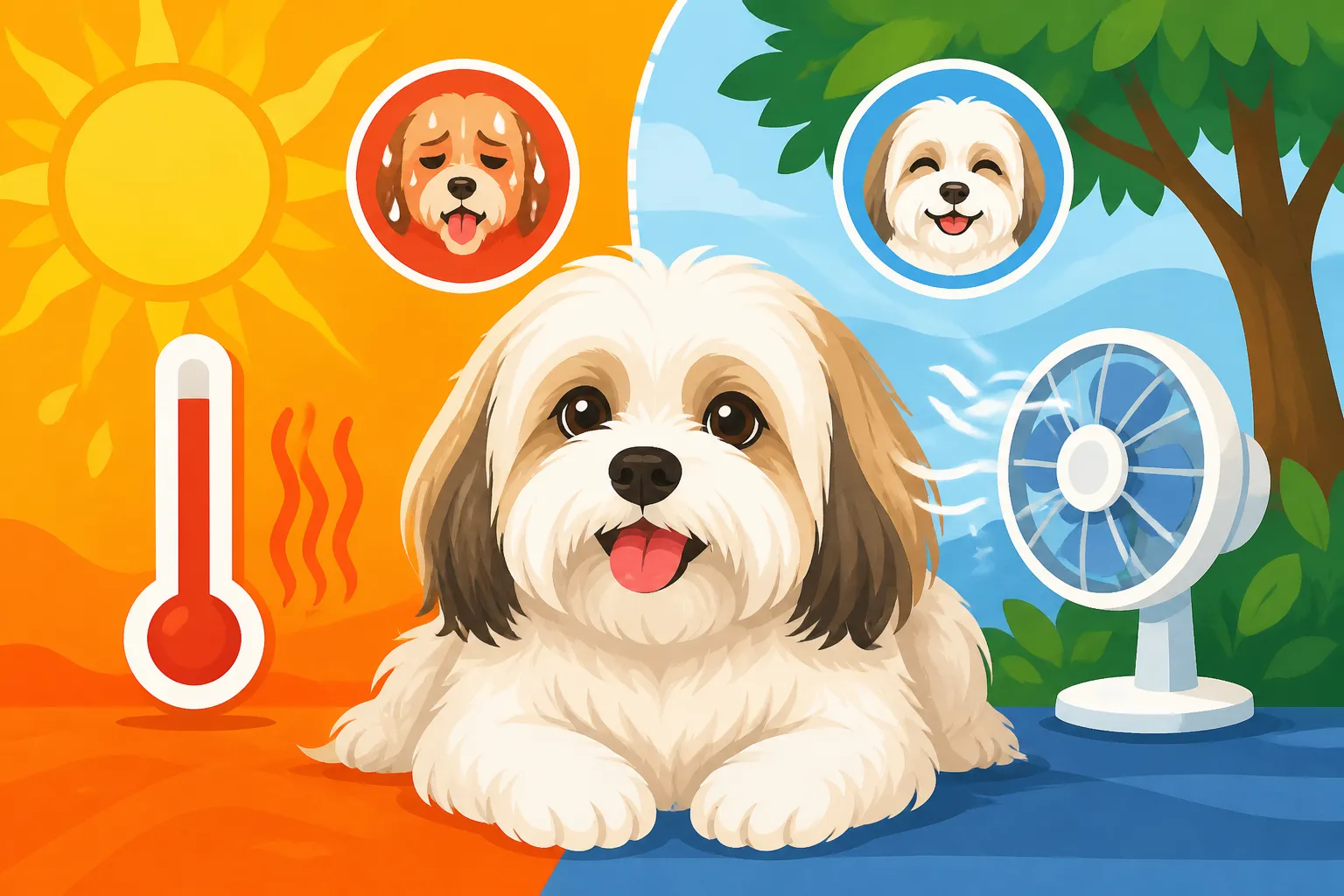
Whether a Havanese Overheats in Summer
The summer months can bring a unique anxiety to Havanese owners, especially when you look at that glorious, flowing double coat and wonder how on earth your little companion manages in the heat. It’s a genuine concern, seeing them pant after a short stroll, and nobody wants their beloved Havanese to suffer from the oppressive warmth. This guide is here to shed light on how Havanese handle summer, what signs to watch for, and most importantly, how to keep your furry friend safe and comfortable when temperatures rise.
Understanding the Havanese Coat and Heat Tolerance
It's easy to look at a Havanese's abundant coat and immediately assume they must be boiling hot all the time, especially during summer. However, the truth about their coat's function is a bit more nuanced than that. Understanding how their unique hair works can help you better manage their comfort in warmer weather.
The Double Coat's Role in Temperature Regulation
The Havanese possesses a natural double coat, which consists of a softer undercoat and a longer, silkier outer coat. This type of coat isn't just for looking beautiful or keeping them warm in winter; it actually plays a vital role in regulating their body temperature year-round. Think of it like insulation for your house: it keeps heat in during the cold and helps keep heat out during the warmth. The outer guard hairs stand away from the body, creating an air pocket that acts as a buffer against both cold and heat. This air layer allows for some convection, meaning air can move through it, which helps dissipate body heat.
However, this natural insulation works best when the air is dry. When humidity skyrockets, that insulating air pocket can become saturated with moisture, trapping heat against the dog's body and making it much harder for them to cool down. It’s not just the temperature, but the feel of the air that can make a huge difference to their comfort. This is why a humid 80-degree day can feel far more dangerous to a Havanese than a dry 90-degree day. Their coats don't shed like many other breeds, so maintaining that airy layer through regular brushing is key, as mats can effectively block the airflow they need.
How Their Small Size Affects Heat Sensitivity
While a Havanese's small size might seem like an advantage in hot weather because they have a smaller body mass to heat up, it also comes with its own set of challenges. Smaller dogs often have a higher metabolism relative to their size, which can generate more internal heat. More critically, their proximity to the ground means they are much closer to superheated surfaces like asphalt or concrete. Imagine walking barefoot on a sidewalk that's been baking in the sun all afternoon – that's what your Havanese experiences, but multiplied because they're so much closer to it.
Their compact body structure also means less surface area relative to their volume for heat to escape, especially when compared to lanky, lean breeds. While they don't have the brachycephalic (short-nosed) issues of some other toy breeds, their size still makes them susceptible to overheating if not carefully managed. Their little paws, with limited padding and hair, are also directly exposed to scorching surfaces, making paw pad burns a real risk.
Individual Differences and Predispositions
Just like people, not all Havanese are created equal when it comes to heat tolerance. Some might be more robust and handle warmer days with fewer issues, while others might wilt even on moderately warm afternoons. Factors like age, overall health, and underlying conditions can significantly impact how well your Havanese copes with summer heat. A Caring for a Havanese Past Twelve guide will highlight that older Havanese, or those with existing health concerns like The Heart Murmur an Older Havanese Develops, might struggle much more. Their cardiovascular system might not be as efficient at regulating body temperature, making them more vulnerable.
Puppies, too, are often more sensitive as their thermoregulation systems are still developing. Furthermore, some Havanese might have a denser undercoat than others, or a particularly thick, plush outer coat, which could impact their ability to dissipate heat. Observing your individual dog's behavior and learning their specific comfort levels is paramount. What works for one Havanese down the street might not be suitable for yours, so always err on the side of caution.
Signs Your Havanese is Overheating
Recognizing the subtle, and not-so-subtle, signs that your Havanese is getting too hot is absolutely critical for their safety. It's easy to dismiss early symptoms, thinking they're just a little tired or thirsty, but quick action can prevent a dangerous situation from escalating into a full-blown emergency.
Early Warning Signals to Watch For
The first signs your Havanese might be getting too warm are often a bit more subtle than outright collapse. Increased panting, especially if it seems heavier or more rapid than usual for their activity level, is a primary indicator. While panting is how dogs cool themselves, excessive panting without extreme exertion is a red flag. You might also notice their gums becoming brighter red than their normal healthy pink, indicating increased blood flow as their body tries to cool itself. They might seem more lethargic, perhaps dragging their feet a bit or slowing down significantly on a walk they usually breeze through.
Another common sign is seeking out cool spots. Your Havanese might try to lie down on tile floors, in shaded areas, or press themselves against a cool wall. They might refuse treats or toys they usually love, showing a general disinterest in their surroundings. Some dogs might even appear a bit restless, unable to find a comfortable spot to settle, or try to burrow into cooler surfaces. Catching these early cues is your best chance to intervene before things get serious.
Advanced Symptoms of Heatstroke
If the early warning signs are missed, or if the heat exposure is prolonged and severe, a Havanese can quickly progress to advanced stages of heatstroke, which are life-threatening. At this point, panting will become frantic and labored, almost sounding like gasping, and might be accompanied by drooling that is thick and ropey. Their gums might appear very dark red, almost brick-like, or even pale and grayish if they're in shock. Vomiting and diarrhea, sometimes bloody, are also severe indicators.
Neurological symptoms can begin to manifest, such as staggering, disorientation, or a vacant stare. Your Havanese might collapse, seizure, or become unresponsive. Their body temperature will be dangerously high, though trying to take a rectal temperature at home might cause more stress. At this stage, time is of the essence, and immediate veterinary intervention is required. Understanding What Actually Kills Most Havanese includes knowing that heatstroke, while preventable, can be fatal if not treated quickly and effectively.
Distinguishing Normal Panting from Distress
It’s important for every Havanese owner to learn the difference between normal panting, which is a dog's primary cooling mechanism, and panting that indicates distress. When a Havanese is panting normally, their breaths are usually regular, deep, and steady. Their tongue might be out, but it won't be extremely extended or wide, and their gums will remain a healthy pink. After a short rest in a cooler area, their panting should quickly subside, and they should return to their normal energetic selves.
Panting due to distress or overheating, however, will look and sound different. It will be much more rapid, shallow, and often frantic. The panting might be accompanied by a wide, stretched-out mouth and a very long, flat tongue. You might hear wheezing or a struggle for breath, and their chest will heave noticeably. There will likely be excessive drooling, and their gums might change color as described above. If your Havanese continues to pant heavily even after moving to a cool, shaded area and drinking water, or if any other symptoms of overheating are present, consider it an emergency.
Preventative Measures for Summer Safety
Prevention is always the best approach when it comes to keeping your Havanese safe during the summer. A few simple adjustments to your routine and environment can make a world of difference, allowing your dog to enjoy the warmer months without risk.
Timing Walks and Outdoor Activities
One of the easiest and most effective ways to prevent overheating is to adjust the timing of your Havanese's outdoor excursions. Avoid walks and strenuous play during the hottest parts of the day, which are typically between 10 AM and 4 PM. Instead, aim for early morning walks when the sun isn't as strong and the ground has had a chance to cool overnight. Evening walks, after the sun has set and ambient temperatures have dropped, are also a much safer option.
Even on cooler summer days, always assess the ground temperature before you head out. A quick trick is to place the back of your hand on the pavement for five to seven seconds. If it's too hot for your hand, it's too hot for your Havanese's paws. Consider keeping walks shorter than usual, focusing on shaded routes, or even swapping traditional walks for indoor play sessions or short trips to air-conditioned pet-friendly stores. You might find that How Much Exercise a Havanese Needs is more about mental stimulation during peak heat than physical exertion outdoors.
Ensuring Constant Access to Fresh Water
Hydration is absolutely non-negotiable for dogs, especially in warm weather. Always ensure your Havanese has constant access to fresh, cool water, both indoors and outdoors. Multiple water bowls placed around the house can encourage them to drink more frequently. For outdoor adventures, a portable water bottle with an attached dispenser is a summer essential. Brands like Amazon offer a wide variety of convenient portable water solutions that easily fit in your bag.
Beyond just water, you can also offer hydrating treats. Small ice cubes can be a fun, refreshing snack. Some owners freeze diluted chicken broth or make dog-safe "pupsicles" with blended fruits like watermelon (seedless) or berries. Just be mindful of sugar content in fruit. You could also mix a bit of water into their wet food or try fresh food options, which naturally have higher moisture content. For instance, some companies like Ollie specialize in fresh, human-grade dog food that often has a higher moisture percentage than traditional kibble, aiding in overall hydration.
Avoiding Hot Surfaces
As mentioned, hot pavement, asphalt, and even sand can quickly burn your Havanese's delicate paw pads. These surfaces absorb and retain heat from the sun, reaching temperatures much higher than the ambient air. A sidewalk on an 85-degree day can easily hit 130-150 degrees Fahrenheit, which is enough to cause severe burns in just a few minutes.
Whenever possible, walk your Havanese on grass or shaded dirt paths. If you must walk on paved surfaces, invest in dog booties for protection. Introduce them gradually indoors before expecting your Havanese to wear them comfortably outside. If booties aren't an option, drastically limit walks during the day, sticking only to shaded areas or avoiding paved paths altogether. Remember, if you can't comfortably walk barefoot on a surface, your Havanese shouldn't either.
| Symptom Category | Mild Overheating Signs | Severe Heatstroke Signs |
|---|---|---|
| Panting | Increased, faster than usual | Frantic, labored, gasping, wheezing |
| Gums/Tongue | Brighter red, slightly extended tongue | Dark red, pale/gray, extremely extended/flat tongue |
| Energy | Lethargy, slowing down, seeking cool spots | Staggering, disorientation, collapse, unresponsiveness |
| Drooling | Mild increase | Excessive, thick, ropey |
| Other | Restlessness, reluctance to move, refusal of treats | Vomiting, diarrhea (possibly bloody), seizures |
Emergency Response to Heatstroke
Even with the best preventative measures, accidents can happen. If you suspect your Havanese is suffering from heatstroke, knowing how to react immediately can be the difference between a full recovery and a tragic outcome.
Immediate First Aid Steps
If you observe any signs of severe overheating or heatstroke, the very first thing to do is remove your Havanese from the hot environment immediately. Move them into an air-conditioned space, a cool, shaded area, or even a car with the AC blasting. Once in a cooler spot, begin active cooling measures. Start by gently wetting their body with cool (not ice cold) water. Focus on areas where blood vessels are close to the surface, like their belly, inner thighs, armpits, and paw pads. You can use a hose on a gentle setting, wet towels, or even sponge them down.
Do not submerge them in ice water, as this can cause the blood vessels to constrict, trapping heat inside their core and potentially causing shock. Offer small amounts of cool water to drink, but don't force it if they're disoriented or struggling to swallow, as it could lead to aspiration. Continuously monitor their condition and try to keep them calm. While you're doing this, be preparing to head to the vet. This initial cooling at home is crucial to start bringing their core temperature down before further complications set in.
When to Seek Veterinary Attention
Always, always seek veterinary attention if you suspect heatstroke. Even if your Havanese seems to be recovering from the initial cooling efforts, internal damage from heatstroke isn't always immediately apparent. Organs can be affected, and complications like kidney failure, bleeding disorders, or brain swelling can develop hours or even days later. A veterinarian will be able to assess their internal temperature, check for organ damage through blood tests, and provide intravenous fluids and other supportive care.
Call your vet or the nearest emergency veterinary clinic while you are on your way to let them know you're coming and explain your Havanese's symptoms. This allows them to prepare for your arrival and expedite treatment. Don't delay the trip, thinking you can "wait and see." Heatstroke is a severe medical emergency, and prompt professional care significantly increases the chances of survival and minimizes long-term health issues. Consider reading What Emergency Care Costs a Havanese Owner to understand the potential financial aspect, but never let that deter you from seeking immediate help.
What to Expect at the Vet
When you arrive at the veterinary clinic with a Havanese suffering from heatstroke, expect them to be taken in for immediate assessment and treatment. The veterinary team will prioritize stabilizing their core body temperature, often using techniques like cool IV fluids, enemas, and continued external cooling. They will likely monitor vital signs closely, including heart rate, respiratory rate, and blood pressure. Blood work will be performed to check for organ damage, electrolyte imbalances, and clotting issues.
Depending on the severity of the heatstroke and any complications, your Havanese might need to be hospitalized for a period. They may receive medications to address specific symptoms, such as anti-nausea drugs, anti-seizure medications, or even plasma transfusions if clotting problems are severe. The recovery process can vary widely, but early intervention greatly improves the prognosis. Be prepared for a potentially stressful and costly experience, but remember that your veterinary team is doing everything they can to save your beloved companion.
Seasonal Grooming Choices for Summer
Grooming plays a significant role in helping your Havanese stay comfortable in the summer heat. While their long, flowing coat is beautiful, practical considerations often lead owners to consider shorter styles.
The "Puppy Cut" and Its Benefits
For many Havanese owners, the "puppy cut" becomes the go-to summer hairstyle. This involves clipping the entire coat to a uniform, shorter length, typically anywhere from half an inch to two inches, leaving them looking perpetually youthful and fluffy. The primary benefit of a puppy cut in summer is improved airflow to the skin. While the natural long coat provides insulation, a shorter clip reduces the bulk, making it easier for air to circulate and body heat to escape, especially when humidity is high. It also drastically reduces the chances of matting, which can trap heat and create hotspots under the coat.
A puppy cut makes daily grooming much simpler, requiring less time brushing and detangling, which can be a relief in itself during busy summer days. It also means less hair tracking in dirt, mud, and burrs from outdoor adventures. For Havanese who love to swim, a shorter coat dries much faster, reducing the risk of skin infections that can occur if damp hair remains against the skin for too long. If you're wondering Whether a Puppy Cut Suits a Havanese, the answer for summer comfort is often a resounding yes.
Maintaining Coat Health in Shorter Styles
Even with a shorter "puppy cut," proper coat maintenance remains essential. A short Havanese coat still requires regular brushing, perhaps every other day, to prevent mats from forming, especially in friction areas like armpits, behind the ears, and around the collar. Although shorter, the Havanese coat can still get tangled if neglected. Using a slicker brush and a steel comb is still necessary to keep the hair free of knots and stimulate the skin.
Bathing frequency might increase slightly if your Havanese is spending more time outdoors and getting dirty. Always use a good quality dog shampoo and conditioner to keep the hair and skin healthy. Ensure you rinse thoroughly to avoid skin irritation. When drying, towel dry first, then use a dog-specific force dryer or a human hairdryer on a cool setting to ensure the coat is completely dry down to the skin. This prevents fungal or bacterial issues that thrive in damp environments. Don't forget that Whether a Havanese Gets Hot Spots Under Its Coat can still happen even with a short cut if moisture is trapped.
Misconceptions About Shaving
A common misconception among Havanese owners is that shaving their dog completely bald will keep them coolest in summer. This is generally not true and can actually be detrimental. Remember, the Havanese double coat, when healthy and well-maintained, provides a layer of insulation that can protect against both cold and heat. Shaving it down to the skin removes this natural barrier, leaving their delicate skin exposed to the sun's harmful UV rays, which can lead to sunburn and increased risk of skin cancer.
Furthermore, a completely shaved coat can sometimes grow back with a different texture, often coarser or patchy, and the undercoat can sometimes overgrow the guard hairs, leading to more matting issues in the future. Instead of shaving, opt for a longer "puppy cut" or a practical clip that leaves at least an inch or so of hair. This length provides some protection from the sun while still allowing for much better airflow than a full-length coat. Consult with your groomer about the best length to leave for your Havanese's comfort and coat health, especially since Whether a Clipped Havanese Coat Grows Back the Same is a common concern.
Creating a Cool Indoor Environment
While outdoor precautions are crucial, ensuring your Havanese has a cool and comfortable indoor sanctuary is equally important. Even a short time in an overheated house can cause distress, especially for dogs left alone during the day.
Utilizing Air Conditioning and Fans
Air conditioning is your Havanese's best friend during hot summer days. If you have AC, set it to a comfortable temperature, ideally in the low 70s Fahrenheit, to provide a consistent cool environment. If you don't have central air, window units or portable AC units in key rooms can offer much-needed relief. Remember, your Havanese can't sweat efficiently like humans, so they rely on their environment to help them cool down.
Fans can also be very helpful, but they work differently for dogs than for humans. Humans cool primarily through sweat evaporation, which fans accelerate. Dogs primarily cool through panting, and fans can help by moving hot air away from their bodies, making their panting more effective, especially in conjunction with air conditioning. Place fans at floor level, where your Havanese spends most of their time, but ensure cords are out of reach to prevent chewing. Even a ceiling fan can help circulate air and create a more comfortable ambient temperature.
Providing Cooling Mats and Elevated Beds
To give your Havanese extra options for cooling down, consider investing in cooling mats or elevated beds. Cooling mats often contain a gel that activates with pressure, providing a cool surface for your dog to lie on. They don't require electricity or refrigeration and can be a fantastic spot for your Havanese to relax after a warm walk. You can find a wide selection of these on sites like Chewy or Amazon.
Elevated beds, often made with a mesh fabric, allow air to circulate underneath your dog, preventing heat from building up between their body and the floor. This can be especially beneficial if your Havanese tends to burrow into thick bedding that might trap heat. Placing an elevated bed in front of a fan can create an even more effective cooling station. These options provide active ways for your Havanese to manage their own temperature, giving them a choice when they feel warm.
Hydration Beyond the Water Bowl
While readily available fresh water is paramount, there are other ways to encourage hydration and provide cooling relief indoors. As mentioned earlier, offering ice cubes as treats is a simple way to increase water intake and cool them from the inside out. You can also make frozen treats or "pupsicles" using dog-safe ingredients like plain yogurt (no xylitol!), mashed bananas, or diluted chicken broth. These can be a delightful way to keep them hydrated and occupied.
Consider adding a small amount of water to their regular meals, especially if they eat dry kibble. This can subtly increase their daily fluid intake. You can also offer certain fruits and vegetables known for their high water content, such as small pieces of watermelon, cucumber, or cantaloupe (always checking for seeds and ensuring they are dog-safe). These methods complement their regular water consumption and provide extra opportunities for hydration, which is vital when the mercury climbs.
Disclaimer
This article is for general informational purposes only and does not constitute professional advice. Laws, prices and regulations vary by location and change over time. Consult a qualified professional for guidance on your specific situation.