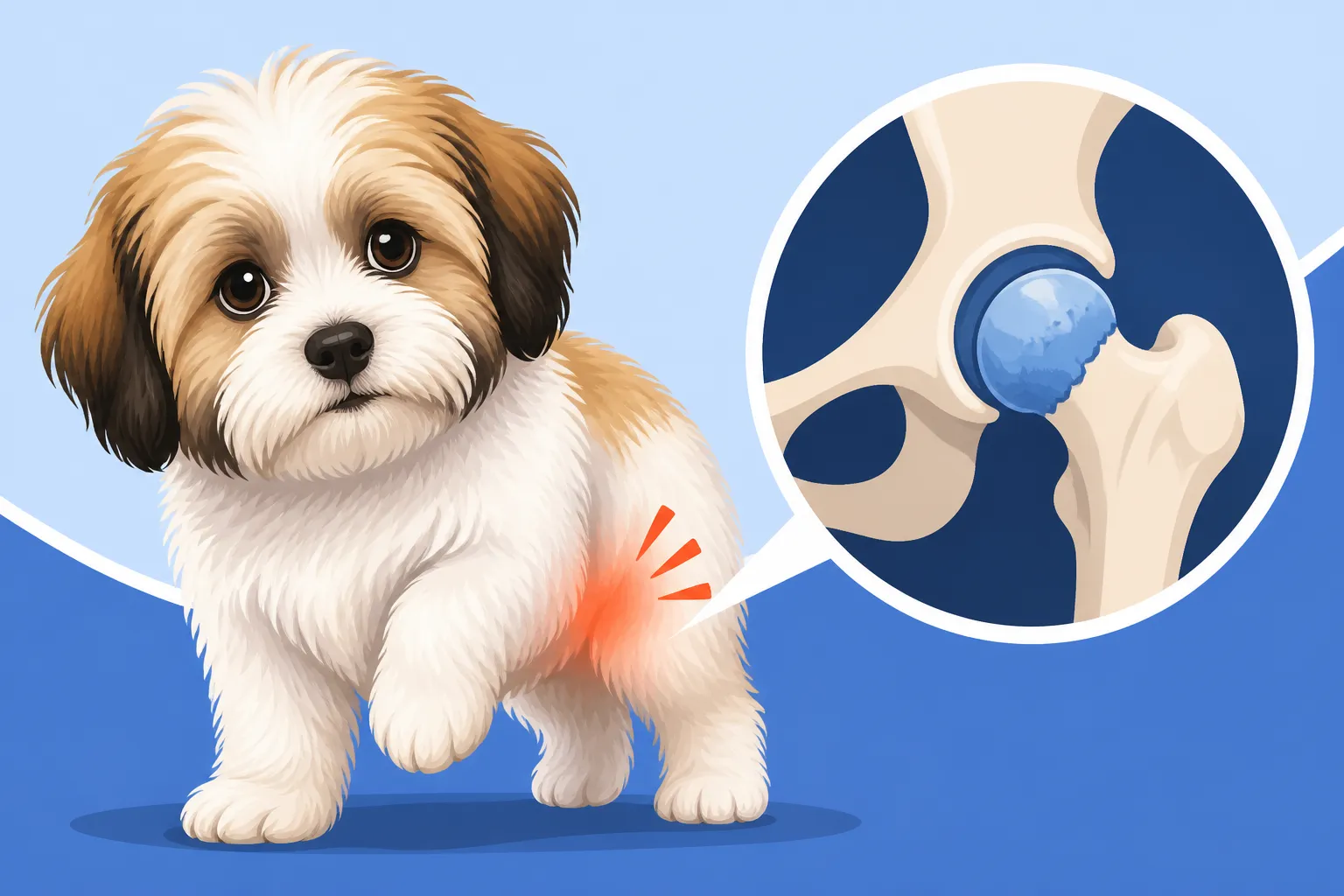
Legg Calve Perthes and the Limping Havanese Puppy
Seeing your beloved Havanese puppy suddenly develop a limp is one of the most heart-wrenching experiences a dog owner can face. The worry gnaws at you – is it just a sprain, or something more serious? For Havanese, and many other small breeds, that mysterious limp, particularly in a young pup, can sometimes be attributed to a condition called Legg-Calve-Perthes disease (LCP). This guide is here to walk you through understanding this often-confusing condition, how to recognize its signs, and what steps you can take to help your furry friend recover.
Understanding Legg-Calve-Perthes Disease
Legg-Calve-Perthes disease might sound like a mouthful, but at its core, it’s a condition that affects the hip joint of young dogs, leading to pain and lameness. It's not something a puppy is born with in the traditional sense, but rather a developmental issue that typically manifests as they grow. Knowing what's happening inside that tiny hip can help you grasp the seriousness of the situation and why prompt action is so crucial.
The Anatomy of a Healthy Hip
Imagine your Havanese’s hip joint as a perfectly designed ball-and-socket mechanism. The "ball" is the head of the femur (thigh bone), and it fits snugly into the "socket," which is part of the pelvis called the acetabulum. Both surfaces are covered with smooth cartilage, allowing the joint to move fluidly and without pain. This intricate structure is held together by ligaments, muscles, and a joint capsule, all working in harmony to support movement, from a gentle stroll to a playful zoomie across the living room. In a growing puppy, the bones, including the femoral head, are still developing, relying on a consistent blood supply to lay down new bone cells and strengthen.
A healthy hip is vital for a dog's mobility and comfort. When everything is working as it should, your Havanese can jump, run, and twist with incredible agility, their compact size making them surprisingly nimble. The ball-and-socket design ensures a wide range of motion while maintaining stability. This is why any disruption to this delicate balance, especially in a fast-growing pup, can lead to significant problems.
How LCP Damages the Femoral Head
Legg-Calve-Perthes disease essentially involves a disruption of the blood supply to the head of the femur. Think of it like a temporary blockade cutting off essential nutrients and oxygen to a specific part of the bone. Without this vital blood flow, the bone cells in the femoral head begin to die, a process known as avascular necrosis. As these cells die, the bone weakens, becomes brittle, and starts to collapse and deform.
This deterioration of the femoral head can lead to several painful consequences. First, the smooth, spherical shape of the "ball" becomes irregular and rough, causing friction and pain when it moves within the "socket." Second, the joint space can narrow, and the integrity of the cartilage is compromised. Over time, the entire joint can become inflamed, leading to chronic pain, arthritis, and significant lameness. It’s a progressive condition, meaning it often starts subtly and worsens as the bone continues to break down. This process typically occurs in Havanese puppies between 3 to 18 months of age, with most cases appearing around 6 to 9 months, which aligns with The Age Legg Calve Perthes Hits a Havanese developmental timeline.
Why Havanese Puppies Are Susceptible
It can feel unfair when a young puppy is diagnosed with a condition like LCP. You might wonder why your Havanese, of all dogs, is facing this challenge. While the exact cause remains somewhat elusive, there are strong indications that genetics and the specific characteristics of smaller breeds play a significant role in their susceptibility.
The Genetic Link
While LCP isn't typically seen at birth, there's a strong hereditary component. It's believed that certain genes might predispose a Havanese to developing the condition. This means if a Havanese parent, grandparent, or sibling has had LCP, the chances of their offspring developing it can increase. However, it's not a simple dominant or recessive gene, making breeding decisions and screening a bit more complex. Responsible breeders are very aware of this risk and strive to avoid breeding dogs with a history of LCP in their lines. This is part of a broader commitment to canine health, which includes understanding issues like The Chondrodysplasia That Runs in Certain Havanese Lines or The Eye Diseases a Havanese Inherits.
It’s not just Havanese, of course; many small and toy breeds like Miniature Poodles, West Highland White Terriers, and Yorkshire Terriers are also overrepresented in LCP cases. This prevalence in specific breeds points strongly to a genetic predisposition, even if the exact mode of inheritance is still being studied. For prospective puppy owners, asking about the health history of the parents and their lineage, especially regarding orthopedic issues, is paramount. A reputable breeder will be transparent about any known LCP in their lines and take steps to mitigate risk.
Small Breed Predisposition
Beyond genetics, the very nature of being a small breed might contribute to the development of LCP. Smaller dogs often have different growth rates and bone development patterns compared to their larger counterparts. Some theories suggest that microtraumas from normal puppy play and movement, which would be inconsequential in a larger, more robust breed, might disrupt the fragile blood supply to the femoral head in a genetically predisposed small breed puppy. Their bones are still rapidly ossifying, or hardening, during the peak age range for LCP, making them particularly vulnerable to vascular interruptions.
The anatomy of the tiny hip joint in a Havanese also plays a role. The femoral head and neck might be more susceptible to compression or subtle changes in blood flow during their rapid growth phase. It’s a delicate balance, and anything that tips it – even something as seemingly minor as vigorous play or a small jump – could potentially initiate the process in a predisposed puppy. While we can’t wrap our puppies in bubble wrap, understanding this predisposition helps us appreciate why conditions like LCP are more common in our smaller companions.
Spotting the Early Warning Signs
Recognizing Legg-Calve-Perthes early can make a significant difference in treatment outcomes and your Havanese's comfort. The signs are often subtle at first, easily dismissed as a minor tweak or growing pains. But knowing what to look for, especially in a puppy between 3 and 18 months old, can prompt you to seek veterinary attention sooner rather than later.
The Characteristic Limp
The most obvious and common sign of LCP is a developing limp in one of the hind legs. It typically starts as a mild, intermittent lameness that might appear after exercise and then improve with rest. You might notice your Havanese puppy favoring one leg, putting less weight on it, or holding it up for a moment before putting it down. This "toe-touching" lameness can progressively worsen over several weeks or even months, eventually becoming constant and severe.
It's crucial to distinguish this from a fleeting stumble. If your Havanese consistently limps, even if it's not every single day, it warrants a vet visit. The limp might be particularly noticeable when your pup first gets up after resting, or after a period of active play. You might see them struggling to jump onto furniture (which, by the way, they really shouldn't be doing unsupervised anyway, especially given concerns like Keeping a Havanese Off Furniture It Should Not Jump From), or showing reluctance to use stairs. Don’t dismiss a persistent limp in a young Havanese, even if it seems to come and go.
Pain Response and Behavioral Changes
Beyond the limp itself, a Havanese puppy suffering from LCP will often exhibit clear signs of pain. They might yelp or cry out when you touch their hip or manipulate the affected leg. You might notice them becoming more withdrawn or less enthusiastic about their usual games and walks. A once playful and bouncy Havanese might suddenly seem subdued, preferring to lie down rather than engage.
Look for changes in their posture as well. They might sit or lie in unusual positions to try and alleviate pressure on the painful hip. Some puppies become irritable, growling or snapping when approached, especially if they anticipate being touched in the painful area. Even simple actions like grooming or getting up from a nap can become a chore. Any deviation from your Havanese's normal joyful demeanor, combined with a limp, should raise a red flag and prompt immediate veterinary consultation. These subtle behavioral shifts are often the unsung heroes in diagnosing conditions like LCP early.
Muscle Atrophy
As the condition progresses and the puppy uses the affected leg less due to pain, the muscles in that hind leg will begin to weaken and shrink. This is known as muscle atrophy. You might notice that the affected leg looks visibly thinner compared to the healthy one. Feel along the thigh muscles – they might feel less developed, softer, or less firm. This muscle wasting is a direct consequence of disuse and confirms that the limb isn't being used properly.
To check for muscle atrophy, gently compare the circumference of both upper hind legs. While it can be tricky in a fluffy Havanese, you might feel a difference. This atrophy isn't just cosmetic; it further exacerbates the problem by reducing support for the already compromised joint, potentially leading to greater instability and pain. Early intervention can slow or even prevent significant muscle loss, underscoring the importance of prompt diagnosis and treatment. This kind of physical asymmetry is a strong indicator that something serious is happening, like when you observe Spotting Bowed Legs in a Havanese Puppy which can also signal underlying structural issues.
The Diagnostic Journey
When you bring your limping Havanese to the vet, you're not just looking for a quick fix; you're embarking on a diagnostic journey to uncover the root cause of the problem. Your veterinarian will use a combination of physical examination and imaging to confirm if Legg-Calve-Perthes disease is indeed what's causing your pup's discomfort.
Initial Veterinary Examination
Your vet will start with a thorough physical examination, observing your Havanese's gait, how they stand, and how they react to touch. They will carefully palpate (feel) the affected hip joint, gently rotating and extending the leg. During this manipulation, they’ll be looking for signs of pain, grinding or clicking sounds (crepitus), and reduced range of motion. They'll also assess for muscle atrophy, as discussed earlier, by comparing the muscle mass of both hind legs.
During this examination, your vet will ask you a lot of questions. Be prepared to discuss when you first noticed the limp, if it's intermittent or constant, whether it worsens with activity, and any changes in your Havanese's behavior or appetite. Details about your puppy's age, activity level, and any known family history of orthopedic issues are also critical. This comprehensive initial assessment helps your vet narrow down the possibilities, ruling out other conditions that might cause similar symptoms, such as a sprain, a fracture, or even The Kneecaps a Havanese Slips (luxating patella).
Radiographic Confirmation
While the physical exam can strongly suggest LCP, X-rays are the definitive diagnostic tool. Your vet will typically take multiple views of your Havanese's hips, often under light sedation, to ensure the best quality images and to minimize any discomfort for your pup. The X-rays will reveal the tell-tale signs of Legg-Calve-Perthes disease.
On the radiographs, the vet will be looking for characteristic changes:
- Flattening or irregularity of the femoral head: Instead of a smooth, round ball, it might appear flattened, mottled, or even crumbling.
- Widening of the joint space: In some cases, as the bone necroses, the space between the femoral head and the acetabulum might appear larger.
- Increased bone density (sclerosis) or lysis (bone destruction): These indicate the bone's reaction to the necrosis and collapse.
- Osteoarthritis: In more advanced cases, secondary changes like bone spurs (osteophytes) and joint space narrowing due to cartilage loss will be visible, indicating the development of arthritis.
These radiographic findings allow the vet to confirm the diagnosis and assess the severity of the damage, which is crucial for determining the best course of treatment. Sometimes, further imaging like an MRI might be suggested in complex cases, but X-rays are generally sufficient for LCP.
Treatment Options for Legg-Calve-Perthes
Once your Havanese is diagnosed with Legg-Calve-Perthes, you and your vet will need to discuss the best treatment path. Generally, there are two main approaches: conservative management for very mild cases, or surgical intervention for most. The choice will depend on the severity of the disease, your puppy's age, and your family's ability to commit to the rehabilitation process.
Conservative Management Strategies
Conservative management is usually reserved for the absolute mildest cases, often where the X-rays show only very early changes and the puppy's pain is minimal and intermittent. The goal is to reduce pain and inflammation, prevent further damage, and encourage natural healing if possible, though complete natural recovery is rare without surgery.
This approach typically involves:
- Strict Rest: Limiting all strenuous activity is paramount. This means no jumping, no running, short leash walks only for potty breaks, and avoiding slippery surfaces. A crate or small pen might be necessary to ensure compliance. This can be challenging with a lively Havanese puppy, but it’s essential.
- Pain and Anti-Inflammatory Medication: Your vet will likely prescribe Non-Steroidal Anti-Inflammatory Drugs (NSAIDs) to manage pain and reduce inflammation in the joint. These medications help your dog feel more comfortable, but they don't address the underlying bone degradation.
- Weight Management: Keeping your Havanese at a lean, healthy weight is crucial to reduce stress on the hip joint. Even a few extra ounces can make a big difference in a small dog.
- Physical Therapy: Gentle, passive range of motion exercises might be recommended by your vet or a certified canine physical therapist to maintain joint mobility and prevent muscle contractures, without putting weight on the joint.
It’s important to understand that conservative management doesn't usually resolve LCP, especially if the bone has already started to collapse. It can sometimes delay the need for surgery or provide comfort, but most Havanese puppies with LCP will eventually require surgical intervention to achieve a pain-free life.
Femoral Head Ostectomy FHO Surgery
For the vast majority of Havanese puppies diagnosed with LCP, the most effective and common treatment is a surgical procedure called a Femoral Head Ostectomy, or FHO. This might sound daunting, but it's a proven method for eliminating pain and restoring good function to the affected leg. You might be wondering Whether a Havanese Needs Femoral Head Surgery, and in most LCP cases, the answer is a resounding yes.
During an FHO, the veterinary surgeon removes the diseased "ball" (the head and neck of the femur) of the hip joint. This might seem drastic, but by removing the painful, damaged bone, the source of friction and pain is eliminated. Over time, the body forms a "false joint" (a fibroarthrosis) made of scar tissue and muscle, allowing the leg to move without the bone-on-bone grinding.
The decision for FHO can be a tough one, especially considering What Femoral Head Surgery Costs a Havanese Owner, but for many, it's the best long-term solution. The procedure is usually very successful in small breeds like Havanese because their lighter body weight means the false joint is less stressed. Most dogs recover excellent function and live pain-free lives after a successful FHO and proper rehabilitation.
Post-Surgical Care and Rehabilitation
Surgery is only half the battle; the recovery and rehabilitation phase after an FHO are just as crucial for a successful outcome. This period requires dedication and patience from you as the owner, but it's incredibly rewarding to see your Havanese regain mobility.
Immediately after surgery, your Havanese will need strict rest for a few days to a couple of weeks, depending on your vet's instructions. This is followed by a carefully structured physiotherapy program. This often begins with gentle, passive range of motion exercises at home, where you gently move your Havanese's leg to prevent stiffness and promote flexibility. Gradually, this progresses to controlled, short leash walks to rebuild muscle mass and encourage weight-bearing on the operated leg. Hydrotherapy (underwater treadmill) can be particularly beneficial, allowing your Havanese to exercise without putting full weight on the joint.
Your vet or a certified canine rehabilitation therapist will guide you through this process. It’s a commitment, potentially involving several weeks or months of dedicated exercises. It's common for owners to ask Whether a Havanese Needs Physiotherapy After Surgery, and the answer is absolutely yes! A consistent, appropriate rehab program is the cornerstone of FHO success, helping to strengthen the muscles that support the new false joint and ensure your Havanese recovers full use of their leg. This is also where investing in comprehensive pet insurance, like policies from Healthy Paws, can really alleviate financial stress by covering a significant portion of these post-operative care and rehabilitation costs.
Life After Diagnosis and Treatment
Navigating life after a Legg-Calve-Perthes diagnosis and treatment, especially FHO surgery, is a journey that requires commitment and understanding. While the immediate crisis passes, the focus shifts to ensuring your Havanese regains full function and lives a comfortable, happy life.
Physiotherapy and Rehabilitation
As mentioned, physiotherapy is absolutely non-negotiable for a Havanese recovering from FHO surgery. It's the bridge between surgery and full mobility. Without it, the muscles can stiffen, and the false joint may not develop optimally, potentially leading to a less satisfactory outcome. The specifics of the rehab program will be tailored to your Havanese by your vet or a certified canine physiotherapist.
Typically, rehabilitation involves:
- Passive Range of Motion (PROM) Exercises: Gently moving the hip through its full range of motion while your dog is lying down, to prevent stiffness and maintain flexibility.
- Controlled Leash Walks: Starting with very short, slow walks and gradually increasing duration and pace to build endurance and muscle strength.
- Hydrotherapy: Walking on an underwater treadmill or swimming can be incredibly effective. The buoyancy of the water supports your Havanese's weight, reducing stress on the recovering joint while allowing them to build muscle and improve gait.
- Therapeutic Exercises: These might include targeted exercises to strengthen specific muscle groups, such as standing exercises, balance work, or walking over low obstacles.
- Massage and Laser Therapy: These can help reduce pain and inflammation, improve circulation, and promote tissue healing.
This intensive period of rehab typically lasts several weeks to a few months, and regular check-ups with your vet or physical therapist will monitor progress and adjust the program as needed. It's a testament to your love for your Havanese, and watching them slowly but surely get back to their bouncy self is incredibly rewarding.
Managing Expectations for Recovery
It's natural to want your Havanese to be "good as new" after surgery, but it's important to set realistic expectations for recovery. While FHO surgery is very successful in small dogs, "normal" might look a little different. Many Havanese recover to near-normal function, showing very little to no lameness once fully rehabilitated. They can run, play, and enjoy their lives just like any other happy Havanese. It might even be hard for someone to tell which leg had the surgery.
However, some dogs might have a very subtle limp that's only noticeable when they're fatigued or after intense activity. The key is that they should be pain-free and comfortable. The recovery timeline can vary greatly depending on the individual dog, their commitment to physiotherapy, and how severe the disease was pre-surgery. It's a marathon, not a sprint. Patience and consistency are your best friends during this period. Often, owners wonder Whether a Havanese Recovers Fully From Hip Surgery, and while "fully" is a strong word, most achieve excellent functional recovery. The goal is a pain-free and happy life, which FHO surgery very often provides.
Long-Term Joint Health
Even after a successful recovery from LCP and FHO surgery, long-term joint health remains an important consideration for your Havanese. While the pain from LCP is resolved, the altered mechanics of the hip joint mean that they may be more prone to developing arthritis in that area later in life.
To support their long-term joint health, consider these ongoing strategies:
- Maintain an Ideal Weight: Continue to keep your Havanese lean. Excess weight puts additional strain on all joints, including the one that underwent FHO.
- Regular, Moderate Exercise: Consistent, low-impact exercise like walking and swimming helps maintain muscle strength around the joint and keeps it flexible. Avoid high-impact activities or sudden, jarring movements that could stress the joint.
- Joint Supplements: Your vet might recommend supplements containing glucosamine, chondroitin, and MSM. These can help support cartilage health and reduce inflammation, even for dogs without LCP but who might be at risk for conditions like Arthritis in a Havanese at Twelve. Brands like Nutramax's Dasuquin or Cosequin are often recommended by vets.
- Supportive Environment: Provide ramps or steps to help your Havanese get on and off furniture safely, especially as they age, to minimize jumping impacts. Ensure they have comfortable, supportive bedding.
- Regular Veterinary Check-ups: Continue with annual vet visits, discussing any signs of stiffness or discomfort. Early detection of arthritis can lead to earlier intervention and better management.
Proactive care for your Havanese's joints throughout their life can make a huge difference in their comfort and mobility for years to come. Remember, pet insurance like Healthy Paws can often continue to cover eligible follow-up care for chronic conditions that develop, like arthritis, showing the enduring value of good coverage.
Prevention and Responsible Breeding
While Legg-Calve-Perthes disease can be devastating, there are steps that both breeders and potential owners can take to minimize its occurrence and impact. Responsible breeding practices are at the forefront of prevention, coupled with informed puppy care from owners.
Screening Breeding Dogs
Because of the suspected genetic component of LCP, responsible Havanese breeders play a critical role in reducing its prevalence. This means careful screening of potential breeding dogs, even though LCP doesn't show up on a standard hip dysplasia X-ray. While there isn't a specific genetic test for LCP yet, breeders can minimize risk by:
- Avoiding breeding dogs with a personal history of LCP: This is the most straightforward step. A dog that has had LCP should not be bred.
- Reviewing pedigree history: Understanding the health history of a dog's parents, grandparents, and siblings can shed light on potential genetic predispositions. If LCP has occurred in close relatives, it's a significant red flag.
- Observing progeny: Breeders who have produced multiple litters can monitor their puppies for any signs of LCP. If a pattern emerges, they should reassess their breeding pairs.
- Genetic diversity: Promoting a healthy gene pool is crucial. While the Havanese breed faced a bottleneck after the Cuban revolution, leading to a relatively small gene pool, responsible breeders still strive for diversity to reduce the incidence of hereditary diseases. This relates to the broader discussion around Whether a Havanese From a Small Gene Pool Is Riskier.
A reputable Havanese breeder will be transparent about the health of their breeding stock and any known issues in their lines. They should be willing to discuss their screening practices and health guarantees, giving you peace of mind that they are doing everything possible to produce healthy puppies. For example, some may show Whether a Havanese Breeder Should Show CHIC Numbers as part of their health certifications.
Avoiding Over-Exercise in Puppies
While LCP has a genetic predisposition, the environment and a puppy's early experiences can also play a role, particularly in how and when the condition manifests. Over-exercising a growing Havanese puppy, especially during their crucial developmental months, can put undue stress on developing joints and potentially exacerbate a predisposition to LCP or other orthopedic issues.
Havanese puppies, though energetic, have delicate growth plates and developing bone structures. Intense, repetitive, high-impact activities like prolonged running on hard surfaces, jumping from high places, or excessive agility training should be avoided in very young pups.
- Structured Play vs. Free Play: Allow for plenty of free play in safe, soft environments (like grass), but limit forced, repetitive exercise.
- Appropriate Surface: Encourage play on softer surfaces like grass or carpet, rather than concrete or slippery floors which can lead to slips and falls.
- Gradual Increase in Activity: As your Havanese grows, gradually increase their exercise duration and intensity. Follow the "five-minute rule" – generally, a puppy can handle five minutes of exercise per month of age, twice a day (e.g., a 4-month-old puppy can have 20 minutes of exercise, twice a day).
- Monitor for Fatigue: Always let your puppy dictate the pace. If they're lagging or showing signs of being tired, it's time to rest.
It’s a fine line between providing adequate exercise for a Havanese’s active mind and body, and protecting their still-developing skeletal system. The key is moderation and observation. A healthy Havanese puppy needs mental stimulation and physical activity, but always with their small, growing bodies in mind. This thoughtful approach extends to preventing other joint issues, such as ensuring they have Whether a Havanese Should Use Steps to the Couch to protect their knees.
The Importance of Early Intervention and Support
Dealing with Legg-Calve-Perthes disease in your Havanese puppy can feel overwhelming, but remember that you're not alone. The journey from diagnosis to recovery is a team effort involving you, your veterinarian, and potentially a rehabilitation specialist. The prognosis for Havanese treated with FHO surgery is generally excellent, especially with diligent post-operative care.
When to Consult Your Veterinarian
If you ever notice your Havanese puppy limping, showing signs of pain in their hind leg, or exhibiting any changes in their gait or activity level, do not hesitate to schedule a veterinary appointment. It's easy to think it's just a minor sprain that will resolve itself, but with conditions like LCP, early diagnosis is key to the best possible outcome.
Your vet can accurately diagnose the issue through a physical exam and X-rays. The sooner LCP is identified, the sooner treatment can begin, which can significantly reduce discomfort and potentially prevent more severe, irreversible joint damage. Don't "wait and see" when it comes to a persistent limp in a growing puppy. Your peace of mind and your Havanese's long-term health are well worth the trip to the clinic.
Building a Support System
As a Havanese owner, you are your dog's strongest advocate. Navigating a health challenge like LCP can be emotionally and financially taxing. Don't be afraid to lean on your support system.
- Your Vet Team: Establish open communication with your veterinary team. Ask questions, voice your concerns, and ensure you understand every step of the treatment and rehabilitation plan.
- Pet Insurance: This is where comprehensive pet insurance like Healthy Paws can truly shine. They can significantly reduce the financial burden of diagnostics, surgery, medications, and rehabilitation, allowing you to focus on your Havanese's recovery without added stress about costs. Looking into options to get What Insuring a Havanese Puppy Runs early can be a smart move for any unexpected health issues.
- Online Communities & Local Groups: Connect with other Havanese owners or small breed enthusiasts who have experience with LCP. They can offer practical advice, emotional support, and share their own journeys, helping you feel less isolated.
- Friends and Family: Let your loved ones know what you're going through. They can provide practical help, like assisting with transportation to vet appointments, or simply offering a listening ear.
Remember, the goal is always to provide your Havanese with the best possible quality of life. With informed decisions, dedicated care, and a good support system, your Havanese puppy can overcome Legg-Calve-Perthes disease and continue to be the joyous, loving companion you cherish.
Comparative Table of LCP Treatment Approaches
To help you visualize the choices and implications, here's a comparative overview of conservative versus surgical treatment for Legg-Calve-Perthes disease in Havanese.
| Feature | Conservative Management (Mild Cases Only) | Femoral Head Ostectomy (FHO) Surgery (Most Cases) |
|---|---|---|
| Ideal Candidate | Very early stage, minimal pain, no significant bone collapse on X-ray. | Most LCP cases, especially with noticeable bone damage and lameness. |
| Goal | Reduce pain, inflammation; attempt natural healing; manage symptoms. | Remove painful bone, create a functional "false joint," eliminate pain. |
| Primary Approach | Strict rest, pain medication, weight management, gentle passive rehab. | Surgical removal of femoral head and neck. |
| Pain Relief | May provide temporary relief; long-term pain often persists. | Excellent long-term pain relief once rehabilitated. |
| Recovery Time | Variable, often leads to eventual surgery; if successful, long. | Intensive rehabilitation phase of several weeks to months. |
| Cost | Medications, vet visits, potentially ongoing pain management. | Surgery cost, anesthesia, post-op medications, extensive physiotherapy. |
| Prognosis | Generally poor for full resolution; often delays inevitable surgery. | Generally excellent for pain-free function in small breeds like Havanese. |
| Muscle Atrophy | Likely to continue due to disuse, potentially severe. | Addressed through active rehabilitation, muscle rebuilds. |
| Long-Term Risk | Chronic pain, severe arthritis, ongoing lameness, lower quality of life. | Potential for mild, residual limp; risk of future arthritis managed. |
Disclaimer
The information provided in this guide is for general informational purposes only and does not constitute veterinary advice. Always consult with a qualified veterinarian for any health concerns or before making any decisions about your Havanese's health and treatment.