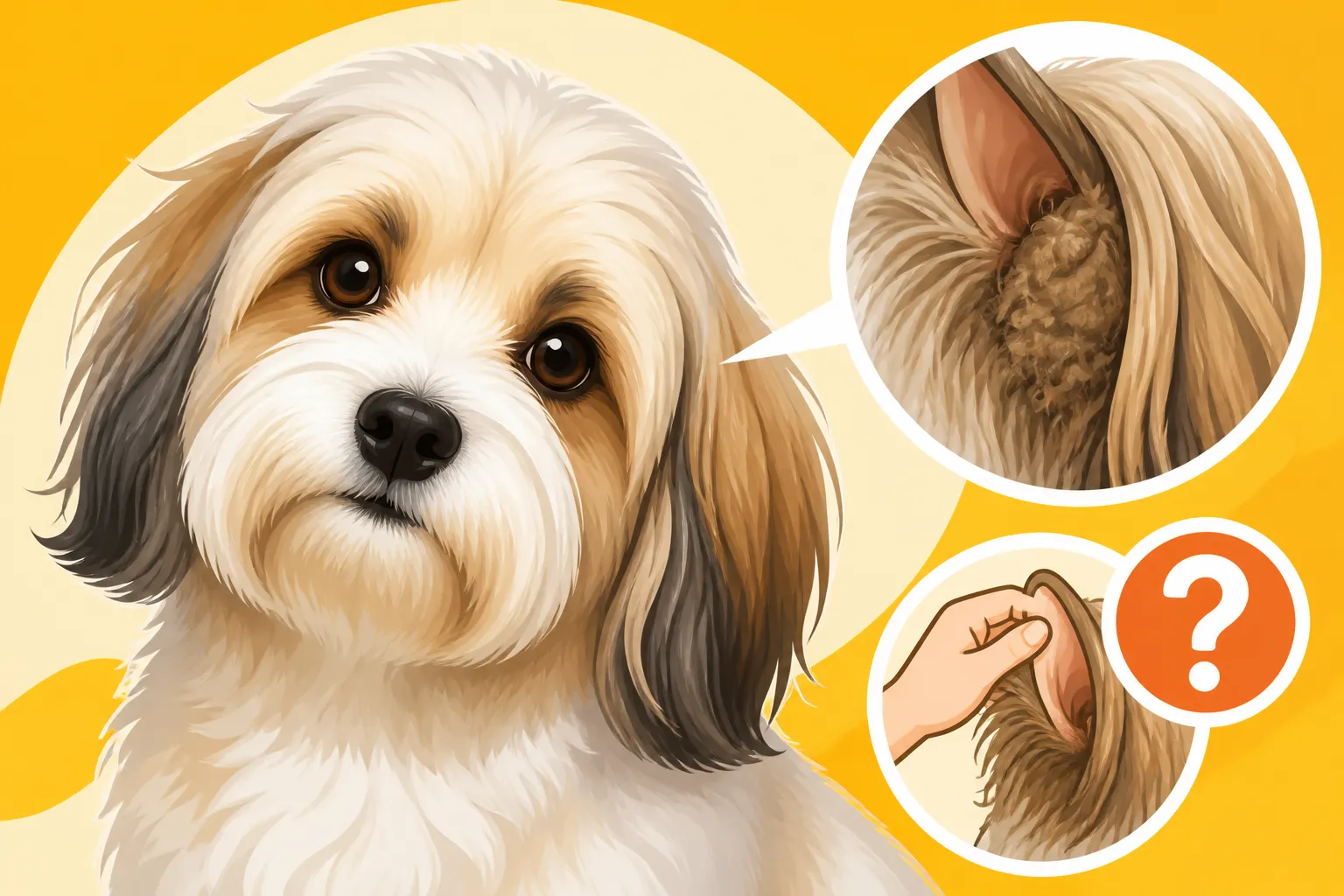
Whether a Havanese Mats Behind the Ears
One of the most persistent, frustrating challenges Havanese owners face is the relentless battle against mats, and nowhere does this fight feel more concentrated and unwinnable than right behind their adorable ears. This guide is here to walk you through exactly why those tender spots are such matting magnets, how to prevent those pesky tangles, and what to do when you discover a knot that seems to have appeared out of thin air overnight.
Why the Area Behind the Ears is a Matting Hotspot for Havanese
If you've ever found yourself with a seemingly impossible knot right behind your Havanese's ear, you're certainly not alone. It's a universal struggle for Havanese parents, and there are very good reasons why this particular spot seems to attract mats like a magnet. Understanding these factors is the first step in winning the battle.
The Unique Texture and Density of Havanese Hair
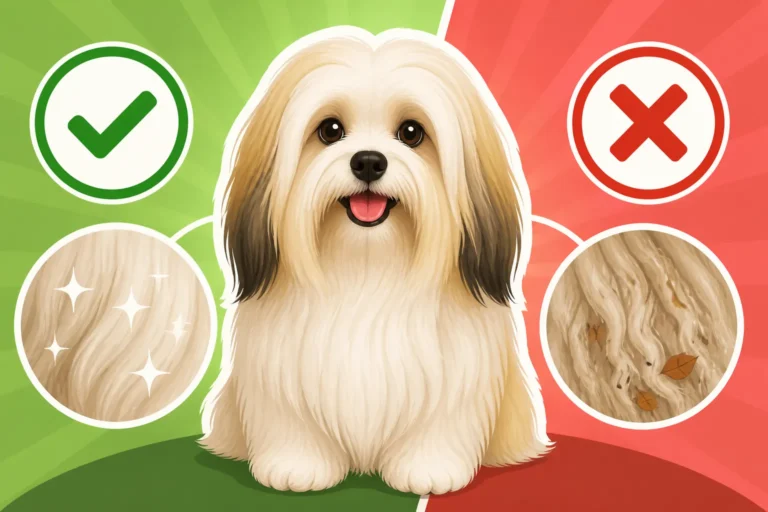
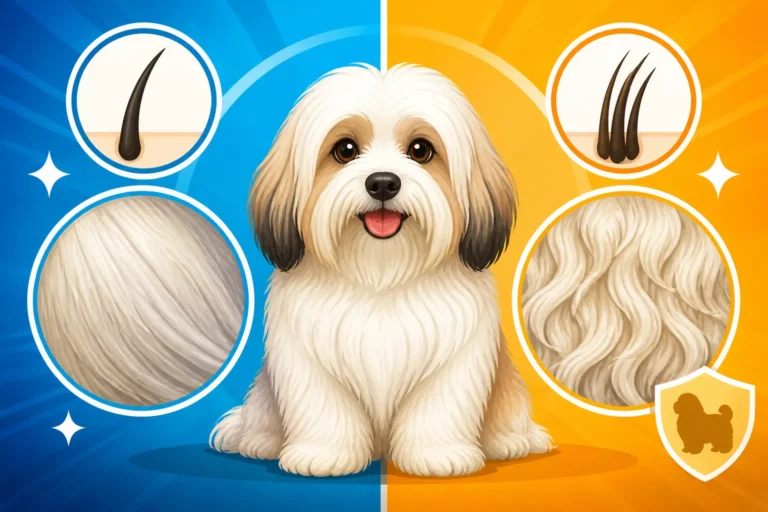
Havanese possess a truly magnificent, yet demanding, coat. Unlike some breeds with single coats, your Havanese sports a luxurious double coat, meaning they have a soft, downy undercoat beneath a longer, silkier outercoat. This combination, while beautiful, is a recipe for tangles if not managed diligently. The hair behind their ears often presents as exceptionally fine and soft, almost like human baby hair, making it prone to knotting and felting together at an alarming rate. It's not just the fineness; it's also the density. There's a lot of hair packed into that small area, and when individual strands catch on each other, they quickly form a tight mesh.
This area is where the body coat meets the ear furnishings, and the textures can subtly differ, creating friction points. You might notice that the hair here feels even softer and more delicate than the hair on their back or legs. This delicate nature means it has less structural integrity to resist tangling when agitated. For a deeper dive into their coat, you might find The Silky Double Coat a Havanese Grows to the Floor helpful, or learn more about What Makes a Havanese Coat Double Rather Than Single.
Movement, Friction, and Natural Secretions
Think about how much your Havanese moves their head throughout the day. They shake, they scratch with their back paws, they rub against furniture, and they nuzzle into laps. Every one of these actions creates friction against the fine hair behind their ears, which then inevitably causes it to tangle. A simple head shake can turn perfectly combed hair into a matted mess in seconds. Furthermore, the constant movement of their floppy ears themselves can cause the hair underneath to rub and knot.
Adding to this mechanical friction are the natural secretions from their ears and skin. While Havanese generally have healthy ears, a bit of ear wax or natural skin oils can seep into the surrounding hair. These substances act like a sticky binder, essentially gluing individual hair strands together and accelerating the matting process. If your Havanese loves to roll in the grass or gets wet during a walk, moisture, dirt, and debris can also become trapped in this area, compounding the problem. It's a perfect storm of fine hair, constant movement, and natural stickiness, all conspiring to create those infuriating mats.
Common Triggers and Factors Accelerating Matting Behind the Ears
Understanding the inherent susceptibility of the Havanese ear region is only part of the battle. Many everyday factors and habits can drastically accelerate the matting process, turning a minor tangle into a painful pelt almost overnight. Identifying and addressing these triggers is crucial for maintaining a healthy, mat-free coat.
Lack of Consistent Grooming and Proper Tools
This might seem obvious, but it's the number one culprit. Havanese coats are high-maintenance, especially the delicate hair behind the ears. Skipping even a day or two of brushing in this critical area can lead to disaster. Mats don't form instantly; they build up gradually, tiny tangles combining into larger, tighter knots. If you're not consistently working through this hair, you're giving mats an open invitation.
Moreover, using the wrong tools or improper technique can be just as detrimental as not brushing at all. A quick surface brush with a flimsy pin brush won't penetrate the dense undercoat or reach the skin where mats often start. You need a sturdy slicker brush and a good metal comb to effectively de-tangle and smooth the hair from root to tip. Simply brushing over the top of a forming mat can push it tighter against the skin, making it worse. Understanding How Often a Havanese Must Be Brushed is vital, and a good comb can be just as important as a brush; check out Whether a Comb Beats a Slicker on a Havanese for more insights.
Environmental and Lifestyle Influences
Your Havanese's daily activities and surroundings also play a significant role.
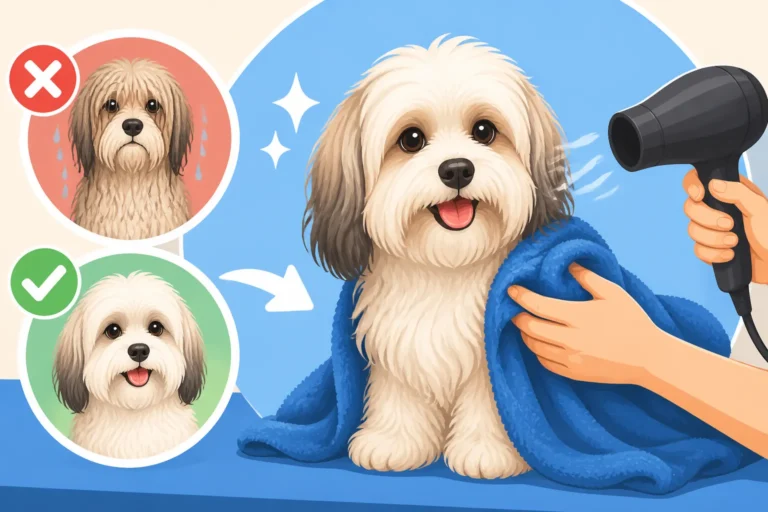
- Moisture: A damp coat is a matting magnet. If your Havanese gets wet from a bath, rain, or even just humidity, and isn't thoroughly brushed and dried, those fine hairs will cling together and form mats. This is especially true behind the ears where air circulation might be limited.
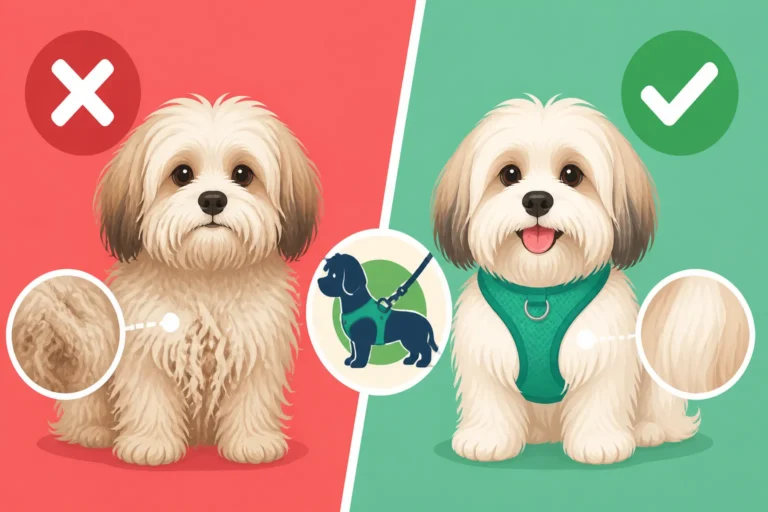
- Collars and Harnesses: While essential for walks, collars and harnesses can rub against the hair, particularly if they are ill-fitting or made of a rough material. This constant friction directly contributes to matting around the neck and behind the ears.
- Sleeping Habits: Many Havanese love to curl up tightly or sleep with their head tucked in. This can put pressure on the hair behind the ears, essentially "felting" it together as they shift and snooze.
- Playtime and Adventure: Rolling in the yard, wrestling with another dog, or exploring bushes can quickly introduce debris, twigs, and dirt into their coat, all of which act as anchors for mats. Even something as simple as a vigorous ear scratch with a back paw can twist and tangle the fine hair.
Being mindful of these daily occurrences can help you anticipate and address potential matting situations before they get out of hand. For instance, a quick brush-through after outdoor play, or immediately following a bath, can make all the difference.
Practical Strategies to Prevent and Manage Ear Matting
Preventing mats behind your Havanese's ears is a proactive game. It's about consistent effort and using the right techniques and products to keep that delicate hair smooth and free-flowing. You don't have to be a professional groomer, but you do need a routine.
Daily Brushing Routine and Product Choices
This is where the rubber meets the road. A daily, thorough brushing session focused on the ear area is your best defense.
- Gather Your Tools: You'll need a good quality slicker brush, a fine-toothed metal comb, and a detangling spray or leave-in conditioner. You can find excellent options on Chewy or Amazon, offering a wide range of brands and prices. For an in-depth look at products, Whether Detangling Spray Helps a Havanese is a great resource.
- Positioning: Have your Havanese sit or lie comfortably. Gentle handling and positive reinforcement (treats!) are key, especially if they are wiggly. You can also teach them to stand patiently on a grooming table if you have one, which can save your back. Consider reviewing Getting a Havanese Used to Brushing as a Puppy if you're starting with a youngster.
- Sectioning and Line Brushing: This is the most crucial technique. Instead of just brushing the top of the coat, gently hold up sections of hair, starting from the bottom-most layers behind the ear. Brush downwards, little by little, exposing the skin. Work your way up the ear, always brushing from the skin out. This ensures you're getting through all the layers.
- Spray as You Go: Lightly mist the area with detangling spray before you brush. This lubricates the hair, making it easier for the brush to glide through and preventing breakage.
- Comb Check: After brushing a section with the slicker brush, follow up with your metal comb. The comb should be able to glide smoothly from the skin to the end of the hair. If it snags, you've found a tangle that needs more attention with the slicker brush and spray. Don't pull the comb through a mat; go back to the brush.
- Focus on Friction Points: Pay extra attention to the areas where the ear joins the head, behind the ear flaps, and around the collar line. These are high-friction zones.
Consistency is key. Even five minutes dedicated to this area daily can prevent hours of painful de-matting later.
Strategic Trimming and Professional Grooming Tips
Sometimes, prevention also means strategic intervention.
- Sanitary Trims: While you want to preserve the beautiful Havanese coat, a very slight, careful trim of the hair right at the base of the ear canal can help reduce the density and thus the matting potential in that immediate area. This is usually best left to a professional groomer, as it's a sensitive spot. You might also consider if Whether a Havanese Should Have Its Face Trimmed is relevant for overall facial neatness.
- Regular Professional Grooming: Even if you brush daily, regular visits to a professional groomer (every 4-6 weeks) are invaluable. They have the experience and tools to thoroughly de-tangle, bathe, and dry your Havanese, reaching spots you might miss. Discuss your concerns about ear matting with them and ask them to pay extra attention to that area. They can also offer advice on suitable shampoos and conditioners. For example, some professional groomers might use higher-quality products that you can also purchase from places like Ollie for specialized dog care or other pet supply stores.
- The "Puppy Cut": Many Havanese owners opt for a shorter "puppy cut" to manage the coat more easily. While it still requires brushing, it significantly reduces the likelihood and severity of matting, especially behind the ears. If you're struggling despite daily efforts, a shorter clip might be the answer. This reduces the amount of hair available to tangle. Learn more about The Puppy Cut Most Havanese Owners End Up Choosing or understand What a Full Havanese Groom Costs to budget for regular visits.
Here's a quick comparison of essential grooming tools:
| Tool | Purpose | Benefit for Ear Matting |
|---|---|---|
| Slicker Brush | Removes loose hair, detangles, separates strands. | Reaches undercoat, breaks up small tangles without pulling. |
| Metal Comb | Checks for missed tangles, ensures thoroughness. | Finds hidden knots close to the skin, essential for finishing. |
| Detangling Spray | Lubricates hair, reduces friction. | Makes brushing easier, prevents breakage, helps unravel knots. |
| Blunt-tipped Scissors | For precise trimming around sensitive areas (pro use). | Safely shortens hair to prevent matting in difficult spots. |
| Force Dryer | Quickly and thoroughly dries the coat. | Prevents wet hair from matting during or after bathing. |
Dealing with Existing Mats Behind the Ears
Despite your best efforts, sometimes a mat still appears. Finding one can be disheartening, but it's important to address it safely and effectively. Never panic and grab sharp scissors immediately!
Gentle Detangling at Home
For small, loose mats, you might be able to tackle them at home. The key is patience and a gentle touch.
- Assess the Mat: Determine its size, how tight it is, and how close it is to the skin. If it's the size of a pea and loose, you have a good chance. If it's tight against the skin and feels hard, it might be best left to a professional.
- Apply Detangling Product: Liberally spray the mat with a good quality detangling spray or a leave-in conditioner. Let it sit for a few minutes to penetrate the hair. Some owners even use a tiny sprinkle of cornstarch or baby powder, which can help absorb oils and make the hair less slippery for separation.
- Isolate the Mat: Gently hold the hair at the base of the mat, close to your Havanese's skin, with your fingers. This prevents pulling on the skin and causing pain as you work on the mat.
- Work from the Outside In: Using only the very tips of your metal comb (or even your fingers), start gently teasing apart the outermost edges of the mat. Do not try to pull the comb straight through the mat. Work small sections, a few hairs at a time, gradually loosening the knot.
- Use a Slicker Brush for Stubborn Spots: Once you've broken down the mat into smaller sections, you can use the slicker brush to carefully brush out the remaining tangles, again, working from the tips towards the base.
- Take Breaks: If your Havanese gets restless or seems uncomfortable, take a break. It's better to address a mat over two short sessions than to rush and cause a negative association with grooming. Remember, Whether a Havanese Fights a Brush is often a result of past unpleasant experiences.
When to Call a Professional
There are definite times when trying to tackle a mat yourself is not only ineffective but potentially dangerous.
- Tight, Skin-Bound Mats: If a mat is tight against the skin and you can't see the skin underneath, or if it feels like a solid lump, it's a job for a professional groomer or veterinarian. These mats can pull on the skin, causing pain, bruising, or even skin infections hidden beneath the felted hair. Trying to cut these out yourself risks cutting the skin, which is incredibly thin behind the ears.
- Large or Multiple Mats: If there are several mats, or one very large one, the amount of time and discomfort involved in home de-matting might be too much for your Havanese. A professional has specialized tools and techniques that can often remove these more efficiently and with less stress for your dog.
- Havanese is in Pain: If your Havanese yelps, growls, or tries to bite when you touch the mat, stop immediately. It's painful, and you don't want to reinforce a negative experience.
- No Progress After Gentle Attempts: If you've tried all the gentle detangling techniques and the mat isn't budging, it's time to call in the cavalry. A groomer might be able to carefully shave the mat off using clippers with a short blade, which is far safer than scissors for mats close to the skin. Be aware that Whether a Matted Havanese Must Be Shaved is often the safest and most humane option for severe matting, and trying to brush out a tight mat can be incredibly painful; Whether Dematting Hurts a Havanese is a testament to that.
Don't feel like a failure if you need professional help. Havanese coats are notoriously difficult, and a skilled groomer is an expert for a reason. Their priority will be your Havanese's comfort and well-being. If a mat is particularly severe, your veterinarian may even need to be involved, sometimes requiring sedation for safe removal if the mat is causing skin irritation or infection.
Disclaimer
This article is for general informational purposes only and does not constitute professional advice. Laws, prices and regulations vary by location and change over time. Consult a qualified professional for guidance on your specific situation.