Whether a Clipped Havanese Coat Grows Back the Same
One common concern that weighs heavily on the hearts of Havanese owners, especially those new to the breed, is what happens to that beautiful, flowing coat after it’s been clipped short. You might find yourself staring at your freshly shorn pup, wondering if that signature silky texture will ever return, or if you’ve inadvertently changed their look forever. It's a completely valid worry, and this guide is here to walk you through the nuances of Havanese coat regrowth after clipping, what to expect, and how to best care for your beloved companion’s changing fur.
The Truth About a Clipped Havanese Coat Regrowth
It’s a moment many Havanese owners face: the decision to clip their dog's long, flowing coat, often for practicality, comfort, or simply to manage the intense grooming needs. But then comes the apprehension: "Will it grow back the same?" The simple answer, which might be a bit frustrating, is often not exactly. While it will certainly grow back, the texture, thickness, and even the color might present subtle (or sometimes not-so-subtle) differences compared to its original state. This isn't just an old wives' tale; there are scientific and practical reasons behind these changes, and understanding them can help you manage your expectations and care for your Havanese's coat moving forward.
Understanding the Havanese Double Coat
To truly grasp why clipping can alter a Havanese coat, we first need to appreciate its unique structure. Unlike some single-coated breeds, the Havanese boasts a glorious double coat. This means they have two distinct layers of hair: a soft, downy undercoat and a longer, silkier outer coat, often referred to as guard hairs. These guard hairs are meant to protect the undercoat and skin from the elements, while the undercoat provides insulation. Both contribute to the breed's signature luxurious feel. What Makes a Havanese Coat Double Rather Than Single delves deeper into this fascinating characteristic.
When you brush your Havanese, you're primarily working to keep these two layers untangled and prevent matting, which can happen swiftly, especially during the coat change from puppy to adult. The length and texture of the outer coat are what give the Havanese its flowing appearance. The undercoat is generally finer and denser, designed to keep them warm in winter and surprisingly, to help regulate their temperature in summer. Clipping short fundamentally changes the balance and growth cycle of these two different types of hair.
Immediate Changes After a Clip
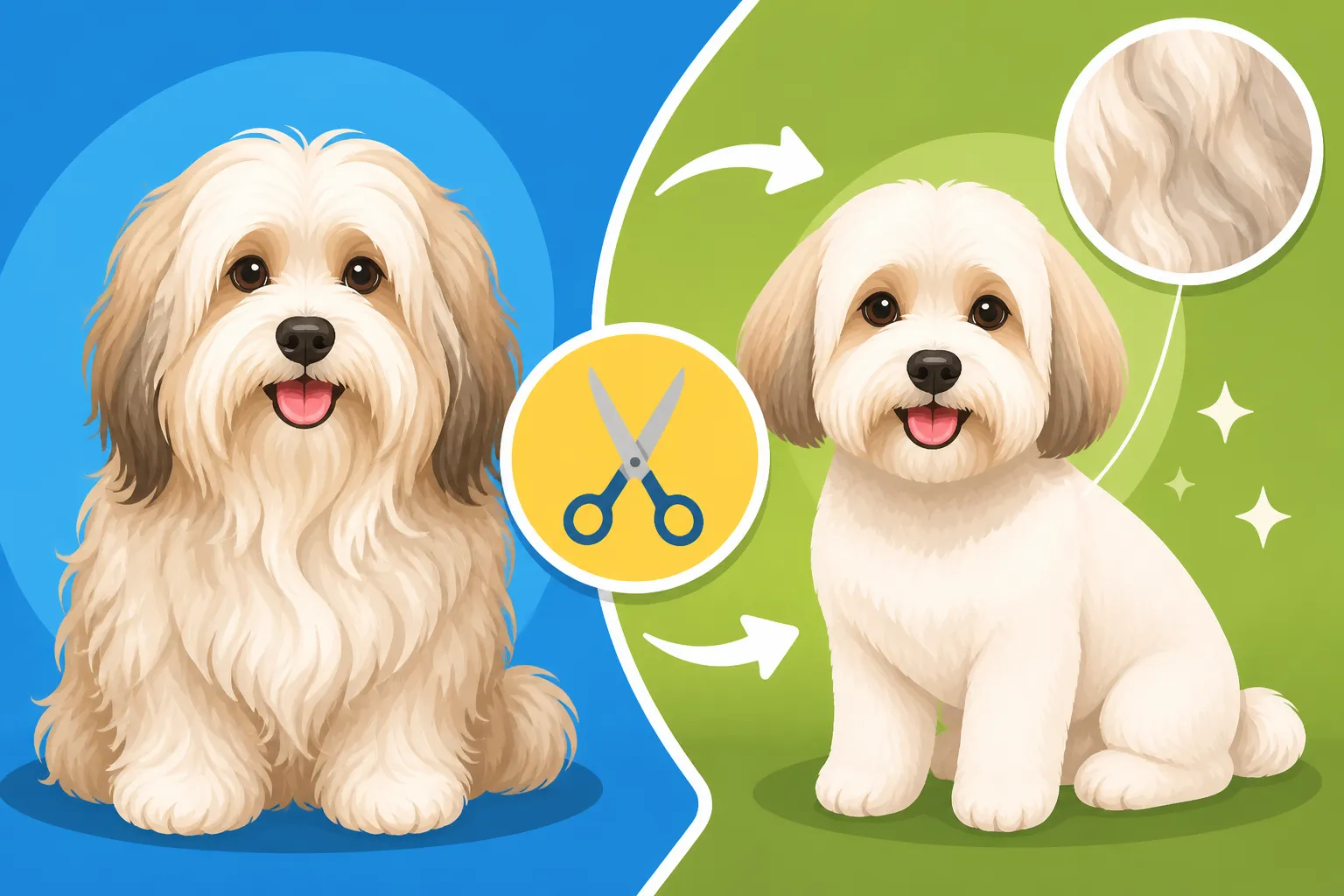
The moment your Havanese emerges from a grooming session with a new, short clip – perhaps a popular "puppy cut" – the most immediate changes are obvious: length is gone, and so is much of the visual weight of the coat. The first thing you might notice is that your Havanese feels significantly different to the touch. The super-soft, silky feel might be replaced by something a little more cottony or even slightly coarser. This is often because the clippers cut through both the guard hairs and the undercoat, and often, the underlying undercoat has a different texture. When both layers are cut to the same length, the softer, denser undercoat tends to take over the primary feel of the coat, giving it a fluffier, less silky touch.
You might also notice a slight change in the dog's silhouette. Their true body shape might be more apparent, and their characteristic springy gait may look even more pronounced without the long hair flowing around them. While these initial changes are purely aesthetic and tactile, they set the stage for how the coat will begin to regrow. It’s not uncommon for owners to experience a moment of "who is this dog?" right after a significant clip, but rest assured, it’s still your beloved Havanese underneath.
Long-Term Coat Evolution
As the clipped Havanese coat starts to regrow, this is where the long-term changes can become more apparent. The primary alteration often seen is a change in texture. The guard hairs and undercoat have different growth rates and textures. When both are cut short, the softer undercoat often grows faster and denser than the guard hairs. This can lead to a coat that feels thicker, more cotton-like, and less silky than before. It might even seem a bit "fluffy" or "woolly" over time. This isn't inherently bad, but it can be different from the flowing, silky coat you initially knew.
Another common, and sometimes surprising, long-term change is in color. Many Havanese "clear" or change color as they mature, often lightening or developing different shades. This is particularly true for sable, gold, or black Havanese. A full, long coat might mask some of these subtle color changes, but when the coat is clipped short, and then regrows, the new hair might come in a noticeably different hue or intensity. For example, a dark sable puppy might regrow into a much lighter cream or gold adult after its first full clip. It's like resetting the canvas, allowing the mature color to truly emerge. While a single clipping isn't the sole cause of color change (genetics play the biggest role), it can certainly highlight it more dramatically.
Factors Influencing Coat Alterations Post-Clipping
Understanding that clipping can alter the Havanese coat is one thing, but knowing why these changes occur helps manage expectations and make informed grooming decisions. It's not just about the act of cutting; several factors contribute to how a Havanese coat may evolve after being clipped. These elements range from the dog's age and natural coat development to their overall health and even the technique used by the groomer.
The Impact of Puppy Coat vs. Adult Coat
One of the most significant factors influencing coat regrowth is whether you're clipping a puppy coat or an adult coat. Havanese puppies are born with an incredibly soft, fine coat. Around 8-12 months of age, they go through a "blowing coat" phase, where this puppy fluff is gradually replaced by the denser, more mature adult double coat. When a Havanese Puppy Coat Changes goes into more detail about this transition. If a Havanese puppy is clipped short before this coat change is complete, the regrowing adult coat might develop with a different texture than if it had been allowed to mature naturally. The clippers can, in a way, encourage the undercoat to grow more prominently, leading to a denser, sometimes less silky adult coat.
Conversely, clipping an adult Havanese who has already fully developed their mature coat can still lead to textural changes. While their coat structure is established, the act of uniformly cutting both guard hairs and undercoat can still favor the faster-growing undercoat. This can result in the coat appearing more dense and plush, sometimes described as "cottony," rather than the characteristic long, silky flow. The texture might not revert entirely to its original state, especially with repeated short clips, as the follicles may be encouraged to produce more undercoat-like hair.
Hormonal Shifts and Health Considerations
Just like humans, a dog's coat health and growth are significantly influenced by their internal systems. Hormonal changes, particularly those associated with spaying or neutering, can play a role in coat texture. After these procedures, some Havanese owners report a noticeable thickening or "cottoning" of the coat, which can become even more pronounced if the coat has been clipped. This isn't universal, but it's a known phenomenon in many double-coated breeds. The hormonal shift can alter the balance of hair growth cycles, sometimes favoring the softer, denser undercoat over the silkier guard hairs.
Beyond hormonal shifts, a Havanese's general health and diet can also impact coat quality and regrowth. A dog with nutritional deficiencies, allergies, or underlying health issues might have a duller, coarser, or slower-growing coat. Ensure your Havanese is on a high-quality diet; brands like Ollie offer fresh, balanced meals that can contribute to overall health, including coat vitality. Supplements such as fish oil, which you can easily find on Chewy or Amazon, are also often recommended by vets and groomers for promoting healthy skin and a shiny coat. If your Havanese is experiencing unusual coat changes, excessive shedding, or skin irritation post-clipping, it's always wise to consult your veterinarian to rule out any health concerns.
The Role of Clipping Technique
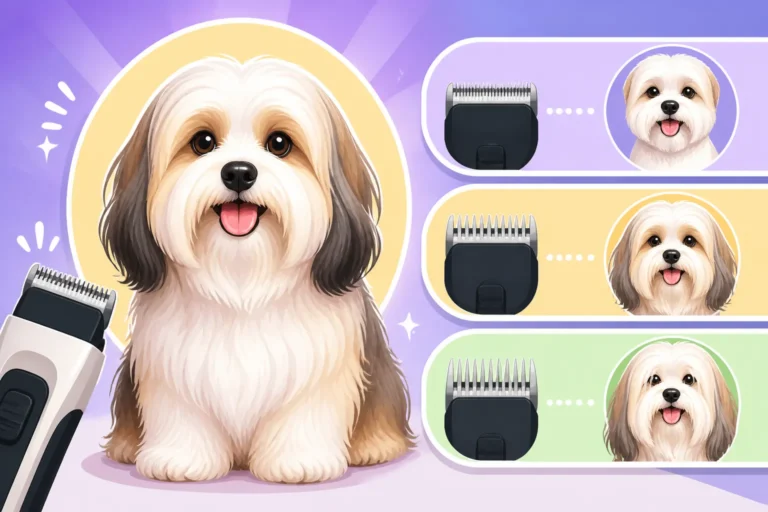
Believe it or not, how your Havanese is clipped can also influence how the coat regrows. A skilled groomer understands the nuances of a Havanese coat. While any clipper use will cut both layers, a very close shave, especially with dull blades, can sometimes "shock" the hair follicles. While hair growth is a natural biological process, repeated harsh clipping can sometimes contribute to a coat growing back denser or with a different feel. Which Blade Length Suits a Havanese offers more insight into different clipping approaches.
A good groomer will use sharp blades appropriate for the Havanese coat type and be mindful of not going excessively short if you eventually want to encourage the original texture back. They might also discuss "scissoring" vs. "clipping." While a full body clip uses clippers, many groomers will scissor areas like the face, ears, and feet to maintain a softer, more natural look. This distinction matters because scissoring tends to leave the hair tips more intact, which can help preserve the softer texture compared to a blunt clipper cut. Discussing your long-term coat goals with your groomer is crucial, especially if you're concerned about textural changes.
Nurturing Your Havanese's Coat After a Shave
So, your Havanese has a freshly clipped coat, and you’re navigating the new texture or length. The good news is that while the coat might not be exactly the same as before, consistent and proper care can go a long way in promoting healthy regrowth and maintaining its best possible condition. Think of it as hitting the reset button; now you have an opportunity to establish a grooming and care routine that supports their skin and hair from the ground up.
Establishing a Post-Clip Grooming Routine
Even with a short clip, regular grooming remains essential for a Havanese. In fact, some owners find that while the intensity of daily long-coat brushing is reduced, regular shorter-coat grooming prevents new issues from arising. Your clipped Havanese still has that double coat, and even short hair can mat, especially in friction areas like armpits, behind the ears, and around the collar. A good routine involves:
- Gentle Brushing: Even short coats benefit from daily or every-other-day brushing with a soft slicker brush and a metal comb to keep tangles at bay and stimulate circulation. This helps remove loose hair and encourages new growth. You can find quality brushes and combs easily on Amazon or Chewy.
- Regular Baths: Depending on how active your Havanese is, a bath every 2-4 weeks is usually sufficient. Use a high-quality dog shampoo and conditioner designed for sensitive skin or coat health. Make sure to rinse thoroughly to prevent skin irritation. Proper drying is also crucial; damp hair is more prone to matting and skin issues.
- Ear and Paw Care: Even if the body is clipped, remember to keep the hair in their ears and between their paw pads trimmed. This prevents matting in those areas and helps maintain hygiene. Looking After a Havanese's Ears and Feet offers more detailed advice here.
The goal isn't to force the coat to revert to its old state, but to keep the skin healthy and the growing hair free of tangles, allowing it to develop as best it can. The good news about a shorter coat is that it often takes less time to brush, which can be a huge relief for owners who previously spent hours battling mats.
Nutritional Support for Healthy Hair Growth
Just like our own hair, a dog's coat is a direct reflection of their internal health. What you feed your Havanese plays a critical role in the strength, texture, and shine of their fur. After a clip, providing optimal nutrition can help support the growth of strong, healthy hair.
- High-Quality Protein: Hair is primarily made of protein, so ensuring your Havanese receives adequate, high-quality protein in their diet is crucial. Look for dog foods where meat is the first ingredient.
- Omega Fatty Acids: These are superstar nutrients for skin and coat health. Omega-3 and Omega-6 fatty acids, found in sources like fish oil (available on Chewy and Amazon), can reduce inflammation, improve skin barrier function, and promote a lustrous coat. Many owners supplement with a good quality fish oil daily. Whether a Havanese Needs Fish Oil for Its Coat discusses this further.
- Vitamins and Minerals: A balanced diet rich in vitamins (especially A and E) and minerals (like zinc and biotin) contributes to overall cellular health, which includes hair follicles.
- Hydration: Always ensure your Havanese has access to fresh, clean water. Good hydration is fundamental for healthy skin and hair.
Consider discussing your dog's diet with your vet, especially if you're noticing persistent coat issues. They might recommend specific dietary changes or supplements tailored to your Havanese's individual needs.
When to Seek Professional Guidance for Coat Issues
While some changes in coat texture and color after clipping are normal, there are times when it’s wise to seek professional advice. If you notice any of the following, it’s a good idea to consult your veterinarian or a very experienced groomer:
- Persistent Skin Irritation: Redness, itching, bumps, or flakiness that doesn’t resolve within a few days of grooming could indicate an allergic reaction, infection, or other skin condition.
- Excessive Hair Loss: While some shedding is normal, large patches of hair loss or thinning could point to hormonal imbalances, parasites, or more serious health issues. Whether a Havanese Loses Hair in Patches addresses this concern.
- Dull, Brittle, or Patchy Regrowth: If the new coat coming in looks unhealthy, very sparse, or unevenly textured, it warrants a closer look. This could be due to nutritional deficiencies or underlying medical conditions.
- Refusal to Let the Coat Grow: Sometimes, owners find that a previously clipped Havanese gets very uncomfortable as the coat begins to regrow, possibly due to a change in texture causing itchiness. This might require a modified grooming approach or veterinary advice.
A good professional can help identify the root cause of the problem and suggest solutions, whether that's a change in grooming tools, a different diet, or medical intervention. Don't hesitate to reach out if you're concerned; it's always better to be proactive when it comes to your Havanese's health and comfort.
Deciding on Future Grooming Styles for Your Havanese
Once you've experienced the regrowth of a clipped Havanese coat, you might find yourself at a crossroads regarding future grooming choices. The decision to keep the coat short, allow it to grow long again, or opt for something in between, really boils down to your lifestyle, your Havanese's comfort, and your willingness to commit to the associated grooming demands. There’s no single "right" answer, and what works beautifully for one Havanese family might be impractical for another.
Weighing the Pros and Cons of Repeated Clipping
Many Havanese owners discover the joys of a shorter, easier-to-maintain coat after the initial clip, and decide to stick with it. It’s certainly a valid and often liberating choice!
Pros of Repeated Clipping:
- Reduced Grooming Time: This is often the primary driver. A short coat means significantly less daily brushing to prevent mats. It frees up time and can reduce stress for both you and your dog.
- Easier Hygiene: Shorter hair around the face, ears, and sanitary areas is simpler to keep clean, reducing issues like tear staining Whether a Havanese's Tear Stains Can Be Removed or accumulation of debris.
- Comfort in Warm Weather: While a Havanese's double coat provides some insulation, a shorter cut can certainly help them feel cooler and more comfortable in hot climates, especially during active outdoor play.
- Less Dirt and Debris: A shorter coat picks up fewer leaves, burrs, and general outdoor grime, making post-walk cleanup much quicker.
Cons of Repeated Clipping:
- Potential for Altered Texture: As discussed, repeated clipping can contribute to a cottonier, denser coat that might not have the same silky flow as a natural, long Havanese coat. For some owners, this is a trade-off they're willing to make, but others miss the original texture.
- Loss of Breed Signature Look: The long, flowing coat is iconic for the Havanese. Opting for a perpetually short cut changes their aesthetic significantly, which might be a factor if you appreciate the traditional look.
- Sunburn Risk: A very short clip can expose delicate skin to the sun, increasing the risk of sunburn, particularly on the back and nose. This means you might need to apply dog-safe sunscreen or ensure adequate shade during outdoor time.
- Requires Regular Trims: While less daily work, a clipped coat still needs regular trims every 6-8 weeks to maintain its desired length and shape. This means consistent trips to the groomer or commitment to learning how to groom them yourself.
It's a balance, isn't it? If the practical benefits outweigh the desire for the original coat texture and length, then repeated clipping is a perfectly acceptable and beneficial choice for many Havanese.
Exploring Alternative Low-Maintenance Styles
If you're hesitant about the extreme short clip but still crave a more manageable coat than a full show-length, there are plenty of happy mediums to explore. These alternative styles aim to keep some of the Havanese charm while reducing the intense daily grooming commitment.
- The "Teddy Bear" Cut: This is a slightly longer version of the puppy cut, often leaving 1-2 inches of hair all over the body. It gives the Havanese a perpetually youthful, plush teddy bear look. It’s still relatively low maintenance compared to a long coat, but offers more fluff and softness than a very short clip. It might require brushing a few times a week, rather than daily. Whether a Teddy Bear Cut Suits a Havanese could give you more ideas.
- Medium-Length Trim: This involves keeping the coat at a comfortable, uniform length, perhaps 2-3 inches, while still maintaining some of the flowing appearance without it dragging on the ground. This style offers a good compromise between manageability and aesthetics. It will require more regular brushing than a short clip but less than a floor-length coat.
- "Show Puppy" Trim: For those who love the elegance of a longer coat but aren't aiming for the show ring, a "show puppy" trim keeps the length significant, but with strategic trimming around the feet, sanitary areas, and face to prevent matting and make daily life easier. This still demands significant grooming time but less than a full show coat.
- Cording: While often seen as high-maintenance, cording can actually be a low-maintenance option once established. However, the initial process is very time-consuming and involved. Cording a Havanese and What It Commits You To is a must-read if you’re considering this unique style.
Ultimately, the best coat style for your Havanese is one that suits both of your lifestyles. It should keep your dog comfortable, healthy, and happy, and be manageable for you. Don't feel pressured to maintain a certain look if it's causing stress or becoming overwhelming. Your Havanese will love you just as much, whether they're sporting a short, sporty clip or a long, flowing mane. The most important thing is a healthy coat and a happy dog.
Disclaimer
This article is for general informational purposes only and does not constitute professional advice. Laws, prices and regulations vary by location and change over time. Consult a qualified professional for guidance on your specific situation.