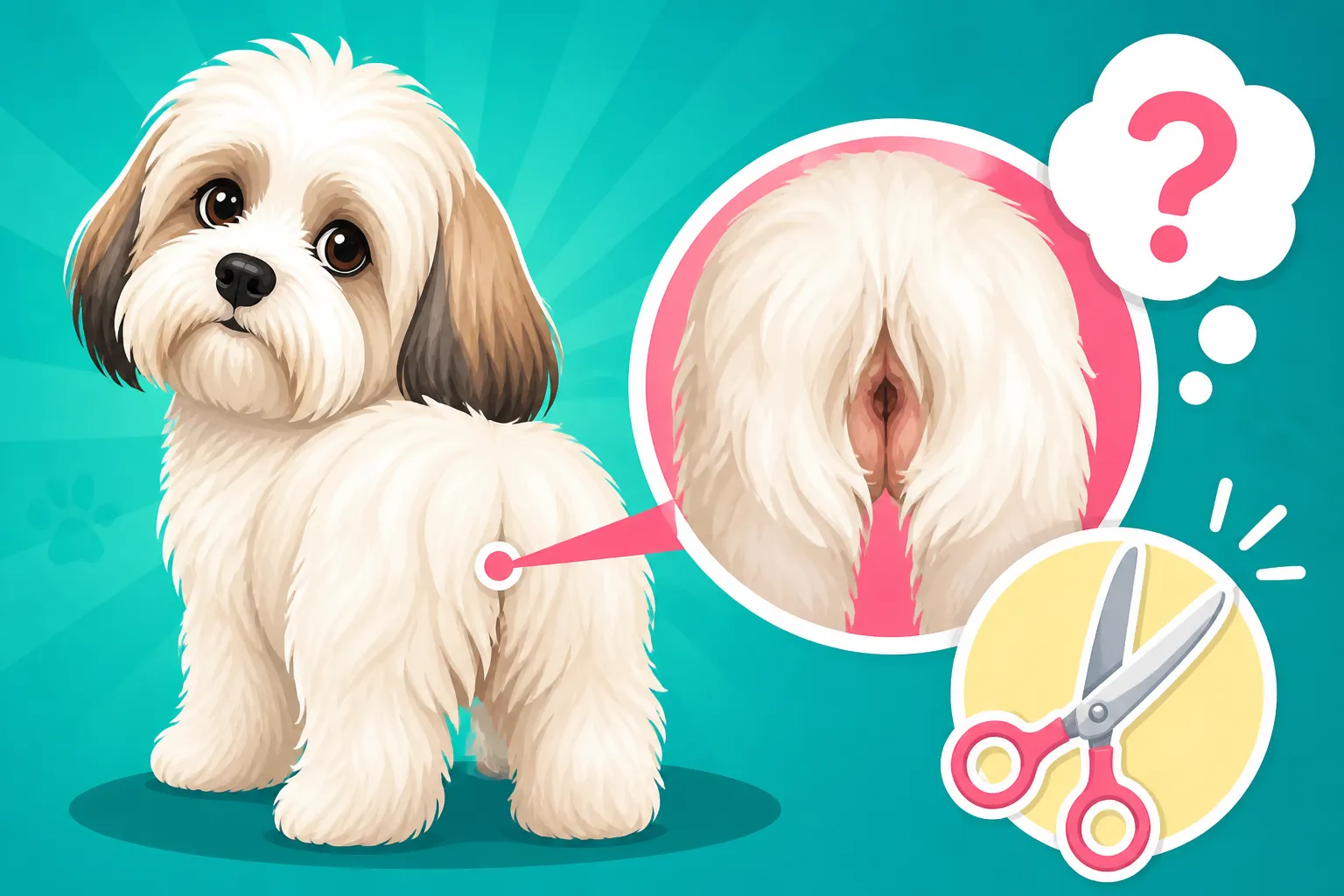
Whether a Havanese’s Sanitary Area Needs Trimming
If you've ever found yourself staring at your sweet Havanese's backside, grappling with a tangled mess or an unfortunate 'poop sticker' situation, you know the particular challenges of their magnificent coat. Maintaining the sanitary area isn't the most glamorous part of Havanese ownership, but it's absolutely vital for their comfort, hygiene, and overall health. This guide will walk you through why this specific trimming is so crucial, how you can approach it safely at home, and when it’s truly best to hand the clippers over to a professional groomer.
The Undeniable Importance of Sanitary Trimming for Your Havanese
Let's be honest, nobody enjoys dealing with a messy Havanese rear end. It's not just about aesthetics or a little bit of extra cleanup; it's a fundamental part of responsible Havanese care. Because of their long, flowing coats, the hair around their anus and genitals can quickly become a problem if left unattended. This isn't unique to the Havanese, of course, but their specific coat type makes it particularly prone to issues.
Preventing Matting and Fecal Adhesion
One of the primary reasons to keep your Havanese's sanitary area trimmed is to prevent matting. The hair in this region is constantly exposed to moisture and waste, creating a perfect storm for tangles that can quickly turn into painful mats. When fecal matter gets stuck in the long hair around the anus, it forms a hard, uncomfortable, and unhygienic clump. This isn't just gross; it can pull on their sensitive skin, cause irritation, and even make it difficult for your Havanese to defecate properly. Imagine trying to go to the bathroom with something pulling on you constantly – it's no fun for them.
These mats can escalate quickly, especially in puppies or dogs with softer, finer coats. They can become so tight they restrict blood flow or cause skin infections underneath. A small mat today can be a full-blown, painful pelt tomorrow, leading to expensive and uncomfortable vet visits if it gets bad enough. Regularly trimming this area ensures that waste has nothing to cling to, keeping the area cleaner and preventing these nasty, deep mats from forming. It's a proactive step that saves both you and your furry friend a lot of discomfort down the line. You can learn more about how their coat changes over time in Why a Havanese Mats at Eight Months and Not Before.
Reducing Odors and Bacterial Growth
Let's face it, a Havanese with a soiled sanitary area is going to smell. No amount of perfumed spray can truly mask the odor of accumulated waste and bacteria. Long hair in this region traps moisture and waste, creating a warm, damp environment that is an ideal breeding ground for bacteria and yeast. This can lead to persistent unpleasant smells, even if your dog is otherwise clean. Beyond the smell, these bacterial and yeast infections can cause itching, redness, inflammation, and even more serious skin conditions.
A clean, trimmed sanitary area significantly reduces the likelihood of these issues. By removing the hair that traps moisture and debris, you're taking away the perfect habitat for unwelcome microorganisms. This not only keeps your Havanese smelling fresher but also actively protects their delicate skin from painful infections. It’s about creating a healthy barrier, not just a clean one. Regular bathing, especially with a suitable shampoo, complements the trim perfectly, ensuring optimal hygiene. You can find excellent dog-specific shampoos and other grooming supplies on retailers like Chewy.
Maintaining Overall Comfort and Cleanliness
Beyond the direct health implications, a well-maintained sanitary area simply makes your Havanese more comfortable. Imagine having hair constantly pulling or being matted down there. It would be incredibly irritating. Dogs are naturally fastidious creatures, and they try to keep themselves clean. If they can't effectively clean their own sanitary area because of long hair, it can lead to frustration and discomfort.
Moreover, a clean sanitary area contributes to the overall cleanliness of your home. A Havanese with a dirty bottom is likely to leave traces of that mess on your furniture, carpets, and even your lap. Keeping the area neatly trimmed minimizes the transfer of grime and bacteria to your living spaces, making for a healthier environment for everyone. It's a small but significant detail in their routine care that has a ripple effect on their well-being and your peace of mind. Regular grooming contributes greatly to their overall happiness and comfort, something we often discuss in What a Havanese Needs Every Day.
How to Safely Trim Your Havanese's Sanitary Area at Home
Trimming your Havanese's sanitary area at home might seem a bit daunting at first, but with the right tools, a calm approach, and a bit of practice, it's absolutely doable. The key is to prioritize safety and your dog's comfort above all else. Remember, a bad experience can make future grooming sessions much harder.
Gathering the Right Tools
Before you even think about trimming, make sure you have everything you need laid out and ready. This will prevent you from scrambling mid-trim and potentially stressing out your Havanese.
- Small, Quiet Clippers: This is your best friend for sanitary trims. Look for cordless, quiet clippers designed for small areas. A blade size of #10 or #15 is generally recommended for a close, safe trim without cutting too short. You'll find a good selection of quiet, cordless clippers on retailers like Amazon or Chewy.
- Blunt-Nosed Scissors: While clippers are preferred, a pair of small, blunt-nosed grooming scissors can be useful for any stray hairs or very tiny touch-ups. Never use sharp-tipped household scissors, as they pose a serious risk of injury.
- Grooming Comb: A fine-toothed metal comb will help you separate the hair and identify the areas that need trimming.
- Non-Slip Surface: A grooming table with a non-slip mat or even a rubber mat on a counter provides a stable surface for your dog. This is crucial for their safety and your control.
- Treats: Lots of high-value treats! These are essential for positive reinforcement and keeping your Havanese calm and cooperative.
- Wipes or Damp Cloth: For immediate cleanup after the trim.
- Styptic Powder (just in case): Accidents can happen, even with the utmost care. Having styptic powder on hand to stop minor nicks from bleeding is a good safety measure.
Preparing Your Havanese for the Trim
Preparation is just as important as the trim itself. A calm, clean Havanese is much easier to work with.
- Brush Thoroughly: First, give your Havanese a thorough full-body brush, paying extra attention to their hindquarters and tail. This helps to detangle any surface mats and remove loose hair. You want the hair to be clean and free of tangles around the sanitary area, as clippers won't glide through matted fur. Check out How Often a Havanese Must Be Brushed for tips on maintaining their coat.
- Bathe (Optional but Recommended): A freshly bathed and dried Havanese is ideal. Clean hair is easier to trim, and it ensures you're not trapping dirt against their skin. If you do bathe, make sure they are completely dry before trimming, especially the hair in the sanitary region. Drying a Havanese Properly can help you achieve this.
- Positive Reinforcement: Before you even bring out the tools, spend some time with positive reinforcement. Let your Havanese sniff the clippers (while off) and give treats. Turn them on briefly and reward for calm behavior. You want them to associate the tools with good things. This is a crucial step for getting a Havanese used to the grooming process, as highlighted in Teaching a Havanese to Lie Still for Grooming.
- Find a Quiet Time: Choose a time when your Havanese is relaxed and you won't be interrupted. A quiet environment minimizes distractions and stress for your dog.
The Actual Trimming Process
Now for the delicate part. Work slowly, methodically, and always keep your Havanese's comfort and safety at the forefront.
- Position Your Havanese: Have your Havanese stand on your non-slip surface. You can gently hold their tail up and forward, exposing the anal area. For females, you'll also need to access the area around the vulva. Always ensure you have a clear view of the skin.
- Anal Area Trim:
- Using your small clippers, gently and carefully trim the hair around the anus. You want to create a small, clean circle, often referred to as a "peephole" or "target."
- Hold the clippers flat against the skin (but never pressing into it) and move with the grain of the hair for a slightly longer trim, or against the grain for a closer trim. Be extremely cautious if going against the grain to avoid irritation or nicks.
- Work in small sections, pulling the skin taut if necessary to ensure a flat surface for the clippers. This helps prevent folds of skin from being caught.
- Aim to remove enough hair so that feces can pass without getting entangled.
- Genital Area Trim (Males):
- For male Havanese, the hair around the penis can also get messy. Gently trim this area to prevent urine from soaking into the hair and causing staining or odor. Again, clippers are generally safer than scissors here.
- Be incredibly careful, holding the skin taut and ensuring the clippers are always flat and moving away from sensitive areas.
- Genital Area Trim (Females):
- For female Havanese, the hair around the vulva can become stained with urine and discharge. Trim this area carefully to keep it clean and dry.
- Lift the tail to expose the area and use the clippers cautiously, aiming to keep the hair short enough to prevent soiling without going too close to the sensitive skin.
- Using Scissors for Detail (if necessary): If you absolutely must use scissors, use only the blunt-nosed kind. Point them away from your dog's body, never towards it. Snip only a few hairs at a time, being extra careful around any skin folds or tags. Scissors are riskier than clippers in this area, so use them sparingly for touch-ups only if you're very confident.
- Take Breaks: If your Havanese becomes agitated, take a break. Offer a treat, praise them, and let them relax before resuming. Keep sessions short and positive.
Post-Trim Care
Once the trimming is done, you're not quite finished!
- Wipe Down: Use a damp cloth or a pet-safe wipe to gently clean any stray hairs or residue from the trimmed area.
- Praise and Reward: Lavish your Havanese with praise and high-value treats. You want them to leave the grooming session feeling positive.
- Inspect: Give the area a final inspection for any missed spots or signs of irritation.
- Clean Tools: Clean your clippers and scissors thoroughly, disinfecting them as appropriate, and store them safely.
When to Seek Professional Grooming for Sanitary Trims
While at-home sanitary trims are definitely possible, there are times when bringing in a professional groomer is the best, safest, and sometimes only option. Don't feel guilty about this; groomers are skilled experts who can handle situations that might be too tricky for an owner.
Regular Grooming Schedules
Most Havanese owners opt for regular professional grooming every 4-8 weeks. During these appointments, the groomer will automatically include a sanitary trim as part of the full groom. This is often the most convenient and thorough way to ensure your Havanese's sanitary area is always well-maintained. A professional groomer has the proper equipment, experience, and techniques to get a clean, neat trim without stress or risk of injury. They understand the different coat types and how to work with a wiggling Havanese.
If you maintain a longer coat for your Havanese, or if your Havanese is particularly prone to matting in that region, you might even schedule "mini-grooms" between full sessions, which often focus just on the face, feet, and sanitary area. This regular attention is crucial for maintaining The Silky Double Coat a Havanese Grows to the Floor. For an idea of costs, you might refer to What a Full Havanese Groom Costs.
Dealing with Matted or Difficult Coats
If your Havanese's sanitary area has become severely matted, attempting to trim it yourself can be dangerous and painful for your dog. Tight mats are incredibly difficult to get clippers through without pulling the skin, and scissors carry a high risk of cutting. In these situations, a professional groomer is equipped to safely and humanely remove the mats. They have specialized tools, sharp blades, and the expertise to work gently around sensitive areas.
Sometimes, a Havanese might be particularly squirmy or reactive to being handled in this region, making it impossible for you to get a safe trim at home. A groomer is trained in handling difficult dogs and can often get the job done more efficiently and with less stress for everyone involved. They understand canine body language and can gauge when a dog is becoming too stressed, taking breaks or adjusting their approach as needed.
Specific Health Concerns
Certain health conditions can make sanitary trimming more complicated or necessary. For example, if your Havanese has chronic diarrhea, incontinence, or a recurring skin infection in the perianal area, frequent and meticulous sanitary trims are vital. A professional groomer can perform these trims with the utmost care, especially if the skin is already inflamed or irritated.
If you notice any redness, swelling, discharge, or signs of pain in your Havanese's sanitary area, it's always best to consult your veterinarian first. They can diagnose and treat any underlying medical issues. Once the medical problem is addressed, a groomer can then help maintain the area to prevent recurrence and ensure ongoing hygiene. Diet can also play a role in stool consistency, which impacts how clean your Havanese's sanitary area stays. Brands like Ollie, known for fresh, whole ingredients, often lead to better digestive health and firmer stools.
Essential Tools and Supplies for At-Home Sanitary Trimming
Equipping yourself with the right tools is half the battle when it comes to successful at-home grooming. Choosing quality items not only makes the task easier but also safer for your precious Havanese. Don't skimp on these essentials, as a cheap, dull tool can cause more harm than good.
Clippers and Scissors
When it comes to the sanitary area, quality clippers are truly your best friend. They are far safer and more efficient than scissors for removing hair from delicate skin.
- Cordless Dog Clippers: Opt for small, lightweight, and quiet cordless clippers designed for detail work on dogs. Look for brands known for their reliability and low vibration, which helps keep nervous dogs calmer. A #10 or #15 blade is ideal as it leaves the hair short enough for hygiene but isn't so close that it causes razor burn or irritation. Remember, the goal is cleanliness, not a bare skin look. You can often find a wide range of suitable clippers on sites like Amazon.
- Blunt-Nosed Grooming Scissors: While clippers are preferred, blunt-nosed scissors can be useful for light touch-ups or trimming tiny stray hairs that the clippers might miss. The blunt tips are a crucial safety feature, preventing accidental pokes or cuts to your Havanese's sensitive skin. Always point the blunt tips away from the skin.
| Tool Type | Primary Use | Pros | Cons | Safety Tip |
|---|---|---|---|---|
| Small Electric Clippers | Removing bulk hair in sensitive areas | Safer, faster, less painful than scissors, even trim | Can overheat (use coolant), blades can dull, noise can scare some dogs | Use correct blade size (#10-#15), keep blades cool, pull skin taut |
| Blunt-Nosed Scissors | Detail work, trimming stray hairs | Precise for small adjustments, silent | Risk of cutting skin if not extremely careful, not for bulk removal | Always point tips away from dog's body, only snip visible hair |
Grooming Tables and Restraints
A stable and secure setup makes all the difference for a safe and efficient trim. Trying to groom your Havanese on your lap or on a wobbly surface is a recipe for disaster.
- Grooming Table: Even a small, portable grooming table provides a dedicated, elevated, and stable surface. Many come with adjustable grooming arms that allow you to attach a loop.
- Grooming Loop/Noose: This is not for hanging or immobilizing your dog, but for gentle stabilization. It goes around your Havanese's neck (and sometimes under their belly) and attaches to the grooming arm, keeping them from jumping off the table or excessively wiggling while you work. Ensure it's snug enough to be secure but loose enough for comfort and proper breathing. Never leave your dog unattended on a grooming table, especially with a loop attached.
- Non-Slip Mat: Whether on a table or even a sturdy countertop, a non-slip mat ensures your Havanese feels secure and reduces their anxiety about slipping.
Cleaning Supplies
Having the right cleaning supplies on hand is essential for post-trim cleanup and general hygiene.
- Pet-Safe Wipes: Keep a stash of gentle, fragrance-free pet wipes specifically designed for sensitive areas. These are perfect for quick clean-ups before, during, or after the trim to remove any debris or stray hairs.
- Cotton Balls/Pads and Saline Solution: For gently cleaning around the eyes if tear staining is an issue (which it often is for Havanese!). While not directly sanitary area related, general cleanliness aids in overall comfort.
- Styptic Powder: This is a non-negotiable safety item. In the event of a minor nick or cut, a small pinch of styptic powder applied to the area will quickly stop the bleeding. It’s always better to have it and not need it, than need it and not have it.
- Dog-Specific Shampoo and Conditioner: After a thorough trim, a bath can help remove any remaining loose hairs and soothe the skin. Always use products formulated for dogs to avoid skin irritation. Chewy offers a wide range of options suitable for Havanese coats.
By investing in these essential tools and learning how to use them safely, you empower yourself to keep your Havanese's sanitary area clean and comfortable, reducing risks and maintaining their overall well-being. And remember, persistence and positive reinforcement are key to making grooming a stress-free experience for your beloved companion.
Disclaimer
This article is for general informational purposes only and does not constitute professional advice. Laws, prices and regulations vary by location and change over time. Consult a qualified professional for guidance on your specific situation.