Which Shampoo Suits a Havanese
Finding the right shampoo for your precious Havanese can feel like navigating a crowded aisle of endless options, leaving you scratching your head (and maybe your pup scratching theirs!). It's a common frustration, especially when you know their beautiful coat and delicate skin deserve the very best. This guide will walk you through everything you need to know to pick the perfect shampoo that keeps your Havanese looking, feeling, and smelling fantastic, addressing their unique needs every step of the way.
Understanding Your Havanese's Unique Coat & Skin Needs
Your Havanese isn't just any dog; they have a truly special coat that demands specific care. It's not like the coarse fur of a terrier or the dense wool of a poodle. Understanding the intricacies of their coat and skin is the first step in choosing the right bathing products. Without this knowledge, you might inadvertently cause more harm than good, leading to dryness, irritation, or matting.
The Delicate Nature of Their Silky Double Coat
One of the most striking features of a Havanese is their gorgeous, flowing double coat. Unlike many double-coated breeds known for heavy shedding, the Havanese boasts a unique texture – soft and silky, with a lighter undercoat. This combination gives them that luxurious, cloud-like appearance, but it also makes them prone to tangles and mats if not properly cared for. The outer coat is long and soft, while the undercoat is finer. This dual layer is designed for protection, but also requires gentle handling to prevent breakage and maintain its natural luster. The Silky Double Coat a Havanese Grows to the Floor elaborates on this beautiful characteristic.
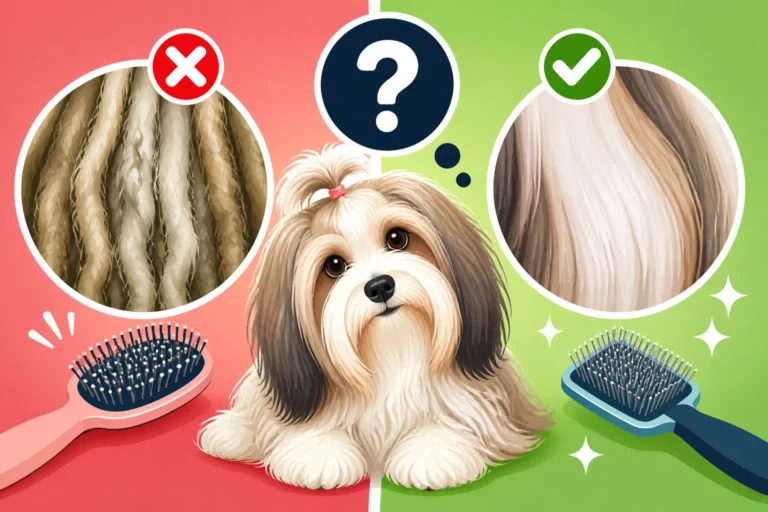
Many owners mistakenly think that because a Havanese doesn't shed heavily, their coat is low maintenance. Nothing could be further from the truth! This non-shedding quality actually means that dead hair gets trapped within the living coat, creating the perfect environment for mats to form close to the skin. A harsh shampoo can strip the natural oils that keep the coat soft and supple, making it even more susceptible to matting and static. You really want a shampoo that works with, not against, this delicate balance.
The silky texture also means that the hair can absorb products differently than other coat types. Residue from an unsuitable shampoo can weigh the coat down, making it appear greasy, dull, or even feel sticky. The goal is a clean, bouncy, free-flowing coat, and that starts with a shampoo that respects its inherent qualities. Think of it like washing fine silk versus heavy wool – the approach, and the products, must be different.
Common Skin Sensitivities and pH Balance
Beneath that beautiful coat lies skin that can often be quite sensitive. Havanese can be prone to various skin issues, from allergies to environmental irritants, or even Skin Trouble Under a Havanese Coat which can lead to discomfort, redness, and itching. A shampoo that's too strong, or contains harsh chemicals, can easily strip the skin of its natural protective barrier, leading to dryness, flakiness, and increased susceptibility to irritation or infection. This is where understanding pH balance becomes crucial.
A dog's skin pH is generally more alkaline than human skin, which means human shampoos are entirely unsuitable for our canine companions. Using a human shampoo, even a "gentle" one, can disrupt your Havanese's natural skin acidity, leading to irritation, dryness, and a compromised skin barrier. This can make them much more vulnerable to bacteria and yeast, potentially causing frustrating skin flare-ups. Always opt for shampoos specifically formulated for dogs.
Beyond pH, look out for signs your Havanese might be experiencing sensitivity. Excessive scratching or licking after a bath, red patches, dandruff, or a dull coat can all be indicators that their current shampoo isn't agreeing with them. Sometimes, skin issues might even be related to their diet, as discussed in Whether a Havanese Reacts to Its Food, so it's a holistic approach. It’s important to pay attention to these signals and be ready to change products if necessary to keep their skin healthy and happy.
Decoding Shampoo Labels: Types and Their Benefits
Walking into a pet store or browsing online at places like Chewy can be overwhelming with the sheer number of dog shampoos available. Each one promises something different, from extra shine to allergy relief. Knowing what each type offers and whether it aligns with your Havanese's needs will simplify your decision-making process. Don't just grab the first pretty bottle; take a moment to understand what's inside.
Gentle, Hypoallergenic Formulas for Sensitive Pups
For many Havanese, a gentle, hypoallergenic shampoo is the gold standard. These formulas are specifically designed to minimize the risk of allergic reactions and irritation, making them ideal for dogs with sensitive skin, environmental allergies, or those who tend to get Whether a Havanese Gets Itchy Skin. They are typically free from common irritants such as harsh dyes, strong fragrances, parabens, and sulfates. These ingredients, while making a shampoo smell nice or foam well, can be incredibly aggravating to a delicate canine dermis.
Look for terms like "hypoallergenic," "tearless," "fragrance-free," or "for sensitive skin" on the label. Often, these shampoos are formulated with natural, soothing ingredients such as aloe vera, oatmeal, or chamomile, which can help calm irritated skin and reduce redness. They aim to clean effectively without stripping the skin of its essential oils, maintaining the skin's natural moisture barrier. This is paramount for a Havanese to prevent dryness and subsequent scratching.
Even if your Havanese doesn't currently show signs of extreme sensitivity, starting with a hypoallergenic option is a wise preventative measure. It's like choosing a gentle laundry detergent for sensitive human skin – why risk irritation if you don't have to? Many vets recommend these types of shampoos for routine bathing, especially for breeds known for their finer coats and delicate complexions. Brands often have specific lines geared towards sensitive skin, so check those out.
Moisturizing and Conditioning for Luxurious Locks
Given the Havanese's long, silky coat, moisturizing and conditioning shampoos are a fantastic choice, often used in conjunction with a separate conditioner. These shampoos are packed with ingredients designed to hydrate the hair and skin, keeping the coat soft, shiny, and less prone to tangles and breakage. A well-hydrated coat is also easier to brush through, which is a huge bonus when dealing with Havanese matting potential. Whether a Havanese Coat Gets Harder to Manage explains why good conditioning is so important.
Ingredients like lanolin, argan oil, coconut oil, shea butter, and vitamin E are excellent for adding moisture and nourishment. They help to seal the hair cuticles, reducing frizz and improving the overall texture and manageability of the coat. This is especially important for Havanese living in dry climates or during colder months when indoor heating can zap moisture from their skin and fur. Regularly using a moisturizing shampoo and a good conditioner can make a noticeable difference in the health and appearance of their coat.
While some shampoos are "2-in-1" (shampoo and conditioner combined), for a Havanese's coat, I usually recommend a separate conditioning step. A dedicated conditioner can be left on for a few minutes, allowing deeper penetration and providing superior hydration and detangling benefits. This extra step after shampooing can be a game-changer for maintaining that characteristic silky Havanese texture, making your life easier when it comes to brushing.
Brightening and Odor Control Options
Sometimes, beyond just cleaning, you might want to address specific cosmetic concerns or everyday odors. This is where brightening and odor control shampoos come into play, though they should be chosen carefully for a Havanese's delicate coat.
For Havanese with white or light-colored coats, a "whitening" or "brightening" shampoo can help reduce yellowing and enhance their natural brilliance. These aren't bleach-based products, but rather contain optical brighteners or natural bluing agents (like blueberry extract) that counteract yellow tones without harsh chemicals. However, be cautious and always perform a patch test first, as some Havanese can be sensitive to these formulas. Ensure they are specifically designed for sensitive skin and apply gently, rinsing thoroughly.
Odor control shampoos, on the other hand, are formulated to neutralize unpleasant smells rather than just masking them with fragrance. They often contain ingredients like baking soda, activated charcoal, or specialized deodorizing agents. If your Havanese loves to roll in questionable things or simply develops a "doggy smell" between baths, these can be very helpful. Again, check for hypoallergenic versions to avoid skin irritation. These are generally safe for Havanese, but ensure the fragrance is mild or natural. You can find many such options for dogs on sites like Amazon.
De-shedding and Dematting Shampoos
While a Havanese is not a heavy shedder, their unique coat can still benefit from certain features found in de-shedding and dematting shampoos, especially during the coat change phase (around 8-12 months) or if mats have started to form. When a Havanese Puppy Coat Changes is a good read for understanding this crucial period.
De-shedding shampoos typically contain ingredients like omega fatty acids that are designed to strengthen the hair follicle and release loose undercoat. For a Havanese, this isn't about reducing massive amounts of shedding, but rather about helping to prevent those loose hairs from getting trapped in the coat and forming tight mats. Used sparingly, especially during the coat change, it can help manage the coat more effectively. However, their primary purpose isn't always perfectly aligned with the Havanese's minimal shedding, so focus more on moisturizing and detangling.
Dematting shampoos and conditioners are often richer in slip-inducing ingredients, making it easier to work out tangles and mats. These can be incredibly useful for a Havanese, particularly if you've missed a brushing session or they've gotten into something sticky. They don't magically remove mats, but they soften the hair and provide lubrication, allowing a comb to glide through more easily. Always remember that even with a dematting shampoo, mats still need to be gently worked out by hand, never pulled. After bathing, a proper Drying a Havanese Properly technique is essential to prevent new mats from forming.
| Shampoo Type | Primary Benefit | Key Ingredients (Examples) | Ideal Havanese Candidate | Considerations |
|---|---|---|---|---|
| Hypoallergenic | Minimizes irritation, soothes skin | Oatmeal, Aloe Vera, Chamomile, unscented | Sensitive skin, allergies, puppies | Always check for fragrance-free, dye-free. |
| Moisturizing/Conditioning | Hydrates coat and skin, reduces tangles | Lanolin, Argan Oil, Shea Butter, Vitamin E | Long, silky coats, dry skin, matting-prone | Often best with a separate conditioner for deeper hydration. |
| Whitening/Brightening | Enhances light coat color, reduces yellowing | Blueberry extract, optical brighteners | White/light-colored coats | Patch test recommended for sensitivity. |
| Odor Control | Neutralizes bad smells, cleans deeply | Baking Soda, Activated Charcoal, natural deodorizers | Outdoorsy pups, general "doggy smell" | Look for mild or natural fragrances to avoid irritation. |
| Dematting | Aids in detangling, softens mats | Silicones (gentle), oils, conditioners | Mat-prone coats, during coat change | Use with careful brushing, not a substitute for regular grooming. |
The Nitty-Gritty: Ingredients to Embrace and Avoid
Knowing what to look for and what to steer clear of in a shampoo's ingredient list is crucial for your Havanese's long-term skin and coat health. Manufacturers don't always make it easy, but a quick scan can tell you a lot about whether a product is suitable. Prioritizing natural, gentle ingredients can make a world of difference for your pup.
Natural and Nourishing Components
When you're scrutinizing shampoo labels, aim for ingredients that offer natural cleansing, soothing, and moisturizing properties. These are often derived from plants and are less likely to cause adverse reactions on sensitive Havanese skin. Think of it as a natural spa treatment for your furry friend!
Oatmeal is a superstar ingredient for sensitive skin, known for its anti-inflammatory and soothing properties. It can help calm itching and reduce redness, which is a common concern for many Havanese. Aloe vera is another fantastic natural soother and moisturizer, promoting healing and adding hydration without being greasy. For pups with Whether a Havanese Gets Yeast in Its Ears or skin, sometimes mild antifungal ingredients like tea tree oil (in very diluted, dog-safe concentrations) can be beneficial, but always check with your vet before using anything medicated.
Natural oils such as coconut oil, jojoba oil, or argan oil are excellent for conditioning the Havanese's silky coat, adding shine and softness. These oils can help strengthen the hair shaft, reduce breakage, and make the coat easier to comb through, which is vital to prevent mats. Vitamin E is another great addition, offering antioxidant benefits that support healthy skin and coat. Brands like Earthbath or Burt's Bees often feature these kinds of gentle, naturally derived ingredients, and you can easily find them on Chewy or Amazon. Remember, the simpler the ingredient list, the better, especially for a sensitive pup.
Chemicals and Irritants to Steer Clear Of
Just as important as knowing what to include is knowing what to avoid. Many common shampoo ingredients can be harsh and irritating, especially for a breed like the Havanese with its delicate skin and coat. Steering clear of these can save your pup a lot of discomfort.
Sulfates, such as Sodium Lauryl Sulfate (SLS) and Sodium Laureth Sulfate (SLES), are common foaming agents found in many shampoos. While they create a satisfying lather, they are also notorious for stripping natural oils from the skin and hair, leading to dryness, irritation, and even allergic reactions. For a Havanese, this can mean a dry, brittle coat that mats more easily, and itchy, flaky skin. Always look for "sulfate-free" shampoos.
Parabens (like methylparaben, propylparaben) are preservatives used to extend a product's shelf life, but they have been linked to health concerns and can be endocrine disruptors. Phthalates, often found in synthetic fragrances, are another group of chemicals to avoid. Artificial fragrances and dyes, while making a product look and smell appealing to humans, are common allergens and irritants for dogs. They can cause skin rashes, itching, and even respiratory issues in sensitive individuals. Opt for shampoos with natural, mild scents from essential oils (if dog-safe and properly diluted) or, ideally, unscented varieties. When considering food options for your Havanese, even brands like Ollie emphasize transparent ingredient lists, which is a good standard to apply to grooming products as well.
Optimizing Bath Time for a Happy, Healthy Havanese
Choosing the right shampoo is only half the battle; how you actually bathe your Havanese makes a tremendous difference in their comfort, the cleanliness of their coat, and preventing issues like matting. Bath time should be a positive experience, not a wrestling match. From prep to post-bath, every step contributes to a happy, healthy Havanese.
Preparing for a Successful Spa Session
Before you even turn on the water, thorough preparation is key, especially with a Havanese. Their beautiful, flowing coat is a magnet for tangles, and water only makes existing mats tighter and harder to remove. This crucial pre-bath step is often overlooked, leading to frustration for both you and your pup.
Start by completely and thoroughly brushing your Havanese. Use a good slicker brush and a metal comb to work through any tangles or mats, paying special attention to areas prone to matting like behind the ears, in the armpits, and on the legs. How Long Brushing a Havanese Takes Daily often surprises new owners, highlighting the importance of this regular care. If you encounter a mat that won't budge, try using a detangling spray or a dematting tool before the bath. Never attempt to wash a matted Havanese; it will only create a solid pelt that will likely require professional shaving. Having everything you need ready – shampoo, conditioner, towels, and perhaps some treats – also helps ensure a smooth process.
Another important step is protecting your Havanese's ears. Their floppy ears can trap water, leading to ear infections. Place cotton balls gently in their ear canals to prevent water from entering. Don't push them too far in, just enough to create a barrier. This simple act can save you a trip to the vet for Whether a Havanese Gets Ear Infections. Set the water temperature to lukewarm – not too hot, not too cold – to ensure your Havanese is comfortable.
The Art of Washing and Rinsing Thoroughly
Once prepped, it's time for the actual bath. Gentle technique is paramount for a Havanese. Start by thoroughly wetting their entire coat with lukewarm water. Make sure the water penetrates all the way to the skin, not just the outer layer of fur. This can take longer than you expect with their dense coat.
Apply the chosen shampoo, starting from the neck and working your way down to the tail and legs. Gently massage the shampoo into the coat and skin, using your fingertips. Avoid scrubbing vigorously or creating a tangled mess by rubbing the hair against itself. Instead, work the shampoo in a downward motion, in the direction of hair growth. This helps prevent new tangles from forming. Lather gently, focusing on cleaning the skin and the base of the hair follicles. For Havanese, a common concern is tear staining and beard staining, so a dedicated, tearless face wash might be beneficial for their delicate facial area, as their regular shampoo might be too strong for the eyes.
The most critical part of washing is rinsing. Any shampoo residue left in the coat can irritate the skin, cause dryness, and make the coat feel sticky, attracting dirt and leading to mats faster. Rinse, rinse, and rinse again! Run your hands through their coat to ensure no suds remain. You should feel the coat squeaky clean, but not stripped. It often feels like you've rinsed enough, then you need to rinse for another minute or two, especially with their long hair. This thorough rinsing is an absolute must, and it's a step where many owners unknowingly fall short.
Post-Bath Pampering and Drying Techniques
After a thorough rinse, the post-bath routine is just as important as the wash itself for a Havanese. Squeeze out as much excess water as you can from their coat, starting from the top and working your way down. Then, wrap them in a soft, absorbent towel and gently blot – don't rub! Rubbing can cause tangles and damage the delicate hair shafts.
If you use a separate conditioner (which I highly recommend for a Havanese), apply it after the final rinse. Gently work it through their coat, let it sit for a few minutes to penetrate, and then rinse it out completely, just as thoroughly as the shampoo. This helps lock in moisture and makes the coat much easier to brush. Many owners ask How Often a Havanese Should Be Bathed, and the answer often depends on how well you manage their post-bath care.
For drying, a cool to lukewarm forced air dryer (like one for dogs, not a human hairdryer which can be too hot and dry out their skin/coat) is ideal. Use it while brushing their coat with a slicker brush, gently separating the hair as it dries. This technique helps ensure the coat dries straight and tangle-free, preventing mats from setting in. If you allow a Havanese coat to air dry or cage dry without brushing, it will almost certainly mat. If you don't have a forced air dryer, use a human hairdryer on the lowest heat setting and continuously brush, making sure never to hold the dryer on one spot for too long. Fully dry the coat down to the skin. A damp undercoat is a recipe for skin irritation and matting. Drying a Havanese Properly is an art form, and it takes practice to get right.
Disclaimer
This article is for general informational purposes only and does not constitute professional advice. Laws, prices and regulations vary by location and change over time. Consult a qualified professional for guidance on your specific situation.