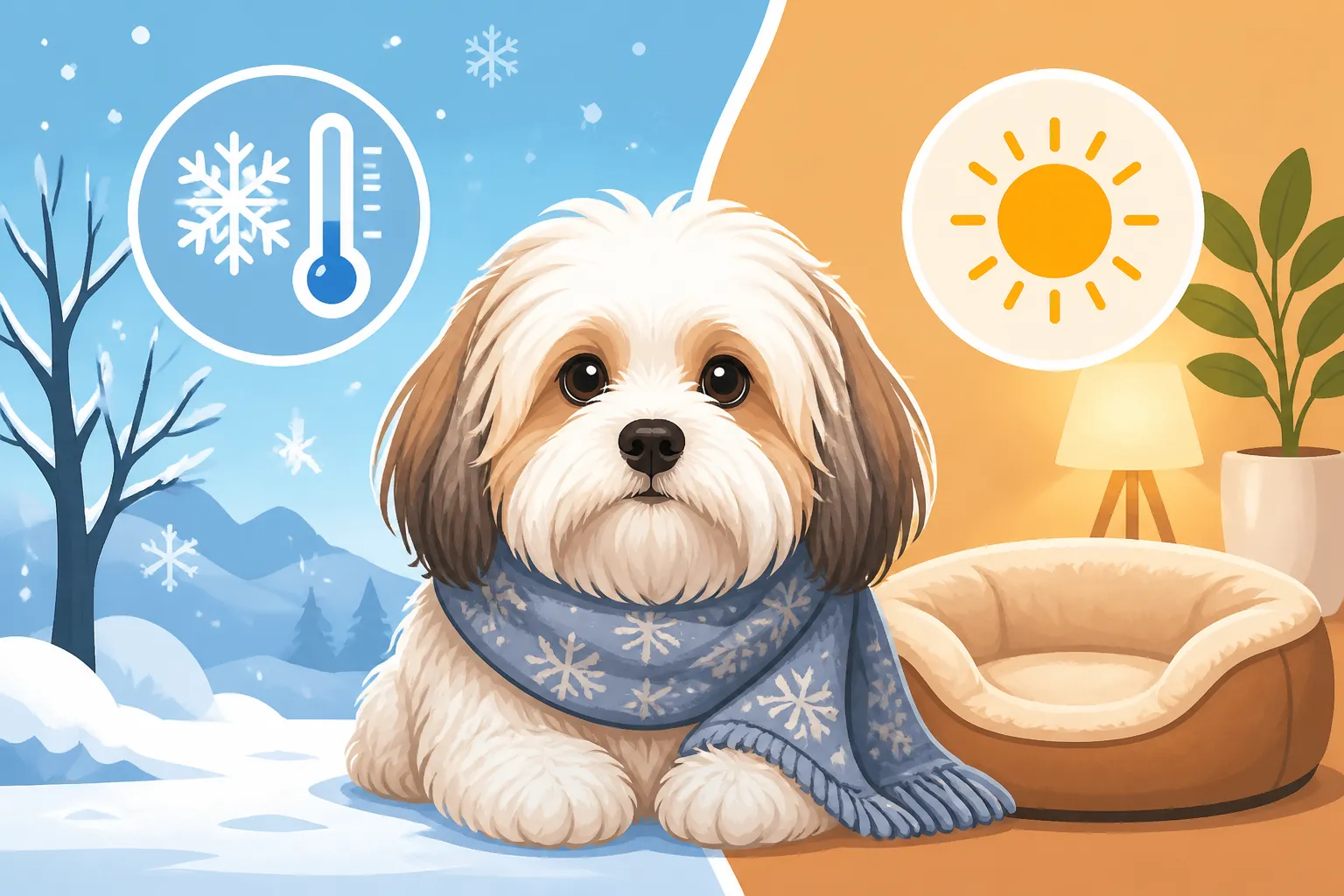
Whether a Havanese Feels the Cold
One common concern I hear from fellow Havanese parents, especially as the seasons change and the thermometer dips, is whether our beloved "Havi" friends genuinely feel the cold. It's not just a passing thought; it’s a real worry that keeps us wondering if they're comfortable on a brisk walk or shivering unnecessarily in the house. This guide aims to clear up those worries, diving deep into how your Havanese experiences chilly weather and what you can do to keep them cozy and content, no matter the forecast.
Understanding Your Havanese's Natural Insulation (or lack thereof)
It’s easy to look at a Havanese with their beautiful, flowing coat and assume they’re perfectly insulated against whatever Mother Nature throws their way. But, as we Havanese enthusiasts know, appearances can be deceiving, and there's a lot more to their cold tolerance than just a fluffy exterior.
The Havanese Coat: More Style Than Substance for Extreme Cold?
Yes, the Havanese possesses a double coat. This sounds impressive, like they’re wearing a built-in winter parka, right? In theory, a double coat—consisting of a softer, downy undercoat and a longer, silkier outer coat—is designed to provide insulation. It traps air close to the body, helping to maintain warmth in cold weather and repel heat in warm weather. Think of it as nature's own climate control system.
However, the Havanese double coat isn't like the dense, coarse, and incredibly thick coats you’d find on breeds specifically developed for freezing, snowy climates, such as a Siberian Husky or an Alaskan Malamute. Our Havanese's coat, while lovely and profuse, is distinctly silky and can be quite fine. It was truly designed for the warmer, more humid climate of Cuba, where The Havanese Is the Only Breed Cuba Ever Produced. While it does offer some protection against temperature fluctuations, it's not engineered for enduring prolonged exposure to harsh winter conditions. If the coat is kept long, it can certainly offer more warmth than a short clip, but even then, heavy rain or snow can soak through quickly, negating much of its insulating benefit. This is why you often see long-coated Havanese needing careful drying and protection when venturing out in damp conditions.
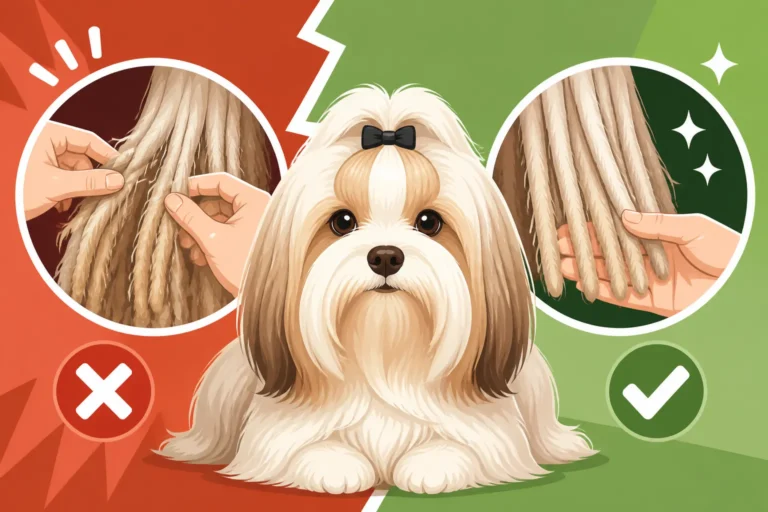
Regular grooming also plays a huge role in how effectively their coat can insulate. A matted coat loses its ability to trap air, becoming more of a liability than an asset. Mats can actually pull at the skin, restricting blood flow and making your Havanese more susceptible to the cold. So, that diligent brushing isn't just for looks; it's a vital part of their comfort and well-being. Keeping their coat in good condition helps maximize any natural insulation they have, but it's important to be realistic about its limitations when the temperatures truly plummet. Even with a well-maintained, long coat, they're not built to withstand freezing winds or deep snow for extended periods.
Size Matters: Why Smaller Breeds Feel the Cold More
It’s a simple scientific principle: smaller animals have a larger surface area relative to their body mass. What does this mean for your little Havanese? It means they lose body heat to the environment much faster than a larger dog. Imagine a tiny teacup full of hot coffee versus a large thermos; the teacup cools down much more quickly. Our Havanese, typically weighing in at a delicate 7 to 13 pounds, are like those tiny teacups.
Their petite size also means they have less fat and muscle mass to generate and retain warmth. Breeds developed in cold regions often have a more compact, sturdier build and a thicker layer of subcutaneous fat to help them survive frigid temperatures. The Havanese, with their light bone structure and generally lean build, simply doesn't have these natural advantages. This is why a short walk in weather that feels merely "brisk" to you might feel genuinely biting and uncomfortable for your small companion.
Their legs are also closer to the cold ground, exposing them directly to chilly surfaces, snow, or ice. This constant contact can quickly draw heat away from their paws and lower body. When you combine their small size, the nature of their coat, and their proximity to cold surfaces, it becomes clear that a Havanese is indeed quite sensitive to the cold and needs our help to stay warm. We need to be especially mindful of this vulnerability, rather than assuming their beautiful coat is all the protection they need.
Signs Your Havanese Is Feeling the Chill
Our Havanese might not be able to tell us in words that they’re cold, but they certainly communicate it through their behavior and subtle physical cues. Learning to read these signals is key to ensuring their comfort and preventing them from getting too cold.
Behavioral Cues to Watch For
The most obvious sign that your Havanese is feeling chilly is shivering. Just like us, dogs shiver when their body temperature drops, as it's an involuntary muscular response to generate heat. However, sometimes the shivering can be very subtle, a slight tremor rather than a full-body shake, especially if they’re trying to tough it out or are just starting to get cold. Pay attention to even mild trembling.
Another common behavior is a reluctance to go outside, especially if it involves stepping onto cold pavement or snow. They might dig in their heels, try to turn back, or even lift one or more paws off the ground as if the surface is too uncomfortable to stand on. My Havi, Pippin, absolutely refuses to walk on cold, wet grass without his booties on in the winter; he’ll stand there looking at me with the most pitiful expression until I comply! Seeking warmth is another big indicator. You might find your Havanese burrowing deep under blankets, trying to sneak under your shirt, or snuggling extra close to you on the couch. They’ll gravitate towards sunny spots on the floor, lie directly in front of a heating vent, or try to climb onto laps more frequently than usual. If they're usually playful and suddenly become quiet and want to huddle, cold could be a factor.
They might also start walking differently, perhaps with a more hurried gait, or lifting their paws more frequently and holding them up for a few seconds before putting them back down. This is particularly noticeable on really cold or icy surfaces. If they try to get back inside sooner than usual during a walk, or seem unusually anxious or uncomfortable outside, chances are they're telling you they're too cold. These are clear signals that your Havanese needs some extra warmth and protection.
Physical Indicators of Being Too Cold
Beyond behavior, there are several physical signs that can tell you your Havanese is getting too cold. The easiest way to check is to feel their extremities. If their ears are cold to the touch, or their paws and nose feel noticeably colder than their main body, it's a good indication that their body is diverting blood flow to their core to keep vital organs warm, leaving their extremities feeling the chill. This is their body’s natural response to protect itself from hypothermia.
Their skin might also feel colder than usual if you gently part their fur and touch it. While their long coat might feel fine on the surface, the skin underneath could be quite cool. In more severe cases of cold exposure, you might notice sluggishness, a decrease in energy levels, or even some stiffness in their movements. Their muscles might feel tense. Their gums and tongue might appear paler than usual, or even slightly bluish in extreme cases, which is a very serious sign requiring immediate veterinary attention. Their breathing might also become shallow or slow.
While a mild chill might just mean a bit of shivering and a desire to cuddle up, these more pronounced physical indicators are a sign that your Havanese is genuinely uncomfortable and potentially at risk. It’s crucial to bring them into a warm environment immediately and monitor them closely. Understanding these signs helps us be proactive in protecting our little Havanese from the discomfort and potential dangers of cold weather.
Practical Ways to Keep Your Havanese Warm
Knowing that your Havanese can feel the cold deeply is one thing; putting practical measures in place to keep them warm and happy is another. Thankfully, there are many simple and effective ways to ensure their comfort, both indoors and out.
Indoor Comfort: Creating a Cozy Sanctuary
Even inside your seemingly warm home, a Havanese can find cold spots. Drafts from windows or doors, or simply tile and hardwood floors, can be surprisingly chilly for a dog so close to the ground. Providing a dedicated warm bed is paramount. Look for beds with high sides that they can curl into, creating a little nest that traps their body heat. Many Havanese adore "cave" beds or beds with covers, allowing them to burrow in, which is a natural instinct for many small dogs seeking warmth and security.
Adding extra blankets to their sleeping area or favorite lounging spots gives them options to dig in and get truly snuggled. Soft, plush blankets, even simple fleece throws, can make a huge difference. For Havanese who are particularly sensitive to cold, or Whether an Old Havanese Feels the Cold More, a self-warming pet bed or a low-wattage heated pet mat can be a game-changer. These gently radiate warmth, providing continuous comfort. You can find excellent options for these on sites like Chewy or Amazon, where reviews often highlight how much small dogs love them. Just ensure any heated product is specifically designed for pets and has safety features like automatic shut-off.
Another simple tip is to position their bed away from exterior walls, drafty doorways, or uninsulated windows. If they spend time in a room with a lot of hard flooring, consider adding a rug or mat to provide a warmer surface for them to lie on. For Havanese with very short clips, or senior dogs whose coats might thin with age, a lightweight sweater or vest worn indoors can add an extra layer of warmth without overheating them.
Outdoor Protection: Gear and Good Habits
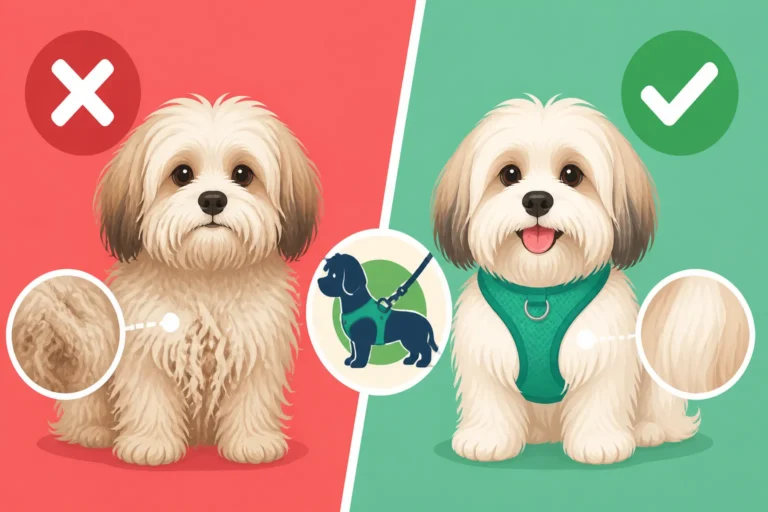
When venturing outside in chilly weather, your Havanese definitely needs some help. A good quality dog sweater or coat is essential. Look for materials that are warm but also water-resistant, especially if you live in an area prone to wet snow or freezing rain. Fleece, wool blends, or insulated, water-resistant fabrics are excellent choices. Make sure the coat fits snugly but doesn’t restrict their movement. A full-body suit can offer even more protection, covering their belly and legs. You can find a vast selection of these on Amazon or Chewy, with various styles and sizes to fit your Havanese perfectly. Remember, Whether a Havanese Needs a Sweater isn't really a question if the temperature drops low enough.
Booties are another non-negotiable item for many Havanese in winter. Not only do they provide warmth and traction on slippery surfaces, but they also protect delicate paw pads from harsh ice melt chemicals, sharp ice, and extreme cold. It can take some getting used to, but with positive reinforcement and patience, most Havanese will adapt. Start with short indoor sessions to help them get comfortable. When choosing booties, look for adjustable straps to ensure a secure fit, as Havanese have small, delicate feet.
Beyond gear, cultivating good habits is vital. Limit the duration of outdoor excursions in very cold weather. Potty breaks should be quick and efficient. If it's truly frigid, consider indoor potty pads as a temporary measure to avoid prolonged exposure. Avoid letting your Havanese lie directly on cold concrete or snow for extended periods. When playing in the yard, supervise closely and bring them in immediately if you notice any signs of discomfort or shivering.
Adapting Routines for Winter Weather
Winter weather doesn’t just mean bundling up; it means adjusting your daily routine to accommodate your Havanese's sensitivities. Instead of one long walk, you might opt for shorter, more frequent potty breaks, supplementing their exercise with indoor play sessions. Games like fetch in the hallway, hide-and-seek, or even training new tricks can burn energy and keep their minds active without prolonged cold exposure. Remember, Whether a Havanese Enjoys Puzzle Toys might give you an idea of indoor activities that can keep them engaged.
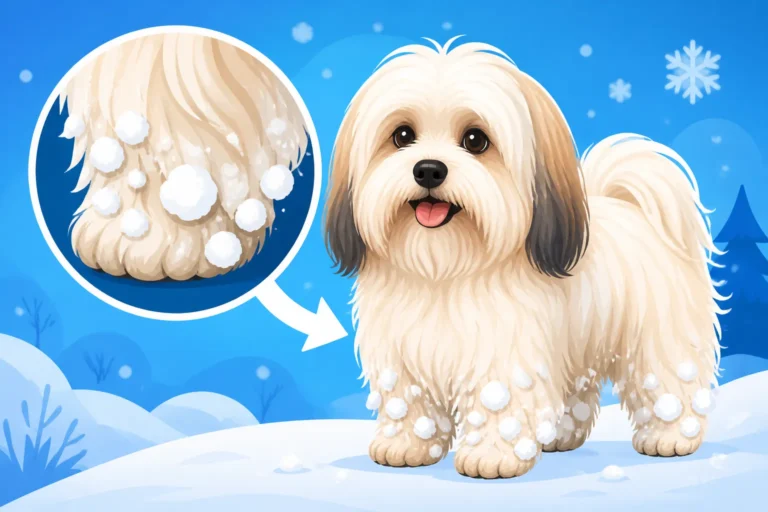
After any outdoor venture, especially in snow or slush, it’s critical to thoroughly wipe down your Havanese's paws and belly. Ice balls can form in their paw fur, and road salt or de-icing chemicals can irritate or even burn their delicate skin. A quick wipe with a warm, damp cloth helps prevent this and also stops them from ingesting harmful substances when they inevitably lick their paws. Pay close attention to the fur between their paw pads, as ice and snow can accumulate there.
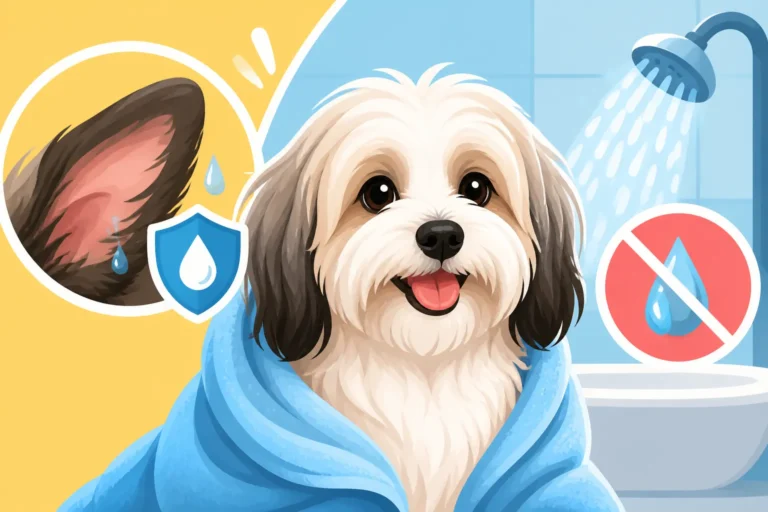
Consider adjusting bath schedules during colder months. While regular grooming is important, you don't want to bathe them so frequently that their natural skin oils, which offer a slight protective barrier, are stripped away too often. When you do bathe them, ensure they are completely dry before going outside, even for a quick potty break. A force dryer (on a cool setting) can be incredibly helpful for drying their dense coat quickly and thoroughly. During very cold snaps, some owners even opt for slightly warmer, softer food from brands like Ollie or simply warm up their regular kibble with a little low-sodium broth to provide extra warmth and comfort at meal times.
When the Cold Becomes a Concern: Health Considerations
While we're all about keeping our Havanese comfortable, it's also important to understand the more serious health risks that extreme cold poses, especially for a small, sensitive breed.
Risks of Hypothermia and Frostbite
Hypothermia occurs when a dog's body temperature drops below a healthy range. For a Havanese, whose small size means they lose heat quickly, this can happen faster than you might think, even in what seems like moderately cold weather if they're exposed for too long. Symptoms include intense shivering, lethargy, weakness, shallow breathing, pale gums, and cold skin and extremities. If hypothermia progresses, they may become disoriented, collapse, or lose consciousness. This is a medical emergency that requires immediate veterinary attention.
Frostbite is another serious concern, especially for their ears, tails, and paws—areas with less fur and fat protection and reduced blood circulation in the cold. It occurs when body tissue freezes. Initially, affected areas may appear pale, grayish, or bluish due to lack of blood flow. As the tissue thaws, it can become red, swollen, painful, and eventually, the skin may turn black and slough off. If you suspect your Havanese has frostbite, gently warm the affected areas with lukewarm (not hot!) water or compresses, and seek veterinary care immediately. Do not rub the affected areas, as this can cause further damage. Prevention through proper outdoor gear and limited exposure is always the best approach.
Special Considerations for Puppies and Seniors
Havanese puppies, particularly those under six months old, have underdeveloped thermoregulation systems. This means they struggle to control their own body temperature as effectively as adult dogs. They have less fat to insulate them and their bodies are still growing and developing. What might be a slight chill for an adult Havanese could be genuinely dangerous for a tiny puppy. Keep puppy outdoor exposure very short in cool weather, and ensure they are always warm and dry inside. A good rule of thumb is that if you're cold, your puppy is likely even colder.
Senior Havanese also warrant special care. As dogs age, their metabolism can slow down, their circulation might not be as efficient, and their coats may thin, all of which reduce their natural ability to stay warm. Furthermore, older dogs are more prone to conditions like arthritis or other joint issues, such as Arthritis in a Havanese at Twelve. Cold weather can exacerbate joint pain, making movement uncomfortable and leading to a reluctance to go outside. If your senior Havanese is on any medications, check with your vet, as some drugs can affect their ability to regulate body temperature.
An older Havanese might also have compromised immune systems, making them more susceptible to illness if they get too cold. Keep them extra cozy with blankets, sweaters, and warm resting spots. Monitor them closely for any changes in behavior or physical signs of cold, and always prioritize their comfort and warmth during chilly months.
| Cold Scenario | Signs Your Havanese Might Be Cold | Recommended Action | Essential Gear/Habits |
|---|---|---|---|
| Cool Breezes (45-55°F) | Mild shivering, seeking sunny spots, increased cuddling | Limit outdoor time; ensure warm indoor beds. | Indoor sweaters (for sensitive dogs), soft blankets, draft guards. |
| Chilly Outdoors (30-44°F) | More noticeable shivering, reluctance to go out, lifting paws | Short, supervised potty breaks; provide warm indoor areas. | Outdoor sweater/light coat, consider booties for walks. |
| Freezing/Snowy (Below 30°F) | Intense shivering, lethargy, cold ears/paws, whining, trying to get inside immediately | Minimize outdoor time to only brief potty breaks; use indoor pads if possible. | Insulated winter coat, waterproof booties, post-walk paw cleaning. |
| Extreme Cold (Below 15°F) | All above signs, plus possible confusion, stumbling, pale gums, shallow breathing | AVOID outdoor exposure entirely if possible. Emergency vet if symptoms severe. | Heavy winter coat, booties. Use indoor potty solutions. |
This article is for general informational purposes only and does not constitute professional advice. Laws, prices and regulations vary by location and change over time. Consult a qualified professional for guidance on your specific situation.