Beds That Suit an Arthritic Havanese
Watching your beloved Havanese struggle with the stiffness and discomfort that comes with arthritis can be truly heartbreaking. Every labored step, every groan when they try to get up, it tugs at your heartstrings and makes you wish you could magically take their pain away. This comprehensive guide is dedicated to helping you find the perfect sanctuary for your aging or arthritic Havanese, exploring the best types of beds designed to soothe their joints, ease their pain, and provide them with the restful sleep they desperately need.
Why a Supportive Bed is Crucial for an Arthritic Havanese
When your Havanese starts to show signs of arthritis, often appearing as they enter their senior years, the surfaces they rest on become incredibly important. Those cute, fluffy beds they adored as puppies, or even your plush sofa, might not be offering the support their aching joints require. Imagine trying to sleep on a lumpy mattress when every joint in your body protests – that's often what it feels like for a dog with arthritis on an inadequate bed. Providing proper support isn't just about comfort; it's a vital part of pain management and maintaining their quality of life.
The wrong kind of bed can actually exacerbate their discomfort. A bed that sags, offers no firm support, or allows their joints to press against a hard floor won't alleviate pressure points. Instead, it can lead to more inflammation, stiffness, and disrupted sleep. You might notice your Havanese shifting frequently, struggling to find a comfortable position, or even avoiding their bed altogether in favor of a cooler, harder floor. This isn't them being picky; it's their body telling them what they need, and often, what they need is better support.
A truly supportive bed helps to evenly distribute your Havanese's weight, cushioning their joints and preventing them from sinking into positions that strain their hips, elbows, or spine. This consistent support reduces the pressure on inflamed areas, promotes better circulation, and can significantly decrease the stiffness they experience, especially after a long nap. Think of it as a therapeutic tool, not just a place to sleep. It’s an investment in their comfort and well-being, directly contributing to their overall happiness and mobility as they age.
Understanding the Needs of an Arthritic Havanese
Before diving into specific bed types, it's essential to understand the unique challenges an arthritic Havanese faces. Their small size, coupled with the long, low structure that is typical of many Havanese, means their joints, particularly in their spine and legs, can be vulnerable. As they get older, the cartilage in their joints begins to wear down, leading to bone-on-bone friction, inflammation, and pain. This discomfort can manifest in many ways, from reluctance to jump or play to limping or stiffness.
One of the biggest issues is the difficulty they have getting up and down. A soft, unsupportive bed might feel good initially, but it can be like sinking into quicksand when they try to rise. The lack of firm leverage makes it a struggle, potentially causing more pain and frustration. This is why a bed that offers both plush cushioning and firm, resilient support is paramount. It allows them to rest deeply without battling gravity to exit their cozy spot.
Beyond physical comfort, there's also the psychological impact. A dog in pain can become more anxious, less engaged, and even withdrawn. A safe, comfortable resting place provides a sense of security and relief, which is just as important as the physical benefits. If your Havanese is showing The Signs a Havanese Is Getting Old, providing them with a specialized bed is one of the most proactive steps you can take to enhance their golden years. A good bed helps them conserve energy, allowing them to still enjoy the moments of Whether an Old Havanese Still Wants to Play without being constantly fatigued by discomfort.
Exploring Different Types of Orthopedic Beds
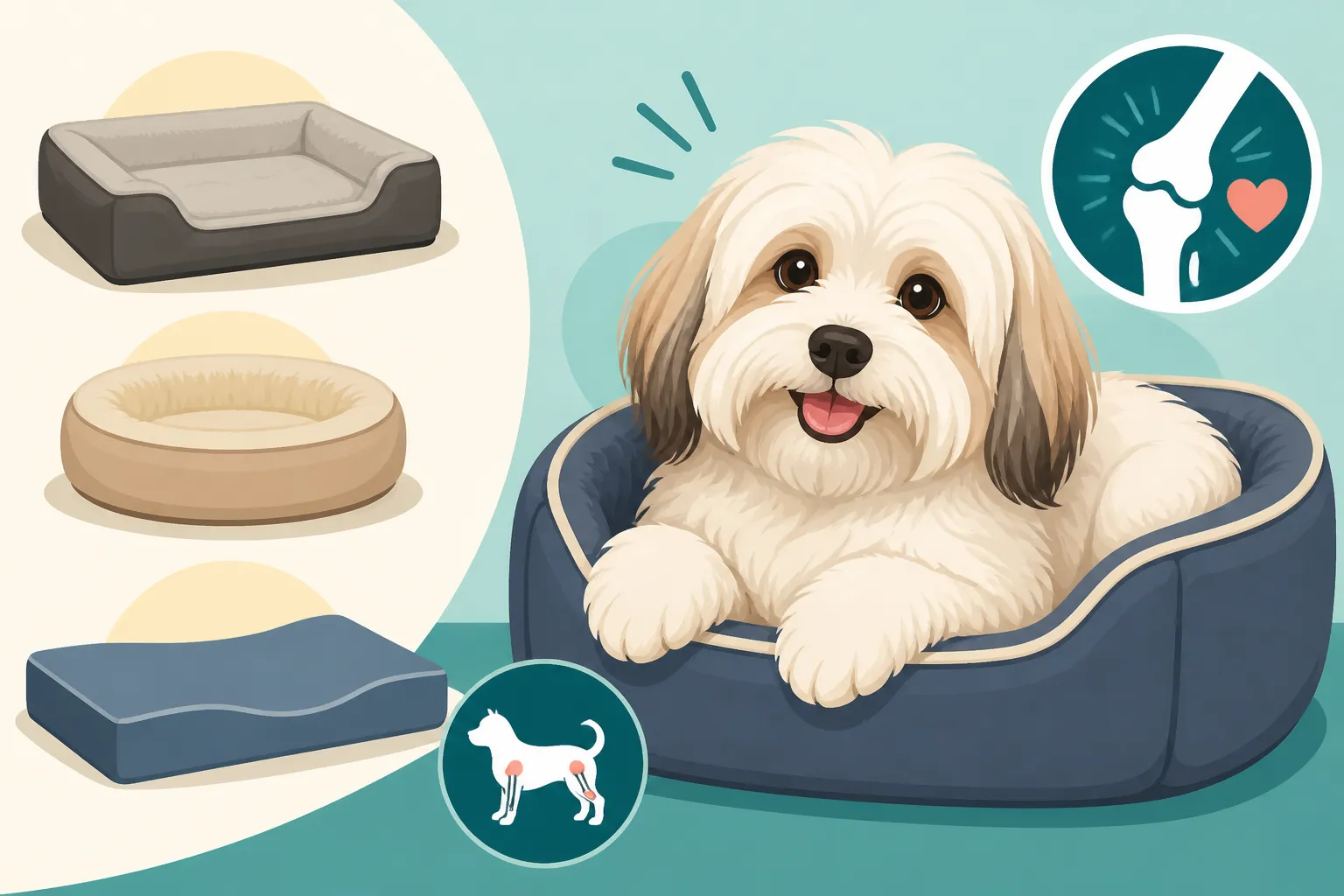
When it comes to orthopedic beds for an arthritic Havanese, you'll find a variety of designs and materials, each with its own advantages. The key is finding one that truly cradles their body, relieves pressure points, and supports their frame without letting them sink too much.
Memory Foam Beds for Superior Support
Memory foam is often considered the gold standard for orthopedic pet beds, and for good reason. Originally developed for NASA, this material is designed to contour to the body's shape, distributing weight evenly and relieving pressure points. For a Havanese with arthritis, this means their hips, shoulders, and spine are cushioned and supported, reducing stress on inflamed joints. When they get up, the foam slowly returns to its original shape, ready for the next nap.
These beds come in various densities and thicknesses. A thicker, denser memory foam mattress will offer more robust support and durability, which can be particularly beneficial for a Havanese that might have a bit more weight on their joints, even though they are a small breed. Be sure to check the product descriptions carefully, perhaps on sites like Amazon or Chewy, to understand the foam's composition. Some cheaper options might use shredded foam or a thin layer of memory foam over standard foam, which won't provide the same level of therapeutic support as a solid, high-density memory foam slab.
A good quality memory foam bed can make a noticeable difference in how your Havanese moves after resting. Instead of struggling to get up and being stiff for a few minutes, they might rise more easily and move with greater fluidity. It’s a bit like us getting a really good mattress – the difference in how you feel in the morning is immense.
Therapeutic Foam and Bolstered Designs
Beyond pure memory foam, many orthopedic beds incorporate other types of supportive foam, sometimes layered with memory foam, to offer different benefits. High-density therapeutic foam, for instance, provides firm, consistent support without the "sinking" feeling of memory foam, which some dogs prefer if they need more immediate leverage to push themselves up. These often combine softness on top with firmness underneath.
Bolstered beds are another popular option, especially for Havanese who love to curl up or rest their head on something. These beds feature raised edges around the perimeter, creating a cozy nest-like feel. The bolsters provide a sense of security and a comfortable pillow for their head and neck, which can be beneficial for spinal alignment. For a Havanese, who often enjoy snuggling, a bolstered bed can provide both orthopedic support and emotional comfort. You might find a great variety of these on Chewy, often with detailed descriptions and customer reviews that can guide your choice.
Some premium brands, such as those that produce high-quality human bedding, may also offer pet beds with advanced foam technology that goes beyond basic memory foam, providing specific pressure relief zones or temperature regulation. These options might come with a higher price tag, but the long-term benefits for your Havanese's comfort and well-being can be well worth the investment, particularly if your Havanese is dealing with Arthritis in a Havanese at Twelve.
Heated Beds for Joint Relief
For Havanese struggling with significant joint pain, a heated bed can be a game-changer, especially in colder climates or during winter months. Heat therapy helps to increase blood flow to stiff and sore muscles and joints, relaxing them and providing considerable pain relief. Just as a warm bath or heating pad can soothe our aches, a gently heated bed can do wonders for your Havanese.
These beds typically have low-wattage heating elements safely embedded within the mattress. They are designed to maintain a subtle warmth, usually just a few degrees above ambient temperature, ensuring it’s comforting without being too hot. Look for options with safety features like automatic shut-off and chew-resistant cords. Some are thermostatically controlled, only activating when your dog is on the bed, making them energy-efficient and safe.
A heated bed can be particularly helpful for a Havanese that seems extra stiff first thing in the morning or after prolonged periods of rest. The gentle warmth can help their muscles and joints warm up, making it easier for them to get moving. Just be sure to supervise your dog initially to ensure they are comfortable with the warmth.
Key Features to Consider for Maximum Comfort
Choosing the right bed goes beyond just the type of foam. Several other features can significantly impact your arthritic Havanese's comfort and your ease of care.
Size and Shape Matters
While Havanese are small dogs, you don't want a bed that is too cramped. An arthritic dog needs space to stretch out fully without hanging off the edges. This allows them to shift positions easily and find the most comfortable posture without being restricted. Measure your Havanese while they are fully stretched out, from nose to tail, and then add a few inches to ensure ample room. A bed that's too small will force them into cramped positions, which can aggravate their joints rather than soothe them.
Consider the shape too. Rectangular beds are great for dogs who like to sprawl, while round or oval bolstered beds might appeal to those who prefer to curl up. Some beds even offer L-shaped bolsters, providing support on two sides while allowing easier entry and exit.
Ease of Access and Mobility
For an arthritic Havanese, getting into and out of their bed can be a challenge. Look for beds with a low profile or an accessible entrance. High bolsters or very thick, plush sides might require them to step over a barrier, which can be painful. A bed with one side lower or a gradual slope for entry can make a world of difference.
If you opt for a thicker memory foam bed, ensure it doesn't create too much of a "lip" that they have to navigate. Some brands design their orthopedic beds with a cutout or a slightly lower front edge specifically for senior or less mobile pets. This attention to detail can prevent unnecessary strain on their joints.
Washable Covers and Durability
Let's be real, life with dogs, especially older ones, can get a little messy. Incontinence can sometimes be an issue for senior dogs, so a bed with a removable, machine-washable cover is non-negotiable. Look for covers made from durable, soft fabrics that can withstand frequent washing without losing their integrity. Waterproof liners underneath the main cover are also a fantastic feature, protecting the foam core from accidents and spills. This helps to extend the life of the bed and maintain hygiene.
The durability of the bed's materials – both the foam and the cover – is also crucial. A well-made orthopedic bed is an investment, and you want it to last. Read reviews on platforms like Chewy or Amazon about the longevity of the foam and fabric, especially concerning how well they hold up to daily use and cleaning.
Material and Firmness Considerations
The firmness of the bed should provide support without being rock-hard. You want a bed that cradles your Havanese's body, allowing a slight sink, but not so much that they bottom out and feel the hard floor beneath. Memory foam usually offers a good balance of plushness and support, but different densities will feel different.
Consider the surface material as well. Some covers are made of soft, plush fleece, while others are more like durable canvas. For a Havanese, a soft, comfortable surface is usually preferred for their delicate coat and skin. However, if your Havanese tends to overheat, you might look for covers made with breathable or cooling fabrics.
Here's a quick comparison of bed types and their typical benefits for an arthritic Havanese:
| Bed Type | Key Benefit for Arthritis | Typical Material(s) | Washability/Maintenance | Accessibility for Seniors |
|---|---|---|---|---|
| Memory Foam | Superior pressure relief, contours to body | Visco-elastic foam | Removable, machine-washable cover is common | Good, low profile available |
| Therapeutic Foam | Firm, consistent support, good leverage for rising | High-density polyurethane foam | Removable, machine-washable cover is common | Excellent, often low profile |
| Bolstered Bed | Head/neck support, security, cozy feeling, joint cushioning | Foam core (often memory/ortho) with raised edges | Removable, machine-washable cover is common | Can vary, look for low entry point |
| Heated Bed | Therapeutic warmth, increased blood flow, muscle relaxation | Foam core with embedded heating element | Removable, machine-washable cover; careful with heating element | Good, typically low profile |
Making the Transition and Beyond: Ensuring Long-Term Comfort
Introducing a new bed to your Havanese, especially one that has always had a particular spot, might take a little patience. They are creatures of habit, and change can sometimes be met with suspicion. But with a few simple steps, you can help them embrace their new orthopedic haven.
Gentle Introduction and Positive Reinforcement
Place the new bed in the exact spot where their old bed used to be, or in their favorite resting area. Let them explore it on their own terms. Avoid forcing them onto the bed. Instead, make it an inviting space. You can sprinkle a few of their favorite treats on the bed, place their most cherished toy there, or even lay an old blanket that smells like them on top. Positive reinforcement, like gentle praise and soft petting when they investigate or lie on the bed, will help them associate it with good things.
Spend some time sitting next to the bed, perhaps reading or watching TV, to show them it's a safe and comfortable place. You might even find yourself wanting to try it out – though it's probably too small for you! The goal is to make the transition as stress-free as possible, slowly building their positive association with their new orthopedic spot.
Observing Your Havanese's Response
Once they start using the new bed, pay close attention to their behavior. Are they sleeping more soundly? Do they seem less stiff when they get up? Are they choosing the new bed over other surfaces in the house? These observations will tell you if the bed is truly helping.
If your Havanese seems hesitant, it might be due to the bed's firmness or even its texture. Some dogs prefer a softer surface, even with arthritis. You might try adding a very soft, thin blanket or a faux fur throw over the orthopedic bed to make it more appealing without sacrificing the underlying support. Remember, every dog is an individual, and what works perfectly for one might need a slight adjustment for another. It's a journey to find the absolute best comfort for your furry family member.
Regular Maintenance and Care
To ensure the orthopedic bed continues to provide maximum benefit, regular maintenance is key. As mentioned, washing the cover frequently will keep it clean and fresh, which is important for your Havanese's hygiene and overall comfort, especially as Skin Trouble Under a Havanese Coat can sometimes be an issue. Follow the manufacturer's washing instructions carefully to preserve the fabric's integrity and any special features, like waterproofing.
Check the foam core periodically for any signs of sagging or wear. While high-quality orthopedic foam is designed for durability, over time, even the best materials can start to break down. If you notice a significant impression or unevenness, it might be time to consider a replacement to continue providing optimal support. Investing in a good bed for your Havanese is a long-term commitment to their comfort and well-being, especially as they enter the stage of Caring for a Havanese Past Twelve.
Disclaimer
This article is for general informational purposes only and does not constitute professional advice. Laws, prices and regulations vary by location and change over time. Consult a qualified professional for guidance on your specific situation.