Whether Legg Calve Perthes Affects Both of a Havanese’s Hips
Seeing your beloved Havanese suddenly start limping can be utterly heartbreaking and incredibly frightening. You immediately start to worry about serious conditions, and if you’ve been researching, you might have stumbled upon Legg-Calve-Perthes (LCP) disease, leaving you wondering if it's just one hip affected or if you're facing issues with both. This guide is here to demystify LCP in Havanese dogs, focusing specifically on how it typically presents and whether both hips are usually involved, so you can better understand what your furry friend might be going through.
Understanding Legg-Calve-Perthes Disease in Havanese
Legg-Calve-Perthes (LCP) disease is one of those conditions that, as a Havanese owner, you hope you never encounter, but it's important to be aware of it. It's a non-inflammatory, aseptic necrosis of the femoral head – a fancy way of saying the blood supply to the ball part of the hip joint temporarily stops. Without that crucial blood flow, the bone cells in the femoral head start to die, leading to deterioration and collapse. Imagine a tiny, delicate structure at the top of your dog's thigh bone, slowly crumbling. This leads to intense pain, inflammation, and ultimately, an altered gait or limp.
This condition is primarily seen in toy and small breed dogs, and unfortunately, our lovely Havanese fall right into that category. It’s a developmental orthopedic disease, meaning it tends to show up when puppies are still growing, usually between 4 months and a year of age. It's not something they're necessarily born with, but rather something that develops as they mature. The exact cause is still a bit of a mystery, but veterinarians and researchers suspect a combination of genetics and environmental factors might play a role. It's not like a sudden injury; it's a progressive degeneration that often leaves owners puzzled as to why their otherwise playful puppy is suddenly struggling.
What Happens Inside the Hip Joint
To really grasp LCP, let's take a closer look at what's going on within that tiny hip joint. The hip is a ball-and-socket joint, with the femoral head (the "ball" at the top of the femur, or thigh bone) fitting into the acetabulum (the "socket" in the pelvis). In LCP, the issue begins with the loss of blood supply to that femoral head. Without oxygen and nutrients, the bone tissue starts to necrose – essentially, it dies.
As the bone dies, it weakens significantly. The once smooth, perfectly round femoral head becomes brittle and can start to collapse under the normal weight and movement of the dog. This collapse is excruciatingly painful, causing the cartilage covering the bone to also break down. When the smooth surfaces of the joint are compromised, they no longer glide effortlessly. Instead, they grate and rub, leading to further pain, inflammation, and the development of osteoarthritis. Over time, the body tries to heal itself, often by laying down new, irregular bone, which can further distort the joint and worsen the dog's mobility. It’s a cascade of painful events for your little Havanese.
Why Small Breeds Are More Susceptible
It might seem unfair that such a charming and robust little breed like the Havanese can be prone to such a debilitating condition. However, LCP disease has a strong predilection for small and toy breeds, and there are a few theories as to why. One prevailing thought is that there might be a genetic component involved, although specific genes haven't been definitively isolated for Havanese specifically. Breeds like West Highland White Terriers, Cairn Terriers, and Miniature Poodles are also commonly affected.
Another theory relates to the rapid growth phases in these smaller breeds, where the blood supply to the femoral head might be more vulnerable to disruption. Sometimes, even minor trauma or inflammation can be enough to trigger the initial loss of blood flow in a genetically predisposed puppy. While we can’t entirely prevent it, understanding that your Havanese is in a higher-risk category helps you be more vigilant about recognizing the early signs. This is why paying close attention to The Age a Havanese Shows Hip Pain and any changes in their movement is so crucial.
Spotting the Signs and Getting a Diagnosis
Recognizing the early signs of Legg-Calve-Perthes disease can be tricky, as puppies are often naturally clumsy, and sometimes a slight limp might be dismissed as a minor sprain from exuberant play. However, with LCP, the limp usually becomes progressively worse, rather than resolving quickly. As a Havanese owner, you’re often tuned into every little nuance of your dog's behavior and movement, and that sensitivity can be your biggest asset here.
The most common initial sign is a gradual onset of lameness in one of the hind legs. Your Havanese might start showing a reluctance to put weight on the affected leg, or you might notice them hopping or carrying it slightly. This isn't usually a sudden, dramatic injury, but rather a subtle, increasing discomfort. They might also show signs of pain when you touch their hip or try to manipulate the leg.
Common Symptoms to Watch For
When a Havanese is developing LCP, the symptoms aren't always glaringly obvious at first. It often begins subtly and progresses over weeks or even months. Here are some key indicators you should be on the lookout for:
- Gradual Limping: This is usually the first noticeable sign. It might start as an intermittent limp after exercise, or when they first get up, gradually becoming more consistent and severe. Your dog might seem fine for a bit, then start favoring a leg again.
- Pain: Your Havanese might cry out, yelp, or show signs of discomfort when the affected leg or hip is touched, extended, or moved. They might become defensive when you try to groom their hindquarters.
- Muscle Atrophy: Over time, because the dog is not using the affected leg normally, the muscles in the thigh of that leg will begin to waste away, appearing thinner compared to the healthy leg. This can be a more advanced sign.
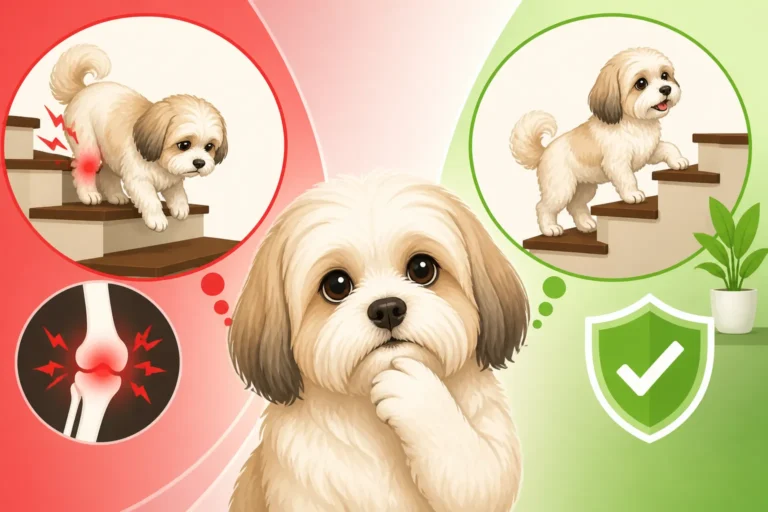
- Reluctance to Play or Move: A puppy that was once full of boundless energy might suddenly seem more subdued, unwilling to jump, run, or engage in their usual games. They might struggle with stairs or getting onto furniture.
- Stiffness: You might notice your Havanese seems stiff, especially after periods of rest. They may struggle to stand up or lie down comfortably.
- Chewing/Licking at the Hip Area: Some dogs will try to alleviate their discomfort by constantly licking or chewing at the skin over the affected hip joint.
It’s easy to write off a mild limp as just a little bump or bruise, especially in an active Havanese puppy. However, if you notice any of these signs persisting or worsening, it's always best to consult your veterinarian without delay. Early intervention can make a significant difference in outcomes. If you’re seeing The Skip That Means a Havanese's Knee Has Gone but also notice these hip symptoms, it could be a complex picture requiring thorough investigation.
How a Veterinarian Diagnoses LCP
When you take your Havanese to the vet with concerns about limping, they will perform a thorough orthopedic examination. This involves gently manipulating the hip joint, assessing range of motion, and checking for signs of pain, crepitus (a grinding sound or sensation), or muscle atrophy. They’ll also observe your dog's gait. A common observation in LCP cases is significant pain when the hip is extended and rotated.
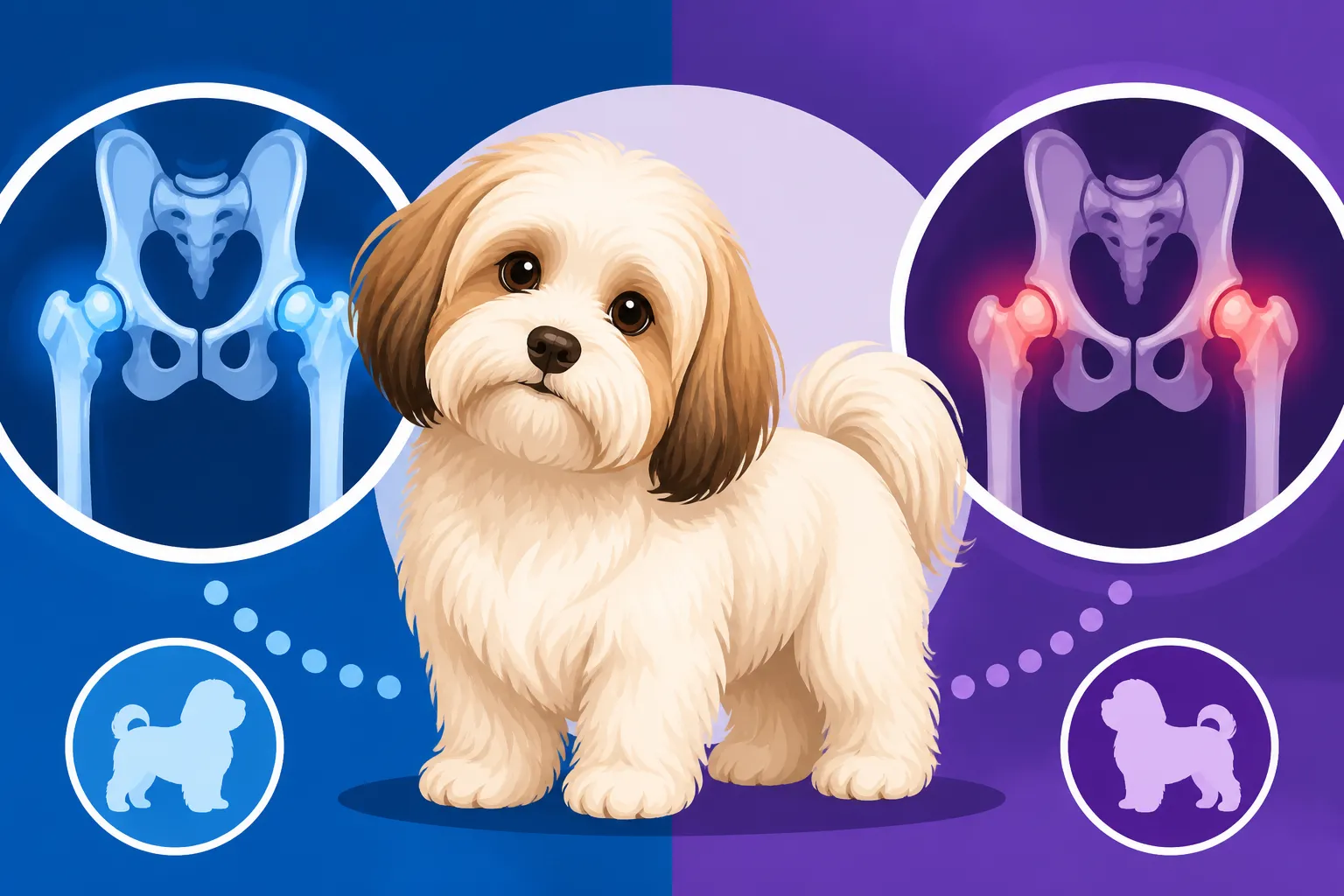
The definitive diagnosis, however, usually relies on X-rays of the hip joint. These images will reveal the characteristic changes associated with LCP, such as flattening or irregular density of the femoral head, widening of the joint space, and later, signs of arthritis. Sometimes, more advanced imaging like an MRI might be used in complex cases, but typically, standard radiographs are sufficient. Your vet will usually take X-rays of both hips, even if only one seems affected, to get a complete picture and rule out other conditions. This is an important step in determining Whether a Havanese Needs Femoral Head Surgery and planning the best course of action.
Unilateral vs. Bilateral Presentation in Havanese
Now, to the heart of your question: does Legg-Calve-Perthes disease affect both of a Havanese's hips? This is a really common concern for owners, and thankfully, the answer is generally reassuring.
In the vast majority of cases, Legg-Calve-Perthes disease is unilateral, meaning it affects only one hip. You’ll typically see the lameness and other symptoms presenting in a single hind leg. This is the classic presentation for LCP in Havanese and other small breeds. The disease doesn't usually strike both hips symmetrically at the same time.
However, it's crucial to understand that while rare, bilateral involvement (affecting both hips) can occur. When it does, it's usually not that both hips develop the condition with equal severity simultaneously. More often, one hip is affected first, and then, either concurrently or shortly after, the other hip develops symptoms. This can make diagnosis more challenging, as the dog might be trying to compensate for pain in both legs, leading to a more generalized stiffness or unusual gait rather than a clear limp on one side.
Why LCP is Typically Unilateral
The reason LCP is predominantly unilateral isn't fully understood, but it points to the complex interplay of factors contributing to the disease. If it were purely a systemic genetic issue affecting bone development across the board, you might expect to see both hips equally affected more often. The fact that it's usually one-sided suggests that a localized event, perhaps a minor injury, a localized vascular insult, or an anatomical predisposition in that specific joint, might trigger the initial loss of blood flow.
Consider a scenario where a Havanese puppy might experience a slight, unnoticed trauma to one hip while playing. For a puppy already genetically predisposed, this minor event could be the tipping point that disrupts the delicate blood supply to one femoral head, but not the other. This localized insult leads to the aseptic necrosis on just that one side. While the genetic predisposition might be present throughout the dog's body, the manifestation of LCP often requires an additional, specific trigger in a particular joint. This tendency for unilateral presentation is why your vet will pay very close attention to which leg your Havanese is favoring, as discussed in Whether a Havanese Limps on One Back Leg.
The Challenges of Bilateral LCP
Although less common, if your Havanese were to develop bilateral LCP, the diagnostic process and subsequent management could indeed be more complex. When both hips are painful, it's much harder for a dog to compensate. Instead of a clear limp on one side, you might observe:
- Generalized Stiffness: Your Havanese might walk with a very stiff, short-strided gait in the hind end, appearing hesitant to move at all.
- Difficulty Rising: They may struggle significantly to get up from a lying position.
- Pain on Both Sides: Manipulation of both hip joints would elicit pain, and muscle atrophy might be noticeable in both hind limbs.
- Reluctance to Bear Weight: The dog might shift its weight forward, trying to relieve pressure on both painful hips.
A veterinarian might initially suspect other conditions that cause generalized hind-end weakness or pain, such as certain spinal issues or other systemic joint diseases. This is where comprehensive X-rays of both hips become absolutely invaluable. The X-rays would clearly show the characteristic changes of LCP in both femoral heads, confirming the bilateral diagnosis. Treating bilateral LCP typically means tackling two problems simultaneously, which can extend recovery times and increase the intensity of physical therapy. This emphasizes the importance of understanding the overall picture when dealing with How Legg Calve Perthes Starts in a Havanese and how it progresses.
Management and Prognosis for Your Havanese
Regardless of whether your Havanese has unilateral or bilateral Legg-Calve-Perthes disease, the good news is that there are effective treatments available. The primary goal of treatment is to alleviate pain, restore mobility, and prevent further joint damage. For dogs diagnosed with LCP, surgical intervention is often the most successful and long-lasting solution, though conservative management might be considered in very mild or early cases.
Surgical Treatment Options
The most common surgical procedure for LCP is a Femoral Head Ostectomy (FHO). This sounds daunting, but it’s essentially removing the damaged "ball" of the hip joint. Once the painful, necrotic femoral head is removed, the body naturally forms a "false joint" (a fibrous pseudarthrosis) where muscles and scar tissue support the remaining bone. This removes the painful bone-on-bone grinding and allows the dog to move without discomfort.
While it might sound drastic, dogs, especially small breeds like Havanese, recover remarkably well from FHO surgery. Their smaller size and lighter body weight mean they can adapt to a false joint more easily than larger breeds. Recovery involves a period of rest followed by a rigorous physical rehabilitation program to rebuild muscle and restore range of motion. Early and consistent physical therapy is absolutely crucial for the success of an FHO.
Another, less common, surgical option, especially in very select cases or where advanced orthopedic surgery is preferred, might be a total hip replacement (THR). However, for LCP in small dogs, FHO is generally the gold standard due to its effectiveness and lower cost and complexity compared to THR. Understanding What Femoral Head Surgery Costs a Havanese Owner is an important part of planning for this kind of treatment.
Conservative Management Approaches
For very mild cases of LCP, particularly those caught extremely early with minimal bone changes, a veterinarian might suggest a trial of conservative management. This typically involves:
- Strict Cage Rest: Limiting activity to prevent further damage to the femoral head.
- Pain Medication: Non-steroidal anti-inflammatory drugs (NSAIDs) to manage pain and inflammation.
- Weight Management: Keeping your Havanese at an ideal weight to reduce stress on the joint.
- Physical Therapy: Gentle, controlled exercises to maintain muscle mass without stressing the joint.
However, conservative management often only delays the inevitable, and most dogs with LCP eventually require surgery for a complete resolution of pain and lameness. It’s crucial to have open discussions with your vet about the likelihood of success with this approach.
| Treatment Type | Description | Typical LCP Case | Pros | Cons |
|---|---|---|---|---|
| Femoral Head Ostectomy (FHO) | Surgical removal of the damaged femoral head, allowing a false joint to form. | Most Common | Highly effective for pain relief, good mobility restored in small breeds, generally more affordable. | Requires significant post-op rehab, muscle mass can be reduced. |
| Conservative Management | Rest, pain medication, weight control, gentle PT. | Rare/Mild Cases | Non-invasive, no surgical risks. | Often ineffective long-term, pain may persist, disease may progress. |
| Total Hip Replacement (THR) | Replacement of both ball and socket with prosthetic implants. | Very Rare | Can offer excellent function and pain relief. | Very expensive, highly specialized surgery, higher risk of complications. |
Post-Operative Care and Rehabilitation
After surgery, your Havanese will need careful post-operative care. This usually involves strict rest for a few weeks, followed by a gradual increase in activity under veterinary guidance. Pain management will be essential to keep your dog comfortable during recovery.
Physical therapy is where the magic really happens for an FHO. This isn't just about taking walks; it's a structured program that might include:
- Passive Range of Motion (PROM) Exercises: Gently moving the leg through its normal range to prevent stiffness.
- Therapeutic Exercises: Specific movements to strengthen the muscles around the hip.
- Hydrotherapy: Swimming or underwater treadmill sessions can be incredibly beneficial, allowing for low-impact exercise.
It takes dedication, but with consistent effort, most Havanese recover wonderfully from LCP surgery. They can go on to live full, active lives, free from the debilitating pain they experienced before. Owners often worry about the financial implications of such a diagnosis, and it’s a valid concern. Companies like Healthy Paws offer pet insurance plans that can help cover these unexpected veterinary costs, providing immense relief during a stressful time. Having a plan with Healthy Paws or similar providers can truly make a difference in being able to afford the best care for your furry family member. Remember, your vet will guide you through every step, helping you ensure your Havanese gets back on their paws. Knowing Whether a Havanese Recovers Fully From Hip Surgery is a common question, and with diligent care, the answer is often a resounding yes!
Living with a Havanese After LCP
Once your Havanese has recovered from Legg-Calve-Perthes disease, whether through surgery or successful conservative management, a good long-term plan is essential to ensure they remain comfortable and active. The good news is that for most Havanese, especially after an FHO, the prognosis is excellent, and they can enjoy a high quality of life. However, ongoing care and vigilance are still important.
Maintaining an ideal body weight is paramount. Extra pounds put unnecessary stress on all joints, including the one that has recovered from LCP. Regular, moderate exercise is also key – think consistent walks and playtime rather than intense, sporadic bursts of activity. Avoiding activities that involve high-impact jumping or twisting can also help protect the joints.
Long-Term Monitoring and Support
Even after a successful recovery, it's wise to maintain regular check-ups with your veterinarian. They can monitor the healed hip, assess for any signs of developing arthritis, and recommend preventive measures. Sometimes, dogs who have had LCP may develop some degree of osteoarthritis in the affected hip later in life, simply due to the changes the joint underwent. Your vet might suggest joint supplements, such as glucosamine and chondroitin, or omega-3 fatty acids, to support joint health. These supplements don't cure LCP but can help maintain cartilage health and reduce inflammation over the long term.
Consider creating a home environment that supports your Havanese's joint health. This might mean providing steps or ramps to help them get onto furniture, especially if you have a Havanese who loves to cuddle on the couch. Non-slip rugs on hard floors can also help prevent slips and falls that could strain their joints. The support and resources available through pet insurance, such as Healthy Paws, can also be invaluable for covering the costs of ongoing care, medications, or even future physical therapy sessions should they be needed. It’s always reassuring to know that you have that financial buffer for the unexpected.
When Bilateral Involvement Changes the Outlook
If your Havanese is one of the rare cases that experiences bilateral LCP, the recovery journey might be a bit more intensive, but a positive outcome is still very achievable. The principles of FHO surgery, post-operative care, and rehabilitation remain the same, but the rehabilitation period might be longer and require more focused effort. Your Havanese will be relying on both hind limbs, and strengthening both equally becomes crucial.
In these situations, the guidance of a board-certified veterinary surgeon and a veterinary physical therapist becomes even more critical. They can tailor a rehabilitation plan specifically for bilateral recovery, ensuring that your Havanese regains strength and mobility in both hips. Again, the commitment to follow through with the exercises and restrictions is key. While the path might be tougher with two affected hips, the resilience of our Havanese companions often shines through, and with dedicated care, they can absolutely thrive. Thinking about the overall health picture, it's always good to be mindful of related issues like The Kneecaps a Havanese Slips which can sometimes occur alongside or be mistaken for hip issues.
Final Thoughts on LCP in Your Havanese
Finding out your Havanese has Legg-Calve-Perthes disease can be a truly worrying experience. The thought of your little companion being in pain and facing surgery is daunting, to say the least. But it's so important to remember that LCP is a treatable condition, and the outlook for most Havanese is very positive, especially with timely and appropriate intervention.
While it's rare for LCP to affect both hips simultaneously, understanding the possibility and knowing what signs to look for empowers you as an owner. The primary focus should always be on early diagnosis and working closely with your veterinarian to develop the best treatment plan. From initial symptoms to choosing surgery and committing to rehabilitation, you are your Havanese's biggest advocate. The journey might require patience and dedication, but seeing your Havanese running and playing happily again will make every effort worthwhile. And having the peace of mind that comes with knowing resources like Healthy Paws are there to support potential financial burdens can make the process a little less stressful.
Disclaimer
This article is intended for informational purposes only and does not constitute medical advice. Always consult with a qualified veterinarian for any health concerns or before making any decisions about your Havanese's medical care.