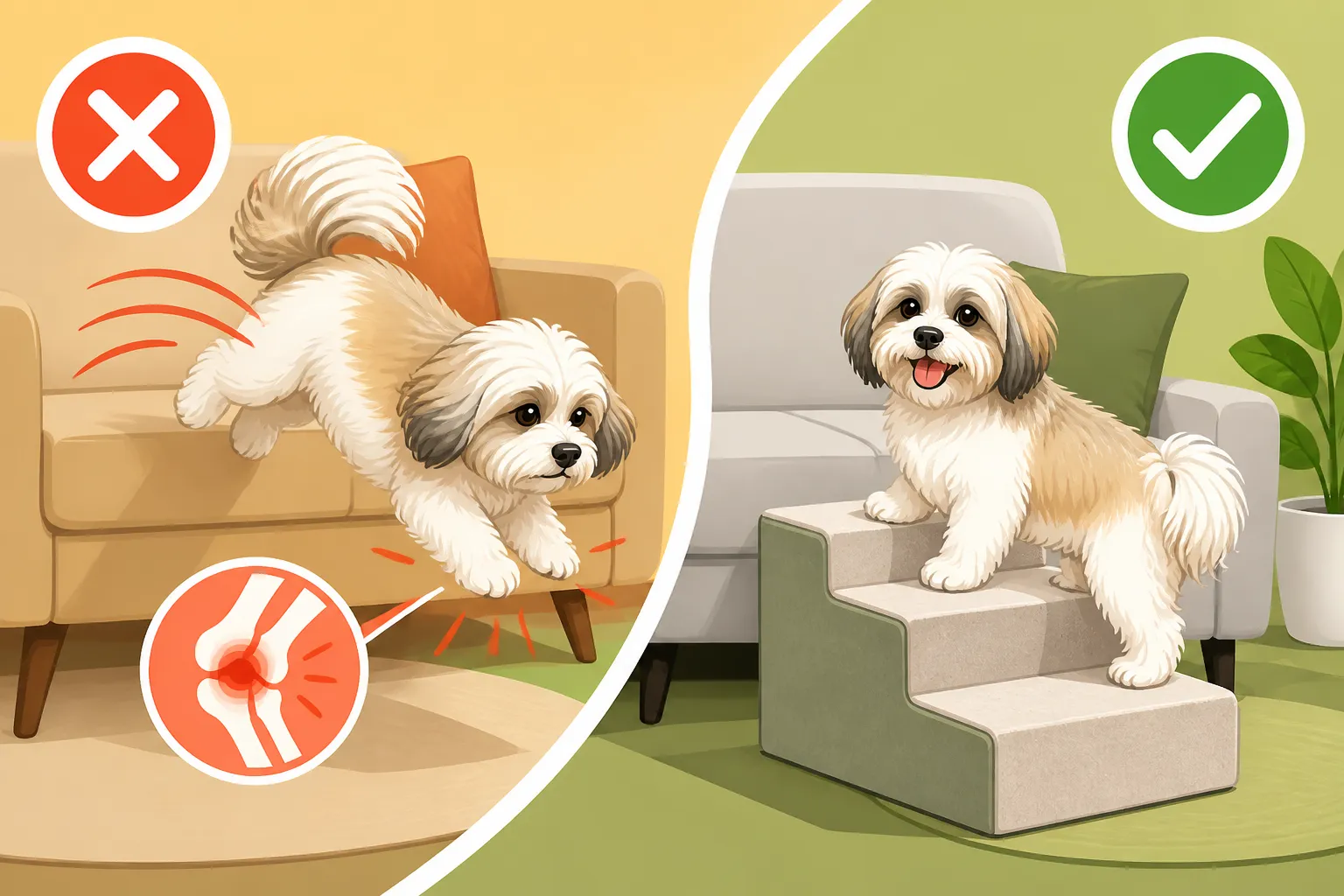
Whether a Havanese Should Use Steps to the Couch
It's a familiar sight for any Havanese parent: your little furball, eyes sparkling, poised to launch themselves off the sofa or bed with surprising gusto. While their athleticism can be endearing, that seemingly harmless leap can actually be incredibly detrimental to their delicate joints over time. This guide is all about protecting your beloved Havanese from unnecessary strain, diving deep into why those jumps pose a risk and how simple steps or ramps can make a world of difference for their long-term health and comfort.
The Delicate Nature of Havanese Joints
Havanese, like many small breeds, are unfortunately prone to certain orthopedic issues that can be exacerbated by repetitive stress on their joints. Their small size doesn't always translate to robust skeletal structures when faced with constant impact. Understanding these predispositions is the first step in creating a safe home environment for them.
Understanding Luxating Patellas in Havanese
One of the most common joint issues we see in Havanese is patellar luxation, often referred to as "slipping kneecaps." This is where the kneecap (patella) dislocates or moves out of its normal groove in the thigh bone (femur). It sounds painful, and it absolutely can be, causing anything from a slight skip in their step to lameness and significant discomfort. While some dogs are born with a genetic predisposition to this condition, repeated trauma from jumping and landing incorrectly can worsen it or even trigger its onset.
Imagine trying to walk or run when your knee keeps popping out of place – it’s not only uncomfortable but can lead to further damage like cartilage erosion and arthritis down the line. It's a condition that can range from a mild Grade 1, where the patella occasionally slips but corrects itself, to a severe Grade 4, where it's permanently dislocated. Many Havanese owners have learned the hard way about how common slipping kneecaps are in a Havanese, and how quickly a happy pup's gait can change. Ignoring the signs can lead to bigger problems, and sometimes, intervention like surgery is needed if a Havanese's kneecap needs operating.
Other Joint Concerns to Consider
Beyond luxating patellas, Havanese can also be susceptible to other joint-related issues, although perhaps less frequently than the kneecap problem. For instance, while larger breeds are more commonly associated with hip dysplasia, it's not entirely unheard of in smaller dogs. Similarly, conditions like Legg-Calve-Perthes disease, which affects the hip joint and can cause pain and limping, can also occur in Havanese. You can read more about How Legg Calve Perthes Starts in a Havanese if you're concerned about hip pain in your little one.
Even seemingly minor issues, if compounded by repetitive stress, can lead to early onset arthritis. Arthritis in a Havanese at twelve might seem a natural part of aging, but diligent care and preventative measures throughout their younger years can significantly improve their comfort and mobility as they get older. Each jump they take off a high surface creates a tiny shockwave through their skeletal system, and over months and years, these tiny impacts add up to significant wear and tear.
The Real Risks of Jumping Off High Surfaces
It’s tempting to let your Havanese leap on and off the couch or bed as they please. After all, they look so joyful, like little springboards! But what seems like harmless fun can actually be a ticking time bomb for their joints and spine.
Impact on Knees and Hips
When your Havanese launches itself off the couch, their small bodies absorb the full force of the landing. Imagine a human jumping from a significant height – the impact goes straight through their joints. For a tiny Havanese, even a standard sofa or bed is a considerable height. This sudden, repetitive jarring can wreak havoc on their knees, especially for those predisposed to luxating patellas. Each landing stresses the ligaments and tendons supporting the kneecap, increasing the likelihood of it slipping out of place. Over time, this constant impact can also contribute to inflammation and degenerative changes in the hip joints. If your Havanese is showing signs of discomfort or limping, it's worth investigating if Whether a Havanese Needs Femoral Head Surgery could be a concern, although thankfully less common for routine jumps.
Spinal Stress and Disc Issues
It's not just the leg joints that suffer. The spine, particularly in a breed like the Havanese with its relatively long back compared to its leg length, is also vulnerable. The contortion and impact involved in jumping down can place undue stress on the discs between their vertebrae. Think of these discs as tiny shock absorbers. Repeated hard landings can cause these discs to bulge, herniate, or even rupture, leading to agonizing back pain, nerve impingement, and in severe cases, paralysis.
While disc disease is more commonly associated with breeds like Dachshunds, any dog with a longer back can be at risk, especially with consistent high-impact activity. This is why many vets recommend strategies like Keeping a Havanese Off Furniture It Should Not Jump From as a preventative measure. It's not about being a killjoy; it's about protecting their delicate spine from long-term damage.
Acute Injuries Versus Long-term Wear and Tear
There are two main categories of harm that can come from jumping. The first is an acute injury: a sudden, dramatic incident where your Havanese lands awkwardly, yelps, and is immediately lame. This could be a sprain, a fracture, or a severe patellar luxation. These instances are terrifying and often require immediate veterinary attention, sometimes leading to costly emergency procedures.
More insidious, however, is the long-term wear and tear. This is the cumulative damage from hundreds, if not thousands, of smaller jumps over their lifetime. This gradual degradation of cartilage and soft tissues often goes unnoticed until significant arthritis has set in, or a previously manageable luxating patella becomes a chronic, painful problem. It's the silent enemy, slowly eroding their joint health without dramatic fanfare until suddenly, your once spry Havanese is struggling to get around. This is why proactive measures are so crucial.
Why Steps or Ramps Are Your Havanese's Best Friend
If the thought of those tiny joints suffering has your heart aching, don't worry! There's a wonderfully simple and effective solution: steps or ramps. These aren't just for older dogs; they are a vital tool for Havanese of all ages to navigate your home safely and comfortably.
Preventing Future Problems, Today
Investing in steps or a ramp now is an investment in your Havanese's future mobility and comfort. By providing a gradual incline or manageable steps, you completely eliminate the dangerous impact of jumping. This dramatically reduces the stress on their knees, hips, and spine, lessening the risk of developing or worsening conditions like luxating patellas or early arthritis.
Think of it as proactive health care. Just as you might consider regular grooming to prevent matting, or feeding a balanced diet, providing safe access to elevated surfaces is a fundamental part of responsible Havanese ownership. It helps preserve the integrity of their joints for as long as possible, potentially saving you significant vet bills down the road. Pet insurance, like policies from Healthy Paws, can certainly help with unexpected health issues, but prevention is always the best medicine.
Easing Mobility for All Ages
Steps and ramps aren't solely for senior Havanese, although they certainly become indispensable as your dog ages and experiences the natural stiffening that comes with maturity. For puppies, they teach safe habits from the start, preventing them from ever learning the dangerous habit of jumping down. For adult Havanese, they provide easy, strain-free access to their favorite cuddle spots.
As Havanese reach their golden years, typically considered senior around the age of eight to ten, their bodies simply can't handle the same impacts they once could. An older Havanese might struggle with pain from conditions like arthritis or have weakened muscles, making jumping a painful and difficult endeavor. Steps or ramps ensure they can still enjoy their favorite spot next to you without discomfort, enabling them to maintain their independence and quality of life. Even if your Havanese is only a puppy, establishing good habits now, like using steps, will pay dividends when they reach a ripe old age, helping to ensure that Caring for a Havanese Past Twelve is as comfortable as possible.
Training Your Havanese to Use Steps
Getting your Havanese to embrace steps or a ramp might take a little patience, but it's usually a very straightforward process. Havanese are smart and eager to please, especially when there's a reward involved!
Start by placing the steps or ramp against the furniture they typically jump off. Use high-value treats to lure them onto the first step, praising them enthusiastically as they do. Repeat this, gradually luring them up and down all the steps. Keep sessions short and positive. Some dogs might be a bit wary at first, so don't force it. Make it a game! Place their favorite toy at the top or bottom of the steps. Consistency is key. Before you know it, they'll be using the steps instinctively. Remember, consistency is important. If you're wondering whether a Havanese learns tricks faster than most toys, you'll likely find they pick up using steps pretty quickly.
Choosing the Right Steps or Ramp for Your Havanese
Now that you're convinced steps or a ramp are a must-have, how do you pick the right one? With so many options out there, it can feel a bit overwhelming, but focusing on a few key features will help you find the perfect fit for your Havanese and your home.
Key Features to Look For
When you're shopping for steps or a ramp, here are some crucial things to keep in mind:
- Height Match: This is perhaps the most important factor. Measure the height of your couch or bed. The top step or the highest point of the ramp should be level with, or just slightly below, the surface your Havanese will be accessing. You don't want them still having to jump up or down a significant distance.
- Step Depth and Rise: For steps, ensure the individual steps aren't too deep (making them stretch uncomfortably) or too high (making them climb rather than step). Havanese have short legs, so shallower rises are generally better.
- Stability: This is non-negotiable. The steps or ramp must be sturdy and not wobble when your Havanese uses them. Flimsy options can scare your dog or even lead to falls. Look for anti-skid bottoms or heavy construction.
- Traction: The surface of the steps or ramp should provide good grip. Carpeted steps, non-slip fabric, or textured ramps are ideal. Smooth, slick surfaces can cause slips and falls, defeating the purpose of injury prevention.
- Material: Consider durability and aesthetics. Plastic steps are lightweight and easy to clean, while wooden ones can be more substantial and blend better with furniture. Foam steps are very lightweight and soft on joints, but might not be as stable for larger Havanese.
- Portability: If you plan to move them between rooms or take them on trips, look for lightweight or foldable options.
Different Options and Brands to Consider
There's a wide variety of steps and ramps available, each with its own advantages.
- Traditional Pet Steps: These are often made of plastic, wood, or dense foam. They come in various heights and numbers of steps. Many are carpeted for traction. Brands like Pet Gear, Zinus, and Majestic Pet offer a range of styles. For a Havanese, three or four relatively shallow steps are usually ideal for a couch.
- Pet Ramps: Ramps provide a continuous incline, which some dogs prefer, especially those with severe arthritis or spinal issues who find stepping painful. Ramps can be a bit longer and take up more space but offer a smooth transition. Look for ramps with a gentle slope and a good non-slip surface. PetSafe and Solvit (now a part of PetSafe) have popular ramp options.
- Convertible Options: Some products can switch between steps and a ramp, offering versatility. This can be great if you're unsure which your Havanese will prefer or if their needs change over time.
When making your choice, remember to factor in your Havanese's specific needs. A tiny, timid puppy might prefer a gentler ramp, while a confident adult might take to carpeted steps instantly. Investing in a good quality product from a reputable brand ensures it will last and provide the safety your Havanese deserves. It's a small price to pay for their health, especially when compared to potential veterinary costs. Speaking of which, having pet insurance from a company like Healthy Paws can give you peace of mind should any joint issues arise, despite your best preventative efforts.
Beyond Steps: Creating a Joint-Safe Home Environment
While steps and ramps are a fantastic solution, creating a truly joint-friendly home for your Havanese involves a few other considerations. Every little bit helps in safeguarding their precious mobility.
Floor Surfaces and Traction
Think about the floors in your home. Are they mostly hardwood, tile, or laminate? These smooth surfaces, while beautiful, can be incredibly slippery for a Havanese. Their little paw pads struggle to gain purchase, leading to slips, slides, and accidental splits. These micro-traumas can contribute to joint instability and injury over time, especially when they're playing or getting excited.
To combat this, consider placing non-slip rugs or runners in high-traffic areas, particularly where your Havanese runs or plays. Yoga mats or inexpensive carpet squares can also be strategically placed. Keeping their paw hair trimmed between the pads helps with traction as well. If you have concerns about your dog slipping, you might want to look at Whether Slippery Floors Hurt a Havanese for more detailed tips.
Weight Management and Nutrition
Keeping your Havanese at a healthy weight is paramount for their joint health. Every extra pound puts additional stress on their knees, hips, and spine. Even a seemingly small amount of excess weight for a tiny Havanese can be significant percentage-wise, intensifying the wear and tear on their joints and increasing the severity of conditions like patellar luxation or arthritis. Regularly check their body condition score, ensuring you can feel their ribs easily without seeing them, and that they have a visible waist when viewed from above.
Proper nutrition also plays a role. Feeding a high-quality small breed dog food that supports joint health can be beneficial. Some owners also choose to add joint supplements containing ingredients like glucosamine, chondroitin, and MSM, especially as their Havanese ages or if they have a diagnosed joint condition. You can delve deeper into Whether Joint Supplements Help a Havanese to see if they might be a good fit for your dog. Always discuss any dietary changes or supplements with your veterinarian.
Regular Veterinary Check-ups and Proactive Care
Never underestimate the power of regular veterinary check-ups. Your vet can monitor your Havanese's joint health, detect subtle changes early on, and recommend proactive interventions. They can assess their gait, palpate their joints, and advise on appropriate exercise levels and preventative care.
Early detection of conditions like patellar luxation or the beginnings of arthritis allows for management strategies to be implemented sooner, potentially slowing progression and improving your Havanese's quality of life. This proactive approach, combined with preventative measures like using steps and maintaining a healthy weight, forms the cornerstone of ensuring your Havanese lives a long, comfortable, and happy life. Having pet insurance from a reliable provider like Healthy Paws can also ease the financial burden if professional veterinary care, including specialist visits or surgery, becomes necessary for joint issues.
Disclaimer
The information provided in this article is for general informational purposes only and is not a substitute for professional veterinary advice. Always consult with a qualified veterinarian for any health concerns or before making any decisions related to your pet's care.