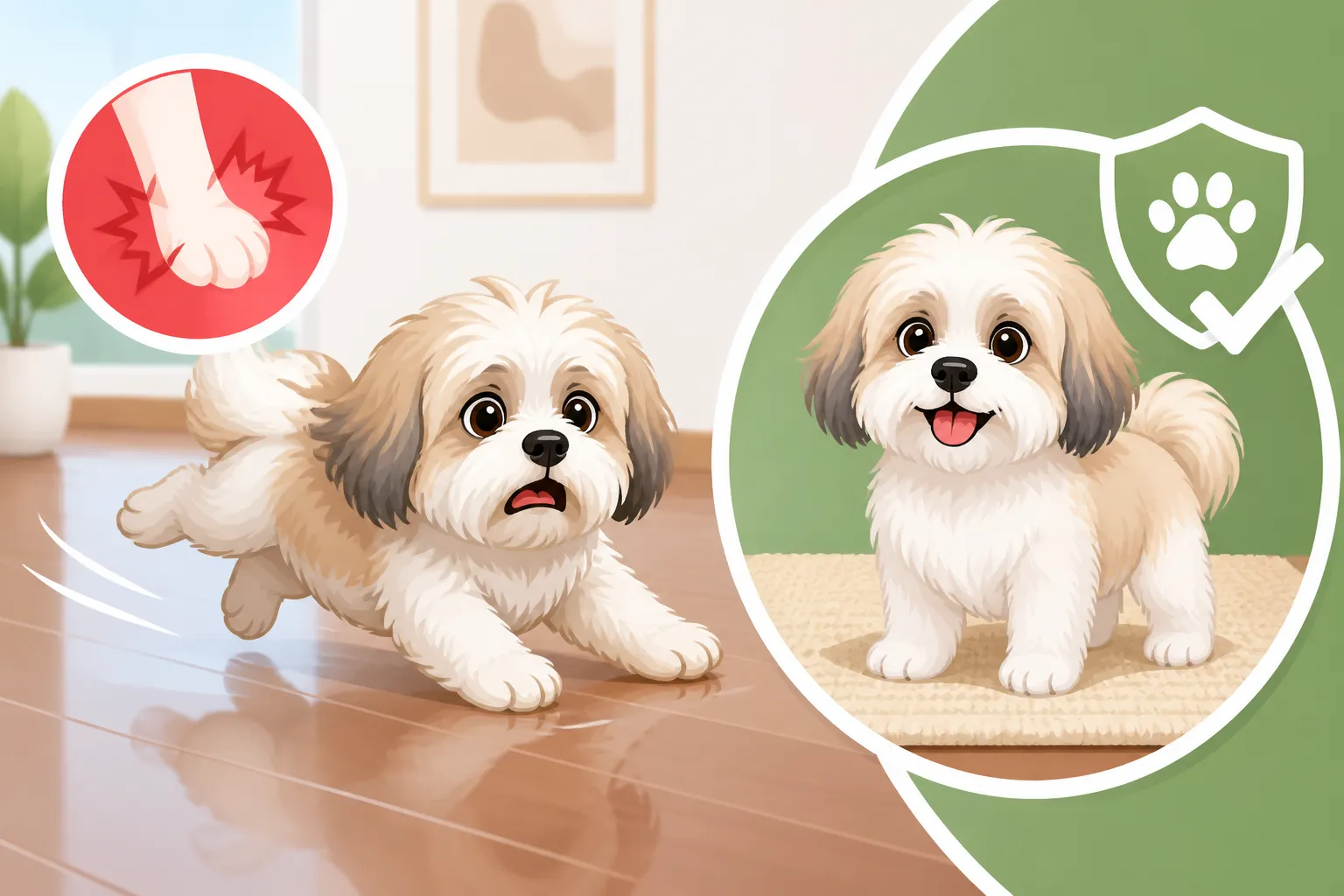
Whether Slippery Floors Hurt a Havanese
It’s a common scenario for Havanese owners: you’re watching your little companion navigate your beautiful hardwood, tile, or laminate floors, and your heart jumps into your throat as they slip, slide, or struggle to get traction. These seemingly innocent surfaces can pose a real threat to your Havanese's delicate joints and overall well-being, leading to anxiety for both of you. This guide will delve into why slippery floors are problematic for Havanese, the specific health risks involved, and, most importantly, how you can make your home a safer, more comfortable haven for your beloved dog.
The Unseen Dangers of Slippery Surfaces for Your Havanese
We often think of falls as something for bigger, clumsier dogs, but for a small breed like the Havanese, a slippery floor can be a silent hazard, slowly but surely impacting their health. Their size, gait, and unique physical characteristics make them particularly vulnerable to the challenges posed by smooth surfaces. It's not just about a dramatic slip; it's about the constant micro-stresses on their tiny bodies.
Why Small Dogs Struggle on Smooth Floors
Think about how a Havanese moves. They have a lively, springy gait, designed for quick turns and bursts of energy. On a carpet or grass, their paw pads can grip firmly, allowing them to exert force and propel themselves forward or change direction effortlessly. On a smooth floor, however, that grip is significantly reduced. Their small body weight means there's less downward pressure to create friction, and their relatively short legs can make them feel unstable. It's like trying to run on ice – you have to tense every muscle, take tentative steps, and even then, a graceful stride is impossible. This constant instability creates a subtle but significant amount of stress on their muscles, ligaments, and joints.
Moreover, Havanese are known for their playful zoomies and sudden sprints. When they attempt these natural behaviors on a slippery surface, the lack of traction means their legs splay out, their bodies twist awkwardly, and they use excessive force trying to regain balance. This isn't just uncomfortable; it's actively harmful. The repeated slipping and sliding force their joints into unnatural positions, which can lead to inflammation and micro-traumas over time.
The Impact of Everyday Activities on Delicate Joints
It’s not just high-speed antics that cause trouble. Even simple, everyday activities become a challenge on slippery floors. Imagine your Havanese trying to stand up from a nap, stretch, or even just walk from their water bowl to their bed. Each movement requires a conscious effort to prevent slipping. They might spread their legs wider for stability, hunch their back, or tense their muscles, all of which are compensatory behaviors that put undue strain on their musculoskeletal system.
This constant tensing and compensating prevent their muscles and joints from moving through their natural range of motion. Over months and years, this can contribute to chronic pain, reduced mobility, and exacerbate existing joint issues. Owners often don't realize the extent of the problem until their Havanese starts showing clear signs of discomfort, but by then, the damage might already be cumulative. It’s about more than just avoiding a fall; it's about protecting their comfort and long-term health.
Common Injuries and Long-Term Consequences from Falls
The risks associated with slippery floors for your Havanese range from acute, sudden injuries to chronic conditions that develop over time. Understanding these potential outcomes can help owners take proactive steps to safeguard their furry friends.
Acute Injuries: Sprains, Strains, and Fractures
The most immediate danger of slippery floors is, of course, a sudden fall or slip that results in an acute injury. A Havanese running full tilt, then suddenly losing all traction, can easily overextend a limb, twist a joint, or slam their body into a hard surface or piece of furniture. This can lead to:
- Sprains and Strains: These are very common. A sprain occurs when a ligament (which connects bones) is stretched or torn, while a strain involves a muscle or tendon (which connects muscle to bone). A Havanese trying to brace itself during a slip can easily injure a wrist, ankle, or even their back and shoulder muscles. These injuries, while often healing with rest, can be incredibly painful and limit your dog's activity for weeks.
- Luxating Patella (Slipping Kneecaps): This is a particularly concerning issue for Havanese, who are genetically predisposed to this condition. When a Havanese slips, especially sideways, the sudden, unnatural movement can force the kneecap out of its groove. This condition, known as The Kneecaps a Havanese Slips, can be excruciatingly painful and, if it happens repeatedly, can lead to chronic lameness and arthritis. Even if your Havanese has not yet shown signs, frequent slipping can certainly aggravate or even trigger the onset of this problem. You might hear about How Common Slipping Kneecaps Are in a Havanese and understand just how important prevention is.
- Fractures: While less common than sprains or luxations from a simple slip, a particularly bad fall, especially if they hit a hard object, could result in a bone fracture in their delicate legs. Given their small size, their bones are more fragile than those of larger breeds.
Chronic Conditions: Arthritis, Disc Disease, and Anxiety
Beyond the immediate trauma, the cumulative effect of constant slipping and struggling for traction can lead to more insidious, long-term health problems.
- Degenerative Joint Disease (Arthritis): The repetitive micro-traumas and abnormal stress on joints from slipping can accelerate the breakdown of cartilage and lead to osteoarthritis. This is a progressive, painful condition that causes stiffness, reduced mobility, and chronic pain, especially as your Havanese ages. Imagine a Havanese at twelve struggling with mobility, as discussed in Arthritis in a Havanese at Twelve. Preventing this early on is crucial for ensuring a comfortable lifespan, which can be considerable, often reaching The Fourteen to Sixteen Years a Havanese Lives.
- Disc Disease: While less common in Havanese compared to some other long-backed breeds, repeated jarring or twisting motions from slipping can put significant stress on their spinal column. This can contribute to intervertebral disc disease (IVDD), a condition where the cushioning discs between the vertebrae bulge or rupture, causing pain, nerve damage, and potentially paralysis. Understanding Whether a Havanese Gets Disc Disease highlights another reason to protect their backs.
- Anxiety and Behavioral Changes: It’s not just physical. A dog that constantly feels unstable on their own floors can develop significant anxiety. They might become reluctant to walk on certain surfaces, preferring to stay on rugs or even avoid moving around the house entirely. This can lead to a decrease in activity, weight gain (which further strains joints, as noted in Whether a Havanese Should Be Kept Slim for Its Joints), and a general reduction in their quality of life. This emotional toll is often overlooked but can profoundly impact your Havanese’s happiness and confidence in their own home.
Creating a Paw-Friendly Environment: Solutions for Safer Floors
The good news is that preventing slips and falls for your Havanese is entirely within your control. There are many practical and affordable steps you can take to transform your slippery floors into safe, comfortable pathways for your beloved companion.
Adding Traction with Rugs, Runners, and Mats
This is often the simplest and most effective solution. Think of it as creating a network of safe zones for your Havanese.
- Strategically Placed Rugs: Cover high-traffic areas where your Havanese frequently walks, plays, or eats. Place rugs where they jump on or off furniture (though ideally, we want to prevent that entirely, as discussed in Keeping a Havanese Off Furniture It Should Not Jump From). Look for rugs with non-slip backing or use rug pads underneath to prevent them from sliding themselves.
- Hallway Runners: These are fantastic for long stretches of slippery flooring, providing a continuous path of traction. Again, ensure they are secured and don't bunch up.
- Door Mats and Area Rugs: Place these at entryways, near food and water bowls, and next to their favorite sleeping spots. Even a small mat can make a huge difference in their confidence when approaching these areas.
- Material Matters: While plush carpets are ideal, even low-pile rugs or durable utility mats can offer sufficient grip. The key is consistency – your Havanese needs reliable traction wherever they typically travel.
Paw Care and Footwear for Better Grip
Sometimes, the problem isn't just the floor; it's also your Havanese's paws themselves. Taking care of their feet can significantly improve their natural grip.
- Regular Nail Trims: Overly long nails can act like skates on hard surfaces, preventing the paw pads from making proper contact with the ground. Keep your Havanese's nails trimmed short, so they don't click on the floor. If you're unsure how to do this safely, ask your groomer or vet for guidance.
- Trimming Paw Pad Hair: Havanese have glorious coats, and that hair often grows between their paw pads. This excess hair can reduce traction and make their feet even more slippery. Regularly trim the hair flush with the paw pads to expose the natural grip of the pads.
- Traction Socks or Paw Grips: For dogs that struggle even with a well-groomed paw, or for specific areas, specialized dog socks with rubberized soles or adhesive paw pads can provide extra grip. Brands like PawZ or Trixie offer options that fit snugly and allow your Havanese to move more confidently. Make sure they fit well and aren't too tight or loose, as this could cause other issues.
- Paw Balms or Waxes: Products like Musher's Secret or natural paw balms can moisturize dry paw pads, which might improve their natural flexibility and grip. While not a complete solution, healthy paw pads contribute to overall foot health and comfort.
Considerations for Seniors and Dogs with Existing Conditions
If your Havanese is a senior or has an existing condition like arthritis or a luxating patella, extra vigilance is needed. These dogs are already more vulnerable and have less compensatory ability.
- Ramps and Steps: While this article focuses on floors, it's worth noting that if your Havanese does use furniture, providing ramps or steps for beds and couches, as explored in Whether a Havanese Should Use Steps to the Couch, minimizes jump impact that can be exacerbated by landing on slippery surfaces.
- Increased Rug Coverage: For these dogs, aim to cover as much of the hard flooring as possible to eliminate any uncertainty.
- Joint Supplements: Talk to your vet about joint supplements that could help support cartilage health and reduce inflammation. Learning Whether Joint Supplements Help a Havanese can provide more insight into this supportive care.
- Pet Insurance: Having pet insurance, like that offered by Healthy Paws, can be a lifeline if your Havanese suffers an injury or needs ongoing care for a chronic condition stemming from joint stress. Unexpected vet bills can be substantial, and a good policy can help ensure your dog gets the best possible treatment without financial strain.
Here's a quick comparison of common flooring types and their impact on Havanese safety:
| Flooring Type | Natural Traction | Slip Risk for Havanese | Recommended Solutions |
|---|---|---|---|
| Carpet | Excellent | Very Low | Keep clean; regular vacuuming. |
| Area Rugs | Good to Excellent | Low (if non-slip) | Ensure non-slip backing/pads. |
| Hardwood | Low | High | Extensive rug/runner coverage. |
| Tile | Low (can vary) | High | Extensive rug/runner coverage. |
| Laminate | Low | High | Extensive rug/runner coverage. |
| Vinyl/LVT | Moderate | Moderate to Low | Consider textured options; rugs in key areas. |
Recognizing Signs of Discomfort or Injury and When to Seek Vet Help
Despite your best efforts, sometimes accidents happen, or underlying issues become apparent. Knowing what to look for can help you act quickly and get your Havanese the care they need. Early intervention is key to preventing minor issues from becoming major problems.
Subtle Cues That Indicate a Problem
Your Havanese can't tell you in words if they're hurting, so it's up to us to observe their behavior closely. Sometimes the signs are very subtle, especially if they're trying to hide discomfort (a common canine trait).
- Changes in Gait: Are they walking differently? Perhaps they're taking shorter, more hesitant steps, or favoring one leg. You might notice a slight limp, or an unevenness in their stride. They might appear stiff, especially after resting, and take longer to "warm up." A classic sign of a knee issue might be a sudden "skip" in their step or lifting a back leg for a few steps, as their kneecap momentarily slips out of place.
- Reluctance to Move: Is your Havanese less eager to play fetch, go for walks, or jump on the couch (even if they have steps)? Are they spending more time resting? A decreased desire for activity can be a clear indicator of pain or discomfort. They might hesitate before going up or down stairs, or avoid certain rooms with slippery floors entirely.
- Behavioral Changes: Pain can make even the sweetest Havanese grumpy or withdrawn. They might growl or snap if touched in a certain area, or become restless and unable to find a comfortable position. Conversely, they might become clingier, seeking more reassurance. Excessive licking or chewing at a particular limb or joint can also be a sign of pain or irritation.
- Vocalizations: While not always present, yelps, whimpers, or groans when moving or being touched are obvious signs of pain. These are usually present when the discomfort is more acute.
It's important to remember that these signs might not appear immediately after a slip. Chronic pain and the development of conditions like arthritis can be very gradual, so a keen eye on your Havanese's daily habits is crucial for identifying changes. Regular check-ups are also a vital part of What a Havanese Needs Every Day to catch issues early.
When to Consult Your Veterinarian
If you notice any of the signs above, or if your Havanese has a clear fall or injury, it's always best to consult your veterinarian. Don't wait to see if it "gets better on its own," especially with small breeds where conditions can worsen quickly.
- Sudden Lameness or Non-Weight Bearing: If your Havanese suddenly cannot put weight on a leg or is clearly limping severely, this is an emergency. They could have a fracture, severe sprain, or a dislocated joint.
- Persistent Pain or Discomfort: If subtle limping or stiffness doesn't resolve within a day or two of rest, or if it seems to be getting worse, a vet visit is warranted. They can perform a thorough examination, assess the range of motion in the joints, and potentially recommend X-rays to rule out fractures or identify joint changes.
- Recurring Issues: If your Havanese has a history of luxating patellas or other joint problems, any new or worsening symptoms should be brought to your vet's attention promptly. Repeated slipping will aggravate these existing issues.
- Changes in Overall Health: If your Havanese seems lethargic, isn't eating, or is showing other signs of illness in conjunction with mobility issues, it's crucial to seek veterinary care to rule out systemic problems.
Your vet can accurately diagnose the issue and recommend appropriate treatment, which might range from pain medication and anti-inflammatories to physical therapy, or even surgery for severe conditions. After certain procedures, your Havanese might even require Whether a Havanese Needs Physiotherapy After Surgery to regain full mobility. Remember that investing in pet insurance from providers like Healthy Paws can alleviate the financial stress of unexpected veterinary care, allowing you to prioritize your Havanese's health without hesitation. They are an invaluable resource for managing these unforeseen expenses and ensuring your Havanese lives a long, comfortable life.
Disclaimer
The information provided in this article is for general informational purposes only and is not a substitute for professional veterinary advice. Always consult with a qualified veterinarian for any health concerns or before making any decisions related to your Havanese's medical care.