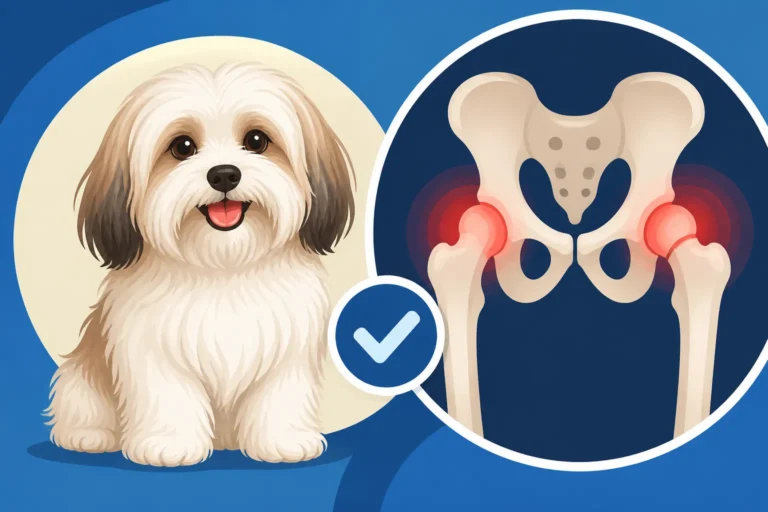
Whether a Havanese From a Small Gene Pool Is Riskier
It’s a truly disheartening experience to fall in love with a breed, picture a lifetime of cuddles and adventures, only to then hear whispers or read articles suggesting that your dream dog might be more prone to health issues because of its genetic background. For Havanese lovers, the concern about a "small gene pool" is a very real and valid worry that can cast a shadow over the joy of puppy searching. This guide aims to shed light on what a small gene pool truly means for a Havanese and how it might impact their health and longevity.
Understanding the Havanese Gene Pool
When we talk about a "gene pool," we're essentially referring to the total genetic diversity within a population of animals. Imagine it like a big swimming pool filled with different colored marbles, each color representing a different gene. A diverse gene pool means lots of different colors and combinations. A small gene pool, however, means fewer colors, or perhaps many marbles of the same color, leading to less genetic variety. For the beloved Havanese, their journey through history has unfortunately led to a significantly narrowed gene pool.
The History of the Havanese Gene Pool
The story of the Havanese is one of resilience and near extinction. Originating from the Bichon type dogs brought to Cuba by Spanish traders, the Havanese truly became the island's cherished companion, even earning the title of the Cuban National Dog. These charming little dogs were popular among the Cuban aristocracy, developing a distinct type known for their silky coats and lively personalities. However, political upheaval dramatically altered their fate. The Cuban Revolution in 1959 saw many wealthy families flee the country, often leaving their beloved pets behind.
This period led to a drastic decline in the breed, pushing them to the brink of disappearance. The few dogs that did make it out of Cuba, primarily to the United States, formed the foundation for almost every Havanese we see today. If you're curious about this fascinating yet concerning chapter in their history, you can read more about The Refugee Dogs Every American Havanese Descends From. The breed's survival is largely credited to the dedicated efforts of a handful of individuals, notably Dorothy and Burt Goodale, who meticulously sought out and gathered the remaining Havanese to begin a careful breeding program. Their incredible work, detailed in Dorothy Goodale and the Rebuilding of the Havanese, was vital, but it meant that the entire modern Havanese population stems from a very limited number of ancestors.
What "Small Gene Pool" Really Means
So, what does it truly signify when a breed like the Havanese comes from such a restricted genetic lineage? It means there's less variation in their DNA. Think of it this way: if you have a large human population, there's a huge range of genetic traits, which generally makes the population robust and adaptable. If that population shrinks to just a few individuals, and then everyone else descends from those few, many individuals will share very similar genetic makeups.
In dogs, this limited genetic diversity increases the likelihood of inheriting certain genetic traits, both good and bad. When desirable traits are preserved, it helps maintain breed type. However, undesirable traits, particularly recessive genetic disorders, also become more prevalent because there are fewer "alternative" genes to mask them. This is often quantified through a Coefficient of Inbreeding (COI), which estimates the probability that two randomly chosen alleles (gene variants) at a locus are identical by descent from a common ancestor. A higher COI indicates more inbreeding and a narrower gene pool for that particular dog.
Genetic Risks Associated with Small Gene Pools
The primary concern with a small gene pool is the increased chance of inheriting health problems that might otherwise remain rare. When close relatives are bred, or when a breed descends from a very limited number of founders, the chances of harmful recessive genes being passed down and expressed significantly increase.
Increased Risk of Recessive Genetic Disorders
Many serious health conditions in dogs are inherited in a recessive manner. This means a dog needs to inherit two copies of the faulty gene (one from each parent) to actually develop the disease. If the gene pool is broad, the chances of two carriers mating are lower. But in a small gene pool, those carriers become much more common, making it far more likely for affected puppies to be born.
For Havanese, some of the conditions that can see an increased prevalence due to a restricted gene pool include certain eye diseases, such as progressive retinal atrophy or cataracts. You can dive deeper into The Eye Diseases a Havanese Inherits to understand these specific challenges. Luxating patellas, or slipping kneecaps, are another common concern in toy breeds, and while not exclusively due to a small gene pool, the limited genetic diversity can contribute to their prevalence. Knowing about The Kneecaps a Havanese Slips is incredibly important for Havanese owners. Even more serious conditions, like congenital liver shunts, can be more common. Discover more about The Liver Shunt a Havanese Puppy Shows Before Six Months to recognize the signs and symptoms. The reality is that a less diverse genetic background can make it harder for breeders to eliminate these conditions from the breed without risking further genetic bottlenecks.
Compromised Immune System and General Robustness
Beyond specific genetic disorders, a narrow gene pool can also have broader implications for a dog's overall health and vitality. A lack of genetic diversity, particularly in genes related to the immune system, can potentially lead to a weaker immune response. This means a Havanese from a very small gene pool might be more susceptible to common infections, allergies, or even autoimmune diseases. They might seem less "robust" in general, reacting more severely to environmental allergens or certain foods.
While a Havanese is generally considered a healthy toy breed, as highlighted in Why the Havanese Is a Healthy Toy Breed Anyway, the cumulative effect of reduced genetic diversity can manifest in subtle ways, such as chronic ear infections, skin sensitivities, or a tendency towards digestive upset. It’s not always about a single devastating disease, but rather a potentially diminished ability to thrive and resist common ailments that dogs with a more varied genetic heritage might easily shake off. This is why paying close attention to their general well-being and seeking veterinary advice for persistent minor issues is paramount.
How to Identify a Potentially Riskier Lineage
As a prospective Havanese owner, it's completely natural to feel a bit overwhelmed by these genetic considerations. However, arming yourself with knowledge is the best way to make an informed decision and find a healthy companion. Identifying a potentially riskier lineage isn't about perfectly predicting the future, but about understanding the tools and transparency reputable breeders use.
Researching Breeder Practices and Health Testing
The single most important step you can take is to find a responsible breeder. A good breeder isn't just focused on pretty puppies; they are committed to the health and welfare of the breed. This means they are proactive about health testing their breeding stock. For Havanese, this typically includes screening for patellar luxation, eye diseases (CERF or OFA Eye Certification), hearing (BAER test), and cardiac health, among others. Breeders should be transparent about these test results, often providing certifications from organizations like the Orthopedic Foundation for Animals (OFA) or the Canine Health Information Center (CHIC).
It’s crucial to ask to see proof of these health clearances for both parents of the litter. If a breeder hedges, says it’s not necessary, or claims their lines are "healthy enough," that’s a significant red flag. You can learn more about The Health Tests Both Havanese Parents Should Have to know exactly what to ask for. Furthermore, a truly dedicated breeder will openly discuss the pros and cons of their breeding program and actively work to reduce the impact of a small gene pool by carefully selecting mates that complement each other genetically, even if they sometimes use outcrosses or dogs from different lines when appropriate. They are usually registered with breed clubs and are happy to share their knowledge and concerns.
Understanding Pedigrees and Coefficient of Inbreeding (COI)
Beyond individual health tests, a responsible breeder will also understand and utilize pedigrees and the Coefficient of Inbreeding (COI) to make informed breeding decisions. A pedigree is essentially a family tree, showing the ancestors of a particular dog. By examining the pedigree, you can see if there are repeated names close up in the lineage, which indicates inbreeding.
The COI, as mentioned earlier, gives you a numerical estimate of how inbred a dog is. It calculates the probability that any two genes at any locus are identical by descent. A COI of 0% means the dog has no common ancestors in the known pedigree, while a higher percentage indicates more shared ancestry. Many breed enthusiasts and geneticists suggest aiming for a COI below 10% for a healthy, robust dog, with anything over 15-20% being considered high and potentially increasing health risks. Some online pedigree databases, like those on certain kennel club sites or private databases run by breed enthusiasts, can help calculate a dog's COI if the breeder doesn't provide it. Don't be shy about asking your potential breeder for the COI of the litter or the parent dogs; a good breeder will know and be able to explain it.
Here’s a simplified breakdown of COI ranges and what they often imply for a Havanese:
| COI Range | Interpretation (General) | Potential Implications for a Havanese |
|---|---|---|
| 0-5% | Low Inbreeding | Generally good genetic diversity, lower risk of recessive disorders. Usually from more diverse lines or careful outcrossing. |
| 5-10% | Moderate Inbreeding | Acceptable in many purebred populations, but still requires careful monitoring for specific health issues. |
| 10-20% | Higher Inbreeding | Increased probability of recessive genetic disorders and potentially reduced vigor. Requires very careful health screening of parents. |
| 20%+ | Very High Inbreeding | Significant risk for inherited diseases, immune system weaknesses, and potentially reduced lifespan. Avoid unless specifically advised by genetic experts for conservation. |
It's important to remember that a low COI isn't a guarantee of health, just as a slightly higher one doesn't mean a dog will be unhealthy. It's one piece of the puzzle, but a very important one when considering a breed with a limited founding population. You might also encounter breeders who promote puppies from champion lines, and while impressive, it doesn't automatically mean healthier; explore Whether a Havanese From Two Champions Is Any Healthier for more context.
Mitigating Risks and Supporting a Havanese from a Narrow Gene Pool
Even with careful breeding, the reality of a small gene pool means that ongoing vigilance and proactive care are essential. It's about doing everything in your power to support your Havanese's health throughout their life.
Choosing a Responsible Breeder
We can't stress this enough: your choice of breeder is paramount. A truly responsible Havanese breeder understands the challenges of the breed's history and actively works to mitigate them. They won't just perform the basic health tests; they'll often go above and beyond, participating in breed-specific health databases and consulting with geneticists. They'll also focus on temperament and structure, ensuring they’re breeding well-rounded dogs.
Look for a breeder who:
- Health Tests Extensively: And can provide verifiable results, perhaps even CHIC numbers. Understanding Whether a Havanese Breeder Should Show CHIC Numbers is vital for discerning breeders.
- Understands COI: And actively works to keep it at a reasonable level for their pairings. They should be able to discuss the genetic diversity of their lines.
- Offers a Health Guarantee: This shows confidence in their breeding and a willingness to stand by their puppies.
- Provides Lifetime Support: A good breeder remains a resource for you throughout your dog's life.
- Doesn't Over-breed: They breed infrequently, focusing on quality over quantity, allowing them to thoroughly evaluate each litter.
- Socializes Puppies: Ensuring your puppy has a good start in life with human interaction and exposure to various stimuli.
A responsible breeder is your best ally in navigating the complexities of a breed with a smaller gene pool. They are investing time, money, and expertise into producing the healthiest puppies possible.
Proactive Health Management and Veterinary Care
Once you bring your Havanese home, it's up to you to continue that commitment to their well-being. Regular veterinary check-ups are non-negotiable, allowing your vet to catch any potential issues early. This includes annual physical exams, vaccinations, and parasite prevention. Don't hesitate to ask your vet about breed-specific concerns and what signs to look out for.
Nutrition plays a massive role. Feeding a high-quality, balanced diet appropriate for their life stage can significantly contribute to a strong immune system and overall vitality. Discuss food options with your vet, especially if your Havanese shows any sensitivities. Regular exercise, appropriate for a small breed, helps maintain a healthy weight and strong joints. For instance, being mindful of preventing jumps from high furniture can help protect their joints, even if they're otherwise healthy.
Consider investing in pet insurance. While it doesn't prevent health issues, it can certainly alleviate the financial stress if your Havanese does develop a genetic condition that requires extensive veterinary care. Companies like Healthy Paws offer comprehensive plans that can cover accidents, illnesses, and even hereditary conditions, making it easier to provide the best possible treatment without worrying about prohibitive costs. Having a plan in place, knowing that Healthy Paws can help with unexpected vet bills, brings incredible peace of mind. Preparing for potential health expenditures, especially given the breed's genetic history, is a smart move. When you consider What a Havanese Costs a Year to Keep, veterinary care, including potential specialist visits, is a significant component. Pet insurance with a provider like Healthy Paws can be an invaluable part of your financial planning, especially for conditions like those affecting the knees or heart that can unfortunately crop up later in life, which you can read more about in Insuring a Havanese Against Knees and Heart. Being proactive with their care, coupled with a robust insurance policy from Healthy Paws, means you’re setting your furry friend up for the healthiest life possible.
The prospect of a small gene pool can be daunting, but it doesn't mean your Havanese is destined for a life of illness. By choosing a reputable breeder and committing to diligent care, you can provide your Havanese with every opportunity to thrive and enjoy a long, happy, and healthy life as your cherished companion.
Disclaimer
This article is for general informational purposes only and does not constitute professional advice. Laws, prices and regulations vary by location and change over time. Consult a qualified professional for guidance on your specific situation.