The First Year With a Havanese Puppy
Bringing a Havanese puppy into your home is an incredibly exciting time, full of joy and adorable moments, but let's be honest, it also comes with a whole lot of questions and sometimes, a fair bit of overwhelm. From tiny bladders to sharp puppy teeth and that incredible fluff that seems to tangle just by looking at it, the first year with your Havanese is a whirlwind of growth, learning, and bonding. This comprehensive guide will walk you through every stage, offering practical advice and empathetic insights to help you navigate those crucial first twelve months, ensuring your little companion blossoms into a well-adjusted, happy adult dog.
Bringing Your Havanese Puppy Home: The First Few Days
The moment you bring your Havanese puppy home is magical, but for them, it's a huge change. They're leaving their littermates and everything familiar, so those first few days are all about creating a safe, welcoming, and predictable environment. It's normal for them to be a little shy, overwhelmed, or even a bit rambunctious as they adjust. Your patience and preparation during this period will set the tone for your relationship.
Preparing for Puppy's Arrival
Before your little fluffball even steps paw over the threshold, you want to have everything ready. This isn't just about toys and a bed; it’s about creating a safe zone and thinking through their daily routine. Consider a dedicated puppy-proofed area, perhaps with a gate, where they can explore without getting into trouble. This area should include their crate, food and water bowls, and a designated potty spot if you're using pads initially.
Gathering your supplies beforehand helps immensely. You'll need high-quality puppy food, soft treats for training, food and water bowls (stainless steel is often recommended for hygiene), a soft bed or crate mat, a comfortable, escape-proof collar or harness, a lightweight leash, and plenty of appropriate chew toys. Having these essentials on hand means less stress for you and a smoother transition for your puppy. Many owners find great starting points for these items, from comfy beds to indestructible chew toys, on platforms like Amazon.
The First 24-48 Hours
When your Havanese puppy first arrives, keep things calm and quiet. Resist the urge to invite over every friend and family member immediately. Allow your puppy to explore their new space at their own pace. Show them where their water bowl is, where their bed is, and, most importantly, where they are supposed to go to the bathroom. Take them to their designated potty spot frequently – every 15-30 minutes initially, after waking up, after eating, and before and after playtime.
Expect some whining or crying, especially during the first few nights. This is completely normal; they're missing their littermates and mom. A warm hot water bottle wrapped in a towel, a ticking clock, or a soft toy with a heartbeat can sometimes provide comfort in their crate at night. Consistency in their routine, along with plenty of gentle reassurance and positive reinforcement, will help them feel secure and understand their new world. It's a tiring but rewarding marathon!
Housetraining Your Havanese: Consistency is Key
Housetraining can feel like the never-ending challenge with a Havanese, especially with their small bladders and sometimes stubborn natures. But don't despair! Success hinges on consistency, patience, and understanding your puppy's cues. Many owners initially feel frustrated, but with the right approach, your Havanese will get there.
Establishing a Potty Schedule
The cornerstone of successful housetraining is a strict schedule. Havanese puppies need to go out a lot. Think of it as a constant rhythm: wake up, potty; eat, potty; play, potty; nap, wake up, potty; before bed, potty; and sometimes even during the night. For a young puppy, this might mean trips outside every hour or two. The Weeks a Havanese Puppy Takes to Be Clean can vary, but dedication from you makes a huge difference.
Keep a log if it helps. Note when your puppy eats, drinks, and eliminates. This can reveal patterns that you might otherwise miss. Always reward successful outdoor potty breaks with lavish praise and a high-value treat. Avoid punishment for accidents inside; instead, interrupt them mid-act if you catch them, whisk them outside, and praise them for finishing there. Clean up indoor accidents thoroughly with an enzymatic cleaner to eliminate odors that might attract them back to the same spot.
Dealing with Accidents and Setbacks
Every puppy will have accidents, and your Havanese is no exception. It’s part of the learning process. The key is how you react. If you come home to a puddle, simply clean it up without scolding your puppy. They won't connect your anger to an accident that happened hours ago. Scolding can just make them afraid to potty in front of you, which can make housetraining even harder.
If you find yourself constantly battling indoor accidents, re-evaluate your routine. Are you taking them out often enough? Is their designated potty area clean and appealing? Are you supervising them closely enough indoors, especially after they've eaten or played? Sometimes, bringing your puppy out Housetraining a Havanese in a Cold Climate can be especially tricky, as they might be reluctant to go in harsh weather. Consider providing a sheltered spot or even a potty pad option for truly awful days, but always prioritize outdoor success for long-term habits. Remember, consistency is your superpower here.
Socialization and Early Training: Building a Confident Companion
Havanese are naturally friendly, but proper socialization and early training are crucial to ensure they grow into well-adjusted, confident adults rather than timid or overly reactive dogs. This period is a short but incredibly impactful window for their development.
The Critical Socialization Window
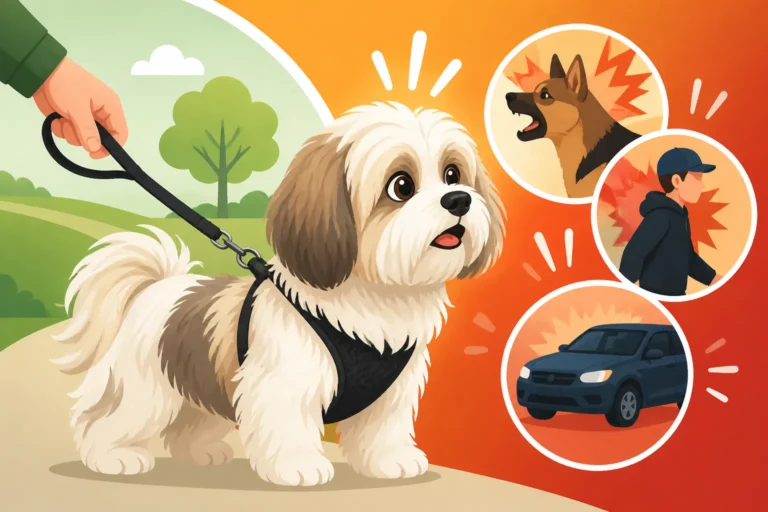
From roughly 8 to 16 weeks, your Havanese puppy is a sponge, soaking up every experience. This is the critical socialization window, and it's vital to expose them to a wide variety of sights, sounds, people, and other friendly, vaccinated dogs. Think positive, low-stress experiences. Introduce them to different surfaces, car rides, people of all ages and appearances (wearing hats, glasses, carrying bags), and common household noises like vacuum cleaners and doorbells.
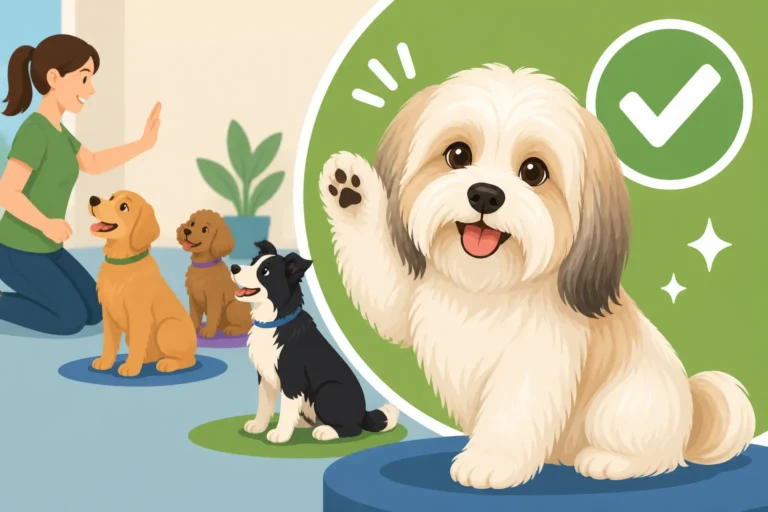
Enroll in a well-run puppy class. This provides a safe, structured environment for them to interact with other puppies and people, and it gives you valuable training guidance. A good puppy class will also teach you how to read your dog's body language and advocate for them in social situations. Remember, quality over quantity: a few positive, short interactions are better than one overwhelming, negative experience. Online training resources, like those offered by BAXTER & Bella, can also provide structured guidance and support for this crucial stage, helping you confidently navigate introductions and exposures.
Basic Obedience and Manners
Your Havanese is a smart little cookie, often eager to please and capable of learning How Fast a Havanese Learns a New Trick. Start with basic obedience commands as soon as they come home: sit, stay, come, and leash manners. Keep training sessions short, fun, and frequent – just 5-10 minutes a few times a day is far more effective than one long, boring session. Use positive reinforcement exclusively, rewarding desired behaviors with treats, praise, and play.
| Command | Why It's Important | How to Practice |
|---|---|---|
| Sit | Fundamental for greeting people calmly, waiting for food, and general control. | Hold a treat above their head, slowly moving it back towards their tail. As their nose follows, their rear will naturally drop. Mark the moment with "Sit!" and reward. |
| Come | Crucial for safety, especially off-leash in safe areas. | Start in a small, enclosed space. Crouch down, call their name excitedly with "Come!", and reward with a treat and praise when they reach you. Make it a game! |
| Stay | Builds impulse control and keeps them safe in various situations. | Start with "Sit," then say "Stay." Take one step back, wait a second, return, and reward. Gradually increase distance and duration. |
| Leave It | Prevents them from picking up dangerous or unwanted items. | Place a treat on the floor, cover it with your hand. When they look away, say "Leave It," then immediately reward with a different, higher-value treat. |
| Loose Leash Walking | Makes walks enjoyable for both of you and prevents pulling. | Reward your Havanese whenever the leash is slack during a walk. Stop walking if they pull, only resuming when the leash loosens again. |
Beyond commands, focus on good manners: no jumping on guests, no counter-surfing, and polite greetings. Consistency from everyone in the household is key. Teach them what is acceptable to chew on and what isn't, redirecting them to appropriate toys if they go for your shoes. Remember, a well-trained Havanese is a joy to live with, and it starts with these early lessons.
Grooming Fundamentals: Taming That Silky Coat
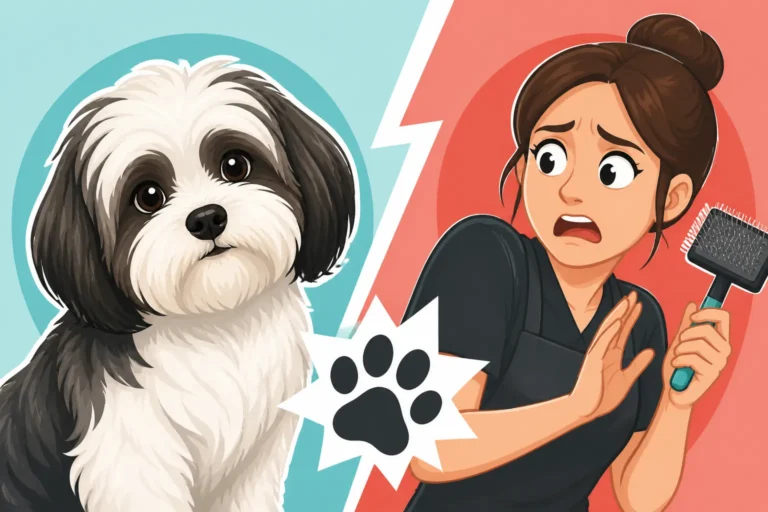
The Havanese coat is one of their most distinguishing features – beautiful, flowing, and incredibly soft. But let's be real, it's also a magnet for mats and tangles! Establishing a positive grooming routine from day one is essential, not just for aesthetics, but for your Havanese's comfort and health.
Introducing Brushing and Combing Early
Your Havanese puppy's coat is relatively easy to manage initially, but it won't stay that way. Around 8-12 months, they go through a "coat change" where their adult coat comes in, and that's when matting can become extreme. Starting early, even before the big change, is absolutely critical. Aim for short, daily brushing sessions using a good quality pin brush and a metal comb. Make it a positive experience with treats and praise.
Getting a Havanese Used to Brushing as a Puppy involves making it a game, not a chore. Introduce the brush gently, letting them sniff it, then giving a treat. Brush for a few seconds, treat, praise, then stop. Gradually increase the duration. Pay special attention to areas prone to matting: behind the ears, in the armpits, under the harness area, and around the legs. These are spots where friction causes knots quickly. Don't forget to comb through after brushing to ensure you've removed all tangles and reached the skin.
Bathing and Nail Trims
Bathing a Havanese doesn't have to be a wrestling match. Again, early positive experiences are vital. Use a non-slip mat in the tub or sink, lukewarm water, and a shampoo specifically formulated for puppies. Rinse thoroughly to prevent skin irritation. Always blow-dry your Havanese completely after a bath – never let them air dry, as this is a prime cause of matting. A low-heat, forced-air dryer, or even a human hairdryer on a cool setting, can work.
Nail trims can be daunting for both you and your puppy. Start by simply handling their paws frequently from a young age. Touch their toes, gently press their pads, and touch the clippers to their nails without actually trimming. Reward them generously for tolerating this. When you do trim, take off only the very tip, being careful to avoid the quick. If you’re unsure, ask your vet or a professional groomer to show you. Regular trimming is important for their paw health and comfort. Teaching a Havanese to Lie Still for Grooming means starting small, building trust, and making it an enjoyable part of their routine.
Feeding and Nutrition: Fueling Your Growing Havanese
Proper nutrition is the bedrock of your Havanese puppy’s health and development during this rapid growth phase. Choosing the right food and establishing good feeding habits now will contribute to their well-being for years to come.
Choosing the Right Puppy Food
When it comes to feeding your Havanese puppy, quality absolutely matters. Look for a premium puppy food formulated for small breeds, as these often have appropriate kibble size and nutrient balance for their specific needs. The first ingredient should ideally be a named meat source (chicken, lamb, salmon, etc.). Avoid foods with excessive fillers, artificial colors, or preservatives. Always check with your breeder about what they were feeding the puppy, and if you plan to switch, do so gradually over 7-10 days to avoid an upset stomach.
Follow the feeding guidelines on the food packaging, but remember these are just starting points. Every puppy is an individual. Monitor your Havanese's body condition – you should be able to feel their ribs without seeing them protruding, and they should have a discernible waist. Adjust their food intake as needed to maintain a healthy weight. The Meal Schedule a Havanese Puppy Needs will change as they grow, typically starting with 3-4 meals a day for very young puppies, gradually reducing to 2-3 meals by adolescence.
Establishing Healthy Eating Habits
Havanese puppies can sometimes be prone to being a bit finicky, or conversely, prone to overeating if given the chance. Establishing a consistent feeding routine from day one helps prevent both extremes. Feed meals at set times, in a quiet, designated area. Leave the food down for 15-20 minutes, then pick it up, even if they haven't finished. This teaches them to eat when food is available and helps with housetraining predictability.
Avoid free-feeding, where food is left out all day, as it can make housetraining harder, contribute to obesity, and make it difficult to monitor their appetite (a key indicator of health). If your Havanese puppy is a bit of a picky eater, resist the urge to constantly offer new foods or table scraps. Stick with their high-quality puppy food. You can try a small amount of warm water mixed in to soften it and release aromas. Treats should be given sparingly and factored into their daily calorie intake, especially for a small breed where Feeding a Havanese That Weighs Twelve Pounds needs careful management to avoid excess weight.
Managing Common Puppy Behaviors: Nipping, Chewing, and Separation Anxiety
The first year is a prime time for developing certain behaviors, some of which are entirely normal puppy antics, while others need gentle guidance to prevent them from becoming problematic habits. Understanding why your Havanese is doing what they're doing is the first step to managing it effectively.
Taming the Nipping and Chewing Phase
Puppies, including Havanese, explore the world with their mouths. Those tiny, sharp teeth are designed for teething and playing with littermates, and they don't differentiate between your hand and a chew toy. This nipping can be painful! The key is to teach bite inhibition. When your puppy nips too hard, let out a high-pitched "ouch!" or "yip!" and immediately withdraw your hand, ending play. Ignore them for a minute or two. If they nip again, repeat. This mimics how their littermates would react.
Provide plenty of appropriate chew toys. Offer a variety of textures – soft rubber, harder nylabones, puzzle toys. When your Havanese starts to chew on something inappropriate, redirect them to one of their toys with a firm "no," followed by praise when they take the correct item. Puppy-proof your home meticulously, removing anything valuable or dangerous that they might be tempted to chew. This stage will pass, but consistent redirection and appropriate outlets are crucial.
Addressing Separation Anxiety
Havanese are known for being devoted companions, often called "Velcro dogs" because they love to be with their people. While this is endearing, it can sometimes lead to separation anxiety if not managed from a young age. The Havanese That Cannot Be Left Alone can be a real challenge for owners, making it difficult to run errands or go to work. The signs can include excessive barking, destructive chewing, inappropriate urination or defecation, or frantic attempts to escape when left alone.
Start practicing short absences early. Leave your Havanese puppy alone for just a few minutes, even if you're just in another room. Increase the duration gradually. Don't make a big fuss when you leave or return. Provide engaging toys, like a Kong filled with frozen peanut butter, to distract them while you're gone. Crate training can be a valuable tool, offering a safe den for your puppy when you're away, but it's not a cure-all. For some, investing in structured online training programs like those from BAXTER & Bella can provide a framework to address separation issues with guided lessons and support. If you notice signs of true separation anxiety, consult a professional dog trainer or veterinary behaviorist.
Health and Vet Visits: Laying the Foundation for a Long Life
The first year is packed with essential veterinary care that sets the stage for a lifetime of good health. Regular check-ups, vaccinations, and preventive measures are non-negotiable for your Havanese puppy.
Essential Puppy Vaccinations and Check-ups
Your Havanese puppy will need a series of vaccinations during their first few months to protect them from common and dangerous diseases like distemper, parvovirus, adenovirus, and rabies. Your veterinarian will outline a schedule that's appropriate for your puppy's age and local risks. It's incredibly important to complete the entire series to ensure full immunity, often until they are around 16 weeks old. Until then, exercise caution with where your puppy socializes, sticking to areas known to be safe and clean.
Beyond vaccinations, regular puppy check-ups are vital. These visits allow your vet to monitor your puppy’s growth and development, check for any congenital issues (such as The Liver Shunt a Havanese Puppy Shows Before Six Months or The Kneecaps a Havanese Slips), discuss nutrition, parasite prevention (fleas, ticks, heartworm, intestinal worms), and offer guidance on training and behavior. Use these opportunities to ask any questions you might have, no matter how small they seem.
Spaying or Neutering Considerations
One of the most significant health decisions you'll make in the first year is whether and when to spay or neuter your Havanese. This procedure has numerous health and behavioral benefits, including preventing unwanted pregnancies, reducing the risk of certain cancers (mammary tumors in females, testicular cancer in males), and potentially curbing some undesirable behaviors like marking or roaming.
The timing of spay/neuter has been a topic of much discussion in veterinary circles. Historically, it was often done around six months of age. However, some newer research suggests potential benefits to waiting until a dog is more mature, allowing for full closure of growth plates, especially in larger breeds. For small breeds like the Havanese, the ideal timing might vary. Discuss the pros and cons, as well as the best timing for your individual Havanese, with your veterinarian, taking into account their specific health, behavior, and lifestyle.
The Adolescent Havanese: Navigating the Teen Months
Just when you think you've got this puppy thing figured out, your Havanese enters adolescence, typically between 6 months and 18 months of age. This phase can be a bit like living with a canine teenager – full of energy, testing boundaries, and sometimes seeming to forget all the training they've learned.
The "Rebellious Teenager" Phase
Around 6-8 months, you might notice your once-compliant puppy suddenly becoming a bit more independent, stubborn, or distracted. This is completely normal adolescent behavior! They might start testing boundaries, pushing limits on commands they once knew perfectly, or suddenly seem deaf to your calls. This isn't a sign that your training failed; it's a normal developmental stage where they're figuring out their place in the world and experimenting with their independence.
The key to navigating this phase is patience and consistency. Don't get frustrated and give up on training. Instead, double down. Revisit basic commands in varied environments, making them fun and rewarding. Keep up with socialization, ensuring they continue to have positive interactions. This is a time when some owners see an increase in The Barking a Havanese Does at Every Sound or new fears emerge. Continue to manage their environment and provide structure, and remember, this phase is temporary.
Continued Training and Enrichment
Even after formal puppy classes, continued training and mental enrichment are crucial for your adolescent Havanese. Their brains are still developing, and they thrive on learning. Consider enrolling in advanced obedience, trick training, or even a beginner agility class. Havanese often excel in these activities because of their intelligence and desire to please. What a Havanese Needs Beyond a Walk includes plenty of mental stimulation.
Puzzle toys, scent games, and interactive play sessions are excellent ways to keep their minds engaged and prevent boredom, which can lead to destructive behaviors. Consistency in daily routines, including exercise, training, and feeding, provides a sense of security and structure. Remember that your relationship is a partnership; investing time in continued positive reinforcement training will strengthen your bond and ensure your Havanese grows into a well-behaved, happy adult dog.
Disclaimer
This article is for general informational purposes only and does not constitute professional advice. Laws, prices and regulations vary by location and change over time. Consult a qualified professional for guidance on your specific situation.