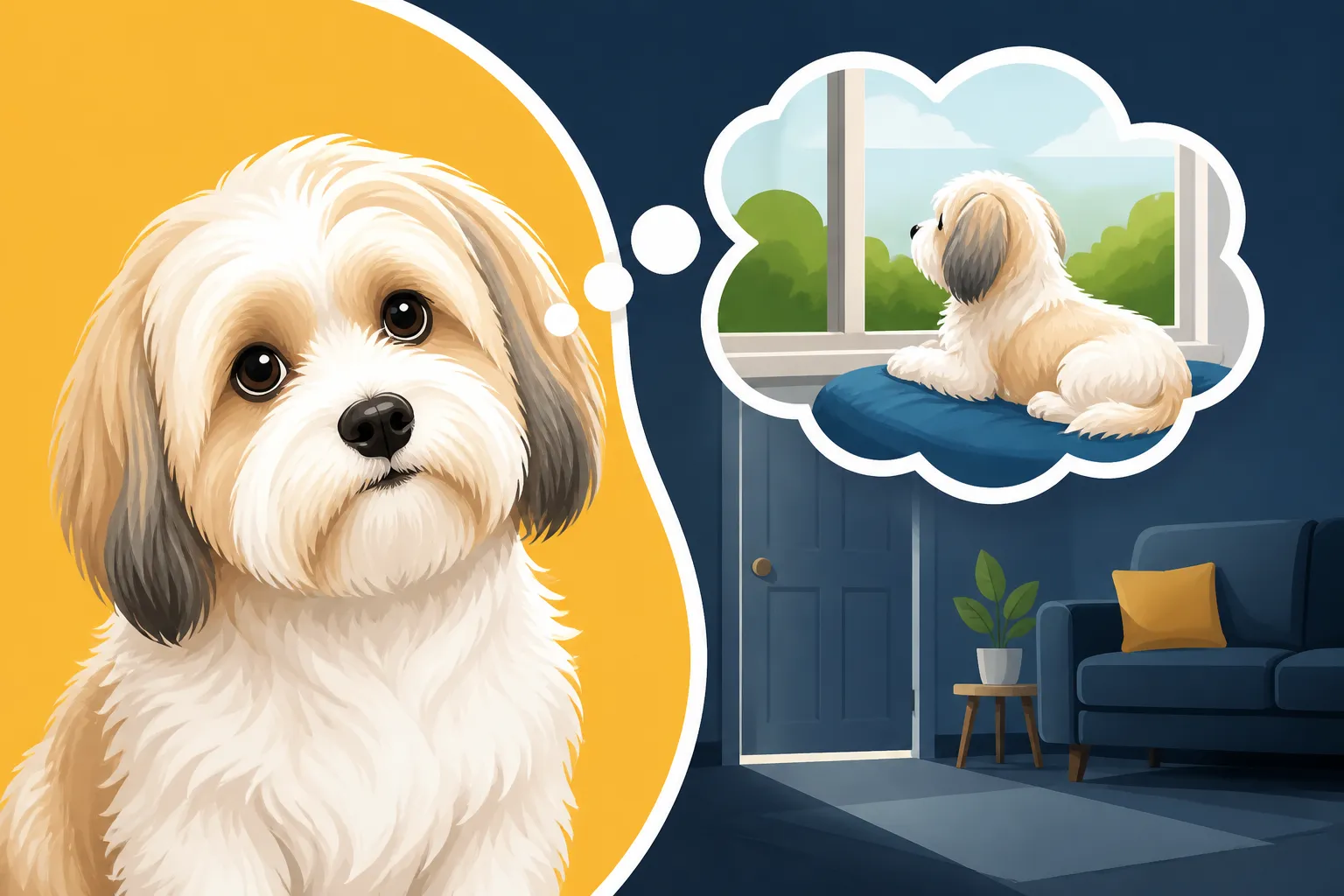
Whether a Havanese Tolerates Being Alone
One of the most heart-wrenching concerns for any Havanese owner is the thought of their beloved companion struggling when left alone. These little "Velcro dogs" thrive on companionship, and it's absolutely normal to worry about whether they're pacing, barking, or just plain miserable once you step out the door. This comprehensive guide will delve into the Havanese's unique temperament regarding solitude, offer practical strategies for building their confidence, and explore tools to make alone time more manageable for everyone.
The Havanese Nature: Why They Struggle with Solitude
It’s no secret that Havanese are deeply affectionate and people-oriented dogs. They were bred for centuries to be pampered companions, often sitting on laps or entertaining royalty and aristocrats in Cuba. This inherent desire for constant connection isn't a flaw; it's a deeply ingrained part of their charm and heritage. Understanding this fundamental aspect of their personality is the first step in addressing their potential discomfort with being left alone.
The "Velcro Dog" Phenomenon
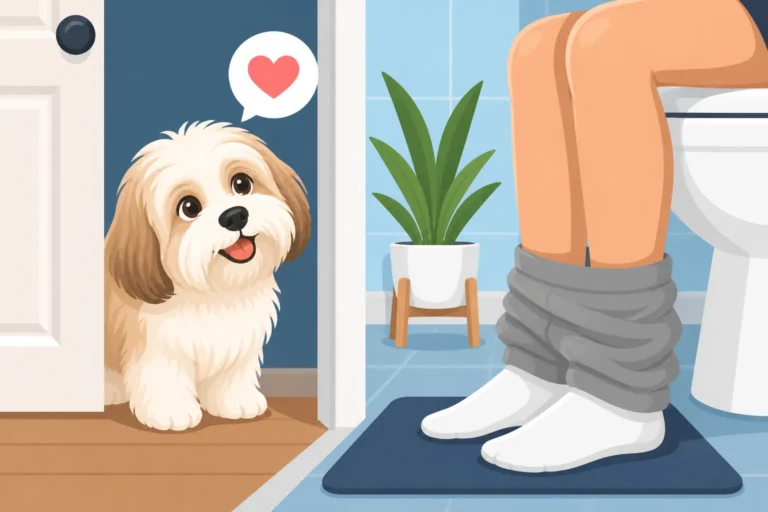
If you own a Havanese, you know exactly what the "velcro dog" moniker means. They are your shadow, following you from room to room, often preferring to be touching you if given the chance. This intense bonding is one of the most endearing qualities of the breed, but it's also precisely why many Havanese struggle with solitude. They aren't being manipulative; they genuinely feel safer and happier when in the presence of their human family. This profound attachment means that separation, even for short periods, can feel like a significant loss or threat to their well-being, leading to anxiety.
Their history as lap warmers and companions means they rarely had to fend for themselves or spend long periods unsupervised. Unlike some breeds developed for hunting or guarding, the Havanese's primary job was simply to be present and offer affection. This legacy continues to shape their behavior today, making them delightful company but also sometimes demanding a bit more patience and intentional training when it comes to alone time. It’s not about breaking their bond with you, but about teaching them that your absence is temporary and safe.
Historical Context of the Companion Role
To truly understand why your Havanese might struggle when you leave, we need to look back at their roots. The Havanese were historically bred as pampered pets for the Cuban aristocracy, often living in large households with plenty of human interaction. They weren't left in kennels or expected to guard property. Their entire existence revolved around human company, forming strong bonds with their families. This historical context illuminates why their natural inclination is to be constantly by your side. They evolved to be an extension of their human companions, a tradition that was deeply valued and encouraged.
This breeding for companionship means they often lack the independent streak found in some other breeds. They thrive on interaction, play, and simply existing in the same space as their people. When this constant interaction is removed, it can be deeply unsettling for them. Recognizing this historical predisposition helps us approach their anxiety with empathy, understanding that it's not a behavioral "problem" to be punished, but a natural instinct that needs gentle guidance and training.
Early Experiences and Socialization
A Havanese puppy's early experiences play a crucial role in how well they cope with being alone later in life. Puppies who are constantly held, rarely left to explore on their own, or aren't gradually introduced to short periods of solitude may develop a stronger dependency. Good breeders often start some form of "alone time" training before puppies even go to their new homes, ensuring they are comfortable spending small amounts of time away from their littermates and mother.
Beyond the breeder, early socialization in their new home is key. Exposing a puppy to various sounds, sights, and experiences – including short, positive periods of being left in their crate or a designated safe space – helps build their confidence. If a puppy never learns that being alone is okay, or if their first experiences of solitude are negative or frightening, it can lay the groundwork for separation anxiety. Consistent, positive exposure, even just for a few minutes at a time, makes a world of difference. You want them to associate alone time with peace, comfort, and perhaps a tasty chew, rather than panic.
Recognizing Signs of Distress When Alone
It’s one thing to suspect your Havanese is unhappy when you’re away, but another to truly understand the signs they might be displaying. These aren't just "naughty" behaviors; they are often desperate attempts to cope with overwhelming anxiety or to signal their distress. Learning to read these cues is vital for addressing the root cause of their discomfort.
Vocalizations and Destructive Chewing
One of the most common and noticeable signs of distress is excessive vocalization. This can manifest as relentless barking, howling, or whining that starts as soon as you leave and continues for extended periods. Your neighbors might even be the first to inform you of this particular struggle. The purpose of this barking isn't to annoy you; it's often a distress signal, a primal call for the return of their pack leader. It’s their way of saying, "Where are you? I'm scared!"
Beyond the noise, destructive chewing is another tell-tale sign that your Havanese is struggling. This isn't just a puppy exploring its world; an anxious Havanese might chew on door frames, furniture, carpets, or even escape routes like window sills. This behavior is often a self-soothing mechanism, a way to release pent-up energy and anxiety. The act of chewing can be comforting, but when it's destructive and targeted at exit points or valuable household items, it signals profound stress. What an Anxious Havanese Chews can offer more insights into this specific issue.
Potty Accidents and Excessive Grooming
If your house-trained Havanese suddenly starts having accidents indoors only when you're gone, it's a strong indicator of distress. They might eliminate right by the door, or in their crate, even if they would never do so when you're home. This isn't out of spite or a forgotten lesson; it's often an involuntary physical response to stress and anxiety. Their nervous system can get so overwhelmed that they lose control of their bladder or bowels. Punishing them for this will only increase their fear and confusion.
Another, perhaps less obvious, sign of anxiety can be excessive self-grooming. A Havanese might lick or chew at their paws or other body parts to the point of irritation or creating "hot spots." This, much like destructive chewing, is a coping mechanism. The rhythmic action of licking can release endorphins, providing a temporary sense of calm in a stressful situation. If you notice persistent licking or bald spots appearing, especially after you've been away, it's worth considering anxiety as a potential cause.
Subtle Behavioral Cues
Not all signs of distress are as overt as barking or destruction. Some Havanese exhibit more subtle behaviors that might be missed if you're not looking closely, or if you rely solely on what you see when you return. These can include pacing endlessly, often wearing a path in the carpet, or exhibiting repetitive behaviors like spinning in circles. Some might stand by the door, fixated on it, for the entire duration of your absence. This vigilance indicates they are constantly anticipating your return and are unable to relax.
A dog camera, easily purchased from retailers like Amazon, can be incredibly insightful for observing these less obvious behaviors. You might see them panting excessively even when the temperature is cool, or refusing to touch their favorite toy or treat until you return. Some Havanese will simply lie by the door, unmoving, their body language tense and their eyes wide, indicating they are not resting but simply enduring. Understanding these subtle cues helps paint a fuller picture of Signs a Havanese Has Separation Anxiety.
Strategies for Building Alone Time Tolerance
Addressing your Havanese's discomfort with being alone requires patience, consistency, and a systematic approach. It's not about making them independent in an instant, but gradually teaching them that your absence is not a cause for panic.
Gradual Desensitization and Counter-Conditioning
This is the cornerstone of teaching alone time tolerance. The idea is to desensitize your Havanese to your departure cues and counter-condition their negative associations with alone time. Start small. Really small. Pick up your keys, put on your coat, or jingle your wallet – actions that usually signal your departure – and then don't leave. Sit down, go about your business, and repeat this many times throughout the day. This helps disconnect those cues from the act of you leaving.
Once they are calm with your departure cues, begin leaving for very short durations. Step out the door, close it, wait five seconds, and come back in. Don't make a big fuss when you leave or return. The goal is to make your departures and arrivals utterly boring. Gradually increase the time you're gone by mere seconds or a minute at a time, only moving forward when your Havanese remains calm. If they show signs of distress, you've gone too fast, and you need to dial it back. Consistency is key, and it might take weeks or months to build up even short periods of calm alone time. This is a marathon, not a sprint.
Creating a Safe and Stimulating Environment
A crucial part of helping your Havanese cope is ensuring they have a comfortable, safe, and engaging space when you're not there. This could be a crate, a playpen, or a dog-proofed room. The space should be free of hazards and ideally where they feel secure. For some Havanese, a cozy den-like crate covered with a blanket provides comfort. Make sure they have access to fresh water.
Beyond safety, consider enrichment. High-value, long-lasting chew toys or puzzle feeders can be a game-changer. A frozen Kong stuffed with peanut butter or plain yogurt, or a puzzle toy from Amazon that dispenses treats, can keep their minds occupied and associate your departure with a positive, enjoyable activity. These distractions can help redirect their focus from your absence to something rewarding. Try leaving music or a talk radio station on softly, as Whether Leaving the Radio On Helps a Havanese for some dogs, familiar sounds can provide a sense of presence and mask startling outdoor noises.
The Role of Crate Training
For many Havanese, a crate can become a safe haven rather than a prison, significantly helping with alone time. When properly introduced, a crate taps into a dog's natural denning instinct, providing a secure, comfortable space where they can feel protected. It limits their ability to be destructive and can prevent potty accidents, which are often stress-induced. For more information, read Whether Crate Training Suits a Havanese.
Successful crate training involves positive association. Never use the crate as punishment. Feed meals in the crate, offer special treats only when they're inside, and make it a cozy spot with soft bedding. Start with short periods, with the door open, then closed, gradually extending the time. It becomes their private bedroom, a place they can retreat to. This foundation of positive crate association is invaluable when you begin practicing alone time. A well-adjusted Havanese in their crate might nap peacefully, knowing that it's their safe space until you return. If you're struggling, a structured online program like BAXTER & Bella can offer step-by-step guidance on successful crate training and alone-time protocols.
Tools and Resources to Aid Alone Time
Even with the best training strategies, there are days when you need extra support or when your Havanese needs an extra boost of confidence. Thankfully, a variety of tools and services exist to help both you and your furry friend manage alone time more effectively.
Interactive Toys and Puzzle Feeders
Interactive toys and puzzle feeders are invaluable allies in managing alone time. These aren't just for fun; they engage your Havanese's mind and provide a productive outlet for their energy. Instead of leaving their entire meal in a bowl, consider splitting it between a few puzzle toys. This turns mealtime into a scavenger hunt, keeping them occupied for much longer than a few minutes. Look for toys that require problem-solving, like those that need to be nudged or manipulated to release treats, or durable chew toys that can withstand prolonged gnawing.
Brands available on Amazon offer a wide array of options, from classic KONGs you can stuff and freeze to more complex treat-dispensing gadgets. The key is to find toys that are challenging enough to be engaging but not so difficult that your Havanese gets frustrated. Rotate toys to keep things fresh and interesting. A novel toy can capture their attention and make alone time feel less daunting. This mental stimulation can be just as tiring as physical exercise, helping them settle more easily.
Monitoring Devices and Professional Help
Modern technology offers a fantastic window into your Havanese's world when you're away. Pet cameras, often equipped with two-way audio and even treat dispensers, allow you to monitor their behavior in real-time. Whether a Camera Helps a Havanese Owner is a great resource. You can see if they are pacing, barking, or sleeping, and even talk to them (though some experts caution against this, as it can sometimes escalate anxiety rather than calm it, by reinforcing that you are still "there"). These cameras, readily available from retailers like Amazon, are not just for peace of mind; they provide crucial data to help you understand your Havanese's triggers and gauge the effectiveness of your training.
If your Havanese's alone time struggles are severe, manifesting as full-blown separation anxiety, professional help is often necessary. A certified professional dog trainer or a veterinary behaviorist can assess the situation, rule out underlying medical issues, and create a tailored behavior modification plan. They can guide you through complex desensitization protocols and, if needed, discuss medication options in conjunction with behavioral therapy. Sometimes, a fresh pair of expert eyes can identify subtle patterns you might be missing.
Dog Walkers, Sitters, and Daycare Options
Sometimes, the best solution for alone time challenges is to simply minimize the amount of time your Havanese is actually alone. This is where external resources become incredibly valuable. A trusted dog walker can break up long periods of solitude with a midday stroll, providing both physical exercise and mental stimulation. This can prevent boredom and reduce the build-up of energy that often exacerbates anxiety.
For longer absences, a pet sitter who comes to your home can provide individualized care and companionship, keeping your Havanese in their familiar environment. Alternatively, dog daycare can be a wonderful option for social Havanese. It offers hours of supervised play, interaction with other dogs, and human attention, ensuring they are tired and content when you pick them up. This can prevent them from feeling lonely or bored at home. Whether a Havanese Settles at Daycare is a good topic to explore. While these options come with a cost, they can be invaluable for the well-being of a Havanese who truly struggles with isolation.
Here's a table comparing some common alone-time aids:
| Aid Type | Description | Benefits | Considerations |
|---|---|---|---|
| Puzzle Feeders | Toys that dispense food/treats when manipulated by the dog. | Mental stimulation, extends mealtime, positive association with alone time. | Can be frustrating if too difficult; some dogs finish quickly. |
| Long-Lasting Chews | Durable chews (e.g., bully sticks, dental chews, specific hard rubber toys). | Satisfies natural chewing instinct, redirects destructive behavior. | Monitor for choking hazards; some dogs lose interest quickly; can be messy. |
| Pet Cameras | Devices to observe your dog remotely, often with two-way audio. | Peace of mind, identifies distress signals, helps gauge progress. | Watching too much can cause owner anxiety; audio interaction can be counterproductive. |
| Calming Aids | Pheromone diffusers, thundershirts, specific calming supplements. | Can reduce overall anxiety, provides comfort. | Not a standalone solution; effectiveness varies by dog; consult vet first. |
| White Noise/Music | Playing background sounds or specific dog-calming music. | Masks startling outdoor noises, creates a consistent calming ambiance. | May not work for all dogs; some prefer silence. |
Common Pitfalls and What to Avoid
When trying to help your Havanese cope with alone time, it's easy to fall into traps that can inadvertently worsen the situation. Understanding these common mistakes can save you a lot of frustration and, more importantly, prevent further stress for your dog.
Punishment and Negative Reinforcement
One of the biggest mistakes an owner can make is punishing a Havanese for behaviors related to distress when left alone. Coming home to a shredded cushion or a potty accident can be infuriating, but scolding, yelling, or physically punishing your dog will only increase their anxiety and make them fear your return. They don't associate the punishment with the act they performed hours ago; they only associate it with you and your arrival. This can lead to a dog who is not only anxious about being alone but also terrified of your return.
Instead of solving the problem, punishment creates a cycle of fear and confusion. Your Havanese needs reassurance and guidance, not reprimand, when they are already struggling with a deeply unsettling emotion. These behaviors are not acts of defiance but symptoms of panic. Focus on managing the environment and training, rather than trying to punish away an emotional response.
Rushing the Process or Ignoring Signals
Patience is paramount when training a Havanese to tolerate being alone. A common pitfall is rushing the desensitization process. If you increase the time you're away too quickly and your Havanese starts showing signs of distress – even subtle ones – you've moved too fast. Pushing them beyond their comfort zone will only reinforce their fear and make it harder to progress later. It's much better to take tiny steps forward, ensuring success at each stage, than to leap ahead and have to start over.
Equally detrimental is ignoring their subtle signals of stress. If you see them pacing, panting, or fixated on the door during a camera check, don't just hope it will pass. That's their way of telling you they're not coping. Acknowledge these signals and scale back your training. It might feel like you're not making progress, but respecting their emotional state is key to building trust and confidence. Remember, the goal is for them to be calm, not just quiet. How Many Hours a Havanese Can Be Left Alone should always be a consideration for their comfort and safety.
Relying Solely on Medication
While medication can be a valuable tool for managing severe separation anxiety, especially under the guidance of a veterinary behaviorist, it's a mistake to rely on it as a standalone solution. Medication can help reduce the intensity of your Havanese's anxiety, essentially taking the edge off so that they are more receptive to behavioral training. However, it doesn't teach them how to cope.
Think of medication as a crutch that helps them walk while they learn to strengthen their muscles. Without the accompanying behavior modification, once the medication is stopped, the anxiety is likely to return. It's a supportive measure to facilitate training, not a cure in itself. Always consult with your veterinarian before considering any medication for anxiety, and ensure it's part of a comprehensive plan that includes training, enrichment, and environmental adjustments.
Long-Term Management and Lifestyle Adjustments
Teaching a Havanese to tolerate being alone isn't a one-and-done process; it's an ongoing commitment to their well-being. Long-term success often involves integrating management strategies into your daily routine and making thoughtful lifestyle adjustments.
Maintaining a Consistent Routine
Dogs thrive on routine, and Havanese are no exception. A predictable schedule provides a sense of security and helps them anticipate what comes next. Try to maintain a consistent schedule for feeding, walks, playtime, and potty breaks, even on weekends. This consistency extends to your departure and arrival routines. Making your departures calm and low-key, without excessive fanfare, helps normalize the event. Similarly, when you return, avoid over-the-top greetings initially. Wait until your Havanese is calm before offering affection, reinforcing the idea that your return is a normal, non-alarming event.
A consistent routine also helps with potty training, which can regress with alone-time anxiety. Ensuring they have ample opportunities to relieve themselves before you leave can prevent stress-induced accidents. This predictability reduces uncertainty, which is often a major trigger for anxiety in dogs.
Balancing Together Time with Alone Time
It might seem counterintuitive, but for a Havanese who struggles with alone time, it's important to foster a healthy balance between togetherness and independence, even when you are home. While they love being your shadow, constantly allowing them to be literally glued to you can inadvertently reinforce their dependency.
Practice "structured alone time" even when you're present. This could mean having them settle in their crate with a chew toy while you're in another room, or tethering them to a piece of furniture a short distance from you while you work. The goal is to teach them that they can be content and calm even when you're not within arm's reach. This isn't about neglecting them; it's about building their confidence in their own company. Make sure the together time you do have is high-quality, engaging, and enriching, so they don't feel deprived during their alone periods.
Considering a Second Havanese
The question of Whether a Second Dog Settles a Havanese is a complex one. For some Havanese, the companionship of another dog can indeed alleviate loneliness and reduce separation anxiety. They might find comfort and security in the presence of a canine friend, providing mutual emotional support. This can be particularly true if the anxiety stems more from loneliness or boredom rather than a deep-seated panic about being utterly alone.
However, adding a second Havanese (or any dog) is not a guaranteed fix and can sometimes even complicate the situation. If your original Havanese's anxiety is severe, they might transfer their anxiety to the new dog, or the new dog might pick up on the existing anxiety and become anxious themselves. It's a big commitment and requires careful consideration of both dogs' temperaments and needs. If you're considering this, consult with a professional trainer or behaviorist to assess if it's a suitable solution for your specific Havanese. It's also vital to remember that while another dog can provide companionship, it doesn't replace the unique human-dog bond or solve issues rooted in specific human-related separation anxiety.
Disclaimer
This article is for general informational purposes only and does not constitute professional advice. Laws, prices and regulations vary by location and change over time. Consult a qualified professional for guidance on your specific situation.