Whether a Havanese Is Safe With Toddlers
Bringing a vibrant Havanese into a home with a curious, energetic toddler can feel like navigating a joyful but delicate dance. Many parents wonder if these charming, affectionate little dogs can truly thrive alongside the unpredictable movements and loud sounds that toddlers are known for. It's a valid concern, as the safety and well-being of both your child and your beloved Havanese are paramount. This comprehensive guide will explore the unique aspects of the Havanese temperament, potential challenges when combining them with young children, and practical, actionable strategies to foster a safe, loving, and harmonious relationship for everyone in your family.
The Havanese Temperament and Young Children: A Delicate Balance
The Havanese is renowned for its sunny disposition, intelligence, and deep affection for its human family. They were quite literally bred to be companions, often doted upon by Cuban aristocracy, which means they thrive on close contact and participation in family life. This inherent desire to be near people makes them wonderfully responsive, but when you introduce a tiny, delicate dog to a tiny, unpredictable human, you enter a nuanced territory.
Natural Affection vs. Inherent Fragility
On one hand, the Havanese possesses a natural inclination to be gentle and loving. They often form strong bonds with all family members, including children, and are known for their patience and desire to please. Many Havanese will happily snuggle on a lap or engage in a game of fetch with a child, provided the interaction is positive and respectful. Their intelligence means they can quickly learn routines and boundaries, and they are generally not known for aggression. They genuinely want to be part of the action, often following their favorite people from room to room, eager for a pat or a kind word.
However, beneath that fluffy, appealing exterior lies a small, delicate body. An adult Havanese typically weighs between 7 to 13 pounds and stands less than a foot tall. This size makes them incredibly vulnerable to accidental injury. What might seem like a harmless push or clumsy step from a toddler could lead to a serious injury for a Havanese, such as a fractured bone or internal trauma. Their small stature also means they can be easily overwhelmed or frightened by sudden movements or loud noises that a toddler might make during play or a tantrum. It's not about the dog being aggressive, but rather about their physical limitations and natural self-preservation instincts kicking in when they feel vulnerable or hurt. It’s crucial to understand that even the most patient Havanese has a breaking point if constantly subjected to rough handling or fear.
Playfulness and the Potential for Misunderstandings
Havanese are playful little clowns, often described as having a "circus dog brain" because of their love for performing tricks and engaging in games. They enjoy interactive play, chasing toys, and engaging in lighthearted romps. This energy can initially seem like a perfect match for a toddler's boundless enthusiasm. Both are often full of life, seeking engagement and fun. A Havanese might joyfully chase a rolling ball tossed by a toddler or engage in a gentle tug-of-war with an appropriate toy.
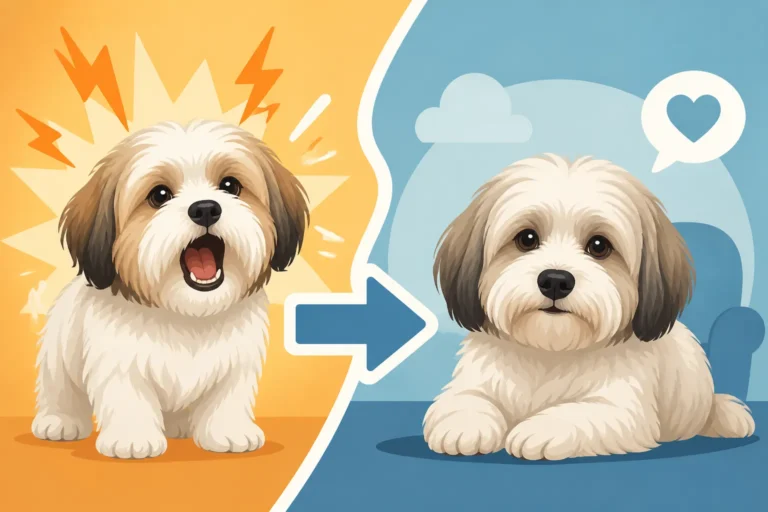
However, a critical distinction lies in their understanding of boundaries and physical cues. A Havanese understands play to a certain extent, but a toddler's play can quickly become too rough or overstimulating for a small dog. Toddlers lack fine motor control and impulse inhibition; they might grab a handful of fur, pull an ear, or accidentally fall on the dog. A Havanese might try to communicate discomfort through subtle body language like lip-licking, turning their head away, or yawning, but a toddler won't understand these signals. If these ignored warnings escalate, a Havanese might resort to a quick snap or growl out of fear or pain, not malice. This is a crucial point of potential misunderstanding that requires constant adult intervention and guidance. The dog isn't being "mean"; it's simply reacting to perceived threats or pain in the only way it knows how when its earlier, gentler signals have been missed.
Identifying and Mitigating Risks: Protecting Both Your Havanese and Your Toddler
The key to a successful Havanese-toddler relationship lies in understanding the inherent risks and actively working to prevent them. It's about proactive management and diligent supervision, acknowledging that while Havanese are wonderful, they are not immune to the challenges that come with their size and sensitivity.
Understanding the Physical Vulnerabilities of a Small Breed
Let’s be honest, Havanese are adorable, and their fluffy appearance can make them seem like a living teddy bear. This can be misleading for a toddler who might assume they can be handled like a toy. Their delicate bones, particularly in their legs and rib cage, are simply not built to withstand the same forces as a larger, more robust breed. A common scenario we often hear about involves a toddler tripping and falling onto the dog, or picking up the puppy incorrectly, leading to a trip to the emergency vet. These are not intentional acts of cruelty but rather unfortunate accidents stemming from a toddler's developing motor skills and lack of understanding about a dog's fragility.
Beyond obvious physical trauma, persistent rough handling can also contribute to long-term health issues. Havanese are prone to certain orthopedic conditions like The Kneecaps a Havanese Slips (luxating patellas) and Legg Calve Perthes and the Limping Havanese Puppy. While these are often genetic, constant stress or injury to the joints from repeated rough interactions could potentially exacerbate or even trigger symptoms. Therefore, protecting their physical well-being isn't just about preventing immediate injury, but also about supporting their overall joint health throughout their lives. The cost of a vet visit for a broken leg or dislocated joint can be significant, not to mention the emotional toll on everyone involved.
Decoding Havanese Stress Signals and Fear Responses
Dogs communicate primarily through body language, and Havanese are no exception. They will almost always try to tell you they're uncomfortable before resorting to a growl or snap. Understanding these subtle signals is vital for preventing escalation and ensuring the safety of both the dog and child. Signs of stress can include lip-licking, yawning (when not tired), head turning away, a lowered body posture, tail tucked, ears flattened, whale eye (when the whites of their eyes are visible), or even freezing in place. If these signs are ignored, the dog might progress to a growl, a snarl, or a quick air snap as a final warning.
A Havanese might also develop fear-based aggression if consistently put into situations where they feel threatened or cannot escape. If a toddler corners them, pulls their fur, or invades their personal space without reprieve, the dog might learn that the only way to make the unpleasant interaction stop is to show a more assertive warning. This is rarely out of true aggression, but rather a deeply ingrained survival instinct. This is why it’s so important that a Havanese always has an easy escape route and a safe space where they can retreat and feel completely unbothered. Failing to provide this can inadvertently teach your Havanese that they have to defend themselves rather than trust their human family to protect them.
The Dangers of Unsupervised Interactions
This point cannot be stressed enough: never leave a Havanese and a toddler unsupervised, even for a moment. The speed at which an accident can happen is astonishing. A quick dash to the kitchen, answering the door, or stepping into another room is all it takes for a toddler to accidentally injure the dog, or for the dog to react fearfully to a toddler’s actions. Supervision means active, engaged oversight where an adult is present, observing, and ready to intervene immediately.
The risks associated with unsupervised interactions are manifold:
- Accidental Injury to the Havanese: Toddlers might unintentionally step on, drop, or sit on the small dog, leading to severe injuries. Whether a Child Can Injure a Havanese by Dropping It is a very real and heartbreaking possibility.
- Fear-Based Reaction from the Havanese: If hurt or startled, even the gentlest Havanese might nip or snap out of pain or fear. This is not aggression, but a defensive reflex.
- Development of Negative Associations: If a Havanese consistently has negative, unsupervised interactions with a toddler, they can develop a lasting fear or aversion to children, making future harmony almost impossible.
- Toddler Injury: While rare for a Havanese to inflict serious harm, a nip or scratch can be painful and traumatic for a child, creating a fear of dogs.
It's a lot of work, but the payoff is a safe, loving environment for all. It's about setting up both your Havanese and your toddler for success by being their constant, protective presence.
Proactive Steps for a Harmonious Household
Successfully integrating a Havanese with toddlers isn't just about managing challenges; it's fundamentally about proactive planning and thoughtful preparation. The choices you make before and after bringing your Havanese home will lay the groundwork for a safe and loving relationship.
The Importance of Responsible Breeding and Temperament Assessment
Before you even bring a Havanese puppy into your home, the most critical step is to choose a responsible breeder who prioritizes health and, crucially, temperament. A well-bred Havanese from a reputable source is far more likely to possess the stable, confident, and gentle demeanor needed to cope with a busy family environment, especially one with young children. A good breeder will:
- Socialize their puppies: From an early age, puppies should be exposed to various sights, sounds, textures, and gentle human interactions. This includes supervised, positive introductions to children if the breeder has them in their household.
- Assess temperament: They should be able to discuss the individual personalities of the puppies, guiding you toward one that might be more tolerant and resilient, or perhaps one that is more sensitive and might require a quieter home. Avoid any breeder who seems unwilling or unable to discuss their puppies' temperaments or simply pushes the first available puppy on you.
- Health clear their breeding dogs: Healthy dogs are generally happier and more tolerant. Pain or discomfort from underlying health issues can make any dog irritable and more prone to snapping. A good breeder will have certifications for their breeding dogs for conditions like luxating patellas, eye diseases, and cardiac health. This is why you should always ask The Health Tests Both Havanese Parents Should Have been completed.
Conversely, a puppy from a backyard breeder or a puppy mill is a much higher risk. These puppies are often undersocialized, may have genetic health problems, and can be naturally anxious or fearful, making them ill-equipped for a home with unpredictable toddlers. Whether an Untested Havanese Litter Is Worth Buying is a serious question you should always consider before bringing a puppy home. Their fear or anxiety could manifest as nipping or snapping out of stress, even if they aren't inherently aggressive.
Early Socialization and Consistent Training for Your Havanese
Once your Havanese puppy is home, their early experiences are paramount. The period between 8 and 16 weeks is often called the "critical socialization period," where puppies are most open to new experiences. While you must prioritize their health and not expose them to unknown dogs before they are fully vaccinated, you can still provide controlled, positive exposure to various sounds, gentle handling, and, critically, children.
- Controlled Introductions to Children: If you have friends with well-behaved, slightly older children, arrange highly supervised, brief, and positive interactions. Ensure the children are taught to be gentle, and the Havanese always has a comfortable retreat. Offer high-value treats during these interactions so the puppy forms a positive association.
- Exposure to Toddler Sounds: Play recordings of toddlers laughing, crying, and making sudden noises at a low volume, gradually increasing it as your puppy remains relaxed. This helps desensitize them to the unpredictable soundscape of a toddler-filled home.
- Handling Practice: Gently touch your puppy's paws, ears, tail, and mouth regularly, rewarding them for tolerance. This can make future grooming easier and help them accept accidental touches from a toddler. This also ties into Teaching a Havanese to Lie Still for Grooming, which helps build tolerance for handling.
- Basic Obedience Training: Enroll in a puppy class or use an online training program like BAXTER & Bella, which offers comprehensive resources for new puppy owners. Teaching cues like "sit," "stay," "leave it," and "off" is invaluable. "Leave it" can prevent your Havanese from grabbing a toddler's dropped food or toy, while "off" can prevent them from jumping up, even playfully. Consistent positive reinforcement training builds confidence in your Havanese and provides you with essential control in potentially challenging situations.
- Crate Training: A crate or playpen can become your Havanese's safe haven. Introduce it as a positive space, never for punishment. It gives your dog a place to escape toddler energy and rest undisturbed.
Consistent, positive training during The First Year With a Havanese Puppy will help them grow into a well-adjusted adult, better equipped to handle the dynamics of a bustling family home.
Nurturing Respectful Interactions: Teaching Toddlers to Be Gentle
While responsible breeding and early socialization lay the foundation, the ongoing responsibility lies in actively teaching your toddler how to interact safely and respectfully with your Havanese. It’s an ongoing lesson that starts the moment they’re together and evolves as your child grows.
Practical Guidance for Toddlers on Safe Petting
Toddlers are still learning about the world, and their natural curiosity often comes with clumsy hands and an incomplete understanding of boundaries. It’s not enough to simply say "be gentle"; you need to show them exactly what that means in concrete terms.
Here are some practical tips:
- "Pet the back" rule: Teach your toddler to only pet the dog's back, from the shoulders to the tail, with an open, flat hand. This avoids sensitive areas like the head, ears, and tail, which are often targets for grabbing.
- "Gentle hands" mantra: Constantly repeat and demonstrate "gentle hands." Guide your toddler's hand with your own, showing a soft, stroking motion. Use positive reinforcement when they are gentle – "Good gentle hands, [child's name]!"
- No grabbing, pulling, or poking: Explicitly teach "no pulling ears," "no pulling tail," and "no poking eyes." Show them what happens when you are gentle versus when you are rough. You might gently pull your own hair (just enough to make them understand it hurts) and then demonstrate a soft stroke.
- Dog in sight, not in arms: For a Havanese, which is so small, emphasize that they are for petting on the floor, not for picking up or carrying around. Even if a toddler intends to be loving, they can easily drop a tiny Havanese, causing serious injury. Whether a Havanese Is Fragile Around Children is a key concern here.
- Only when the dog approaches: Teach your child to wait for the Havanese to come to them, rather than chasing or cornering the dog. This gives the Havanese control over the interaction.
- Supervise, supervise, supervise: Even with the best lessons, toddlers forget. Constant adult supervision is non-negotiable to ensure these rules are followed and to intervene before an accidental mishap occurs.
Consistency is key. Every interaction, even the seemingly minor ones, is a teaching opportunity. This isn't just about protecting the dog; it's about instilling empathy and respect for animals in your child.
Establishing Clear Boundaries and Quiet Spaces for Your Havanese
Just as important as teaching gentle interaction is establishing clear physical and spatial boundaries that allow your Havanese to retreat and feel safe. A dog that feels constantly overwhelmed or trapped is a dog that will eventually react out of fear or stress.
- The "Doggy Zone": Designate a specific area as the Havanese's "doggy zone" – perhaps their crate, a cozy bed, or a playpen. This area must be off-limits to the toddler. Teach your toddler that when the dog is in its bed or crate, they are not to be disturbed. "When [Havanese's name] is in their bed, we leave them alone." This is a sacred space for your dog.
- Physical Barriers: Use baby gates to separate the dog and child when you can't provide direct, active supervision, even if it's just for a few minutes. This prevents unwanted chasing, grabbing, or accidental encounters. You can buy sturdy and tall baby gates on platforms like Amazon that will effectively keep spaces separated. This is especially helpful if your Havanese has a tendency to follow you into every room, as discussed in Why a Havanese Follows You Into Every Room.
- Mealtimes and Resting Times: These are prime times for potential conflict. Always feed your Havanese in their designated safe space or behind a barrier, away from your toddler. Teach your child not to approach the dog while it's eating or sleeping. Many bites occur when a dog is startled from sleep or protecting a valued resource like food.
- Recognizing Canine Signals: As your toddler grows, start teaching them to recognize basic dog body language. "See how [Havanese's name] is turning their head? That means they want space." Or, "Oh, [Havanese's name] just yawned! That means they're a little tired and needs a rest." This helps your child become more attuned to their furry friend's needs and respect their signals.
By consistently enforcing these boundaries, you're not just protecting your Havanese; you're creating a predictable and safe environment where your dog can trust that their needs for space and quiet will be respected. This builds a foundation of security that is essential for a positive relationship.
Creating a Safe and Predictable Environment
Establishing a safe and predictable environment is paramount for fostering a harmonious relationship between your Havanese and your toddler. It's about setting up the physical space and daily routines in a way that minimizes stress and maximizes positive interactions for everyone.
Implementing Physical Barriers and Safe Retreats
Think of your home as a landscape that needs to be navigable and safe for both a curious toddler and a small, delicate dog. Physical barriers are your best friends in managing this dynamic.
- Baby Gates are Your Allies: These aren't just for toddlers; they're for dogs too! Install sturdy baby gates at doorways to create separate zones. For instance, you might have a "toddler-free zone" where your Havanese can eat, sleep, and relax without any chance of being disturbed. This might be your laundry room, a quiet corner of the living room, or your bedroom. When your Havanese is in this space, it means "leave me alone," and your toddler must learn to respect this boundary. Conversely, you might also have a "dog-free zone" for your toddler's play area, especially if they have small toys that could be choking hazards for your Havanese. Platforms like Amazon offer a wide range of reliable and easy-to-install baby gates that can make this management much simpler.
- Crates and Playpens as Sanctuaries: Your Havanese needs a personal sanctuary, a place where they feel completely safe and secure, and where they know no human (especially a tiny one!) will disturb them. A comfortable crate, introduced positively with treats and toys, can become this haven. It's not a punishment; it's their bedroom. A dog playpen can also serve a similar purpose, providing a slightly larger enclosed space where they can have their bed, water bowl, and a chew toy, all out of reach of little hands. Encourage your Havanese to use these spaces frequently for naps and quiet time, especially when your toddler is most active. It teaches your dog that retreat is always an option and it's a safe one.
- Elevated Beds: Sometimes, a raised dog bed or a dog bed tucked under a table can offer a small degree of separation and a sense of security for your Havanese, making it slightly less accessible to a crawling or newly walking toddler. It's another small way to provide a sense of escape when needed.
These physical management tools are not meant to isolate your dog or child but to create controlled environments where positive interactions can flourish while preventing potential accidents and stress. They are essential components of a safe, multi-species household.
Structured Play and Calming Routines
Unstructured, free-for-all interactions between a Havanese and a toddler are where problems most often arise. Instead, focus on creating structured playtimes and implementing calming routines that benefit both dog and child.
- Supervised, Brief Play Sessions: Instead of letting your Havanese and toddler just "figure it out," schedule short (5-10 minute), highly supervised play sessions. During these times, you are actively facilitating the interaction.
- Toddler-Led Gentle Games: Encourage games where the toddler can participate gently, like rolling a soft ball for the Havanese to fetch. Praise both your toddler for being gentle and your Havanese for participating calmly.
- Dog-Safe Toys: Ensure any toys used are appropriate for the Havanese and too large for the toddler to put in their mouth, or vice-versa.
- Positive Reinforcement: Keep a stash of high-value treats handy. Reward your Havanese for calm behavior around your toddler, and praise your toddler lavishly for gentle interactions.
- Separate Exercise and Stimulation: Don't rely solely on your toddler to exercise your Havanese. Ensure your dog gets their own dedicated walks, playtime, and mental stimulation away from the toddler. A well-exercised and mentally stimulated Havanese is a calmer, more tolerant Havanese. This is crucial as What a Havanese Needs Beyond a Walk includes mental games and training.
- Calming Routines: Implement routines that signal quiet time for your Havanese, especially during your toddler's nap or bedtime. This might involve a specific chew toy in their crate, a gentle massage, or quiet cuddle time with an adult. This helps your Havanese decompress and reduces overall stress levels.
- Training Activities: Incorporate short training sessions into your day. This not only reinforces good behavior but also provides mental engagement for your Havanese. Online platforms like BAXTER & Bella offer excellent resources for engaging, positive reinforcement training that can be done in short bursts, even in a busy household. This regular mental work helps keep your Havanese settled and less likely to be overwhelmed by toddler activity.
By consciously structuring interactions and building calming routines, you reduce the potential for overstimulation, stress, and accidental mishaps, paving the way for a more harmonious coexistence.
Long-Term Harmony: Nurturing a Positive Relationship
The journey of a Havanese and a toddler growing up together is not a one-time setup; it's an evolving process that requires ongoing attention and adaptation. As both your child and your dog mature, their needs and capabilities will change, demanding continued education and vigilance from you.
Ongoing Education for Family Members
The lessons don't stop once your toddler understands "gentle hands." As your child grows from a toddler to a preschooler and beyond, their understanding and capabilities will expand, and so should their education about dog interaction.
- Age-Appropriate Responsibilities: As your child gets older, introduce age-appropriate responsibilities, such as helping fill the dog's water bowl, assisting with brushing (under supervision), or throwing a toy during a supervised play session. This fosters a sense of stewardship and responsibility towards the Havanese.
- Reading Dog Body Language Together: Continue to teach your child about dog communication. Point out when the Havanese is happy, relaxed, or showing signs of wanting space. "See how [Havanese's name]'s tail is wagging? That means they're happy to see you!" or "Look, [Havanese's name] is turning their head. They might need a break." This helps build empathy and allows your child to become a more thoughtful and respectful companion to their dog.
- Reinforce Rules Consistently: Rules about not disturbing the dog when eating, sleeping, or in its designated safe space must be reinforced consistently, regardless of the child's age. It's a foundational principle of respectful animal interaction.
- Leading by Example: Children learn best by observing. Model calm, respectful interactions with your Havanese yourself. Show affection and gentle handling, and always respect your dog's need for space.
This ongoing education isn't just about dog safety; it's about raising a compassionate and responsible individual who understands and respects the needs of living creatures.
Managing Stress and Preventing Mishaps
Even with the best intentions and diligent efforts, life happens. Dogs can get sick, children can have bad days, and external factors can introduce stress. Being prepared to manage these situations is key to maintaining long-term harmony.
- Regular Vet Check-ups: Ensure your Havanese has regular veterinary check-ups. Underlying pain or illness can significantly impact a dog's temperament, making them more irritable or prone to snapping. A Havanese that is experiencing discomfort, even mild arthritis in an older age, might react unexpectedly to a child's innocent touch. Early detection and management of health issues are crucial for their well-being and temperament, and this applies as they age, especially as you begin Caring for a Havanese Past Twelve.
- Monitor for Changes in Behavior: Pay close attention to any changes in your Havanese's behavior. An increase in stress signals, withdrawal, or newfound irritability could indicate pain, anxiety, or that the current management strategy isn't working. If you notice persistent changes, consult your veterinarian or a certified professional dog trainer/behaviorist.
- Understand Accidents Can Happen: Despite all precautions, an accidental bump or a momentary lapse in supervision can occur. If an incident happens, remain calm. Separate the dog and child immediately. Assess for injuries. Do not punish the dog, as this can increase fear and potentially worsen future reactions. Instead, critically evaluate what led to the incident and adjust your management strategy to prevent recurrence. This might mean stricter boundaries, increased supervision, or even seeking professional help.
- Flexibility and Adaptation: As your toddler grows into a child, and your Havanese transitions through puppyhood, adolescence, and adulthood, their dynamics will change. What worked at one stage might not work at another. Be flexible, adapt your strategies, and continue to prioritize the safety and well-being of both your child and your cherished Havanese. Perhaps your Havanese developed a heart murmur as they got older; then The Heart Murmur an Older Havanese Develops means they might not be as tolerant of boisterous play as they once were. This means adapting the rules for your child too.
By remaining vigilant, educated, and proactive, you can nurture a beautiful, long-lasting bond between your Havanese and your children, allowing them to grow up together in a safe and loving home.
| Interaction Type | Toddler Best Practices | Havanese Stress Signals to Watch For |
|---|---|---|
| Petting | – Use "gentle hands" on the back only | – Lip licking, yawning |
| – Wait for dog to approach | – Head turning away, avoiding eye contact | |
| – No grabbing, pulling, poking | – Tail tucked, ears flattened | |
| Playing | – Use appropriate toys, no roughhousing | – Freezing, stiff body language |
| – Throw and fetch, no chasing the dog | – Growling, snapping in the air | |
| – Give the dog a break if they walk away | – Retreating to a safe space | |
| Sharing Space | – Respect "doggy zone" (crate, bed) as off-limits | – Hiding, trying to get away |
| – No disturbing while eating or sleeping | – Whites of eyes showing (whale eye) | |
| – Stay calm and quiet around the dog | – Shaking, panting when not hot |
Disclaimer
This article is for general informational purposes only and does not constitute professional advice. Laws, prices and regulations vary by location and change over time. Consult a qualified professional for guidance on your specific situation.