Whether a Havanese Is the Smartest Toy Breed
It’s a natural question to ask when you’re considering bringing a new furry family member into your home: just how smart are they? With Havanese, many prospective owners wonder if these charming little dogs truly live up to their reputation for being clever, especially when compared to other toy breeds. We all want a dog that's easy to train, understands us, and engages with the world around them, so let's dive into what makes the Havanese tick and where their intelligence truly shines.
What "Smart" Really Means in Dog Breeds
When we talk about a dog being "smart," it’s easy to picture them solving complex puzzles or understanding every word you say. But canine intelligence is actually a multifaceted thing, far more intricate than just sitting on command. Different breeds excel in different areas, and what one person considers intelligent, another might see as simply well-behaved or naturally inclined.
Different Kinds of Canine Intelligence
The renowned canine psychologist Stanley Coren broke down dog intelligence into three main categories, and understanding these helps us appreciate the unique gifts of the Havanese:
- Instinctive Intelligence: This is what a dog is bred to do naturally. Think of a Border Collie herding sheep or a Retriever fetching game. It's their inherent purpose. For a Havanese, this might manifest in their role as a companion, a "people-pleaser," or their natural ability to perform tricks. They weren't bred for hunting or guarding, but for companionship and entertainment, and their instinctive intelligence shines in these areas. They are incredibly attuned to human emotion and social cues, which is a powerful form of intelligence in itself.
- Adaptive Intelligence: This refers to a dog's ability to learn and solve problems on their own, based on their environment and experiences. It's about how quickly they figure out how to get a treat from a puzzle toy, or how to open a cabinet door they shouldn't. Havanese are remarkably good at this, often observing and learning from their humans with surprising speed. They are flexible thinkers, quick to adjust to new situations or routines, which is incredibly valuable in a family pet.
- Working and Obedience Intelligence: This is the "textbook" intelligence many people think of – how quickly a dog learns commands and responds to them. This is measured by how many repetitions it takes for a dog to learn a new command and how reliably they perform it. This is where Havanese truly shine, often ranking among the top breeds for their ability to pick up new commands with minimal repetition.
The Havanese's Historical Role and Innate Intelligence
The Havanese is a breed with a fascinating history, known as the national dog of Cuba. Their ancestors, the "Blanquito de la Habana," were beloved companions of the Cuban aristocracy. Over time, these dogs evolved into the charming Havanese we know today, largely through selective breeding for temperament and their unique, flowing coat. Their role was never about rigorous work but about providing joy, entertainment, and companionship.
This historical purpose heavily influenced their innate intelligence. They were essentially bred to be engaging, clever companions, often performing little "circus dog" routines for their families. They had to be smart enough to learn these tricks, observant enough to respond to subtle cues, and charming enough to maintain their favored status. This background contributes to what we often refer to as The Circus Dog Brain Inside a Havanese. They're not just performing tricks; they are actively engaging their minds and bodies, demonstrating a high degree of cognitive function. This intrinsic motivation to interact and entertain makes them naturally predisposed to learning.
They are incredibly observant, often watching your every move, learning your routines, and anticipating your next action. This isn't just a cute quirk; it's a testament to their adaptive intelligence. They learn what makes you happy, what gets them a treat, and what behavior will lead to cuddles on the couch. This deep connection and ability to "read" their people are hallmarks of their clever nature.
The Havanese's Aptitude for Learning and Training
When it comes to formal training, Havanese are often celebrated for their eagerness and quick comprehension. They’re not just smart; they genuinely seem to enjoy the process of learning and engaging with their human partners.
Quick Learners, Eager to Please (Most of the Time!)
One of the most rewarding aspects of owning a Havanese is witnessing how quickly they pick up new commands. Whether it's "sit," "stay," "come," or more complex tricks, these dogs often grasp concepts in just a few repetitions. They thrive on positive reinforcement, and a tasty treat or an enthusiastic "Good dog!" goes a long way in solidifying what they've learned. You might find yourself marveling at how a puppy barely a few months old can already perform a string of commands. This rapid learning ability is why many owners say that Why the Havanese Learns Tricks Faster Than Most Toys.
However, "eager to please" doesn't mean "never stubborn." Like any intelligent breed, a Havanese can, at times, decide that something else is more interesting than your training session. They might get a mischievous glint in their eye and test your patience, especially if they sense you're not fully engaged or if the reward isn't enticing enough. This isn't a lack of intelligence, but rather a display of their independent, discerning minds. It's why varying your rewards, keeping sessions short and fun, and staying consistent are so crucial. Incorporating interactive online training resources, such as those offered by BAXTER & Bella, can be a fantastic way to keep both you and your Havanese engaged with fresh ideas and structured lessons, which can be invaluable for navigating those playful moments of resistance.
Beyond Basic Obedience: Complex Skills and Performance
The intelligence of a Havanese extends far beyond simply mastering basic commands. They have a remarkable capacity for complex skills and often excel in various dog sports and activities. Many Havanese enthusiastically participate in:
- Agility: Navigating obstacle courses with speed and precision. Their compact size and athletic build make them surprisingly agile.
- Rally Obedience: Performing a course of obedience exercises at their own pace, following signs. This requires focus and understanding multiple commands in sequence.
- Trick Training: As their "circus dog" heritage suggests, Havanese love learning and performing tricks. From weaving through legs to playing dead, their enthusiasm is infectious. If you're looking to challenge your Havanese, exploring advanced trick titles can be incredibly rewarding. You might be surprised at the intricate sequences they can learn and perform. For ideas and methods, consider delving into Teaching a Havanese Tricks It Will Perform All Day.
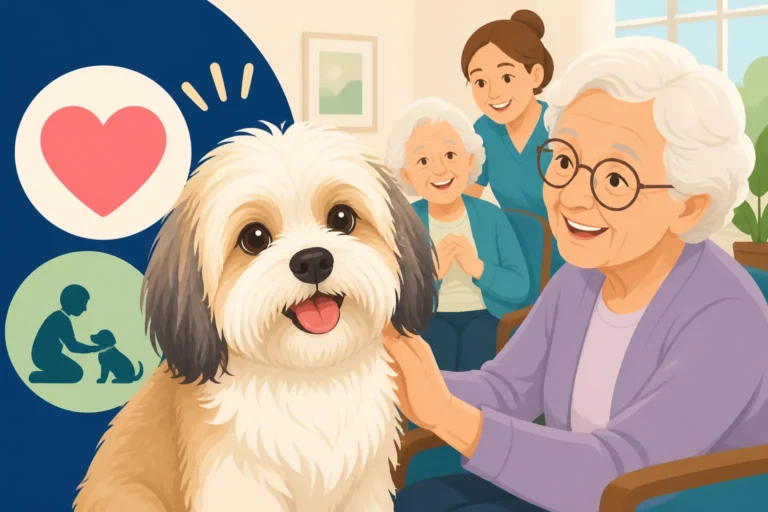
- Therapy Work: Their affectionate nature combined with their intelligence makes them excellent candidates for therapy dogs, providing comfort and joy to people in hospitals, nursing homes, and schools. They intuitively sense human emotions and respond with gentle affection, demonstrating a high degree of emotional intelligence. Many Havanese go on to become certified therapy dogs, proving that their 'smartness' has a profound, positive impact on others. To learn more about this path, you might find Whether a Havanese Makes a Therapy Dog insightful.
These activities require not just memorization, but problem-solving, focus, and a strong bond with their handler. The Havanese's ability to engage in these complex tasks speaks volumes about their cognitive abilities. They don't just go through the motions; they actively participate and often seem to enjoy the mental and physical challenge. Keeping training sessions varied and engaging is key, as these smart cookies can get bored with endless repetition. This is where knowing Whether Short Sessions Suit a Havanese becomes particularly important.
The Importance of Consistency and Engagement
While Havanese possess a high degree of innate intelligence, it's crucial to remember that a dog's potential is largely realized through consistent training and active engagement from their owner. A brilliant mind, left unchallenged, can sometimes turn to mischief.
Without proper stimulation, a smart Havanese might invent their own "games," which could include things like exploring forbidden counters, barking excessively, or finding creative ways to get attention. This isn't them being "bad"; it's them using their intelligence to entertain themselves. To truly harness their intelligence for good, an owner must:
- Be Consistent: Routine and clear expectations are vital. A Havanese thrives on knowing what's expected of them. If rules are inconsistent, they will get confused or try to bend them to their advantage.
- Provide Mental Stimulation: Beyond physical exercise, Havanese need brain games. Puzzle toys, interactive feeders, and learning new tricks keep their minds sharp and prevent boredom. Brands found on Amazon offer a wide variety of interactive toys that can challenge your Havanese mentally. Delving into Whether a Havanese Enjoys Puzzle Toys can give you great ideas for engaging their minds.
- Engage Actively: Training isn't just about commands; it's about building a relationship. Spending quality time in play and interaction, rather than just giving commands, solidifies their trust and motivation to learn from you. This strong bond is often why you’ll notice Why a Havanese Follows You Into Every Room—they genuinely enjoy being near you and observing everything you do.
Ultimately, a Havanese's intelligence isn't a passive trait; it's an active ingredient in their personality that requires nurturing. An engaged owner will find their Havanese to be an incredibly capable and responsive companion.
Comparing Havanese Intelligence to Other Toy Breeds
When we look at the entire spectrum of toy breeds, the Havanese consistently ranks high in terms of intelligence, often surprising those who might underestimate their small stature. However, "smartest" is a tricky crown to award, as different breeds possess distinct forms of cleverness.
Benchmarking Against Known "Smart" Toy Breeds
To truly appreciate the Havanese's intelligence, it's helpful to consider them alongside some of their well-known toy breed counterparts. While all dogs are intelligent in their own way, some breeds do exhibit particular aptitudes that make them stand out in specific areas.
| Trait / Breed | Havanese | Toy Poodle | Papillon | Maltese | Shih Tzu |
|---|---|---|---|---|---|
| Working/Obedience | High (eager, quick learner) | Very High (often top-ranked) | High (attentive, agile) | Medium-High (trainable, but can be independent) | Medium (can be stubborn, but learns) |
| Adaptive/Problem-Solving | High (observant, creative) | High (analytical, curious) | High (resourceful, keen) | Medium-High (learns routines, can be manipulative) | Medium (learns by observation, but can be selective) |
| Instinctive (Companion) | Very High (attuned to human emotion, affectionate) | Medium (loyal, but less overtly cuddly) | High (interactive, engaging) | Very High (devoted, gentle) | Very High (lap dog supreme, charming) |
| Emotional Intelligence | Very High (empathetic, sensitive to mood) | High (connects deeply, good service dog) | Medium-High (responsive, but more independent) | Very High (comforting, intuitive) | High (affectionate, enjoys being pampered) |
| Motivation for Training | Play, food, praise, attention | Praise, mental challenge, activity | Play, attention, agility | Attention, praise, comfort | Comfort, treats, gentle praise |
As you can see from the table, Havanese hold their own quite impressively. They might not consistently outrank the Toy Poodle in raw obedience intelligence – Poodles are often considered the Einsteins of the dog world – but the Havanese brings a unique blend of intellectual curiosity and profound emotional connection to the table. They learn quickly, but they also use their smarts to interact with you on a deeper level. For a detailed comparison with a very popular breed, check out The Havanese Against a Maltese.
Why the Havanese Stands Out (and Where They Might Differ)
The Havanese truly excels in a combination of adaptive and emotional intelligence. They aren't just good at following commands; they're masters of understanding their human companions.
- Keen Observation: Havanese are sponges when it comes to observing human behavior. They quickly learn household routines, anticipate when you're about to go for a walk, or even figure out which drawer holds their favorite treats. This observational learning is a massive advantage in everyday life, making them seem uncannily aware of their surroundings and your intentions.
- Adaptability: They adapt remarkably well to different living situations, whether it's a bustling city apartment or a quiet suburban home. They can be trained for various roles, from therapy work to performance sports, showcasing their mental flexibility.
- Emotional Sensitivity: This is where the Havanese truly shines as a companion. They are incredibly in tune with their owners' moods. If you're sad, they're likely to offer a comforting nudge. If you're happy, they'll join in the celebration. This emotional intelligence is often what endears them most deeply to their families. It's a different kind of "smart," perhaps, but one that enriches the human-animal bond profoundly. They seem to understand when you need them most, and their response is always genuine.
Where they might "differ" from some other breeds isn't necessarily a lack of intelligence, but sometimes a strong will or a playful streak that can lead to selective hearing. They are not always robotic in their obedience; they have opinions and desires, which is part of their charm! This means that while they are quick to learn, they also need to feel like they are part of the process, not just following orders.
The Role of "People-Pleasing" in Perceived Intelligence
A huge factor in why Havanese are perceived as so smart is their inherent desire to please their people. Unlike some breeds that might perform tasks purely for a reward, Havanese often seem to genuinely enjoy the interaction and the positive feedback from their owners. This means they are highly motivated to understand what you want and to try and deliver it.
Their "people-pleasing" nature means they pay close attention to your facial expressions, tone of voice, and body language. They learn quickly what makes you happy and what earns them praise or a cuddle. This motivation makes them excellent students and eager participants in training. They want to be involved in whatever you're doing, and their intelligence allows them to figure out how to do that effectively. This isn't just about performing a trick; it's about connecting with you. They thrive on being part of the family, and their intelligence is often directed towards strengthening that bond.
This strong social drive means they are highly receptive to training methods that emphasize partnership and positive reinforcement. They want to work with you, not just for you. This willingness to cooperate, combined with their sharp minds, makes them incredibly rewarding dogs to live with and train, solidifying their reputation as one of the smartest and most delightful toy breeds.
Practical Applications of Havanese Intelligence in Daily Life
Beyond the formal measures of intelligence or how they stack up against other breeds, the true test of a dog's smarts often lies in their day-to-day interactions and how well they navigate the world within your home. And in this arena, the Havanese truly excels, adding layers of joy and sometimes a bit of playful mischief to your life.
Problem-Solving and Adaptability in the Home
You'll quickly discover that your Havanese isn't just following commands; they're actively processing their environment and figuring things out. Their problem-solving skills can be both impressive and, occasionally, a little inconvenient!
- Mastering the Environment: Many Havanese figure out how to open specific types of cabinet doors (especially if treats are inside!), manipulate baby gates, or even strategically position themselves to get the best view out the window. They'll learn which squeaky toy you're most likely to retrieve, or how to get you to play their favorite game by dropping a specific ball at your feet. I've heard countless stories of Havanese figuring out complex "dog-proof" food containers or meticulously working out how to dislodge a treat from a puzzle toy they've never seen before.
- Reading Routines: Their adaptability shines in how quickly they pick up on household routines. They’ll often know it’s walk time before you even touch the leash, or understand that the rustle of a specific bag means car ride, not just a trip to the pantry. This ability to integrate seamlessly into your life makes them incredibly easy to live with, as they often anticipate your needs and actions. They're like little furry shadows, always a step ahead, often in the most endearing ways.
- Creative Communication: Havanese are not shy about communicating their desires. They might develop a specific bark or nudge for needing to go outside, or bring you their leash when they want a walk. This isn't just learned behavior; it's an intelligent application of communication to achieve their goals, demonstrating their understanding of cause and effect within their human family dynamic.
Emotional Intelligence and Companion Abilities
While we often associate intelligence with logical thought, the Havanese reminds us that emotional intelligence is equally, if not more, important for a cherished family pet. Their capacity for empathy and connection is truly remarkable.
- Intuitive Comfort: Havanese are renowned for their ability to sense and respond to human emotions. If you're feeling down, they're often the first to offer a gentle lick or a comforting snuggle. They seem to know when you need a distraction or just a quiet presence. This makes them exceptional companions, particularly for individuals who might be feeling lonely or unwell.
- Deep Bonds: They form incredibly strong bonds with their families, often becoming deeply attached to one or two primary caregivers. This isn't a sign of aloofness towards others, but rather a testament to the depth of their capacity for attachment. This loyalty and devotion are a profound form of "smartness" – the ability to love unconditionally and provide unwavering emotional support. This is a core reason why many Havanese excel as therapy dogs. Their sensitive nature and ability to read subtle cues allow them to provide comfort and connection in ways that many other breeds might not.
- Active Participation in Family Life: A Havanese doesn't just passively exist in your home; they actively participate in family life, often positioning themselves to be in the middle of any activity. They want to be included, to offer their opinion (usually a happy bark or a wagging tail), and to share in your experiences. This engagement is a sign of a truly intelligent and emotionally healthy dog.
Addressing the "Stubborn" or "Distracted" Moments
No dog, no matter how intelligent, is perfect all the time, and Havanese are no exception. There will be moments when your clever little companion seems to have forgotten everything you've taught them, or suddenly decides that listening isn't a priority. These moments can be frustrating, but it's important to understand that they rarely stem from a lack of intelligence.
- Boredom and Under-stimulation: A smart dog who isn't sufficiently challenged mentally can become bored. And a bored Havanese might choose to entertain themselves in ways you don't appreciate. If they're not getting enough mental exercise (like learning new tricks or playing puzzle games), their "stubbornness" might actually be a plea for more engagement.
- High Value Distractions: Sometimes, a Havanese's keen intelligence works against you. If a squirrel outside the window is more interesting than your "sit" command, their brain might prioritize that distraction. This isn't them being "dumb"; it's them being too smart for their own good, weighing their options and choosing what's most appealing in that moment.
- Personality and Mood: Like people, dogs have personalities and moods. Sometimes, they're just not in the mood to train, or they might be feeling a bit independent. A Havanese might sulk for a moment after a correction, but it's usually short-lived, a small display of their emotional depth rather than defiance.
- Lack of Clear Communication: It’s also possible that we, as owners, aren't always communicating as clearly as we think. Perhaps our signals are inconsistent, or we haven't made the reward enticing enough. A Havanese, with their sharp minds, will pick up on any ambiguity, which can lead to confusion or them "testing the waters."
Understanding these nuances helps us approach those challenging moments with patience and empathy. The Havanese is a highly intelligent breed, but their intelligence is woven into a lively, affectionate, and sometimes mischievous personality. With consistent, positive training and plenty of mental and emotional enrichment, you'll find that your Havanese truly is one of the smartest, most delightful companions you could ever ask for.
Disclaimer
This article is for general informational purposes only and does not constitute professional advice. Laws, prices and regulations vary by location and change over time. Consult a qualified professional for guidance on your specific situation.